|
|
 |
 |
 |
 |
 |
 |
 |
 |
 |
 |
 |
| HAPPY BIRTHDAY |
 |
|
December 10, 2025 - Levuka, Fiji Marti Eicholz
|
|
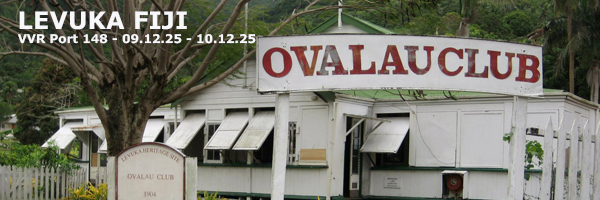
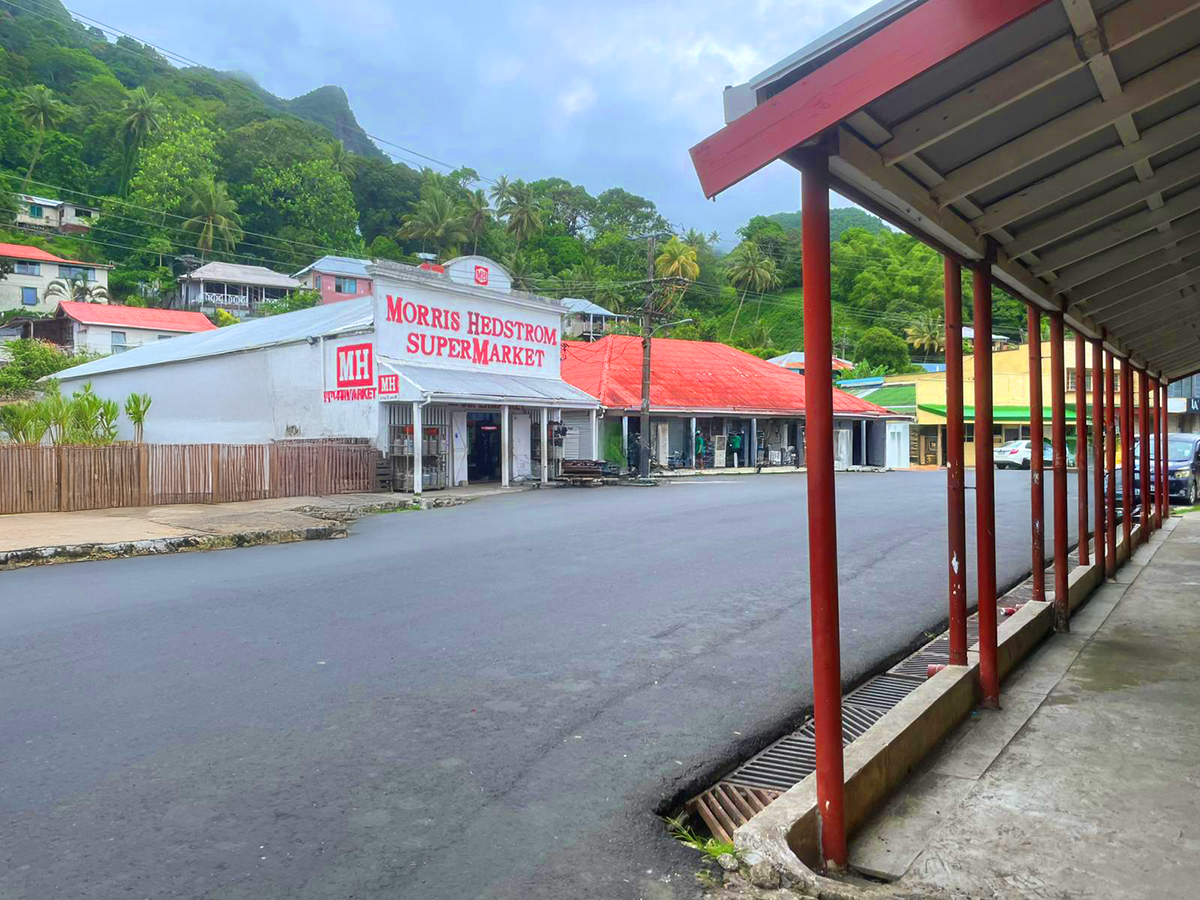
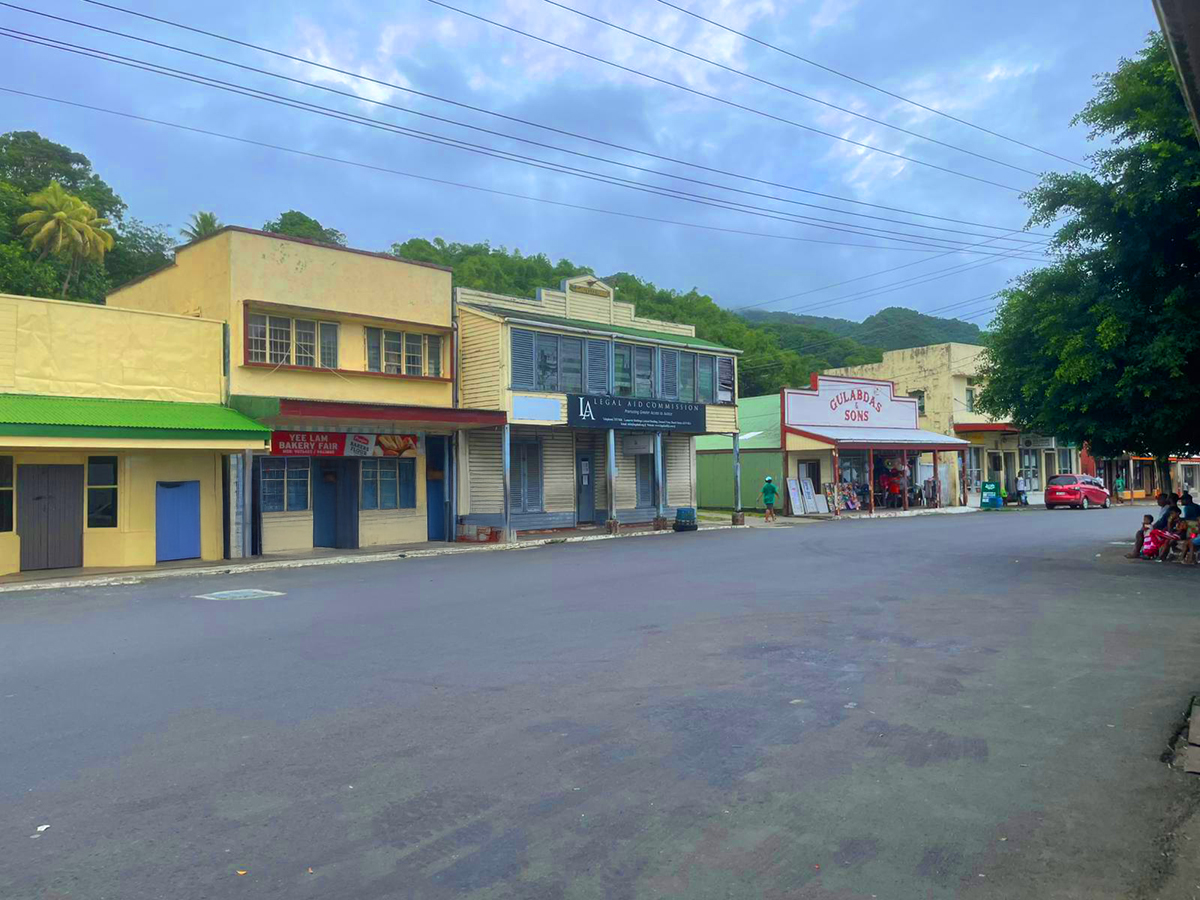
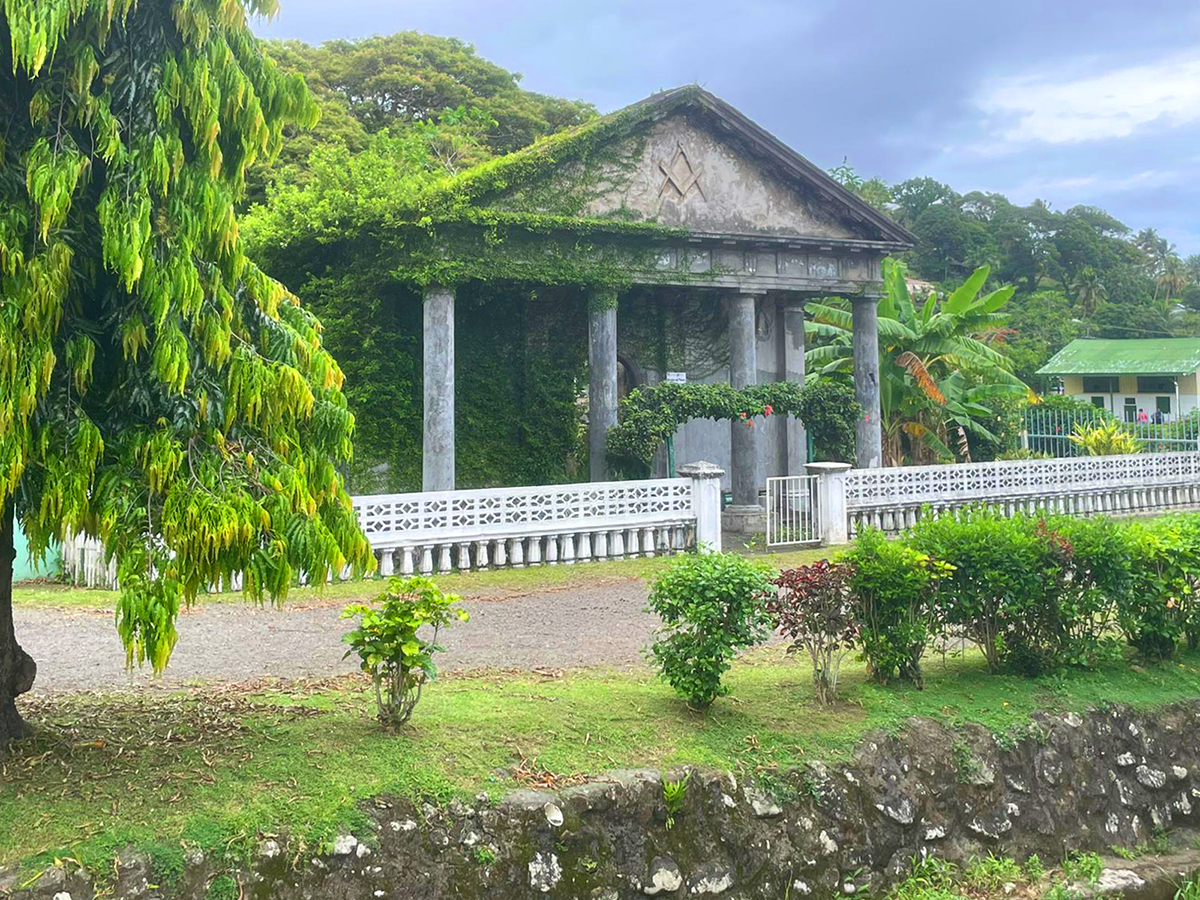
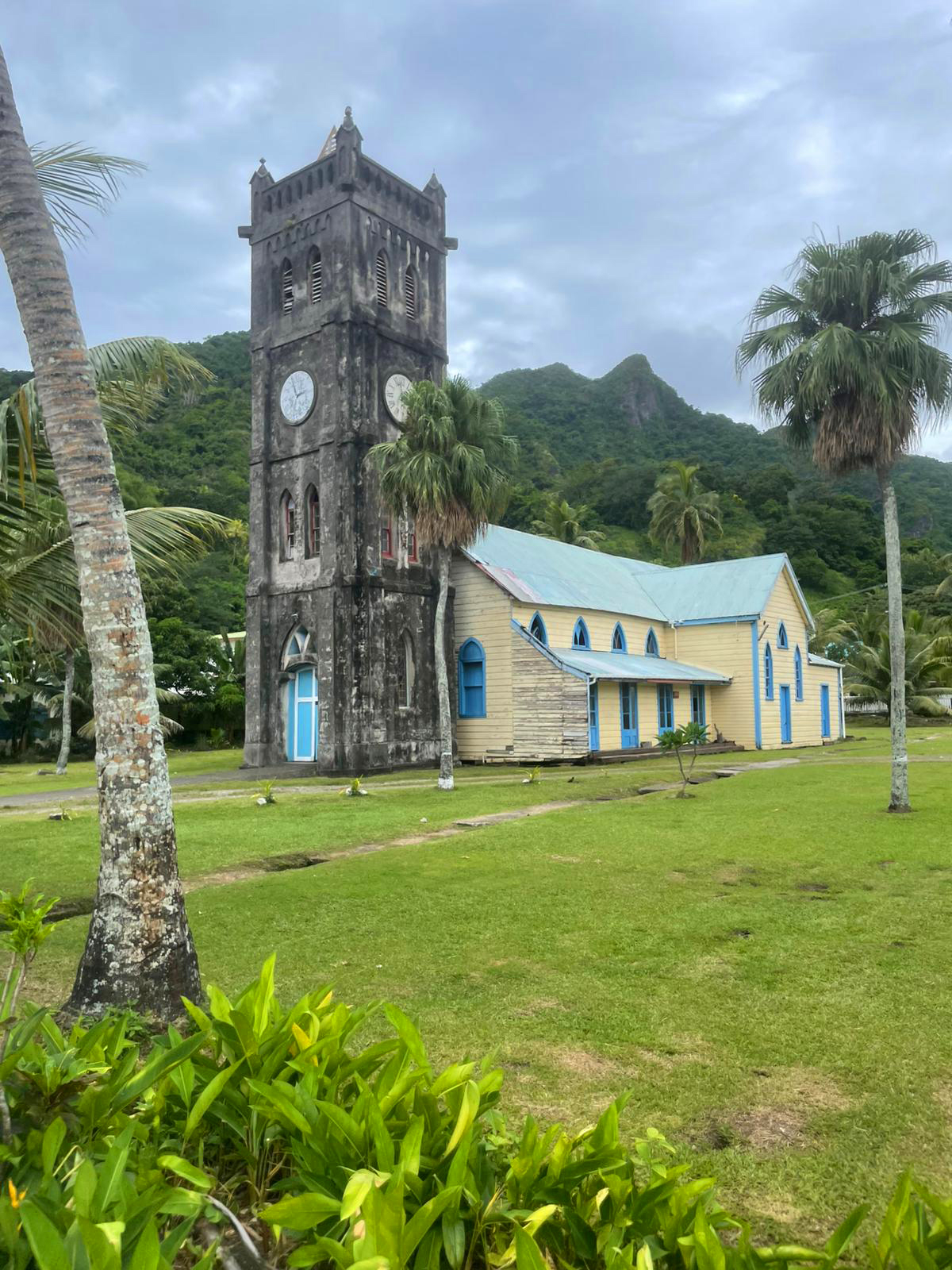
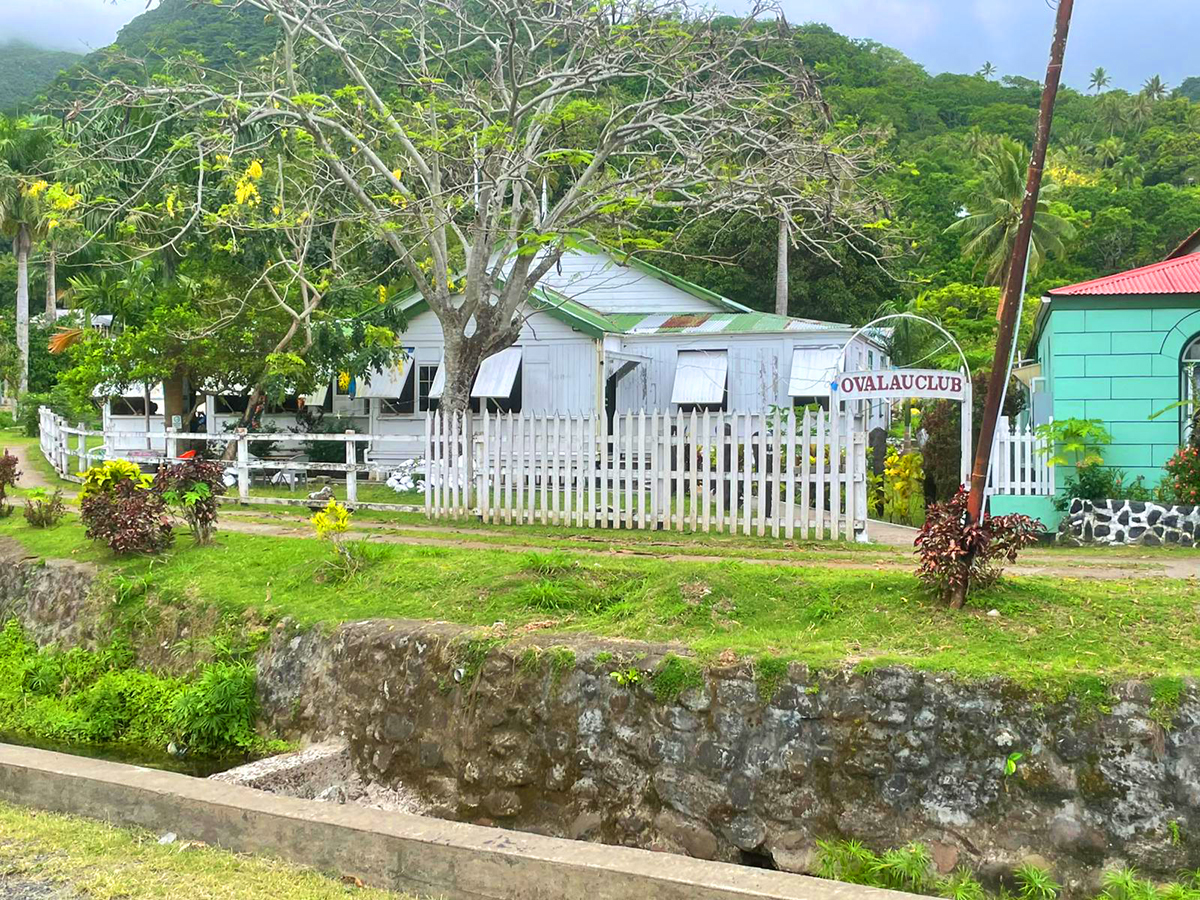
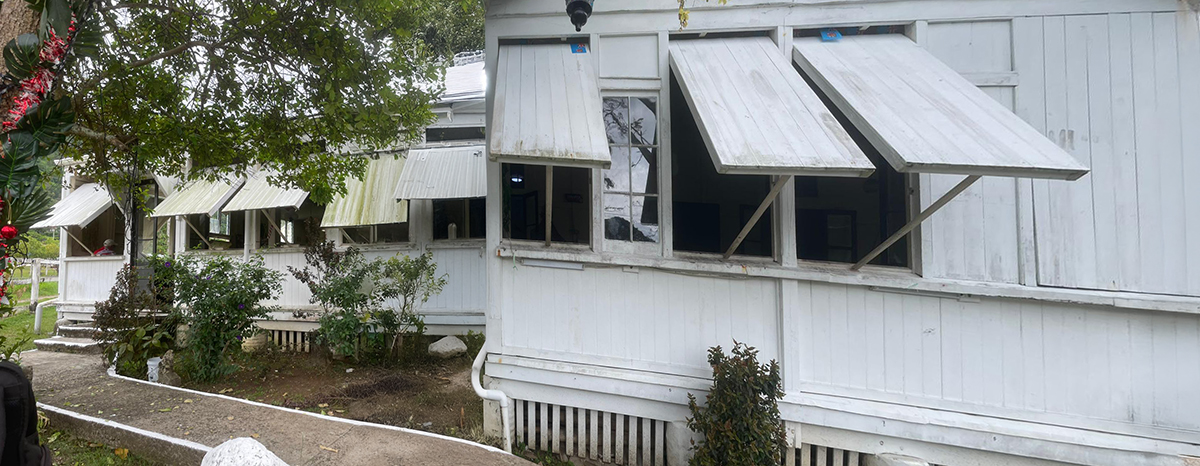
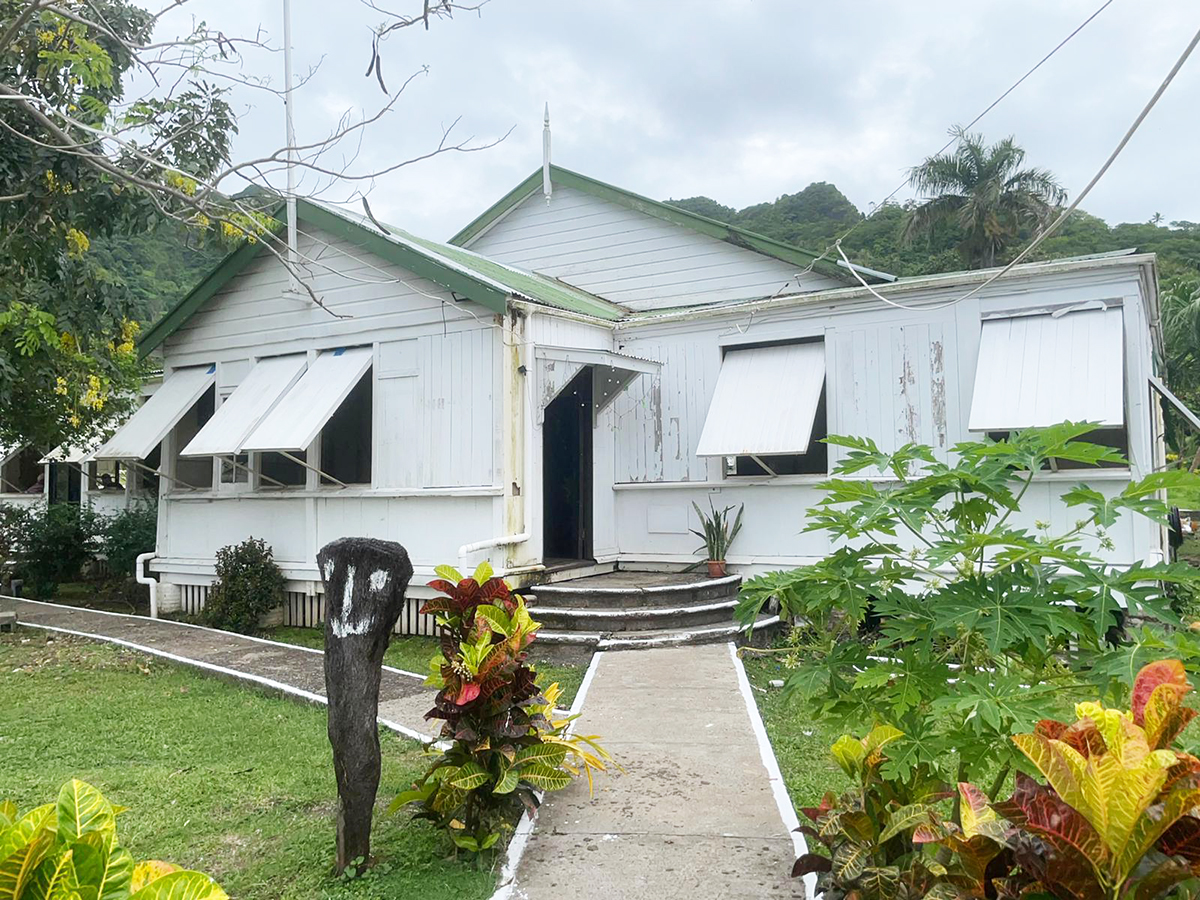
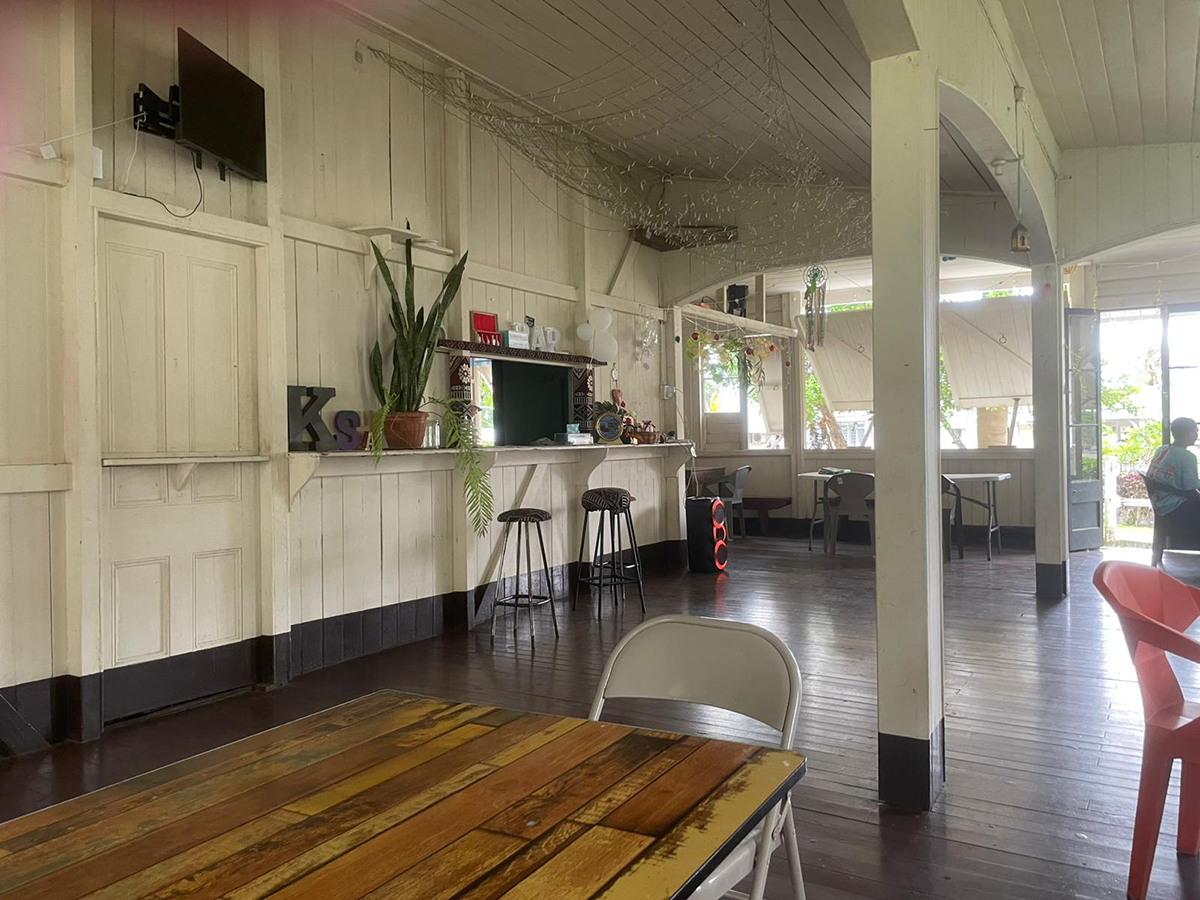
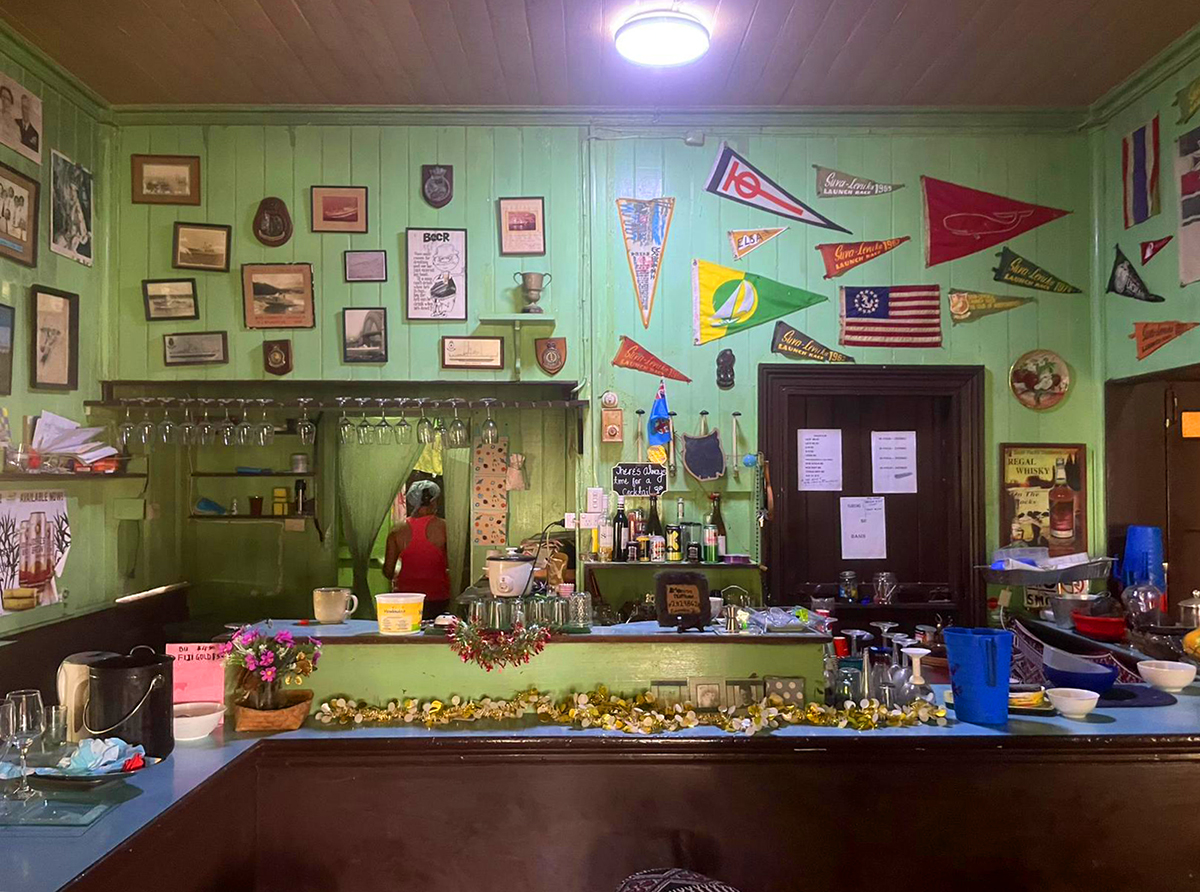
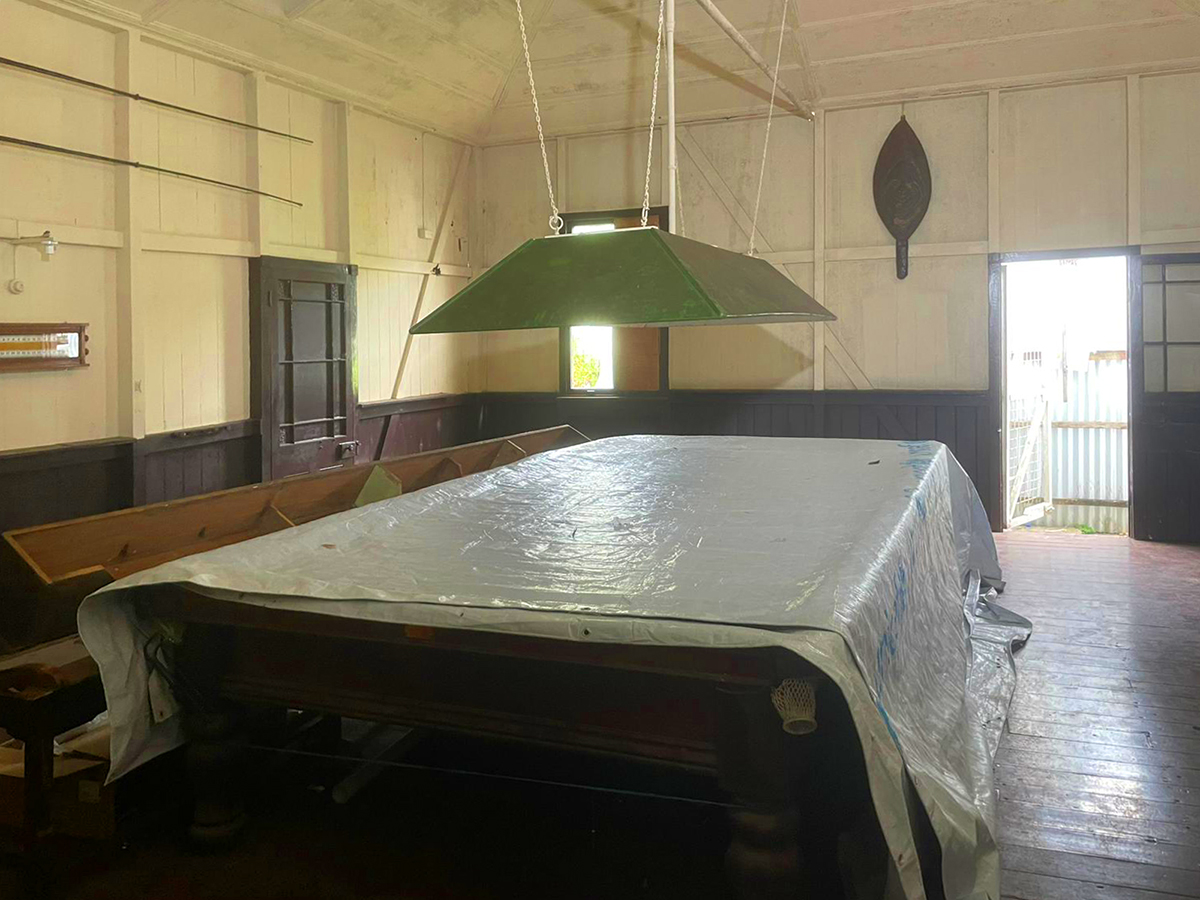
December 9-10, 2025 – Levuka, Fiji Marti Eicholz Our journey aboard the Odyssey took us from Leleuvia Island to Levuka, traversing the Koro Sea and the Rewa Delta area during Fiji’s vibrant summer, which also marks the height of cyclone season. Throughout the crossing, the sea conditions ranged from moderate to rough, with steady southeast winds that occasionally escalated into strong gusts, bringing with them sizable swells and intermittent rain. Such unpredictable weather demands constant attention and skillful navigation from our captain and crew, ensuring both our safety and comfort as we sail these storied waters. Arriving in Levuka, Fiji’s first colonial capital, we were greeted by a town rich in both history and natural beauty. Nestled on the rugged eastern coast of Ovalau Island, Levuka is dramatically positioned between towering, forested volcanic hills and the open sea. The town is characterized by its lush, tropical environment, steep volcanic slopes, and intricate coral reefs, all under a climate that remains warm, humid, and breezy throughout the year. During our visit, the weather was hot and overcast, typical for the season. Despite its small size—with a population ranging from 1,500 to 3,000—Levuka boasts a vibrant and diverse community, including Indigenous Fijians, part-Europeans, Chinese, and Indians, all bound together by a shared connection to the town’s colonial legacy and thriving tuna industry. Levuka’s unique location, wedged tightly between lush, waterfall-draped mountains and the sea, limits its physical expansion and preserved its distinctive historical character. The town’s weathered weatherboard buildings and narrow streets evoke an authentic “frozen in time” atmosphere, offering a rare window into Fiji’s early colonial era. Here, European architectural styles blend seamlessly with the island’s rugged landscape and indigenous influences, creating a setting unlike any other in the Pacific. Designated as a UNESCO World Heritage site, Levuka stands as an exceptional example of a well-preserved 19th-century Pacific port settlement. Its timber-framed structures, unique town layout, and rustic, Mediterranean ambiance—complete with narrow lanes and a languid “Fiji Time” pace—set it apart from more commercialized destinations. The town is a living museum, featuring colonial architecture, a storied past as a rogue port, and a vibrant blend of cultural attractions and natural wonders. You can stroll along picturesque Beach Street, home to many Fijian “firsts,” such as the historic Royal Hotel (the oldest in the South Pacific) and the Morris Hedstrom store. The Levuka Museum, housed in an old storehouse, offers engaging exhibits on colonial history, while the Deed of Cession site marks the exact spot where Fiji was formally ceded to Britain in 1874. Other highlights include the first public school, nestled in a lush valley; a climb of 199 steps to Mission Hill, passing by charming historic buildings and culminating in panoramic views; the Gothic Revival Sacred Heart Cathedral, dating to the 1860s; and the origins of Fiji’s first newspaper, the Fiji Times. Adventurous shipmates hike to scenic waterfalls and lookout points such as Bishop’s Tomb, and experience local life at the Ovalau Club—the first private members’ club in Fiji. The town is also known for its pioneering institutions, including the first bank, post office, town hall, and public electricity system, all contributing to its enduring “time capsule” charm. Iconic sites like the Royal Hotel, dramatically nestled between the mountains and the Pacific, further enhance Levuka’s unique appeal. Surrounded by rugged mountains, cascading waterfalls, and vibrant coral reefs, Levuka offers a picturesque tropical backdrop that feels as though it has remained untouched by time. The 19th-century colonial buildings lining Beach Street evoke memories of a wilder, frontier era—like a gold rush town that never faded away but instead found tranquility and charm. The town’s peaceful, idyllic environment and slow pace invite us to relax and immerse themselves fully in its authentic atmosphere. Levuka’s port serves as a gateway to this remarkable UNESCO heritage town, functioning both as a bustling fishing port and a portal to Fiji’s layered colonial history. Visiting Levuka truly feels like stepping back in time to discover the “real Fiji”—a place where rich history, welcoming locals, and lush scenery combine to create a serene escape, far removed from the trappings of modern tourism. The Odyssey now stands ready to embark on its next journey, a two-day cruise from Fiji to Apia, carrying with it the memories of Levuka’s living history and enduring charm. |
|
Copyright © 2025 All rights reserved |