|
|
 |
 |
 |
 |
 |
 |
 |
 |
 |
 |
 |
|
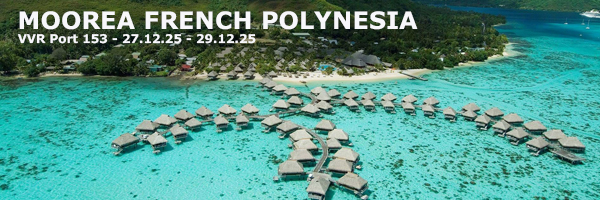
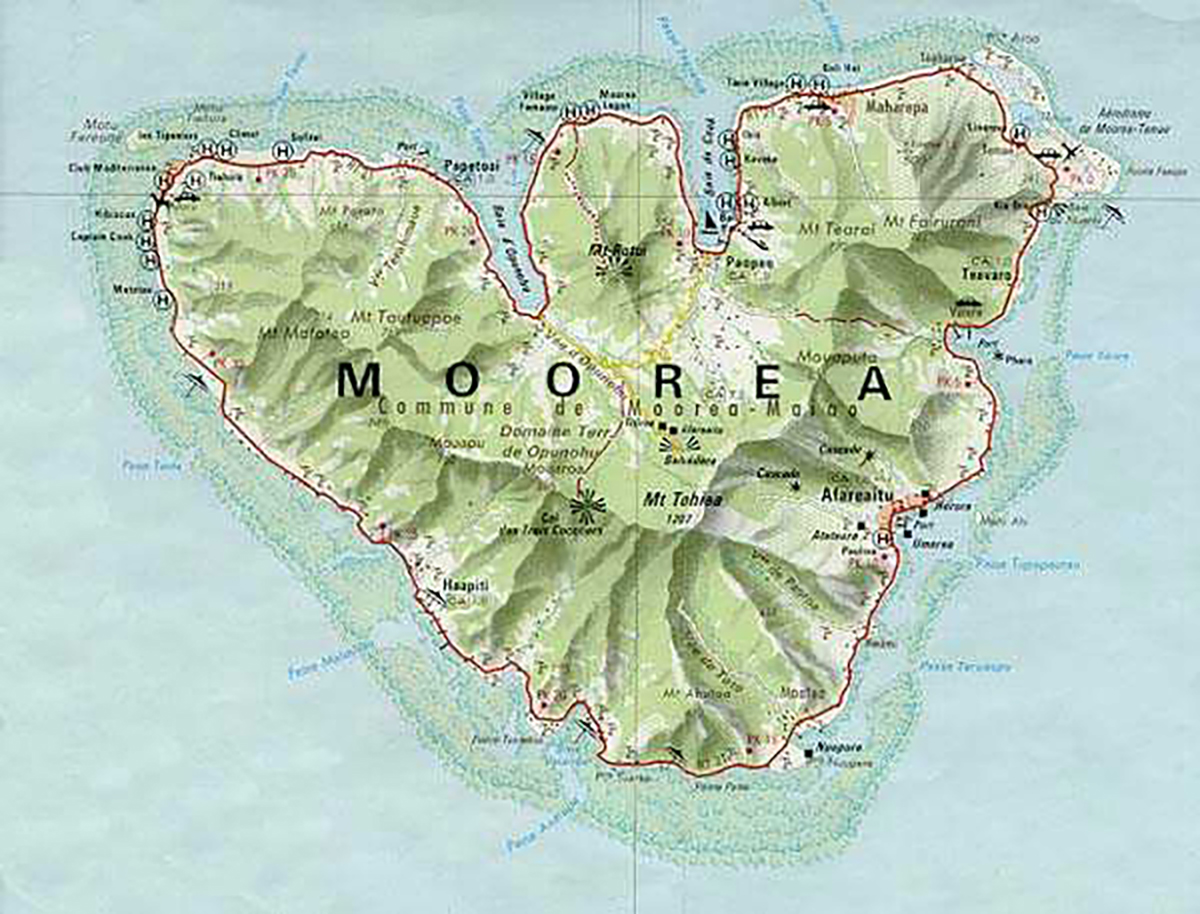
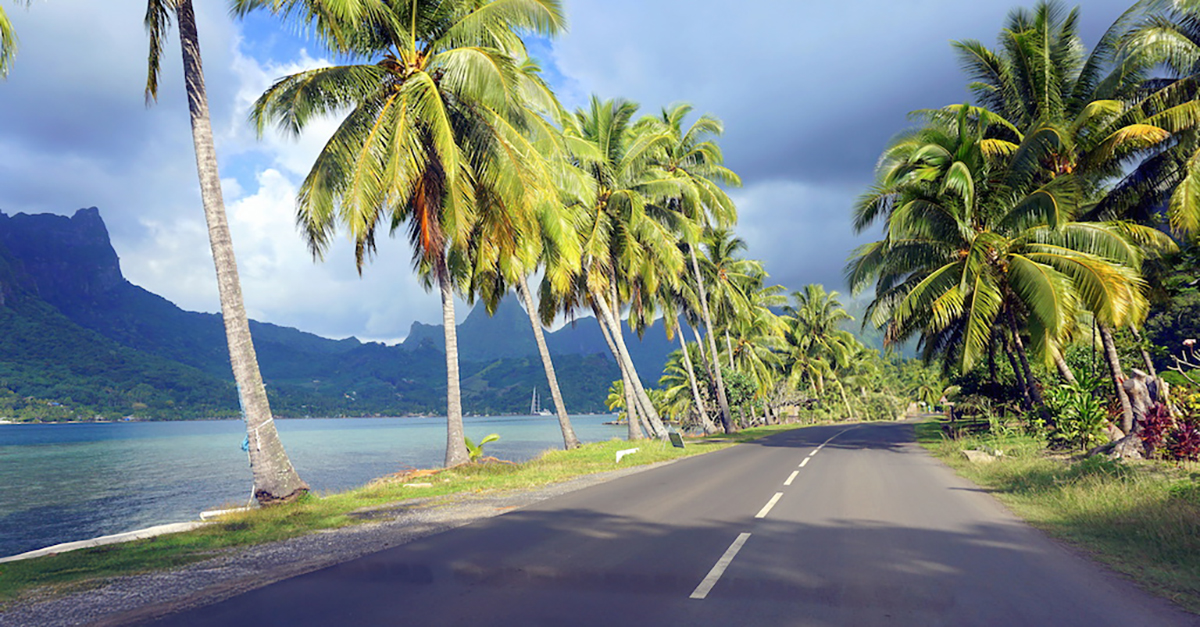
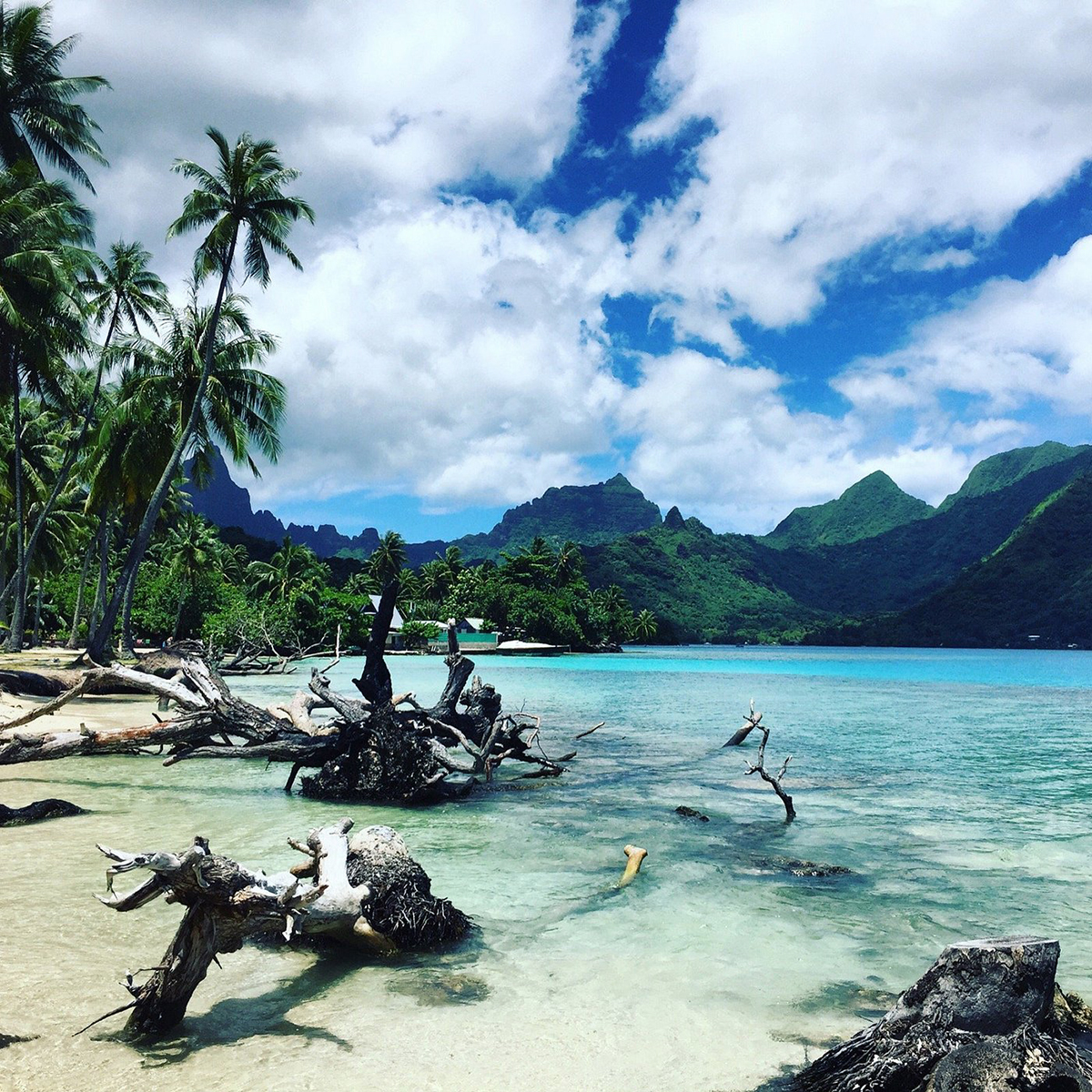
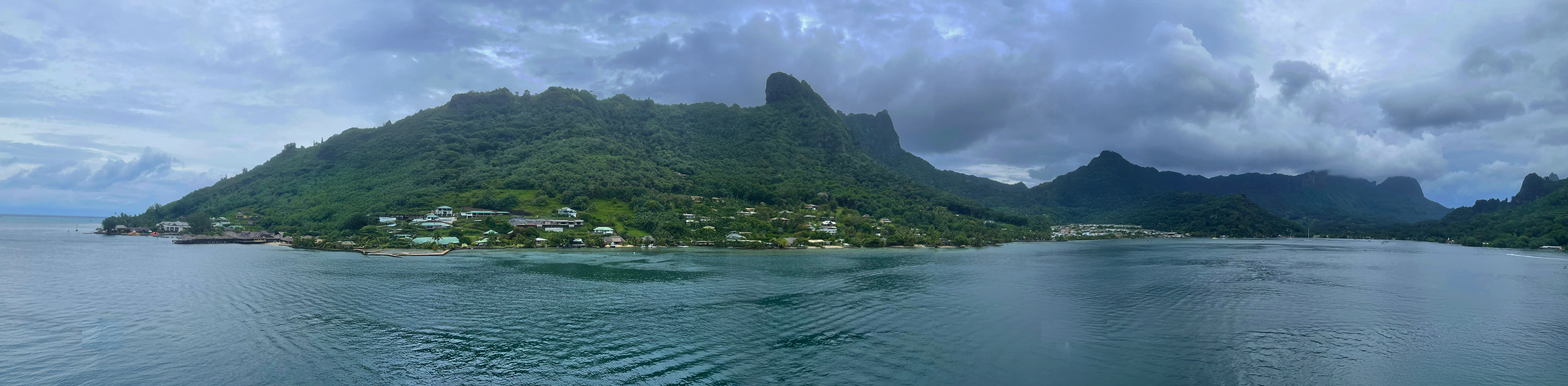
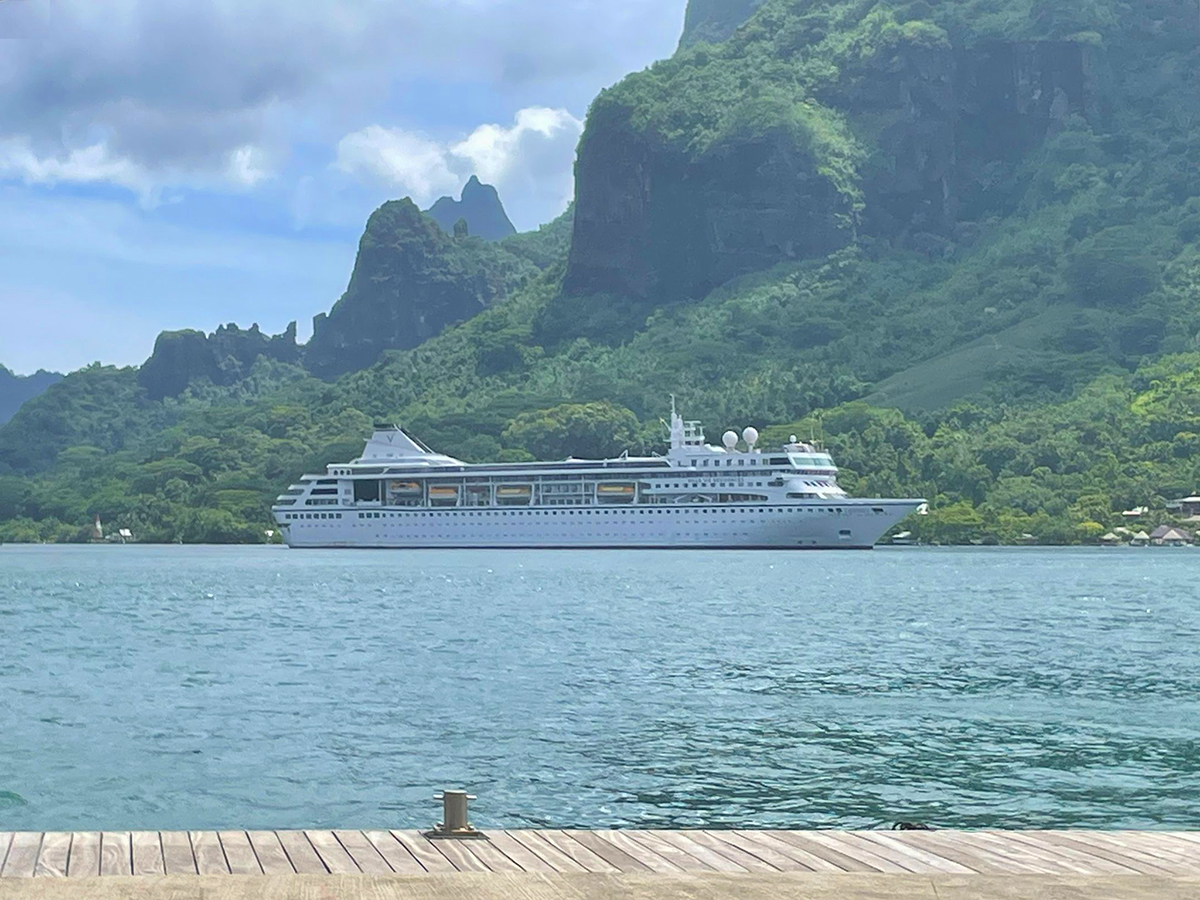
December 27-29 2025 Marti Eicholz Our Odyssey voyage continues from Bora Bora to Raiatea, and now onward to the enchanting island of Moorea in French Polynesia. As I reflect on these destinations, I’m struck by both their shared characteristics and distinctive features. All three islands—Moorea, Raiatea, and Bora Bora—are volcanic in origin, rising dramatically from the sea and encircled by tranquil lagoons. They belong to the Society Islands, a group renowned for its rich Polynesian history and breathtaking natural beauty. Despite their similarities, each island holds a unique identity shaped by its historical roles and present-day appeal. Raiatea stands out as the ancient spiritual and political center of Polynesia, once known as Havai'i, and is revered for its deep cultural roots and sacred sites. Moorea, often called Tahiti’s “sister island,” boasts dramatic bays and is easily accessible from Tahiti, making it a favorite for short visits and adventure seekers. Bora Bora, meanwhile, has achieved global fame as a symbol of luxury, attracting travelers with its iconic overwater bungalows, lush volcanic scenery, and reputation as a romantic getaway. While all have experienced French colonization, their paths have diverged: Raiatea maintains its cultural significance, Moorea offers accessible adventure and natural wonders, and Bora Bora epitomizes high-end tourism. Today, the differences among these islands are even more pronounced. Moorea’s proximity to Tahiti makes it the ideal spot for day trips and short escapes, and it’s known for diverse activities like ATV tours, hiking, and snorkeling. Bora Bora is synonymous with opulence, romance, and those picture-perfect bungalows suspended over turquoise waters. Raiatea, on the other hand, is celebrated for its emphasis on nature and opportunities for authentic cultural immersion, inviting visitors to explore its ancient marae and serene landscapes. Each island presents its own version of the Polynesian dream: Moorea as the approachable “sister,” Raiatea as the spiritual heart, and Bora Bora as the glamorous postcard destination. Moorea’s story begins with its volcanic birth between 1.5 and 2.5 million years ago, giving rise to its dramatic peaks and fertile valleys. It became an important Ma'ohi cultural hub, dotted with sacred marae and thriving agricultural traditions. The island is sometimes referred to in legend as the “Yellow Lizard Island.” Over time, internal rivalries and the arrival of Europeans brought profound changes—including disease and the eventual establishment of Moorea as a French protectorate in 1842 and colony in 1880. The landscape shifted further with the introduction of non-native plants like Miconia and the development of pineapple monoculture, marking a contrast to the traditional forest gardens that once covered the island. Today, Moorea seamlessly blends its ancient Polynesian heritage with French influences, offering visitors a spectacular fusion of history, culture, and natural splendor. Formed by volcanic activity over a hotspot, Moorea is distinguished by its triangular shape and heart-like silhouette when viewed from above. The island’s rugged interior features eight towering peaks, with Mount Tohivea reigning as the highest point. Two large, picturesque bays—Cook’s Bay and Opunohu Bay—cut into its coastline, each bordered by a clear, shallow lagoon bursting with vibrant turquoise hues, while several natural passes link the lagoon to the open ocean. Moorea enters its wet season during this time, marked by warm, humid tropical weather that nourishes the lush vegetation and supports a population of around 18,000 residents. Known as French Polynesia’s “Magical Island,” Moorea captivates with its volcanic landscapes, twin scenic bays, and ancient legacy as the “Yellow Lizard Island.” The island is also a pioneer in the development of the world-famous overwater bungalow and offers extraordinary marine experiences, such as swimming with humpback whales and exploring lagoons teeming with sharks, rays, and tropical fish. Located just twelve miles northwest of Tahiti, Moorea is separated by a narrow strait and is often affectionately called “Tahiti’s little sister.” The Tiare flower, French Polynesia’s national emblem, is worn to signify relationship status—on the right ear if single and on the left if taken (or with an open blossom for women, a bud for men). The island is home to ancient stone marae, particularly notable in places like Papetoai, where sacred Polynesian ceremonies were once held. Interestingly, French Polynesia lacks home postal service; instead, residents use large boxes outside their homes for daily bread delivery! Moorea offers a truly unique wildlife experience, especially from July to November, when you can swim alongside migrating humpback whales. Its reef-protected lagoon shelters a vibrant array of marine life, including sea turtles, sharks, rays, and countless species of tropical fish, making the island a top destination for snorkeling and diving enthusiasts. While the underwater world flourishes, the land is mostly inhabited by introduced animals like feral goats and pigs, as there are no native land mammals. This blend of natural wonders, cultural heritage, and modern adventure makes Moorea a one-of-a-kind destination in French Polynesia. After spending many days sailing among the enchanting islands of French Polynesia, we find ourselves growing accustomed to the expectation of rain—each day brings the possibility, yet often sunshine prevails. Now, anchored in the breathtaking beauty of Moorea, the anticipation lingers in the air. As Sunday unfolds, a dramatic transformation takes place above us. The sky, once bright and clear, gradually fills with large patches of dark, puffy clouds, their edges shifting and growing heavier as they gather. Soon, the vibrant blue fades into a murky, off-white haze, casting a subdued, almost surreal glow across the landscape. A misty veil settles over everything, softening the mountains and cloaking the lush greenery in gentle sheets of rain. The world around us becomes quiet and dreamlike, as if we are wrapped inside a cocoon where the only sound is the soft patter of droplets falling. There is a comforting sense of enclosure, a peaceful pause from our journey, that makes the moment feel both intimate and secure. In this tranquil embrace, we watch as subtle beams of light occasionally pierce through, illuminating patches of the landscape with a fleeting, golden shimmer. These brief glimpses of brightness bring with them a quiet hope, reminding us that even in the midst of the soft rain, the promise of sunlight is never far away. We stand content and sheltered, waiting patiently for the light to eventually triumph over the clouds. Moorea captivates the senses with its awe-inspiring natural wonders, offering a harmonious blend of tranquil escape and thrilling adventure. The island’s lush mountains rise dramatically from turquoise lagoons, creating a landscape so enchanting and otherworldly, describing it as “breathtaking” and “a geographical marvel.” Its cinematic scenery, reminiscent of the vistas in Jurassic Park, fills every moment with a sense of magic and wonder. Immersed in this paradise, you find yourself enveloped by serenity and renewed by the sheer majesty of nature. Moorea’s volcanic peaks, vibrant coral reefs, lush rainforests, and teeming marine life foster a deep connection to the ancient Polynesian spirit known as Mana, while every view around you radiates postcard-perfection. It is an experience that restores the soul and ignites the imagination, leaving you forever changed. Having journeyed through this living postcard, the Odyssey is now ready to bid farewell to Moorea and eagerly embrace the next adventure that awaits beyond the horizon. |
|
Copyright © 2025 All rights reserved |