|
|
 |
 |
 |
 |
 |
|
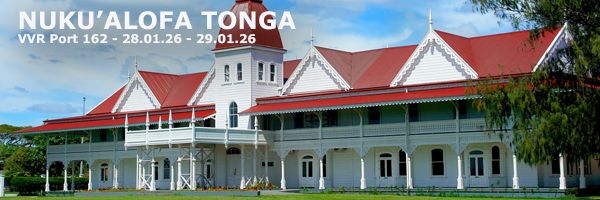
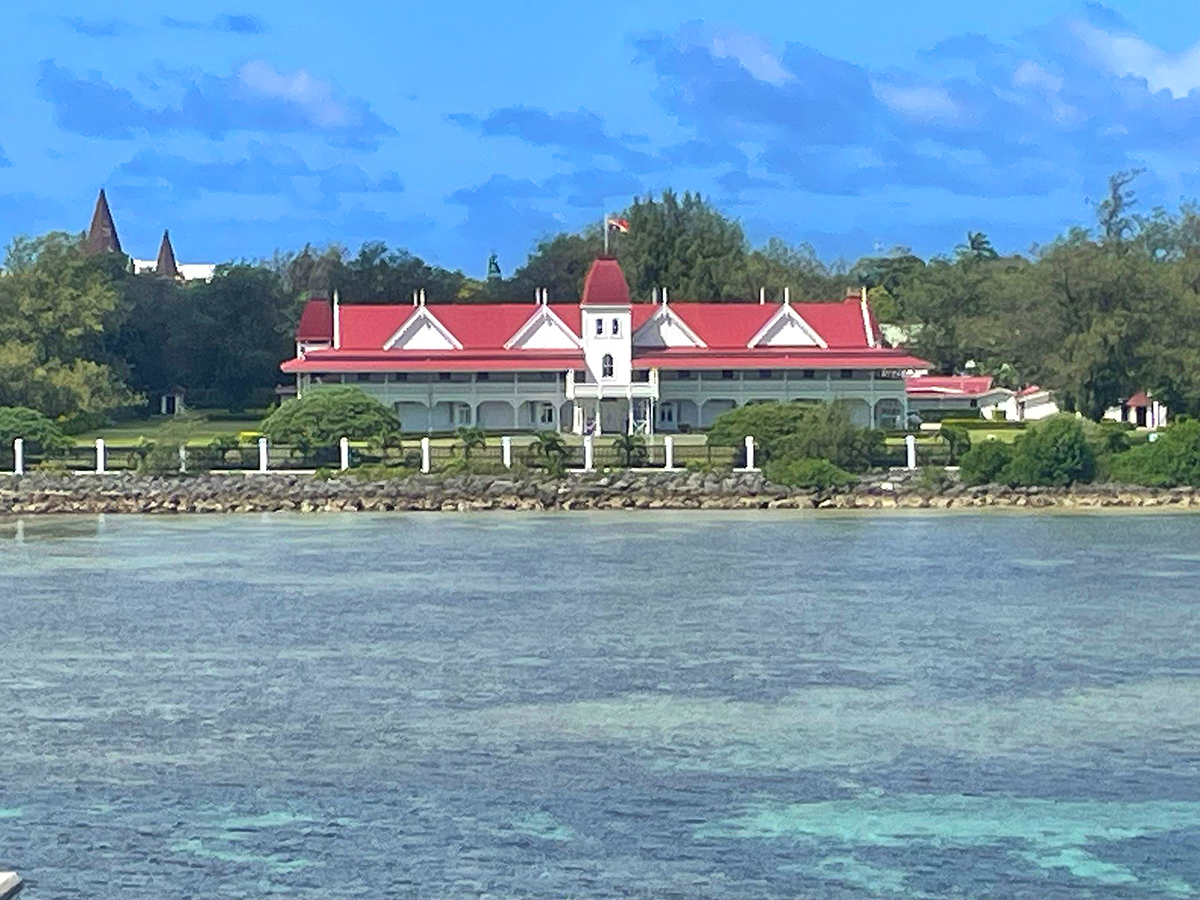
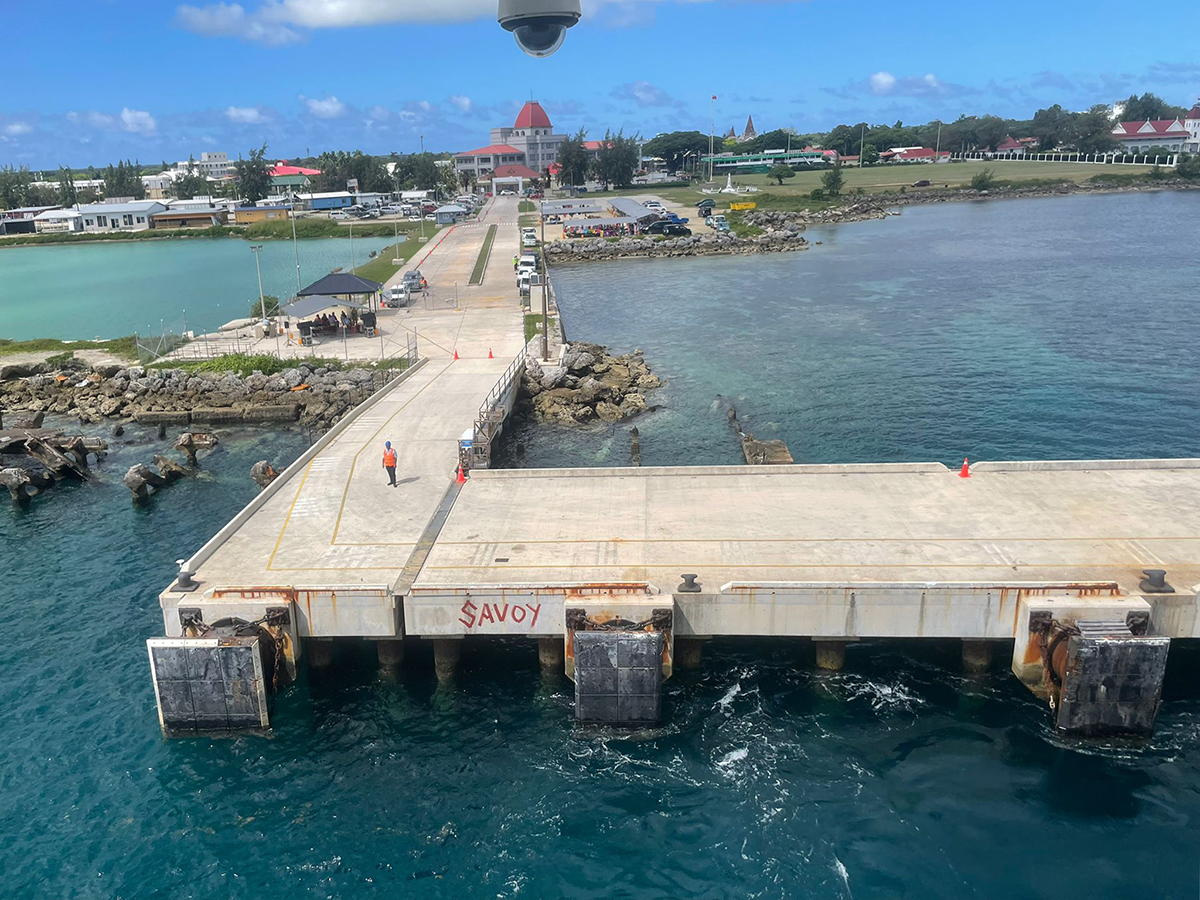
January 28-29, 2026 Marti Eicholz The Odyssey is making a two-day stop at Nuku'alofa, the capital city of Tonga. Known as the "abode of love," the name Nuku'alofa holds special meaning in the Tongan language. The word "Nuku" translates to "abode" or "dwelling," while "alofa" means "love." When combined, Nuku'alofa beautifully translates to "abode of love," reflecting the warmth and hospitality for which the city and its people are renowned. This poetic name captures the spirit of the place and the affectionate nature of its community, making it a fitting destination for anyone seeking a welcoming atmosphere and rich cultural experiences. Nukuʻalofa is a vibrant and bustling city that serves as the capital and principal port of Tonga. It is located on the northern coast of Tongatapu Island, which lies in the southwestern region of the Pacific Ocean. With a city population of approximately 27,600 residents and a greater metropolitan area housing around 74,454 people, Nukuʻalofa stands as the largest urban center in the country. The city is renowned for its deep-water harbor, which is safeguarded by surrounding coral reefs, making it an essential gateway for maritime trade and travel. Among its most notable landmarks are the striking, red-roofed Royal Palace, an iconic wooden structure constructed between 1865 and 1867 and home to the Tongan royal family, and the Royal Tombs, sacred grounds where Tongan monarchs are laid to rest. You can view the impressive tomb structures from outside the gates and reflect on the nation's royal heritage and enduring respect for its leaders. Both are located near the waterfront at the end of the old wharf. Tonga boasts a vibrant cultural heritage deeply rooted in ancient traditions and communal values. The daily lives of the Tongan people are influenced by a strong sense of family, respect for elders, and a profound connection to the land and sea. Traditional customs continue to play a central role in society, even as modernization and external influences have brought about significant changes. Many Tongans actively participate in community gatherings, religious celebrations, and customary ceremonies that honor their ancestors and reinforce social bonds. Music, dance, and storytelling are cherished forms of artistic expression, passed down from generation to generation. These cultural elements not only preserve the nation’s unique identity but also foster a sense of belonging and pride among its people. Nukuʻalofa also features several prominent educational institutions, including secondary schools known locally as colleges, as well as a teachers’ training school. The city is equipped with key facilities such as Vaiola Hospital, numerous government offices, and a large Wesleyan church that serves as a focal point for the community. In addition to its historic and cultural sites, Nukuʻalofa boasts modern amenities like a broadcasting studio, a convention center for major events, and a newly developed area on the city’s outskirts featuring housing, joinery workshops, and enterprises managed by the Copra Board. The local economy is supported by the export of copra, bananas, squash, and vanilla, as well as the sale of traditional Tongan handicrafts. The harbor is home to active tuna and snapper fishing fleets, making the city the central market for Tonga’s fishery products and further solidifying its role as the economic and administrative hub of the nation. A journey to Nuku'alofa, Tonga, truly feels like entering a heartwarming and authentically Pacific haven. The atmosphere is characterized by an easygoing charm and a sense of genuine hospitality, as locals greet us with warm smiles and open arms, making everyone feel instantly like part of the family. Immersing oneself in traditional Tongan dance performances, observing or participating in the creation of beautiful tapa cloth, and witnessing the sacred kava ceremony all offer meaningful glimpses into the island’s rich heritage. These cultural experiences foster a deep appreciation and understanding of Tonga’s customs. Adventurous outings—like marveling at the legendary 3-Headed Coconut Tree, encountering flying foxes in the Kolovai sanctuary, or swimming in the mysterious depths of the Anahulu Cave—add to the sense of discovery and wonder. The coastline beckons with opportunities for snorkeling in clear waters, exploring vibrant coral reefs, and simply enjoying the peaceful ocean vistas. Nuku’alofa itself pulses with energy, from its bustling local markets filled with colorful produce and crafts to its unique churches that showcase the spiritual side of the community. The town’s diverse selection of cozy cafes and restaurants invites us to relax and savor local flavors. Altogether, the unscripted and authentic cultural experiences make a visit to Tonga profoundly memorable—a peaceful, genuine place to connect with the spirit of the "Friendly Islands." In summary, Nuku'alofa is not only the administrative and political center of Tonga, but its name also embodies the essence of kindness and love that you encounter upon arrival. The translation from Tongan to English highlights the city’s unique cultural identity and its reputation as a place where love and generosity reside. |
|
Copyright © 2026 All rights reserved |