|
|
 |
|
|
 |
 |
|
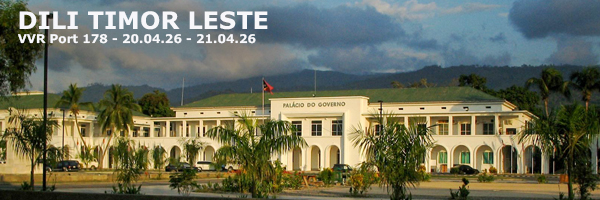
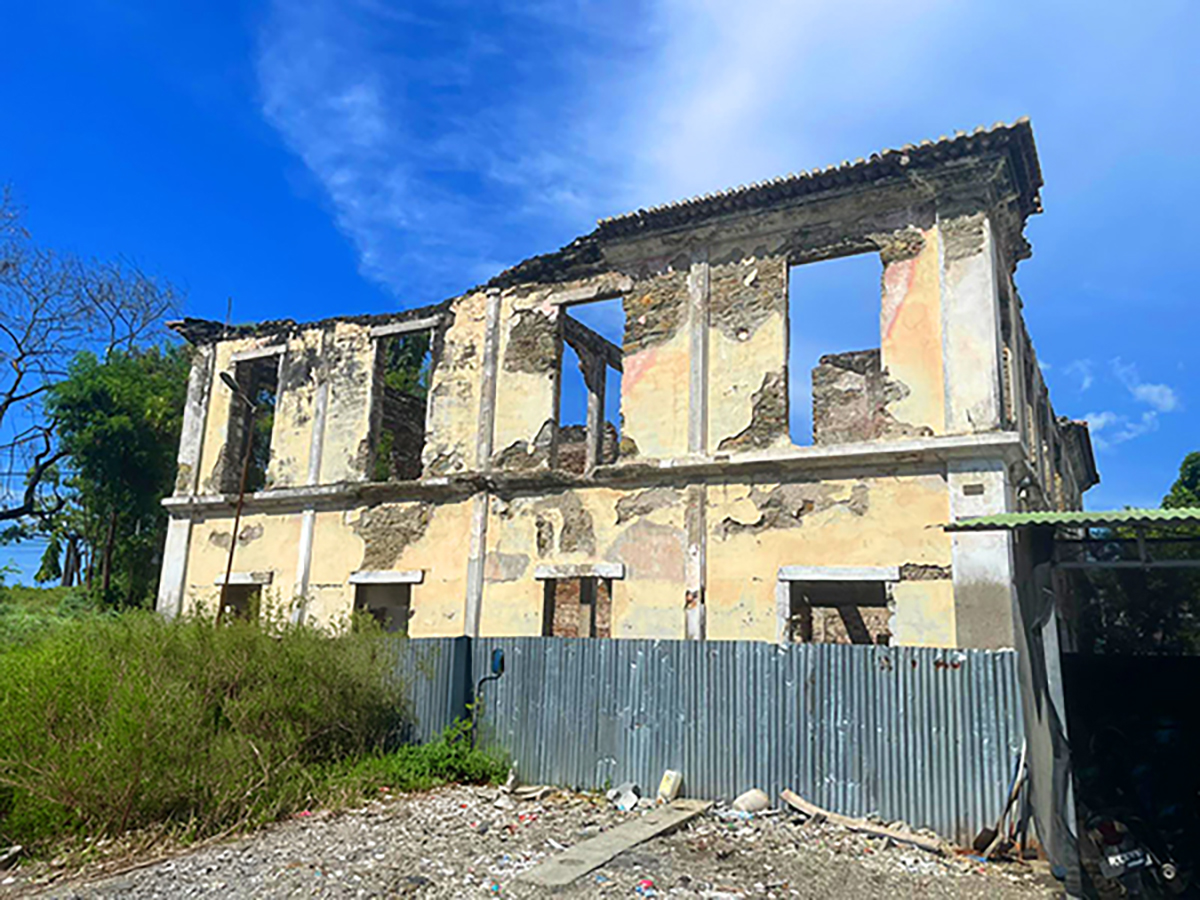
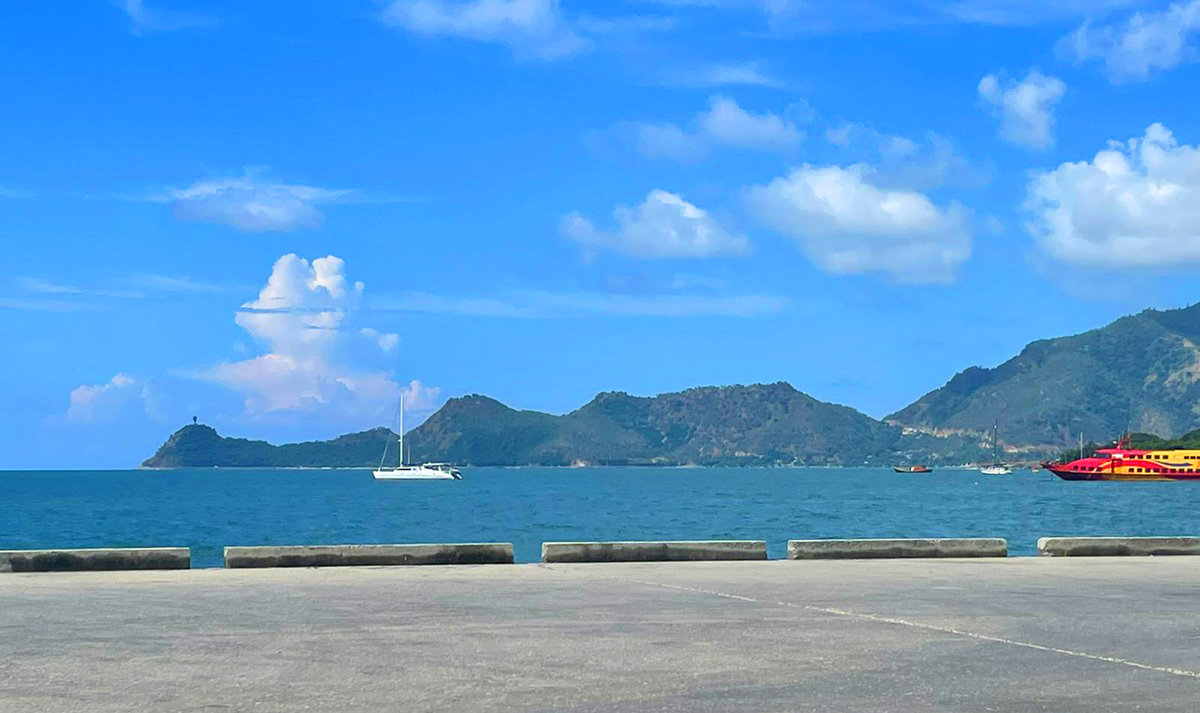
April 20-21, 2026 Marti Eicholz From the gentle embrace of Waingapu, Sumba, the journey begins. The water shimmers beneath morning's golden gaze, where waves rise and fall like the breath of dreaming gods, a whisper between 0.4m (1.3 feet) and 0.8m (2.6 feet). With winds tracing softly from the north-northwest and east, we glide forward, the Odyssey cradled by the humid air, occasional rain and a full-blown thunderstorm. As the storm approaches, the sky darkens and sheets of rain sweep over the deck, lightning forks illuminate the horizon in stark flashes, while thunder rolls and reverberates across the sea, echoing against the distant mountains. Each burst of light is followed by moments of tension, the rain drumming steadily and the air thick, challenges on this mid-April voyage. As the horizon stretches, the deep Ombai Strait beckons, its waters profound, its mysteries ancient, leading us to the northern coast of Timor-Leste. Mountains rise, steep and dramatic, their faces carved by time and legend, plunging directly into the sea. Approaching Dili, the city lies tucked at the feet of these giants, shimmering beneath the transitional season sun, calmed by the gentle sway of the waterfront and watched over by the Christo Rei statue, a sentinel guiding sailors eastward. We enter the Savu Sea, searching for Dili's embrace amidst high mountain ranges that stand as silent witnesses to our passage. The Christo Rei statue, radiant on Cape Fatucama, signals our nearing home. Anchoring comes near the central waterfront, where the city’s heart pulses with life, fishermen’s voices mingling with market aromas, and the port’s presence a gentle reminder to keep westward distance. The sea floor drops away, so anchorage lies close to shore, deeper than the shallow bays of other islands. The waters are hot, tropical, alive. In the dry season, promise shines, but in the wet months, rain, wind, and river flows transform the landscape into a dramatic dance of elements. The city center is within reach: markets, laughter, the pulse of Timor-Leste. Not far, Atauro Island waits, its reefs a haven for divers and dreamers, only 25km (15.5 miles) across the blue expanse. The waterfront bustles, vibrant but humble, for marina facilities are sparse and the sea remains the truest home for those who voyage. Thus, our odyssey from Sumba to Dili is not just a crossing of waters but an awakening to the poetry of place, where the wind, waves, and mountains conspire to tell the story of arrival. Dili, where mountains rise and fall beside the restless Wetar Strait, is a city forged from sunlight and resilience. Along its narrow coastal ribbon, life pulses in vibrant hues, a hot savanna breeze whispers through palms as the city awakens, its streets echoing the legacy of centuries. Dili wears the scars of history, rebuilt where ashes once lay, and every dawn brings the promise of renewal, of hope that dances with the tide. Portuguese stones and Indonesian shadows mingle beneath the soaring Christo Rei, a sentinel who gazes out to sea, arms wide as if embracing the city’s sorrows and triumphs. Here, the crocodile legend lingers in the air, a city shaped by myth, where ancestors are revered and tradition breathes life into every market, every smile. Dili’s people speak in Tetum and Portuguese, their voices a tapestry woven from struggle and celebration, their currency a curious echo of American shores. From the Resistance Archive’s solemn halls to the coral reefs that shimmer just steps from the boulevard, Dili is a living testament to endurance. To wander here is to witness courage and culture, to find beauty in the mingling of old and new, and to feel the heartbeat of Timor-Leste, steady, bold, and forever rising from the sea. Beyond its striking landscapes and storied past, Dili today pulses as the cultural and political heart of Timor-Leste. The city’s markets brim with fresh produce, crafts, and the aroma of grilled seafood, offering a taste of daily life and a meeting place for locals and all of us alike. Dili’s vibrant street art and murals reflect both pride and pain, narrating a continuing journey toward unity and identity. Cafés and restaurants along the waterfront serve strong Timorese coffee and local specialties, while the sound of children playing and families gathering fills the evening air. The city also serves as a gateway for exploring Timor-Leste’s diverse wonders, mountain hikes, sacred lakes, and remote villages where traditional music and dance remain central to community life. Museums and memorials, such as the Resistance Museum, preserve the nation’s hard-won independence, inviting reflection and remembrance. As dusk falls, Dili’s coastline glows with the promise of tomorrow, a place where the resilience of its people and the beauty of its land are woven together, ever inviting, ever enduring. Exploring Dili felt both exciting and humbling, as every corner seemed to tell a story. Climbing the steps to the Cristo Rei statue, rewards with the serene sight of the city and coastline stretching out beneath me, the ocean breeze mingling with the distant sound of waves. Wandering through Atauro Island’s vibrant coral reefs, I was mesmerized by the colors and marine life, an experience that made me appreciate the island’s natural beauty even more. Visiting the Resistance Museum offered a powerful glimpse into the resilience of Timor-Leste’s people; reading personal stories and seeing artifacts made history come alive in an emotional way. In the evening, savoring fresh seafood at Areia Branca beach, watching the sun sink below the horizon as locals gather for music and laughter, makes one feel welcomed, part of the community, and grateful for Dili’s warmth. As dusk gathers over Dili, the Odyssey stands poised for its next adventure. The sea calls with new promise, with memories of Timor-Leste etched in hearts, our journey continues, each departure a beginning, as the Odyssey sets sail to embrace what lies beyond the horizon. |
|
Copyright © 2026 All rights reserved |