|
|
 |
| click on panoramic view |
 |
| Guest Services Desk suggested design |
 |
 |
 |
 |
 |
 |
 |
 |
 |
 |
 |
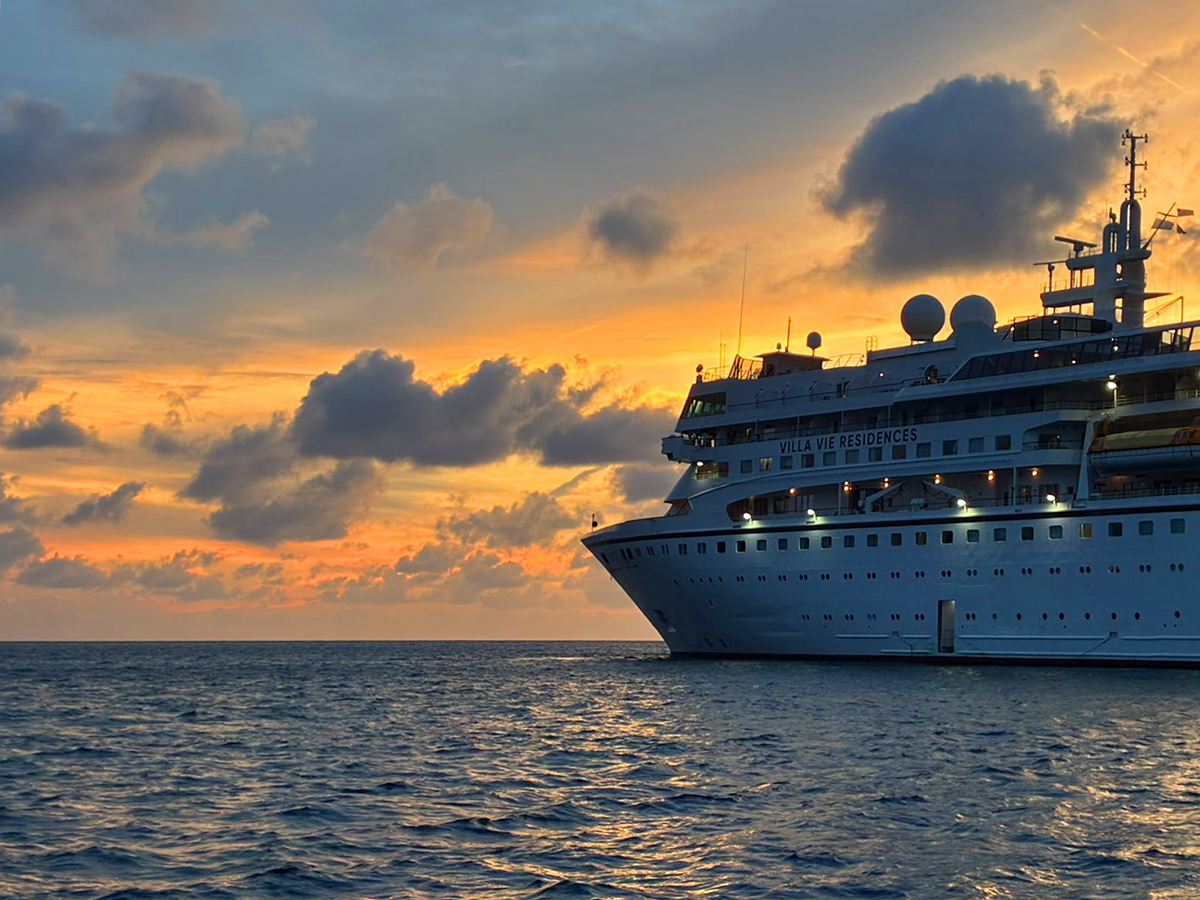 |
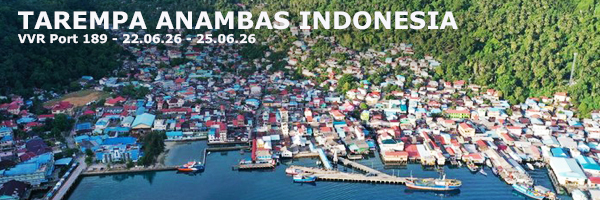
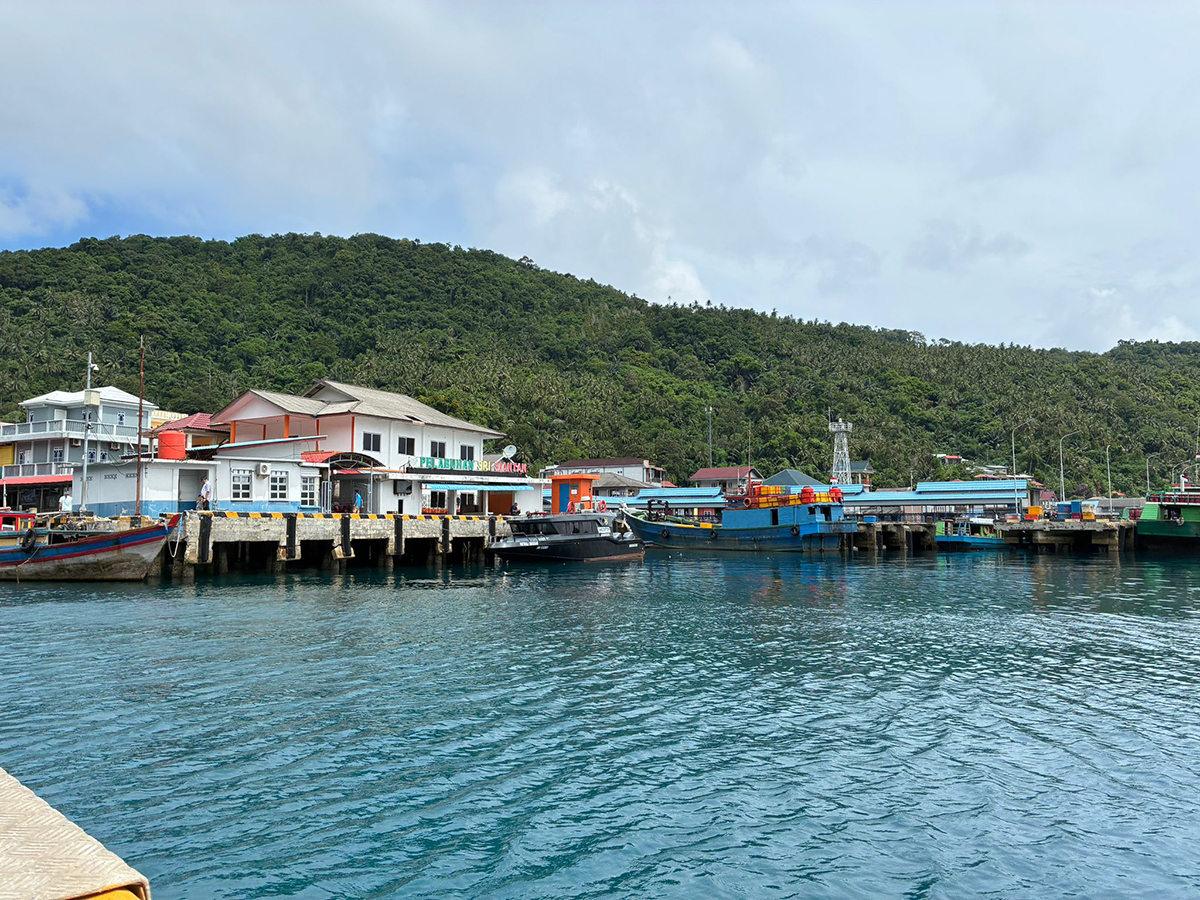
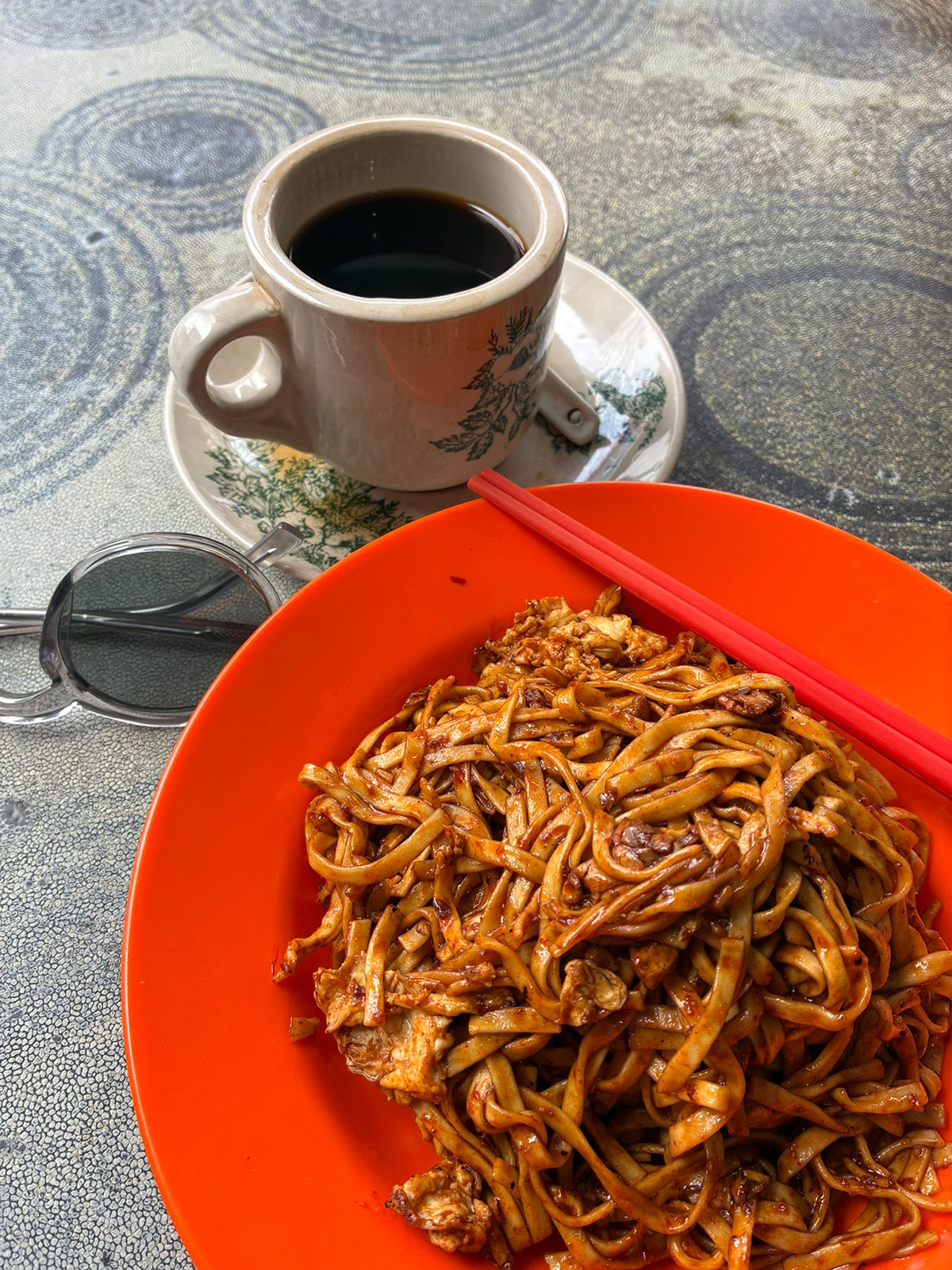
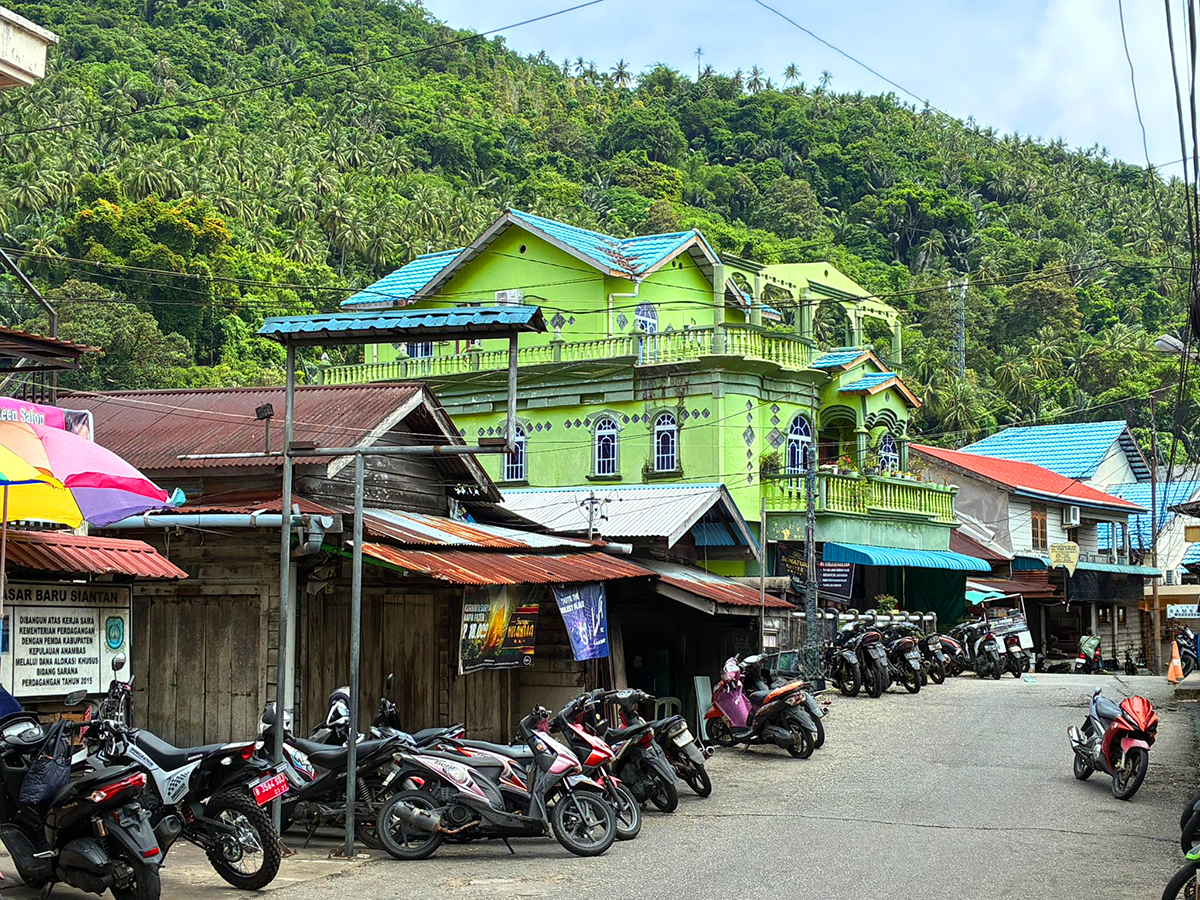
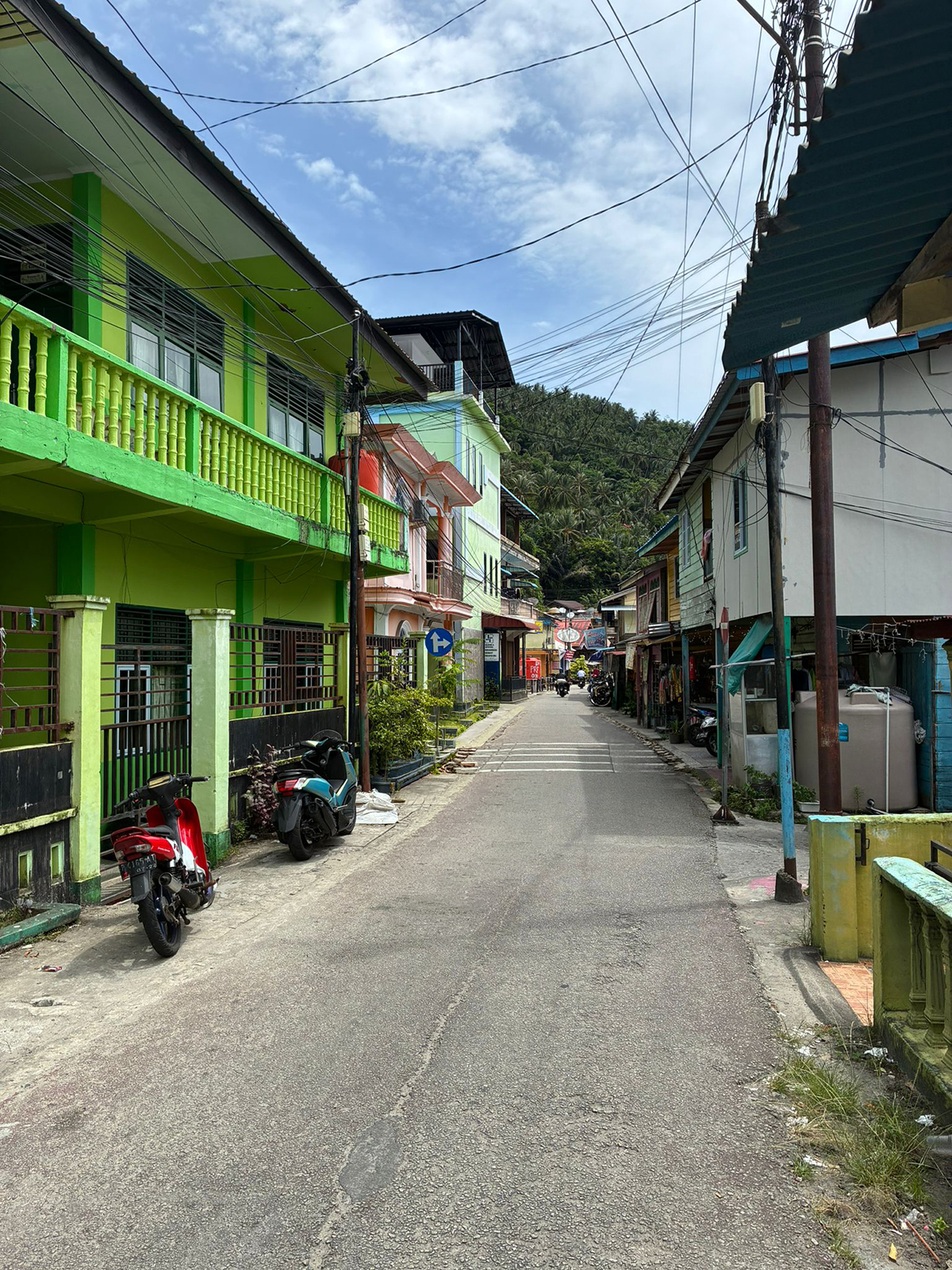
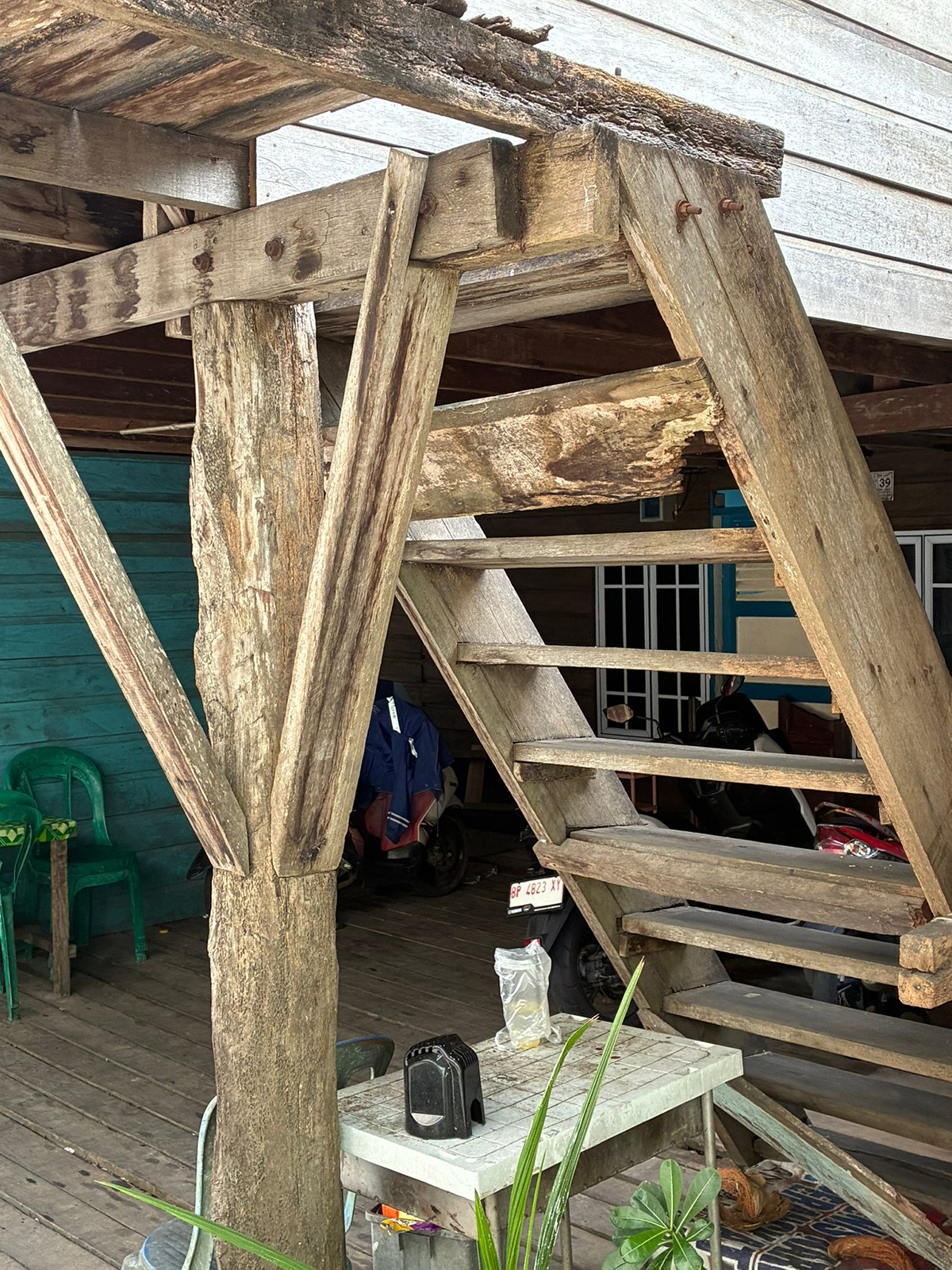
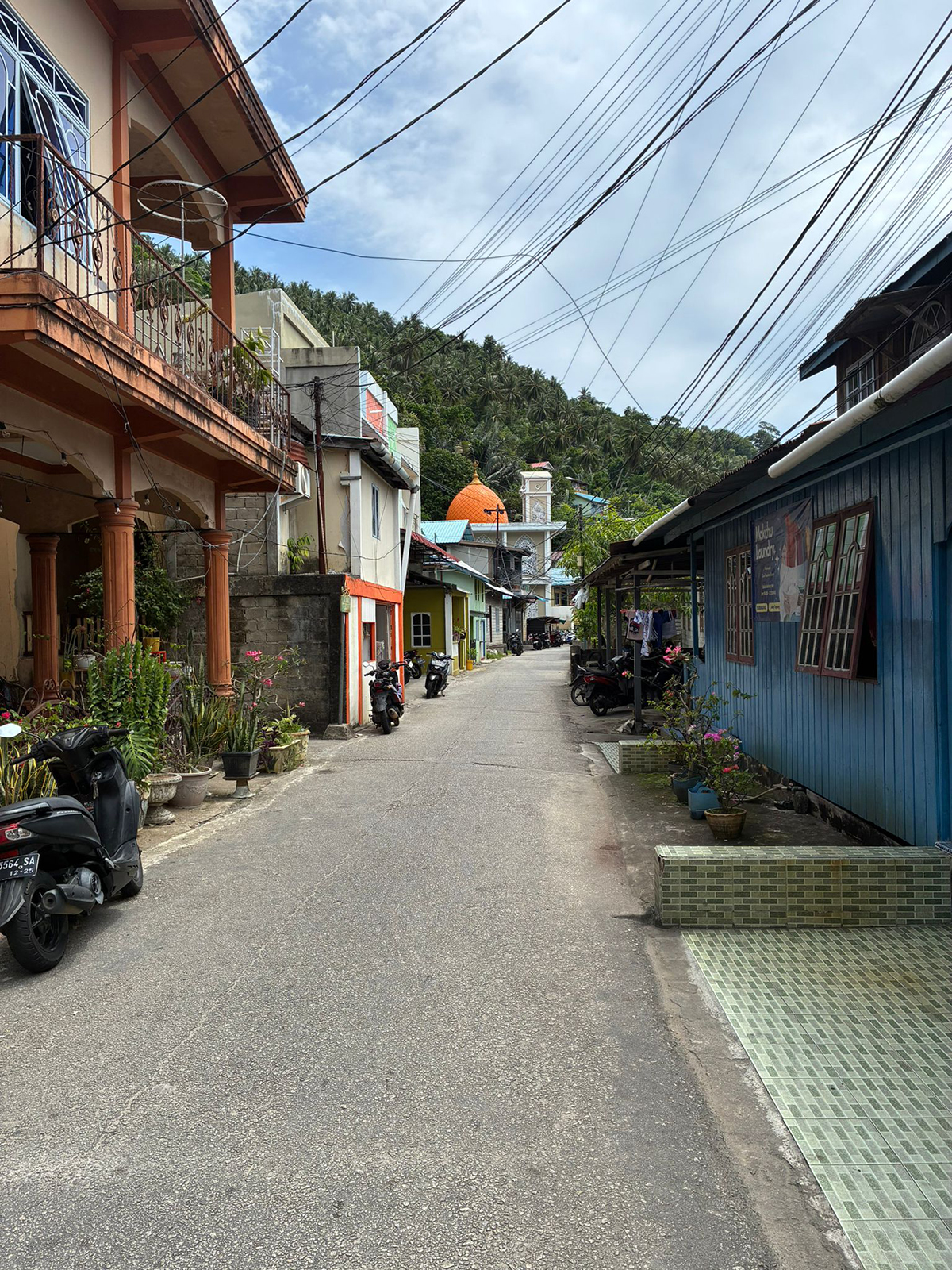
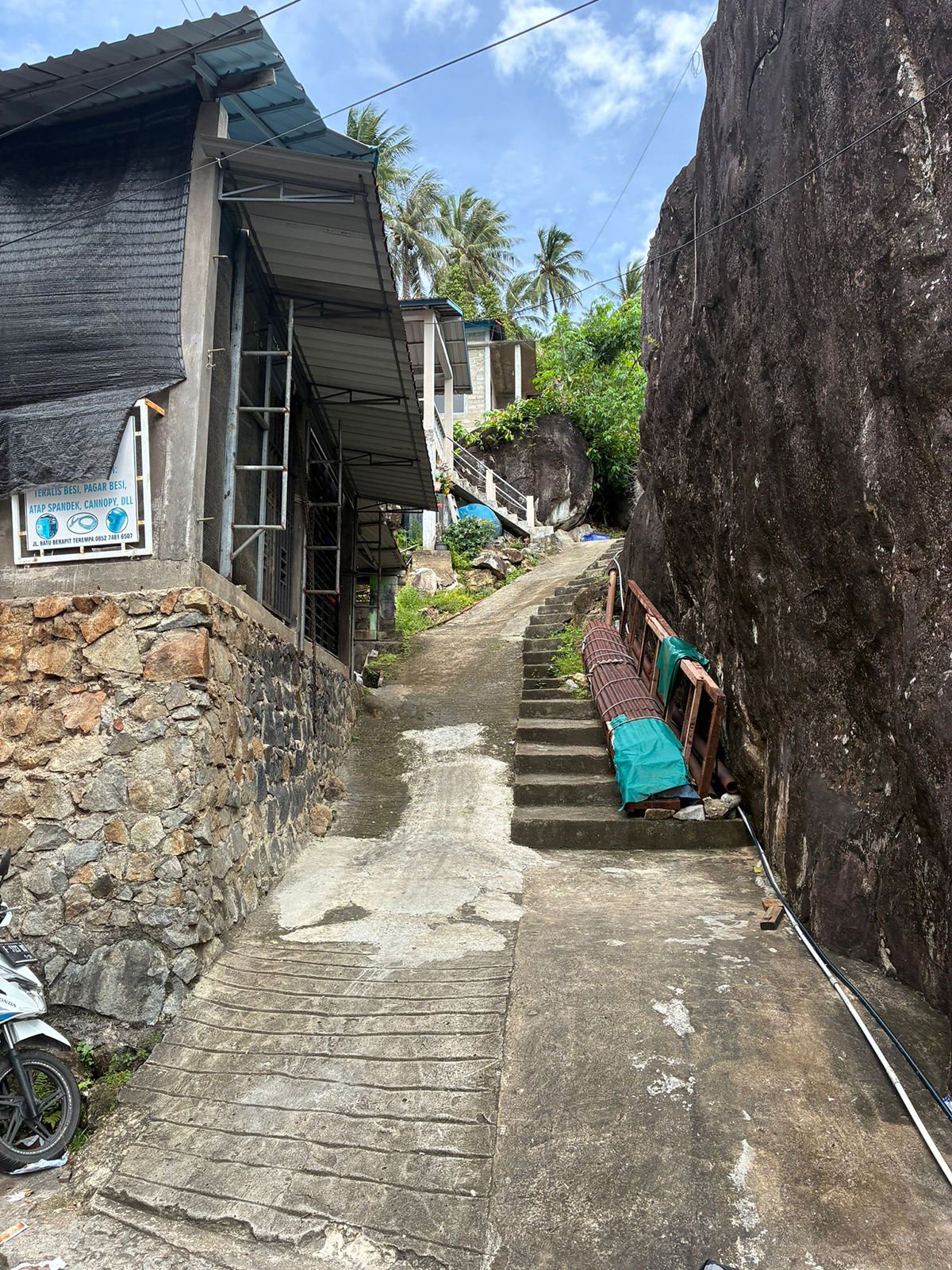
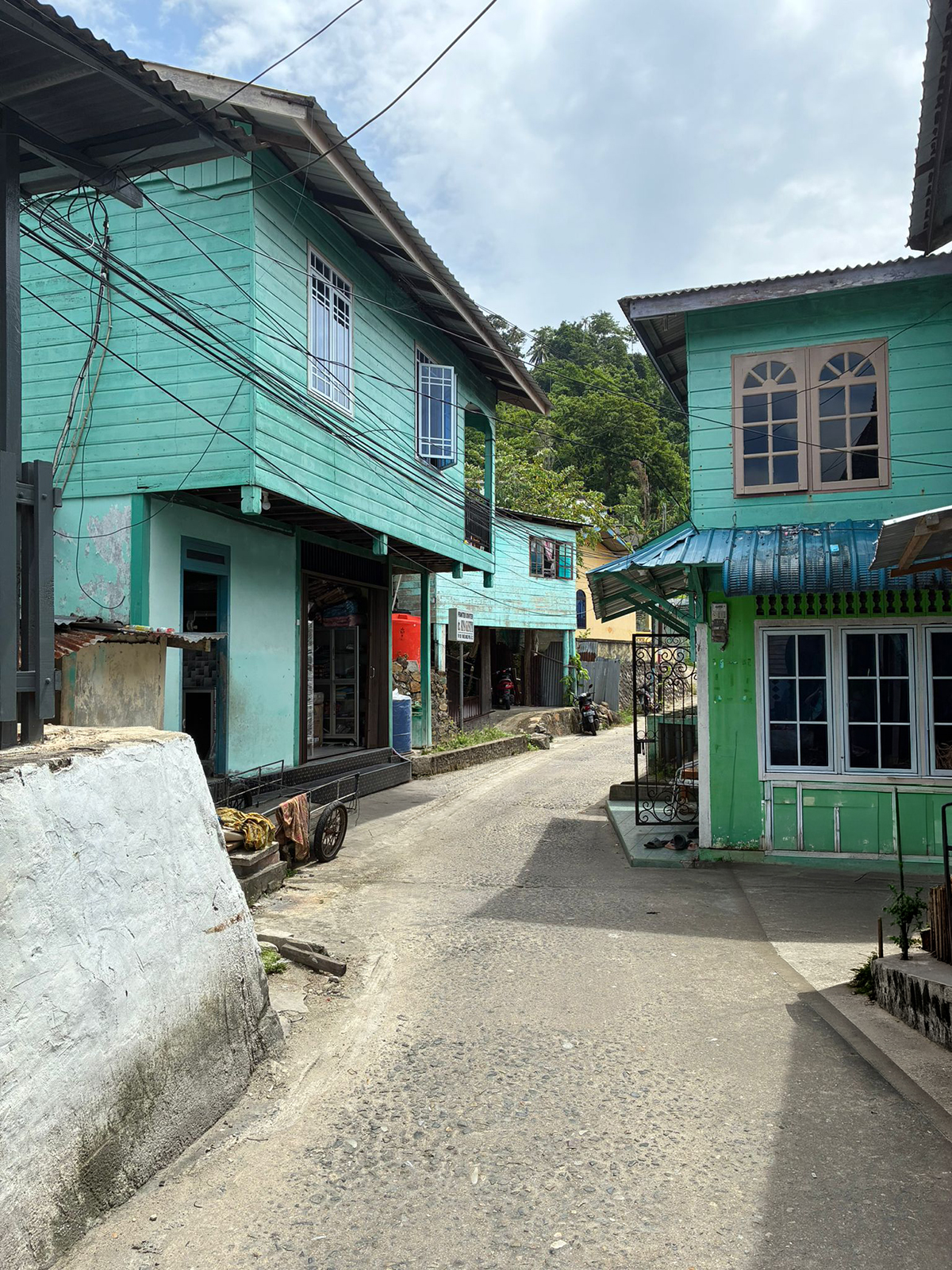
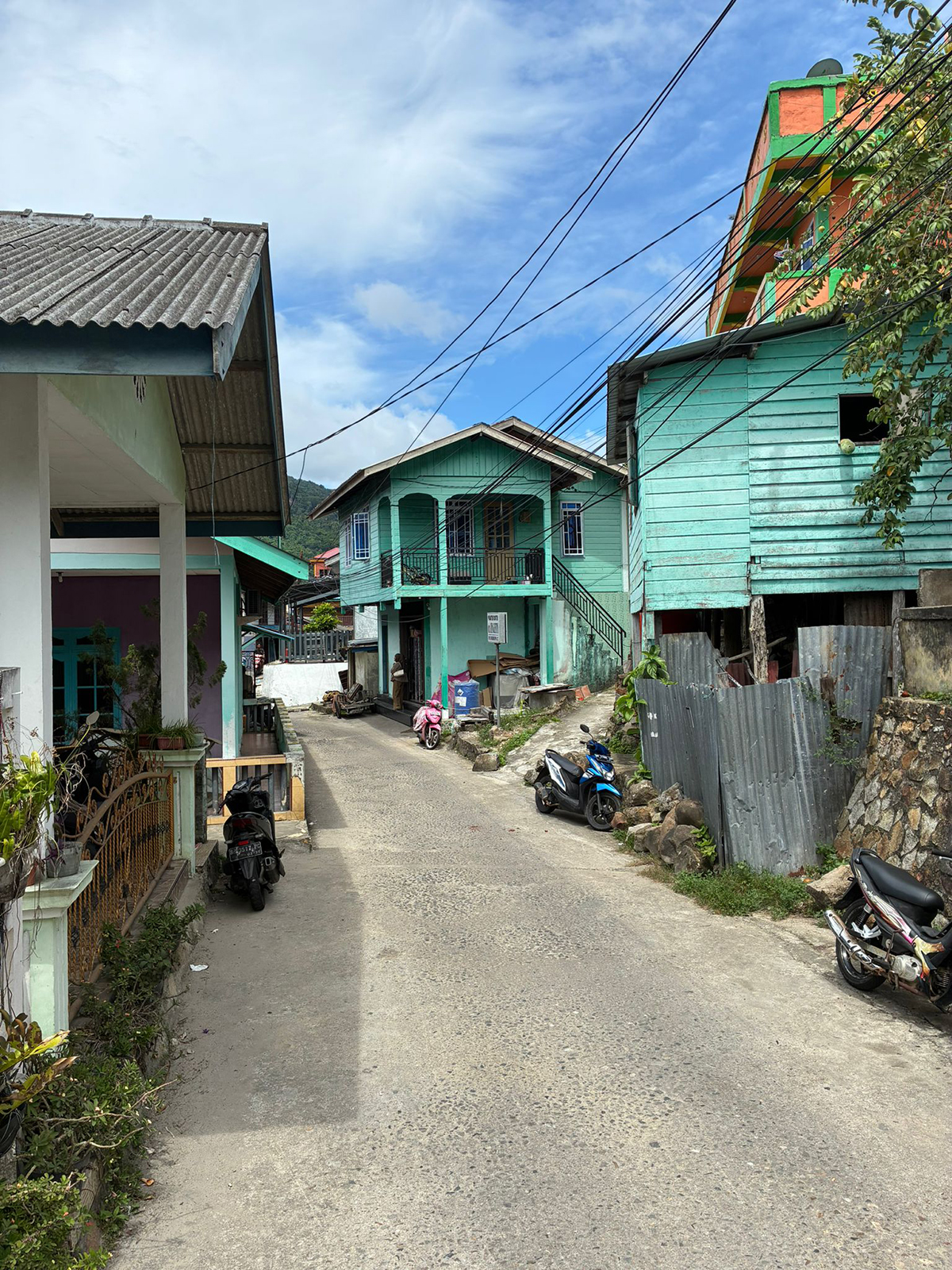
June 22-25, 2026Marti Eicholz After four days in Singapore, we slipped from that luminous, sleepless harbor as one slips from a beloved room at dawn: softly, reluctantly, with one last glance behind. The city receded in a shimmer of glass and rain-washed light, while the ship gathered herself and turned once more toward the open sea. Departure has always seemed to me a tender ceremony: the quiet choreography of luggage, the brief warmth of embraces, the lift of faces toward the horizon, and that delicate silence that comes when land begins to loosen its hold. Around us were visitors coming and going, and residents returning in quiet procession from the intimate errands of life: medical appointments endured with patience, reunions with family and friends, long excursions, and private pilgrimages to places our vessel could not reach. Each person brought back something unseen: a voice, a scent, a farewell, a memory still glowing at the edges. And as these small human treasures found their way aboard, our ship became once more not merely a vessel, but a reminder that it is our wandering home. Then came a day at sea, one of those rare blue interludes in which the world seems to hold its breath and time, softened by salt and distance, forgets to hurry. The ship moved through wind and cloud like a thought passing through a dream, and the water around us rose and fell with its ancient, silver pulse. By early morning, beneath a low and brooding sky, the Anambas Islands emerged from the mist with the delicacy of a secret being revealed. They appeared first as shadows, then as soft green silhouettes, half-veiled and impossibly gentle, as though the sea had been keeping them hidden for lovers of faraway places. We arrived off Tarempa in a quiet hush, the town folded into the arms of its hills, the sheltered water gleaming like silk beneath the clouds, and there we let down our anchor in this remote, graceful corner of Indonesia. When the local agents had completed the quiet rites of arrival, we descended toward the tender boats waiting at the ship’s side, their small orange forms rocking gently against the morning. They carried us across the bright, breathing water from the stillness of our anchored world to the waiting shore, and the thirty-minute crossing felt less like a transfer than a passage into another spell. The air was warm with salt and possibility. The islands seemed to call without raising their voices. Ahead lay four days in Tarempa: four days to wander slowly, to surrender to the pace of tide and cloud, to let beauty approach without haste, and to carry away, when the time comes, a memory touched by rain, sea-light, and longing. Tarempa: Where the Sea Keeps Its SecretsI arrived in Tarempa with the feeling that I had not so much reached a town as crossed into a quieter register of the world. The sea there does not announce itself with spectacle; it gathers light slowly, holding blue upon blue until the eye can no longer decide where water ends and sky begins. Around the harbor, houses lean toward the tide on stilts, fishing boats rock like half-remembered lullabies, and the green hills of Siantan rise behind the town with the patient dignity of old guardians. Tarempa is the administrative heart of the Anambas Islands Regency, set on Siantan Island in Indonesia’s Riau Islands Province, far out in the Natuna Sea between the Malay Peninsula and Borneo. The larger archipelago is a world made mostly of water: hundreds of islands, many of them uninhabited, scattered like emerald thoughts across a vast marine silence. Here, geography is destiny. The town exists because the sea allows it to exist, because fishermen read the weather, boats carry supplies, and the horizon is less a boundary than a road. A Capital Made of Tide and DistanceThe story of Tarempa is not written in monuments, but in salt, wood, weather, and waiting. It is a maritime story: of Malay coastal life, of traders and sailors, of small communities shaped by distance and dependence, of people who have learned to measure time by tides and ferry schedules rather than clocks. Once more closely folded into the orbit of the Natuna Islands, Anambas became its own regency in the modern Indonesian administrative story, and Tarempa became its capital—a small place bearing the responsibilities of a far-flung sea territory. What is unusual about Tarempa is the way it feels both central and remote. It is a capital, yes, but not in the grand, polished sense of boulevards and administrative pomp. Its authority is more intimate: the harbor, the market, the mosque, the jetty, the conversations in seafood stalls, the sudden motorbike climbing a steep lane through warm air. It is the capital of a place where land is scarce and sea is abundant, where the political map must bow to coral, currents, and monsoon weather. Tarempa’s strangeness reveals itself quietly, almost shyly, in facts that feel less like data than weathered truths. It is the capital of the Anambas Islands Regency, yet it carries that title without grandeur, as if authority here must first learn humility before the sea. From Siantan Island it serves as a gateway and service center for surrounding islands, many reachable only by boat and patience. The regency around it is overwhelmingly oceanic, a realm defined less by land than by lagoons, reefs, maritime routes, and the shining distances between one inhabited shore and the next. The archipelago holds hundreds of islands, though only a small portion are inhabited, and this is why Anambas can feel so spacious, so withheld, so hauntingly uncrowded. Its waters are famous for an exceptional clarity that makes coral gardens, reef fish, and bright lagoons appear almost unreal, as though the sea has chosen transparency as one of its mysteries. Yet these islands are not merely remote ornaments on a map. They sit near busy international waters, touched by routes of commerce and strategy, while Tarempa itself remains modest, slow-paced, and deeply local: a town of boats, nets, docks, seafood stalls, hillside lanes, and houses built close to or directly above the tide. Fishing still gives daily life its pulse: the morning catch, the smell of salt and fuel, the old competence of hands repairing nets, the intimacy of meals drawn from nearby water. And beyond the postcard beauty lies another, sharper contrast: the region is also linked to offshore energy, with nearby islands such as Matak associated with oil and gas activity. In Anambas, paradise and industry, seclusion and strategic importance, coral brightness and hard necessity do not cancel one another. They coexist, like two tides meeting beneath the same blue surface. To understand Tarempa, then, one must not only know its facts but also enter its rhythms: the footfall on the jetty, the boat pushing away, the appetite sharpened by sea air, the slow surrender to what the island offers. What the Island Asks You to DoBegin, as Tarempa asks you to begin, at the water. Walk the harbor in the morning when boats are still damp with night and the town is gathering itself into day. Watch the small commerce of island life: fish brought in, coffee poured, engines coaxed awake, children moving between sea and street as if the two were one continuous room. From there, let the sea call you outward. Slip beneath the clear reef waters where the world opens like glass over coral, fish, and shifting sand, or follow a boat toward the scattered invitations of Anambas: Bawah, Penjalin, Telaga, Durai, and the smaller islands whose lagoons and beaches seem to arrive first as rumor, then as radiance. Do not imagine that the islands are only edges of sand and salt. Inland, Temburun Waterfall descends through the green world toward the sea, carrying freshwater through forest and reminding one that Anambas has interiors as well as horizons. Above Tarempa, humid hills invite slow climbing, and when you look back, the harbor lies below like a miniature painting: rooftops bright against the bay, jetties drawn into the water, boats arranged in the lucid geometry of daily need. In town, walk if the heat allows it, or take a motorbike through lanes that climb and turn toward sudden views of the bay. Let hunger lead you back to the coast, where crab, squid, mackerel, and whatever the morning has offered are served without ceremony but with the authority of freshness. Try the local snacks, linger over coffee, and let the meal refuse haste; here, even eating can feel like listening to the tide. And when you explore farther, travel gently. On nearby islands known for turtle nesting, look not for spectacle but for traces: the thought of a track at dawn, the need for darkness, quiet, and clean shores, the fragile agreement between wildlife and the human wish to witness. By evening, return to the pier and let the day loosen its hold. Sunset gathers over the water, the call to prayer moves softly across the bay, and the town lamps appear one by one like patient stars. What began as a list of things to do slowly becomes something else: a way of being addressed by the place, until activity falls away, silence rises, and Tarempa opens its darker, more inward self. Where the Islands Turn InwardIt is there, after the walking and boating, after the reef brightness and the salt-bright meals, that another Tarempa begins to appear, not against the daylight, but beneath it, waiting for the hour when the sea darkens and the islands lose their edges. Then the archipelago seems less like geography than memory: green shapes withdrawn into dusk, reefs breathing under the skin of the water, far boats moving like small, deliberate spirits across the bay. The place grows hushed, and in that hush one begins to understand why islands have always invited stories of disappearance, return, exile, longing, and watchfulness. The haunted quality of Anambas is not theatrical. It does not come from ruins or obvious legends standing in the road. It rises instead from remoteness itself: from the knowledge that beyond Tarempa’s lamps are islands where no one lives, coves that receive only birds and tide, beaches where turtle tracks may be the first writing of morning. At night, the sea becomes immense again. It erases the easy confidence of maps. It makes each light feel borrowed, each engine sound temporary, each island a darkened room with its own locked story. To be here is to feel the old maritime imagination stir. Sailors, fishermen, traders, and families have crossed these waters for generations, carrying news, rice, prayers, nets, gossip, grief, and hope from shore to shore. Every channel suggests passage; every headland, a departure. The islands seem to remember all who have waited for boats, all who have watched weather gather, all who have looked toward the horizon for someone late in returning. This is the mysterious gift of Tarempa: it teaches that beauty can be inhabited by absence. The empty beaches are not empty; they are listening. The unlit islands are not blank; they are withholding. Even the clearest water keeps something back. And so, you move through Anambas with a strange tenderness, aware that paradise here is never merely pretty. It is tidal, watchful, secretive, a place where the sea keeps its own counsel, and the islands, even in sunlight, seem to dream after dark. What remains afterward is not an itinerary completed, but a feeling carried quietly inland, as if salt had entered memory. What Remains After the TideWhat remains after Tarempa is not the idea of paradise, but the correction of that idea. The place refuses the polished fiction of escape. Its beauty is working beauty, weathered beauty, beauty with salt on its hands: a rope drying on a dock, a blue boat knocking softly against wood, a hillside house catching one square of afternoon sun. Somewhere, fish is being fried in hot oil; somewhere else, an engine coughs awake and a boat leaves for an island whose beach may remain empty all day. Nothing announces itself as revelation, and yet everything insists on being noticed. Perhaps that is why Tarempa stays with you: not because it overwhelms, but because it lowers the voice of the world until you can hear what is usually hidden beneath it. The tide under the floorboards. The practiced language of boats. The patience of people who live by weather, distance, and return. The old bargain between human need and the sea’s indifference. Tarempa is a threshold, yes, but not simply a doorway to the lagoons beyond it. It is a lesson in attention. It asks for slowness, for humility, for the courtesy of leaving lightly. And if you listen long enough, you may understand that the journey does not end when the boat pulls away. It continues inland, in the quiet after-sound of water, in the salt that memory refuses to release. |
|
Copyright © 2026 All rights reserved |