|
|
 |
 |
 |
 |
 |
 |
 |
 |
 |
 |
 |
 |
 |
 |
 |
 |
 |
|
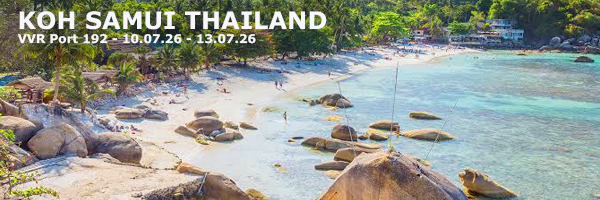
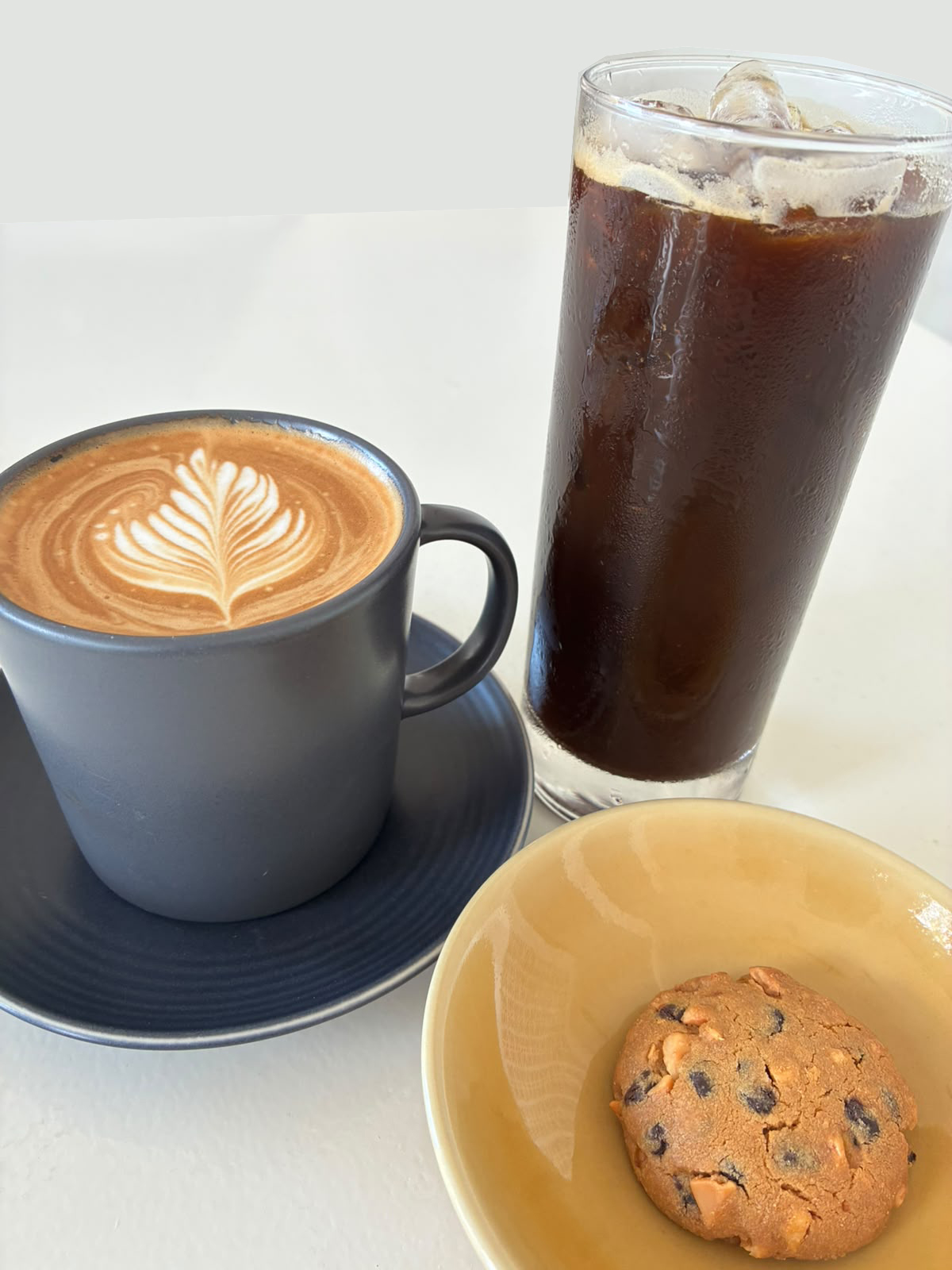
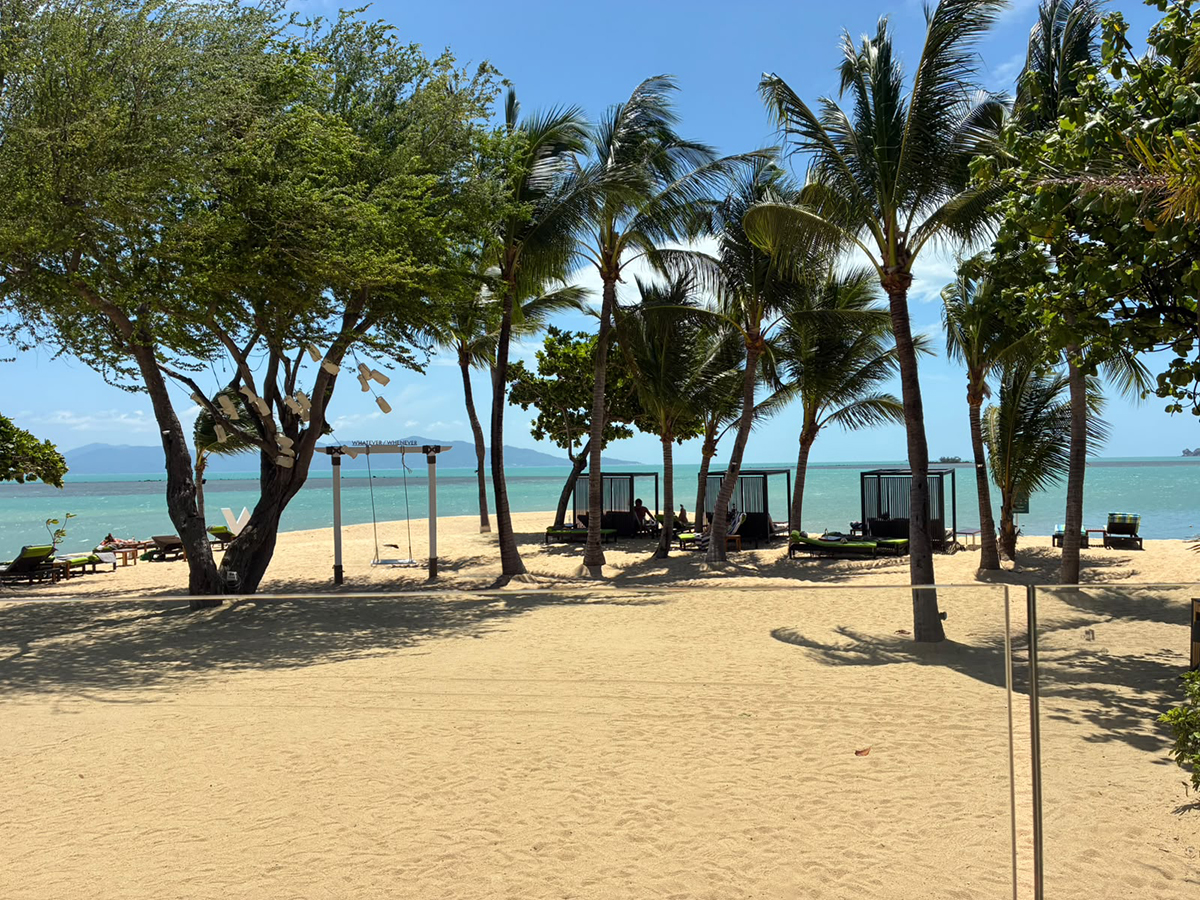
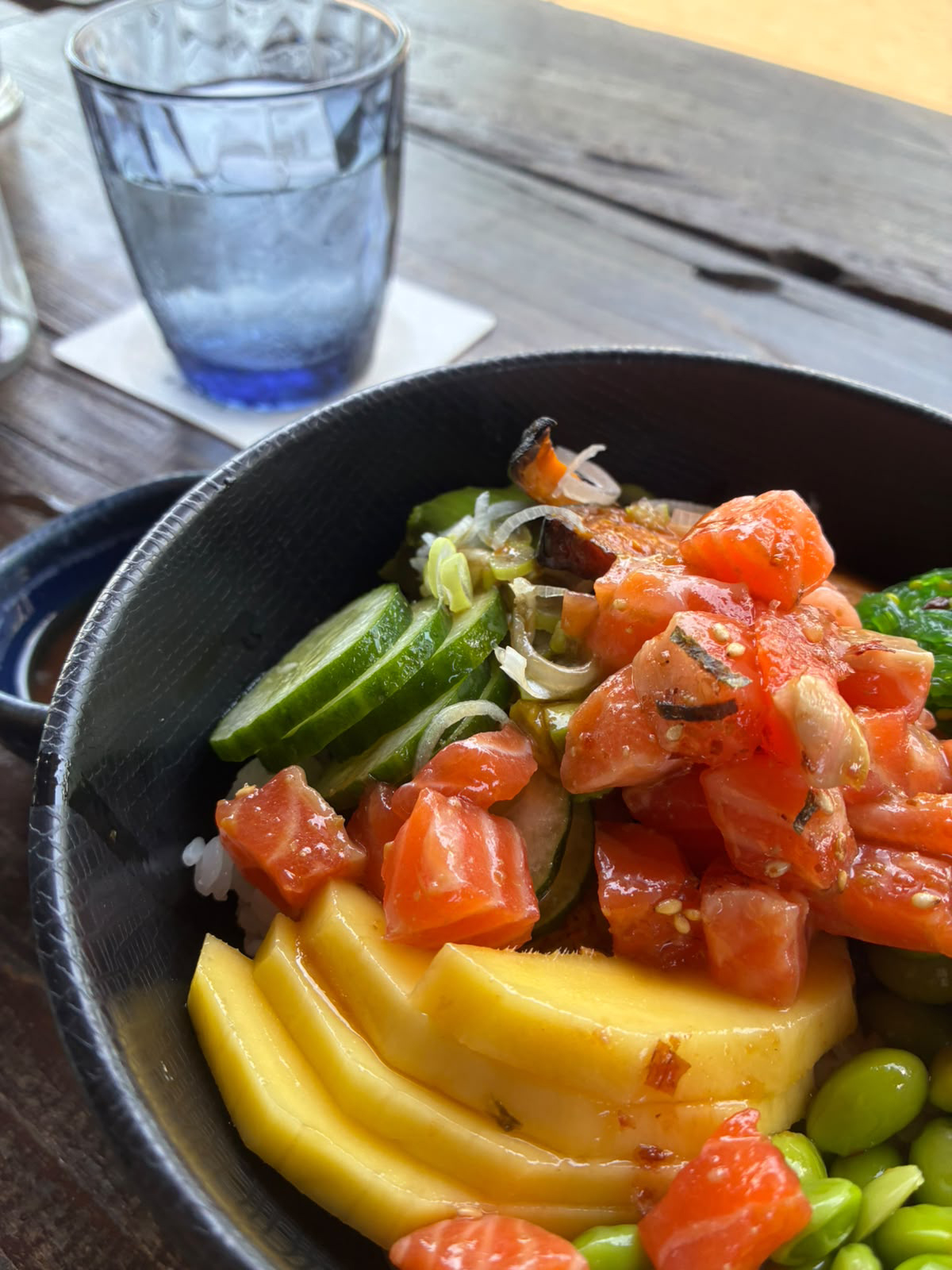
July 10-13, 2026 Marti Eicholz A Small Lantern from Nathon By eight in the morning, the Odyssey glides toward Koh Samui with the calm confidence of a vessel that has crossed many horizons and learned not to hurry. The sea unfurls around us in blue, pearl, and pewter, each ripple catching the strengthening light. For a moment, the water seems to remember dawn, lifting it slowly to the surface. Ahead, Nathon gathers on the island’s western edge, not announcing itself but emerging by degrees: a pale wash of lavender and green, a scatter of rooftops, then the working shoreline where wooden boats rock in their moorings and nets hang in the morning air. There is nothing theatrical about it, and that is its beauty. Nathon is the island’s pulse, not its performance, a place where life moves at the pace of tide, hands, and breath. The Odyssey anchors beyond the town’s working shoreline, and a quiet pause settles over the morning. The ship becomes a lantern on the water; the island, a warm murmur of roofs, palms, temple bells, and waking kitchens. Together, they form a gentle duet: sea and shore, vessel and land, journey and rest. The timing feels almost ceremonial. Koh Samui has just been crowned the world’s best island in Travel + Leisure’s 2026 World’s Best Awards, a first-time honor that seems less like a surprise than a confirmation of what the island has long known about itself: that beauty here is not merely polished into resorts and beaches, but rooted in coconut groves, jungle paths, waterfalls, fishing communities, and the slower grace of everyday life. Tender boats drift toward shore, engines murmuring beneath the slap of water against the hull. As we slow, the air changes. Morning light spills across the waterfront, softening buildings, gilding corrugated roofs, and turning passing figures into loose brushstrokes. Salt mingles with charcoal from early cooking fires, ripe fruit, fish just lifted from the sea, and the faint sweetness of coconut milk warming somewhere unseen. The old pier’s shadows stretch into the water. Its wooden planks, weathered by years of arrivals and departures, seem to hold traces of footsteps and stories. The diesel hum of boats returning from the night’s work moves through the air like an honest welcome, intimate and unpretending. The island offers its breath before its voice. We step ashore. The streets are narrow, sun-faded, and textured with small gestures: shutters creaking open, sandals scuffing over concrete, a kettle beginning to sing behind a doorway, a dog turning once before settling back into sleep. Nothing here feels shaped for us. It feels shaped by hands, tides, weather, and repetition, deeply belonging to itself. That is what makes Nathon unusual, and quietly beautiful. The island is honest. Its rhythms are human-sized. A fisherman stands knee-deep in the tide, rinsing his nets. Water falls in silver threads, catching the dawn. His hands move with practiced tenderness, lifting and loosening the mesh as the tide taps against his legs. Nearby, a vendor lights a small lamp even though the sun is rising: habit, ritual, devotion. Cargo is unloaded by hand. Conversations drift through open doorways. The sea is not scenery or backdrop; it is livelihood, companion, constant. As we watch, the island seems to breathe with the tide. The market, alive with the island’s appetite, begins to stir, durian stacked like spiked green planets, coconuts piled in soft pyramids, dried fish flashing like silver leaves, chilies red as embers, herbs bundled in fragrant fistfuls, and coconut ice cream melting faster than anyone can eat it. Nothing feels managed; everything is immediate, fragrant, and real. A woman at a food stall slices mango with jeweler-like precision, her knife flashing each time it catches the sun. The fruit glows in her hands, golden and slick with juice. She hums while she works, and the scent of mango drifts toward me, braided with steam from rice, smoke from charcoal, and the briny breath of the harbor. A child clutches a schoolbag on the back of a motorbike, still half-asleep, cheek pressed against his mother’s shoulder. She balances a tray of steaming rice porridge beside him and brushes a strand of hair from his forehead. The motorbike trembles softly beneath them, ready to carry the morning forward. A shopkeeper sweeps the front of his store, the broom whispering across the concrete. Every few strokes he pauses, leaning on the handle and gazing toward the harbor, where the Odyssey shimmers in the distance. A monk walks along the still street, saffron robes glowing in the newborn light. People step forward with offerings: rice, fruit, a folded note. The monk’s bowl fills slowly, each gift placed with care. A child chases a paper kite that flutters like a fragile bird, dipping and lifting above the road as if tugging the whole morning into play. The temples captivate: small, tranquil, and touched by incense. Their roofs lift above flowering shrubs; gold leaf glimmers in doorways; smoke curls from bowls and thins into the heat. They feel less like destinations than pauses, places where the island lowers its voice. An elephant sanctuary offers another kind of quietness, one that asks us not to consume wonder but to stand respectfully beside it. There are no performances, no rides, no spectacle arranged for applause. Instead, there is the soft thunder of huge feet on earth, the slow sweep of trunks over baskets of fruit, the patient intelligence of eyes that seem to have remembered too much and forgiven more than they should. To visit is to learn the difference between proximity and possession: to feed, to watch, to listen, and then to step back so these rescued animals can move through shade, dust, water, and grass on their own terms. Nathon is not about doing; it is about noticing. What one does here is slow and softly meaningful: walking the waterfront in late afternoon, when the heat loosens its grip; sitting at a small café with a cold drink beaded in condensation, watching ferries arrive and depart; visiting the night market, where lanterns glow and the air thickens with spice, smoke, grilled seafood, sugar, and laughter. I drift through backstreets where cats sleep on motorbikes and bougainvillea spills over walls in unruly magenta and coral. Travel is not always crescendo. Often it is the mild, luminous interlude between two brighter notes, the pause that allows the next chapter to gather breath. As the morning opens fully, the sky shifts from pearl to gold, then to a clear blue, and offshore the Odyssey glows, steady and serene. Its white decks catch the light; its reflection trembles across the water. Ship and town seem to speak across the harbor, their confidences carried by the tide. By evening, the sky deepens into indigo, and the lamps along the waterfront begin to flicker. The Odyssey glows offshore, its reflection trembling on the dark water, while Nathon offers its gentlest gift: not spectacle, not urgency, but the rare permission to grow still enough to receive the world. I carry that stillness with me, as if the island has placed a small lantern in my hands and asked me to keep it lit. |
|
Copyright © 2026 All rights reserved |