|
|
||
 |
 |
 |
 |
 |
 |
 |
||
|
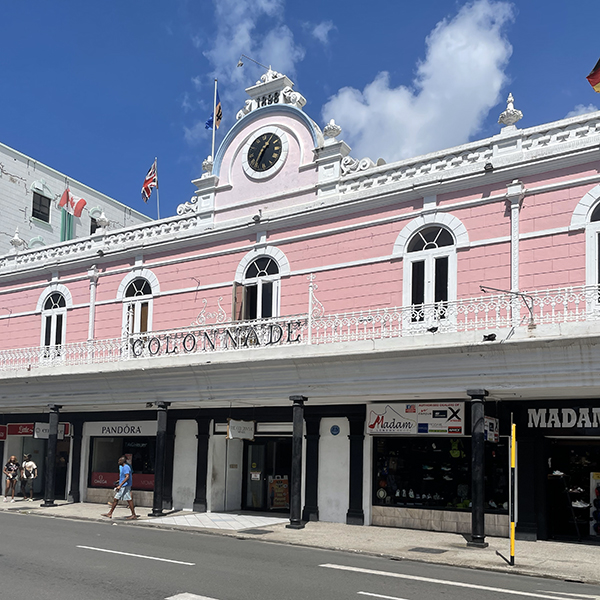
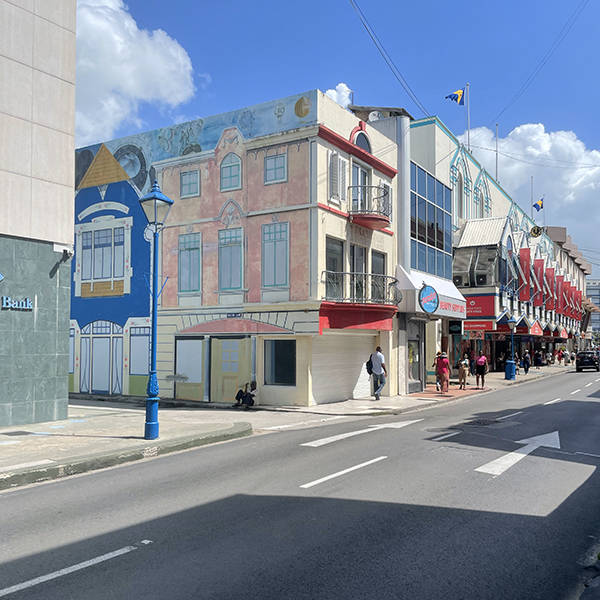
November 14, 2024 Marti Eicholz The Caribbean, often referred to as the West Indies, is not a single nation but rather a vibrant and diverse region. This area is characterized by a sweeping chain of crescent-shaped islands that act as a natural border separating the Gulf of Mexico from the Caribbean Sea. The region encompasses the Caribbean Sea itself and over 7,000 islands, including not just major landmasses but also countless islets — small, rocky islands — as well as cays, which are low-lying islands formed from coral or sand, and even a few inhabited reefs. Of these thousands of islands, thirty are recognized as distinct territories, each boasting its own unique culture and historical background. Despite their individual histories, these territories are united by shared experiences of slavery, plantation economies, colonization, and the development of a rich, intertwined culture — reflected in their food, music, and everyday lifestyles. Caribbean culture is renowned for being a dynamic melting pot, where a multitude of languages, culinary traditions, musical styles, and customs blend seamlessly. The result is a strikingly beautiful fusion of colonial influences and indigenous heritage, with each island’s culture shaped by its own social and historical journey. This remarkable diversity is what gives the Caribbean its distinctive identity, making it an exciting destination full of character and color. Visiting the Caribbean offers you a wealth of unforgettable experiences. The region is famous for its breathtaking beaches, lively and rhythmic music and dance traditions, and festivals that burst with energy and color. Visitors can also enjoy idyllic landscapes featuring lush greenery and turquoise waters, bask in a warm tropical climate, explore a fascinating tapestry of cultures, and marvel at rich marine biodiversity. The welcoming spirit of the Caribbean people further enhances the appeal of this remarkable locale. Caribbean cuisine is centered on bold flavors and fresh ingredients, with seafood and jerk seasoning — an intensely spicy dry or wet rub commonly applied to chicken or other meats — at the heart of many dishes. Popular foods include chicken with rice, savory goat stews, and Cuban sandwiches, reflecting the region’s creative culinary fusion and deep-rooted traditions. Despite its beauty, the Caribbean faces significant challenges as one of the most disaster-prone regions in the world. Increasingly severe weather events, including hurricanes and heavy flooding, frequently cause widespread damage to infrastructure, resulting in prolonged outages and costly repairs. These challenges underscore the resilience and adaptability of Caribbean communities in the face of adversity. BARBADOS, situated in the very heart of the Caribbean, is particularly famous for its sparkling crystal-clear waters, vibrant culture, and the genuine warmth of its people. This captivating island is both compact and accessible, measuring just 21 miles in length and 14 miles at its widest point, making it easy for visitors to explore its many attractions within an hour or so. Barbados stands out as a welcoming and dynamic destination that embodies the best of Caribbean hospitality and charm. Barbados proudly claims the title of the culinary capital of the Caribbean, attracting food lovers with its vibrant and diverse cuisine. The island’s landscape is notably flat, and its entire west coast stretches for 21 miles along a breathtaking ribbon of flawless white sands and sparkling, jewel-toned waters. This picturesque shoreline offers visitors endless opportunities to relax, swim, or simply soak up the sun in an idyllic setting. Venture north and you’ll discover a side of Barbados that remains unspoiled and genuine, where many locals — affectionately known as Bajans — make their homes. The northern region exudes authenticity, with its raw landscapes and welcoming communities that provide a true sense of Barbadian culture. On the south coast, in the parish of Christ Church, lies Silver Rock Beach. This unique stretch of shoreline features high sand banks and fascinating shipwrecks or abandoned vessels, creating an intriguing backdrop for beachgoers. It’s an ideal spot for swimming, windsurfing, bird watching, or simply hanging out with friends and family while appreciating the cool breeze and Atlantic views. St. Nicholas Abbey, located in the north, stands as one of the island’s architectural and historical gems. Embark on a nostalgic journey aboard a steam locomotive, winding through 400 acres of lush sugar cane fields and majestic mahogany woods. As you wander the estate, you’ll be captivated by the brightly colored historic houses dotting the landscape, surrounded by vivid tropical vegetation that creates a jungle-like atmosphere. At the Rum Distillery, copper stills help capture the essence of the fermentation process, and aging in bourbon barrels imparts a rich, divine flavor. The Great House showcases an impressive array of 18th and 19th-century furnishings, artwork, and even an eclectic chandelier crafted from seashells. Don’t miss the opportunity to explore the museum and peaceful courtyard, where the resident cockatoos often greet visitors with a friendly “Hello.” Barbados boasts a number of fascinating tidbits — it is widely recognized as the birthplace of rum, holds the distinction of being the wealthiest Caribbean island, and is affectionately called the “Land of the Flying Fish.” The Caribbean region is steeped in history and adventure, with countless hidden gems and activities waiting to be discovered across its many islands. Tomorrow morning, our ship will dock at another enchanting port in this magical archipelago — a land of swaying palm trees, pristine white sand beaches, shimmering turquoise waters, and endless sunshine: Grenada. |
||
|
Copyright © 2024 All rights reserved |
||