|
|
||
 |
 |
 |
|
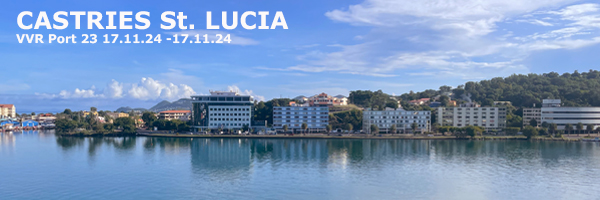
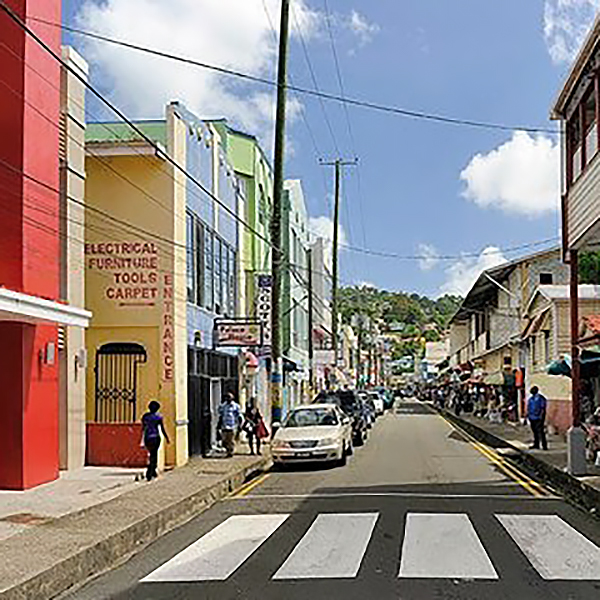
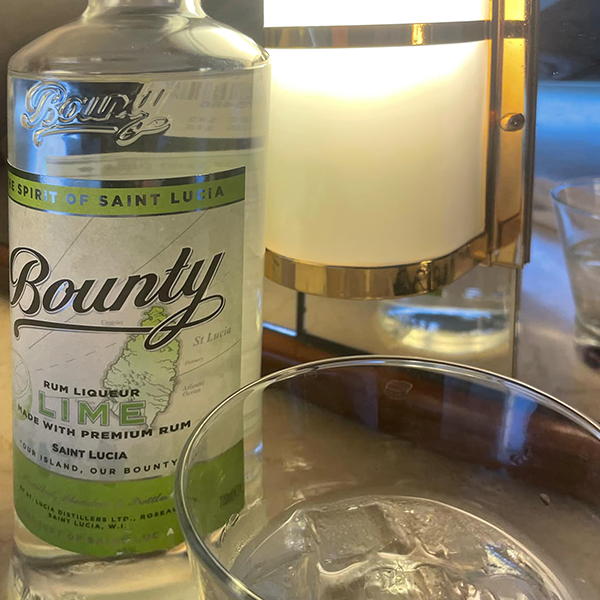
November 17, 2024 Marti Eicholz Continuing the journey through Saint Lucia, the next destination is Castries, the island’s bustling capital, greeting us with a refreshing rain shower, Castries is the heart of commerce and activity. Built on reclaimed land and meticulously designed in a grid pattern, the city sits within the Castries quarter and features a deepwater harbor that has long served as a vital hub for trade and transportation. Originally called “Carenage” by the French founders in 1650, the city’s name was changed in 1756 to honor a notable French commander. Today, Castries exports key goods such as bananas, cocoa, and rum, supporting the local economy. Castries is celebrated not only for its commercial significance but also for its scenic beauty and historic relevance. Visitors can enjoy lively markets, striking architecture, and a vibrant culinary scene filled with charming cafes, restaurants, and bars. The city’s dynamic atmosphere, set against a backdrop of Caribbean splendor, makes it a must-visit stop for anyone exploring Saint Lucia. Castries offers a vibrant and authentic experience, with its bustling local markets providing the perfect opportunity to immerse yourself in the island’s everyday life. Here, haggling and bartering are not only encouraged but are part of the fun, as you interact with friendly vendors selling fresh produce, handmade crafts, and unique souvenirs. After exploring the markets, unwind at Vigie Beach, where golden sands and tranquil waters invite relaxation, or venture into the lush rainforest for an exhilarating adventure through Saint Lucia’s verdant interior. Strolling through Derek Walcott Square, you’ll find a lively gathering spot in the heart of the city, dedicated to the Nobel Prize-winning poet and playwright, Derek Walcott. The square serves as both a tribute to his enduring legacy and a hub for cultural events and local gatherings. The nearby St. Lucia National Museum, located in the city center, showcases a diverse collection of artifacts, each telling a piece of the island’s rich and complex history and culture. History enthusiasts will appreciate a visit to Fort Charlotte, an 18th-century fortress perched on a hilltop with panoramic views of Castries and the surrounding landscape. Its strategic location and well-preserved structure make it a fascinating glimpse into the island’s colonial past. Reflecting on the past two days in Saint Lucia, it’s clear that this small but remarkable nation is a tapestry of cultures, religions, music, languages, and flavorful cuisine. The majority of Saint Lucians are descendants of black Africans, and their heritage is woven into every aspect of daily life. The island’s captivating culture, diverse wildlife, dense rainforest, and majestic mountains contribute to its unique charm. Despite its modest size, Saint Lucia’s history of global settlement has enriched it with a vibrant and multifaceted culture. |
||
|
Copyright © 2024 All rights reserved |
||