
|
|
 |
 |
|
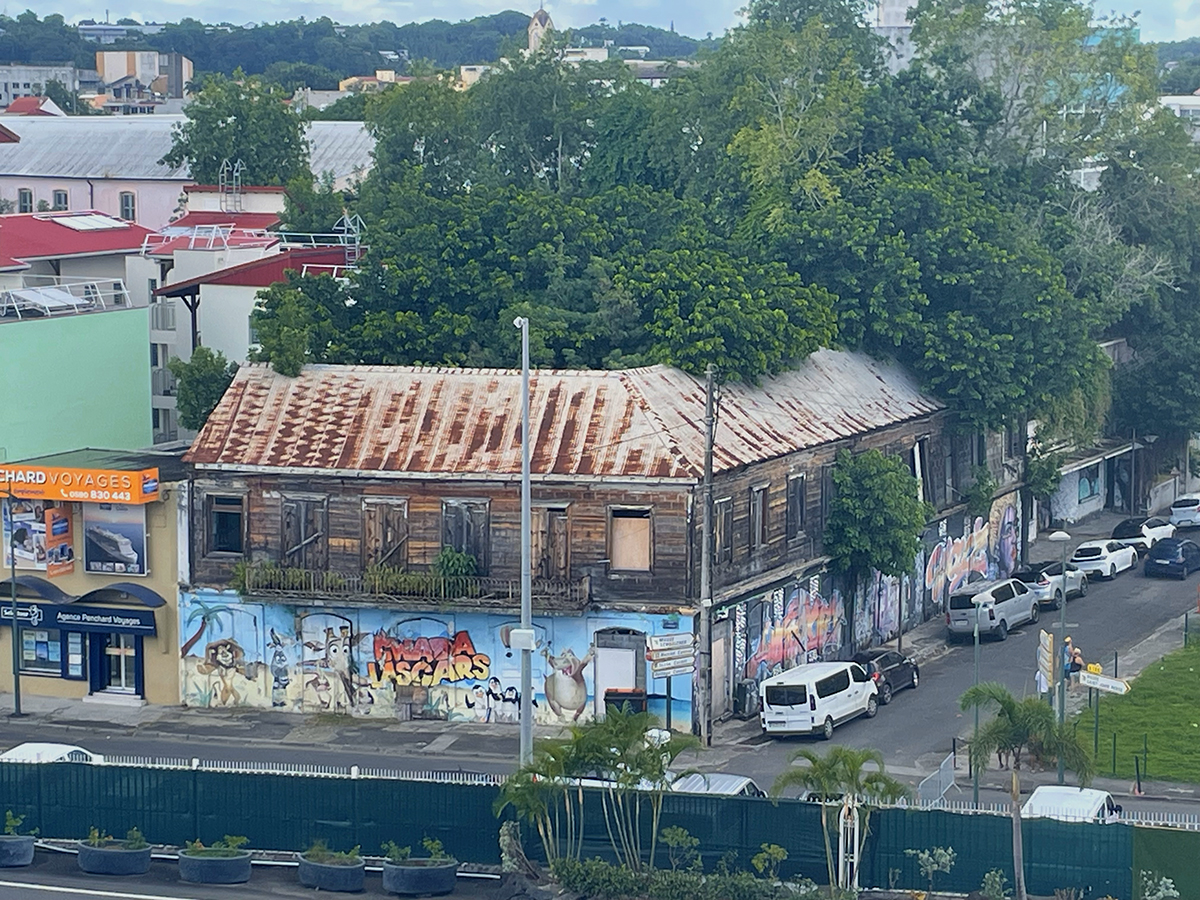
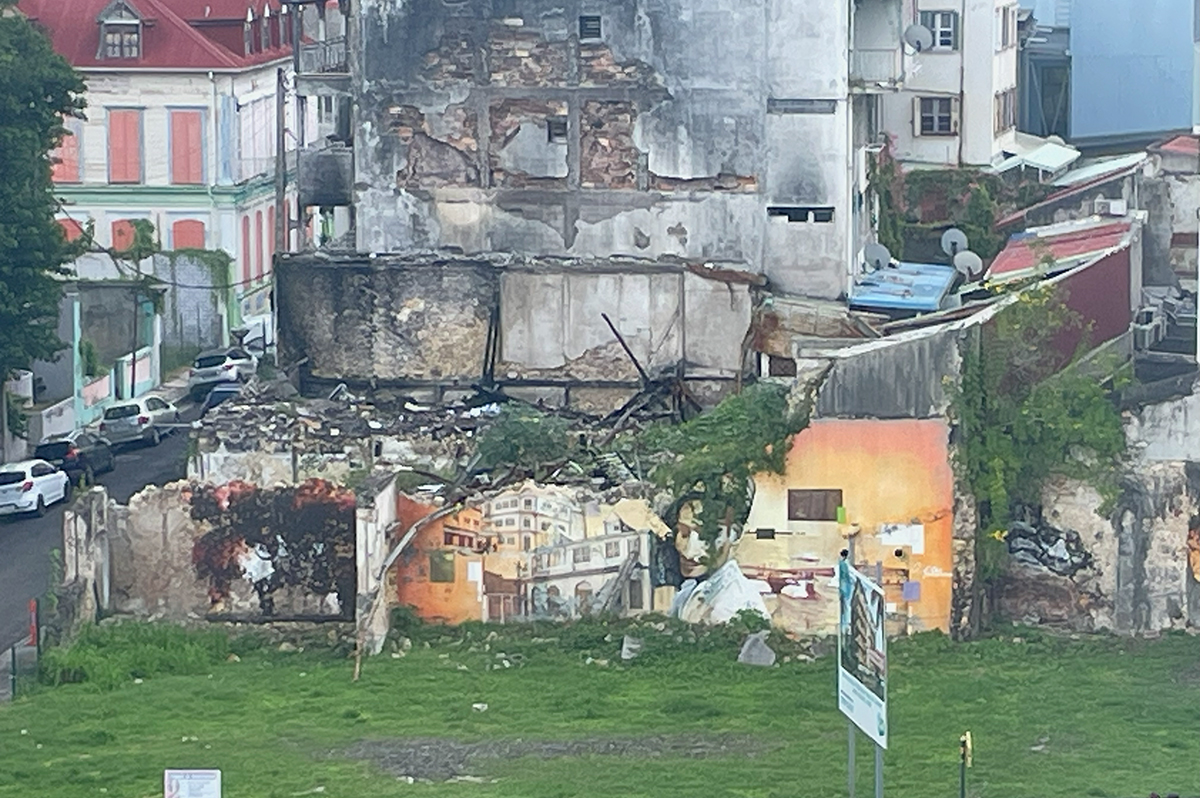
November 22–23, 2024 Marti Eicholz Our voyage aboard The Odyssey brought us to the enchanting island of Guadeloupe, whose unique butterfly shape makes it instantly recognizable from above. The island is split into two distinct regions: Basse Terre, forming the lush, mountainous western wing, is dominated by dramatic volcanic peaks shrouded in dense rainforest, while the eastern wing, Grand Terre, contrasts with its flat terrain, bustling towns, and stretches of pristine white sandy beaches. Each side offers a different glimpse of the island’s natural beauty and character. Guadeloupe’s history is rich and complex. Once a French colony, it remains an overseas region of France, though it is now recognized as the nation’s poorest region. The Euro is the local currency, and French is spoken everywhere, giving visitors the feeling of being in a far-flung corner of Europe. Many people may recognize Guadeloupe as the inspiration for the fictional island of Saint Marie, the backdrop for the hit TV series “Death in Paradise.” Stepping ashore, the vibrancy of Guadeloupe is immediately apparent. The island is often called “The New Orleans of the Caribbean” due to its lively ambiance, colorful traditions, and deep musical roots. Pointe-à-Pitre, the capital, is a city alive with energy, from the bustling seafront markets at Le Marché de la Darse, where vendors sell everything from fresh produce and local spices to bright towels and artisanal rum, to the lively rhythms of drumming bands. The ironwork cathedral, Cathedrale de St-Pierre et St-Paul — also known as the “Iron Cathedral” — stands as a testament to the island’s resilience, its structure fortified with iron girders to withstand hurricanes and earthquakes, an innovation reminiscent of Gustave Eiffel’s engineering genius. Exploring Pointe-à-Pitre reveals a charming blend of French Caribbean architecture. Wandering the streets, you’ll encounter traditional Creole houses painted in a dazzling array of colors, their wooden facades tucked away on quiet backstreets, adorned with lovingly tended flowers that spill from balconies and window boxes. While some parts of the city may appear a bit worn, this gentle decay only adds to its authenticity and charm, hinting at the stories and elegant lifestyles of days gone by. Historic colonial mansions, now softened by time and encroaching vegetation, evoke images of early 20th-century grandeur. One can still spot the island’s first cinema, now cleverly repurposed as a bar, and a beautifully preserved 1930s bandstand that brings to mind the elegance of a Parisian park. These landmarks, along with the city’s ornate bandstands and leafy avenues, create a sense of nostalgia and faded splendor. No visit to Pointe-à-Pitre is complete without a stroll through the Marché de la Darse. Here, the senses are awakened by the sights and sounds: local musicians fill the air with infectious rhythms while stalls overflow with tropical fruits, vegetables, fiery hot sauces, fragrant spices, and handmade crafts. The lively market scene is the heart of local culture, offering visitors an authentic, foot-tapping experience. Among the city’s landmarks, the Neo-Classical Cathedral of St-Pierre et St-Paul stands out with its sand-colored façade and iron framework. Though unremarkable compared to some European cathedrals, its unique construction and the bustling flower market beside it make it worth a visit. For those interested in history, the Memorial ACTe museum offers a powerful and moving exploration of slavery and colonialism, recognized internationally for its thoughtful exhibits and striking architecture. Adventure seekers can venture beyond the city to hike La Grande Soufrière, the island’s largest and still active volcano. The trek offers not only breathtaking views but also a chance to witness the raw, untamed power that has shaped Guadeloupe’s landscapes for millennia. Guadeloupe is a destination that captures the imagination and the heart, blending natural wonders, vibrant local life, and a fascinating colonial legacy into an unforgettable Caribbean experience. Food is truly one of the standout experiences in Guadeloupe. The island’s cuisine is a vibrant tapestry, weaving together flavors from African and French culinary traditions, while also drawing inspiration from Asian influences. Fresh seafood abounds, complemented by a dazzling array of tropical fruits and an abundance of aromatic spices, making Creole dishes both diverse and delicious. Locals and visitors alike choose rum as their preferred beverage, savoring the island’s rich distilling heritage. One delightful treat is the hand-cranked ice cream, a nostalgic nod to simpler times — it’s crafted the traditional way, churned in wooden barrels and sold right on the bustling streets, evoking memories of childhood joy. Guadeloupe, often called the “butterfly” island due to its unique shape, is a tropical paradise characterized by volcanic landscapes, French flair, pristine natural scenery, and a sense of untouched tranquility. It’s a place that feels far removed from the typical tourist path, making every visit a truly memorable adventure. Reflecting on the island’s butterfly motif, I see myself and my shipmates as butterflies, emerging from our cocoons and ready to embrace new beginnings. As our ship sets sail from the port of Pointe-à-Pitre, we eagerly head toward our next destination: St. Johns, Antigua, filled with anticipation for the adventures that await. |
|
Copyright © 2024 All rights reserved |
