|
|
||
 |
||
 |
||
 |
||
 |
 |
 |
 |
||
 |
||
 |
||
 |
||
 |
||
 |
||
 |
||
 |
||
 |
||
 |
||
 |
||
|
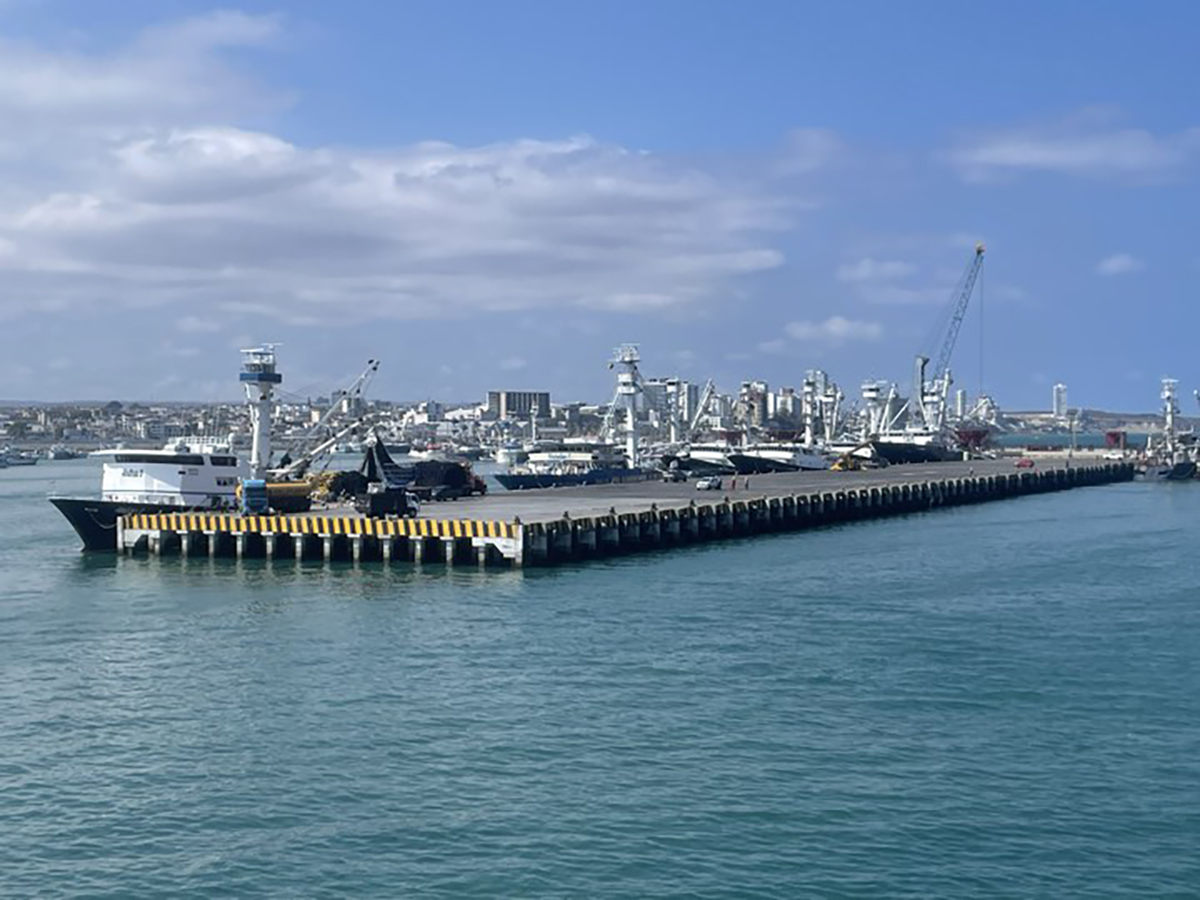
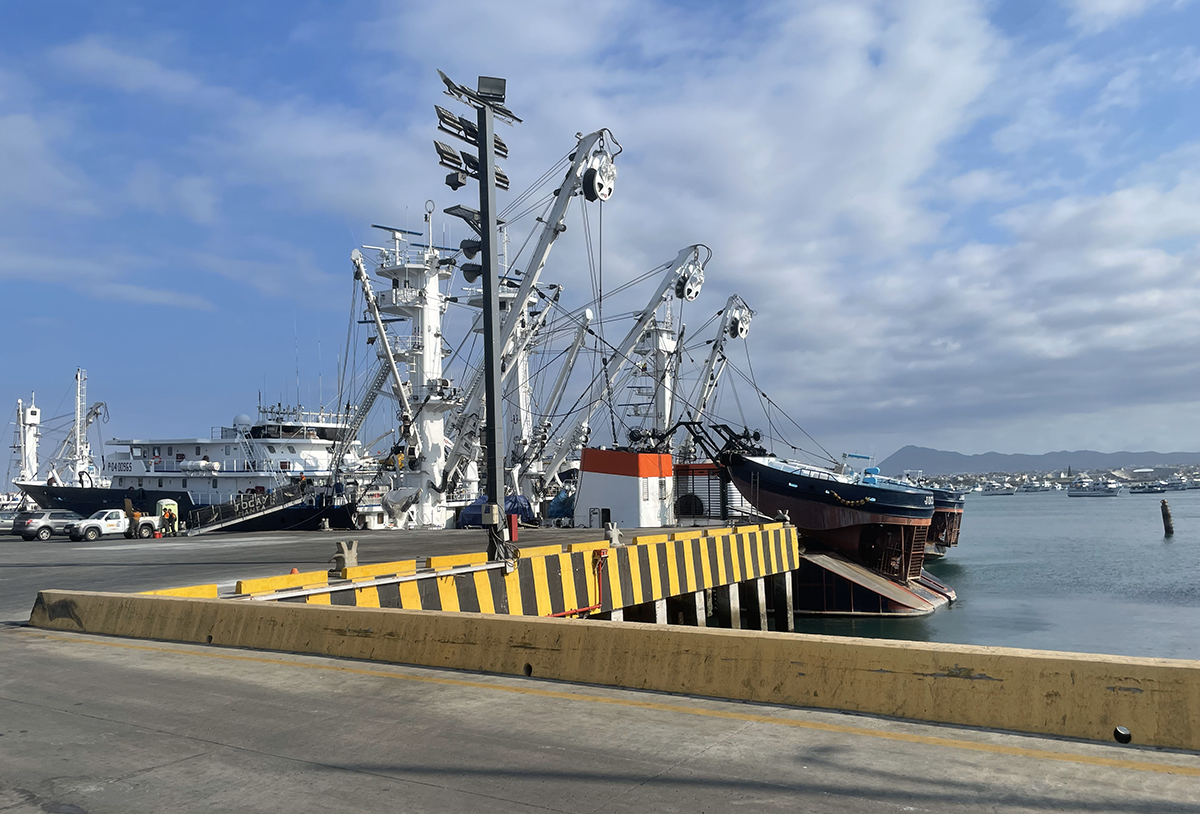
December 20–22, 2024 Marti Eicholz After departing from Panama and continuing our southward journey toward Ecuador, an unforgettable milestone awaited us: we crossed the equator, an imaginary line that divides the Northern and Southern Hemispheres. The equator itself passes directly through the country of Ecuador, whose very name is the Spanish word for “equator,” emphasizing its geographical significance. To commemorate this momentous event, the ship’s crew announced an upcoming “equator crossing ceremony,” also known as the King Neptune ceremony. This tradition, steeped in maritime lore, is both theatrical and playful, featuring elaborate stories about King Neptune, ruler of the sea, and a quirky initiation ritual for those crossing the equator for the first time. Newcomers, affectionately called Pollywogs, were initiated into the ranks of seasoned sailors — Shellbacks — by performing lighthearted tasks such as kissing a fish and having water poured over their heads. These symbolic acts welcomed them to the Shellback side, marking their official passage across the equator. Captain Val led the ceremony, offering a tribute to Neptune, while The Odyssey, our vessel, celebrated its very first line-crossing by receiving an “Equator Crossing Certificate.” This ceremony led me to wonder: if someone chooses not to kiss the fish, does their equator crossing somehow remain unofficial? The whole tradition is both amusing and a bit confusing! But what makes the equator so special? The earth’s rotation is responsible for the division of day and night, but countries situated on the equator enjoy a remarkable consistency — every day brings approximately 12 hours of daylight and 12 hours of darkness, all year long. Unlike regions with dramatic seasonal changes, equatorial nations experience almost no variation in day length or climate throughout the year. The equator traverses Ecuador and twelve other countries, many of which rank among the poorest in the world. These nations are united by their tropical climate, with consistently high temperatures and elevated humidity. The tropics are defined by two main seasons: a wet season, when heavy rains fall from May to October, and a dry season, when precipitation diminishes from November to April. On the late morning of December 21, we arrived in Manta, Ecuador — a bustling, mid-sized city with a population exceeding 300,000. Known locally as “La Puerta del Pacífico,” or “The Door of the Pacific,” Manta thrives on its energetic fishing industry, which serves as the backbone of the local economy. The city is recognized worldwide as a top tuna fishing port, earning the title “Tuna Capital of the World.” Manta’s tuna is exported to markets in Europe, Asia, and the United States, making it a crucial economic hub for Ecuador and a vibrant gateway to the Pacific Ocean. Thanks to its prime location along the Pacific coast, Manta’s residents benefit from a near-perfect climate year-round, blending the comforts of modern life with time-honored traditions and the warmth of its people. The city’s sense of community and hospitality is widely recognized, making it a welcoming destination for visitors and new residents alike. Locals proudly declare, “Beach Life is The Best Life,” a phrase that truly captures the spirit of Manta. This dynamic and rapidly developing city sits on Ecuador’s gorgeous coastline, renowned for its array of awe-inspiring beaches. Whether you prefer bustling public beaches filled with activity or hidden, tranquil stretches of sand where you might be the only soul for miles, Manta has something for everyone. Beach enthusiasts will find their haven at Playa El Murciélago. This lively urban beach is celebrated for its soft, golden sands, crystal-clear waters, and energetic vibe. It’s perfect for swimming, relaxing under the sun, or joining a friendly game of volleyball or soccer. The adjacent boardwalk is lined with an assortment of restaurants and bars, where you can savor local culinary delights like fresh ceviche while soaking in panoramic ocean vistas. If you’re seeking more of a laid-back experience, La Tarqui Beach offers a peaceful retreat. Known for its calm atmosphere, it’s an ideal spot to unwind and sample delicious seafood from the numerous local shacks scattered along the shore. Surfing aficionados shouldn’t miss San Lorenzo. Tucked away from the city’s hustle and bustle, this hidden gem boasts some of the most powerful and consistent waves on Ecuador’s coast. It has become a magnet for international surfers, hosting competitions and offering thrilling rides for both beginners and seasoned pros. Just over seven miles from Manta lies the charming town of Montecristi. This picturesque locale is celebrated for its artisanal craftsmanship, particularly the iconic ‘Panama hats’ — handwoven masterpieces that have gained worldwide fame. Visitors can also shop for traditional clothing, such as dresses and shirts, crafted with meticulous attention to detail. Art lovers will appreciate the Museo Centro Cultural Manta, which provides an immersive look into the region’s rich history and artistic legacy. The museum’s exhibits showcase traditional ceramics and textiles, offering visitors a deeper understanding of the Indigenous cultures and creative expressions that have shaped Manta’s identity over the centuries. For those fascinated by history and local heritage, the Museo del Banco Central is a must-visit. Here, you can explore fascinating pre-Columbian artifacts alongside striking examples of contemporary Ecuadorian art, tracing the region’s development from ancient times to the present day. Nature lovers will discover endless adventure in Machalilla National Park, a breathtaking coastal reserve renowned for its diverse landscapes and abundant wildlife. The park features scenic hiking trails, dramatic sea cliffs, and unique opportunities for wildlife encounters. A highlight is Isla de la Plata, often called a “mini-Galápagos,” where visitors can spot blue-footed boobies, sea lions, and other remarkable creatures. Machalilla is also home to species like howler monkeys, iguanas, and a wide array of exotic birds, making it a paradise for wildlife enthusiasts and birdwatchers from around the globe. Foodies will be in heaven in Manta, as the city is celebrated for its vibrant seafood scene. The local cuisine bursts with fresh flavors, reflecting both the bounty of the ocean and the lively spirit of the people who call Manta home. Whether you’re enjoying a casual meal at a beachside shack or dining in a sophisticated restaurant, the culinary experiences here are sure to delight your senses. Our time in Manta, Ecuador, offered a wealth of memorable experiences and intriguing discoveries. Manta stands out as an exceptional destination for anyone eager to explore authentic Ecuadorian handicrafts and collect distinctive coastal souvenirs. Its bustling markets overflow with vibrant goods — everything from the iconic Panama hats to intricate pieces of local art — each item reflecting the region’s unique flair and the skilled artistry of its people. Taking a leisurely walking tour through Manta’s shopping districts is a true delight. Along the way, you’ll encounter a variety of charming boutiques and small shops, each presenting a curated selection of treasures that showcase Ecuador’s rich cultural heritage and generations of craftsmanship. These encounters provide not only the chance to purchase keepsakes, but also to engage with local artisans and learn about the stories behind their work. Manta is more than just a cultural center — it’s also a gateway to some of Ecuador’s most extraordinary biodiversity. The city’s proximity to the vast Pacific Ocean means its marine life is remarkably abundant, making Manta a prime spot for anyone interested in marine exploration. Whether you’re snorkeling, diving, or simply observing from the shore, the region’s oceanic environments offer glimpses of vibrant underwater ecosystems teeming with life. These coastal and marine habitats are woven into broader Ecuadorian efforts to preserve the country’s natural wonders. Conservation initiatives around Manta strive to protect its diverse flora and fauna, ensuring that future generations can continue to marvel at the region’s remarkable wildlife and pristine landscapes. On a different note, Manta’s social fabric is shaped by a blend of religious traditions. Roman Catholicism holds deep roots in the city, reflecting centuries of history and cultural practice. However, Manta is also home to a growing variety of religious beliefs. Evangelical Protestantism, in particular, has gained prominence, with evangelical churches playing an active role in community life through social and educational programs. Notably, despite differing doctrines, these communities coexist harmoniously, and religious tolerance remains a defining feature of Manta’s society. As evening falls, the city comes alive with a vibrant nightlife that truly embodies local culture. The sounds of salsa, reggaeton, and other lively rhythms spill out from energetic bars and nightclubs, drawing both locals and visitors into a festive atmosphere. Dancing, music, and camaraderie ensure that Manta’s nights are as memorable as its days. Meanwhile, life on The Odyssey carries its own unique charm. The mood aboard the ship is a blend of celebration, nostalgia, and curiosity, as each day brings new adventures and unexpected encounters. The ever-changing cast of people and places adds an element of surprise to life at sea, making every moment feel fresh and full of possibility. One of the joys of being on The Odyssey is the freedom to let experiences unfold organically, rather than adhering to a strict schedule. For instance, some members of our ship’s community immersed themselves in nature by spending five days birdwatching high up in the Andes Mountains. Others embarked on an extended excursion to the Galapagos Islands, seizing the opportunity to explore one of the world’s most legendary destinations. As we bid farewell to Manta, Ecuador, our ship glows with the warmth and excitement of the holiday season, carrying forward the spirit of discovery and joy that has defined our journey. After a day at sea, we will dock in Puerto Bolivar, Ecuador. |
||
|
Copyright © 2024 All rights reserved |
||