|
|
 |
 |
 |
 |
 |
 |
 |
 |
|
|
|
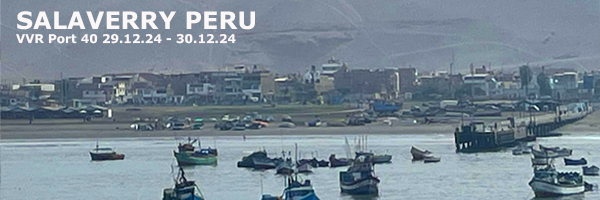
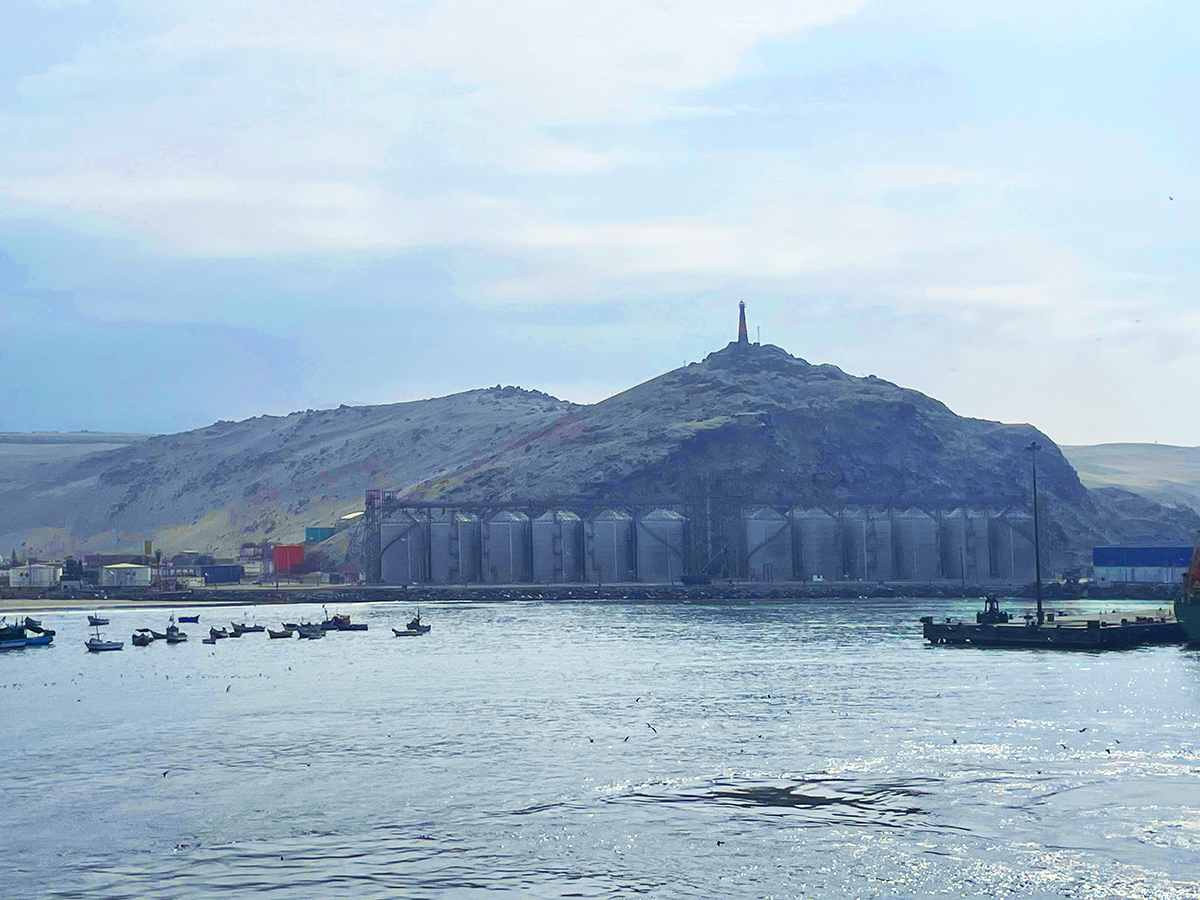
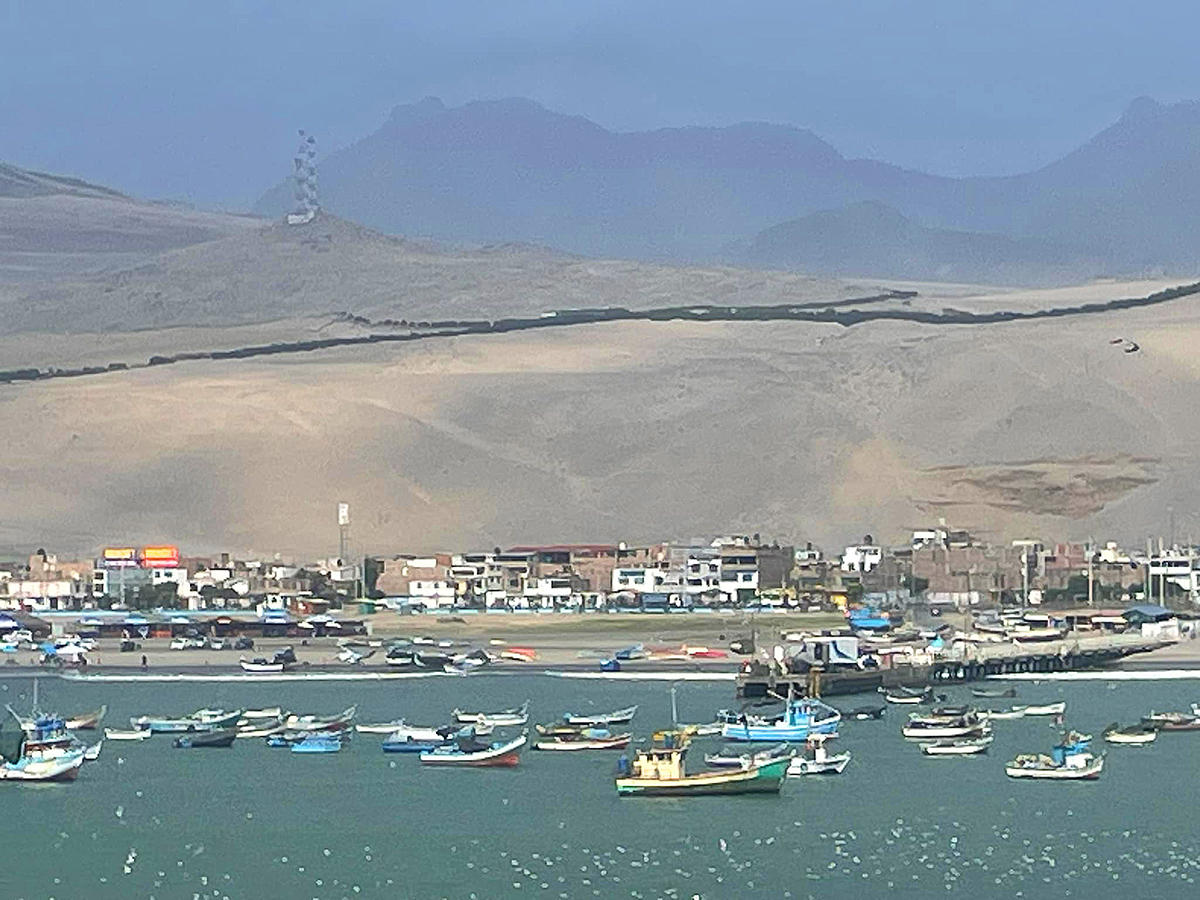
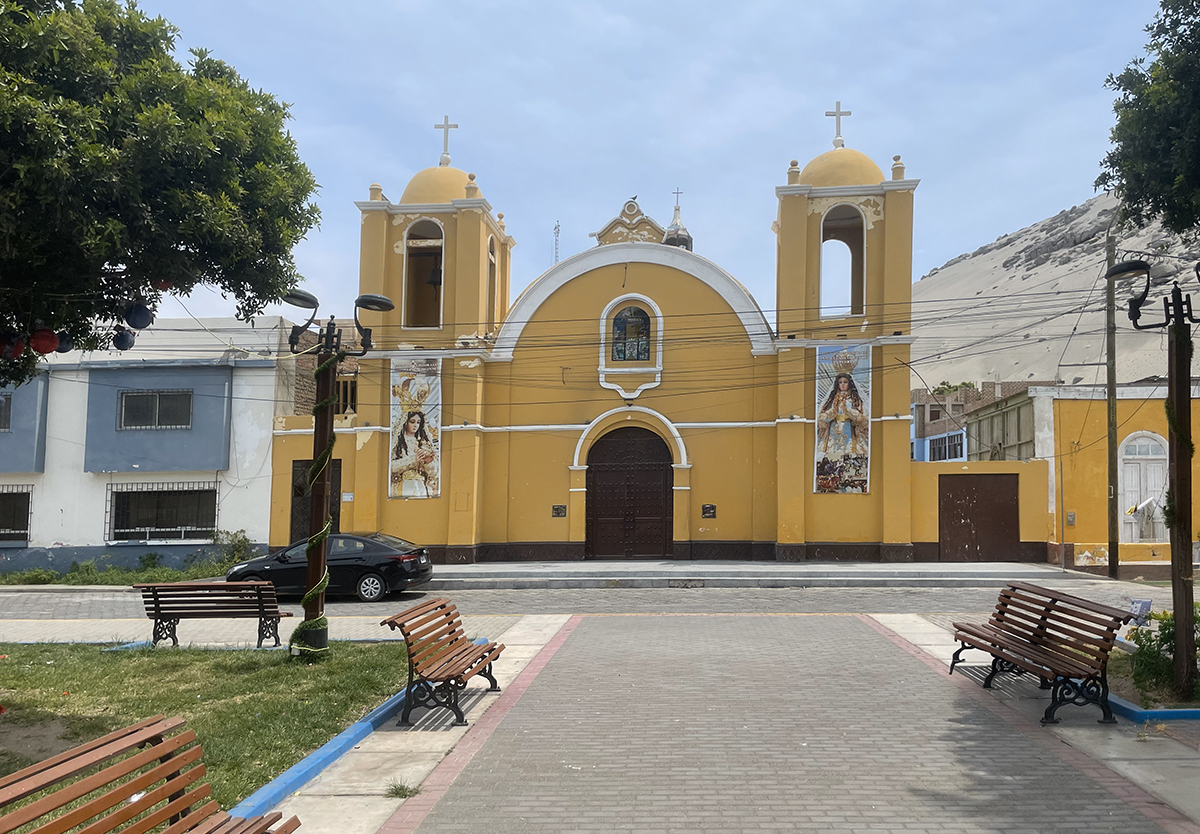
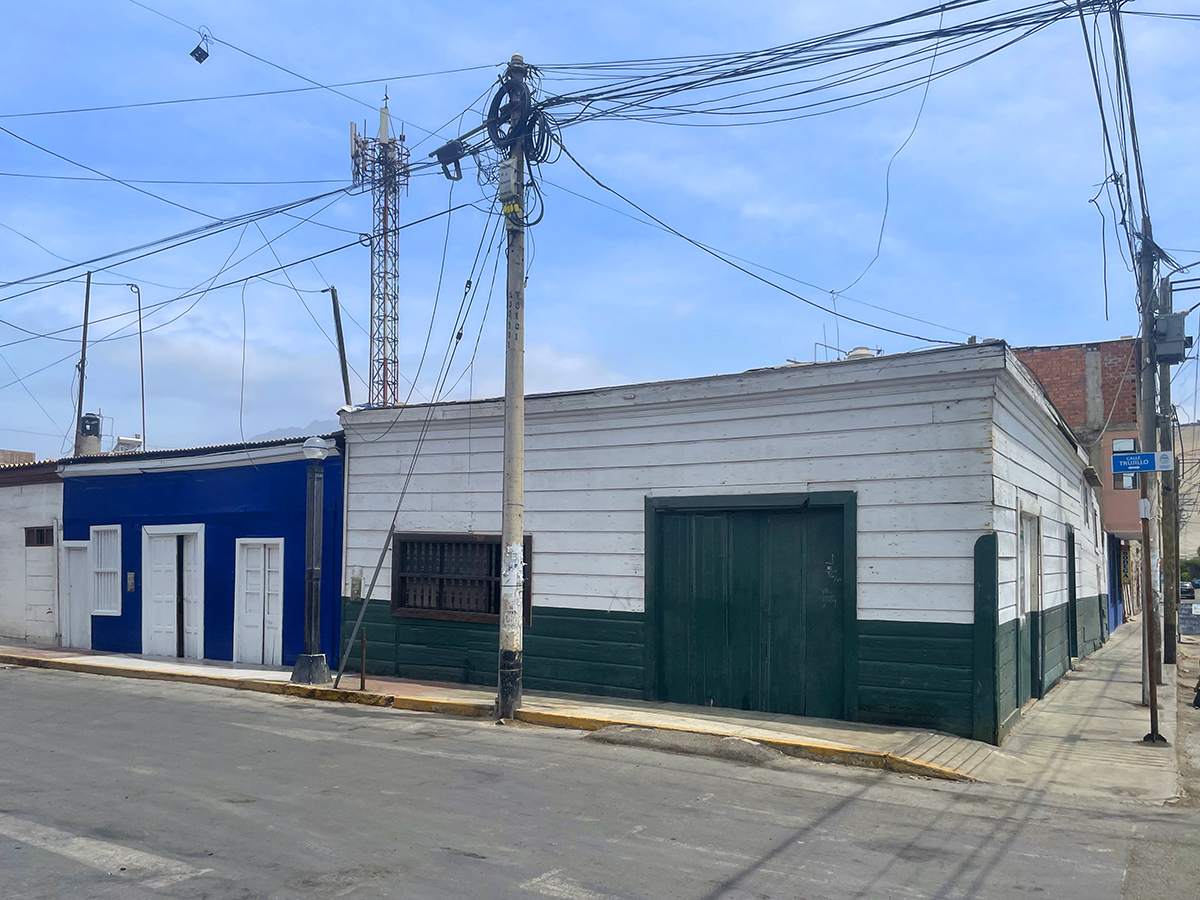
December 28–30, 2024 Marti Eicholz Our days at sea have settled into a pleasant and rejuvenating rhythm, where each moment is savored and every activity brings a sense of comfort and relaxation. Mornings begin with gentle stretches to awaken the body, followed by the familiar aroma of coffee and peaceful meditation. Meals are enjoyed leisurely, interspersed with strolls on deck, engrossing reading sessions, and restorative afternoon naps. Onboard lectures and live music performances add enriching variety to the routine, ensuring each day feels both restful and engaging. As The Odyssey docked at the port of Salaverry, we found ourselves near the enchanting city of Trujillo, Peru’s third largest urban center, with a vibrant population of approximately 800,000. Trujillo stands as a significant archaeological site, especially in the context of the pre-Inca era, and is renowned for its spectacular colonial architecture and storied history. The city was once home to the legendary liberator Simon Bolivar, whose revolutionary efforts in 1819 freed much of northern South America from Spanish rule. This region pulses with centuries of history, blending ancient civilizations and colonial grandeur. Salaverry serves as a gateway for travelers seeking to visit Machu Picchu, famously known as the “Lost City of the Incas.” Perched dramatically at 7,875 feet above sea level, Machu Picchu boasts an awe-inspiring 1,800-foot vertical drop. The site features remarkable stone structures crafted by the Incas, which were used for temples, sanctuaries, and residences, offering a glimpse into the ingenuity and artistry of this ancient civilization. It’s important to remember that the Incas were not the earliest inhabitants of Peru. The region was first settled by the Moche and Chimu peoples, who flourished throughout northern Peru from around 100 AD to 800 AD. The Moche left behind a rich legacy, most notably their intricate pottery artifacts, which continue to captivate archaeologists and visitors alike. The Incas didn’t arrive in this area until the 13th century, building upon the foundations established by these earlier cultures. Our visit to the Archaeological Museum, housed in a beautifully preserved 17th-century residence, provided a fascinating overview of the region’s heritage. The museum showcases an impressive array of artifacts, tracing local history back to the first human settlements some 12,000 years ago. Among the exhibits were exquisitely crafted ceramics, ancient mummies, and relics unearthed from the nearby Moche pyramids, each piece offering unique insights into the lives and customs of Peru’s earliest civilizations. Trujillo’s lively city center is a treasure trove of colonial architecture, featuring ornate landmarks such as the elegant city hall and several grand homes that once belonged to influential colonial families. The central plaza is anchored by the striking, ochre-yellow Basilica Menor Cathedral, a 17th-century masterpiece that stands as a testament to the city’s colonial past. The historic heart of Trujillo is easily navigable on foot, inviting visitors to wander and explore at their own pace. Local police officers are a reassuring presence throughout the city, diligently maintaining order and ensuring a safe, welcoming environment for both residents and visitors. At the center of Trujillo’s main square stands the impressive Freedom Monument, commemorating the city’s courageous distinction as the first in Peru to declare independence from Spanish colonial rule. The square is adorned with a vibrant array of buildings, their colorful facades illuminated by the sun, creating a truly spectacular visual feast. From the Plaza de Armas, one can easily reach numerous historic churches scattered throughout the nearby streets or simply enjoy a leisurely stroll around the city center. A scenic pedestrian boulevard, Paseo Peatonal Pizarro, extends from the right side of the cathedral, lined with inviting cafes, boutique shops, restaurants, and banks. This bustling thoroughfare is widely regarded as the sincere heart of Trujillo, where the city’s charm and vitality are on full display. No trip to Trujillo would be truly complete without exploring the fascinating pre-Columbian ruins located just outside the city. Among these ancient wonders, Chan Chan stands out as a must-see destination — not only is it the largest pre-Columbian city in the Americas, but it also offers a glimpse into the rich history of the Chimu civilization. Constructed around 900 AD, Chan Chan was a testament to the architectural ingenuity and cultural sophistication of the Chimu people. However, its prominence was relatively short-lived; in the late 15th century, the city fell to the expanding Inca Empire. Despite this, Chan Chan’s legacy endures, as it remains the world’s largest adobe (mud brick) city, an extraordinary achievement in both scale and preservation. Archaeologists believe that Chan Chan was once home to a population ranging from 30,000 to 100,000 people, making it a bustling metropolis of its time. The vast complex contains nine palaces, each reflecting the unique customs and hierarchical structure of Chimu society. Restoration and excavation efforts are ongoing, but visitors today can explore the partially restored Nik An Palace, which offers a window into the city’s former grandeur. Serving as the administrative, political, and commercial heart of the Chimu Kingdom, Chan Chan was designed with several equally important palaces rather than just a single main palace. This arrangement was rooted in the Chimu tradition: when a king passed away, his successor would not inhabit the old palace but instead construct a new one, further expanding the city’s intricate layout. The site also holds deep spiritual and ceremonial significance. Chan Chan was a major burial ground, and evidence suggests that the Chimu practiced ritual sacrifices of animals and humans. Notably, upon the death of the king, all his wives were reportedly poisoned and interred within the complex, highlighting the somber and complex rituals surrounding Chimu royalty. Located along the northern coast of Peru, Chan Chan benefited from the region’s warm, arid climate, which made dried mud bricks an ideal building material. This innovative choice helped the structures endure for centuries. However, changing weather patterns, sporadic heavy rains, and the destructive El Nińo phenomenon have taken their toll, leaving many of the palaces eroded and resembling little more than mounds of earth. Another notable archaeological site nearby is Huaca Arco Iris, also known as the Rainbow Temple. This Chimu temple, dating back to the 12th century, earns its nickname from the vibrant rainbow motifs that adorn its walls, further illustrating the artistic legacy of the Chimu culture. Huacas del Sol y de la Luna, also known as the Temples of the Sun and Moon, represent remarkable achievements of a civilization that flourished in the region long before the rise of the Chimu dynasty — almost seven centuries earlier. While the Chimu are credited with constructing the impressive city of Chan Chan, it was the Moche culture that built these extraordinary temples. The Huacas del Sol y de la Luna are enduring testaments to the ingenuity and artistry of the Moche period. Situated just five hundred meters apart, the Temple of the Sun and Huaca de la Luna (Temple of the Moon) stand as neighboring monuments that reveal much about Peru’s ancient history. After the initial construction of the Temple of the Moon, the Moche people followed a fascinating tradition: every hundred years, they would cover the existing temple entirely with mud and then build a new, larger temple atop and around the previous structure. This careful process ensured that the paintings adorning the outer walls of earlier temples remained perfectly preserved beneath the new layers, providing a vivid window into the past. Archaeologists have uncovered six distinct layers, which means six separate temples, at the Temple of the Moon. In certain areas, visitors can actually see the walls of these ancient structures, stand side by side, bridging centuries of history. To recharge during your journey through Peru, be sure to sample some of the country’s signature cuisine. Dishes such as Guinea pig, a traditional Andean delicacy, and chifa cuisine — a flavorful fusion of Peruvian and Chinese influences — offer a unique culinary experience. Along the coast, Peru is renowned for ceviche, a dish made from raw fish marinated in tangy citrus juice, seasoned with a blend of spices, and garnished with fresh coriander and sliced onions. As the year draws to a close, I’m making space this week to sit quietly and reflect on the magic woven throughout my life, savoring the journey before welcoming a new chapter. Although 2024 brought its share of challenges, often feeling as though the world itself was testing my limits, I found comfort in the simple act of greeting each new day. Even when progress seemed elusive, I am grateful for the resilience that allowed me to persevere when circumstances were tough. Now, as we sail toward Callao, Peru, our captain and local port authorities are keeping a close watch on the high seas and changing weather conditions, ensuring a safe and smooth passage for all aboard. |
|
Copyright © 2024 All rights reserved |