|
|
|
|
 |
|
|
 |
 |
 |
 |
 |
 |
 |
 |
|
|
|
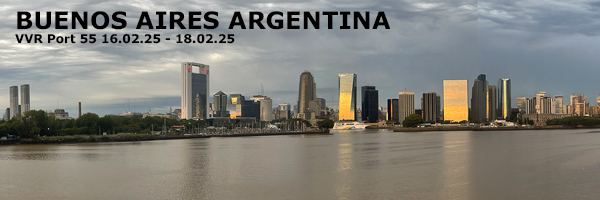
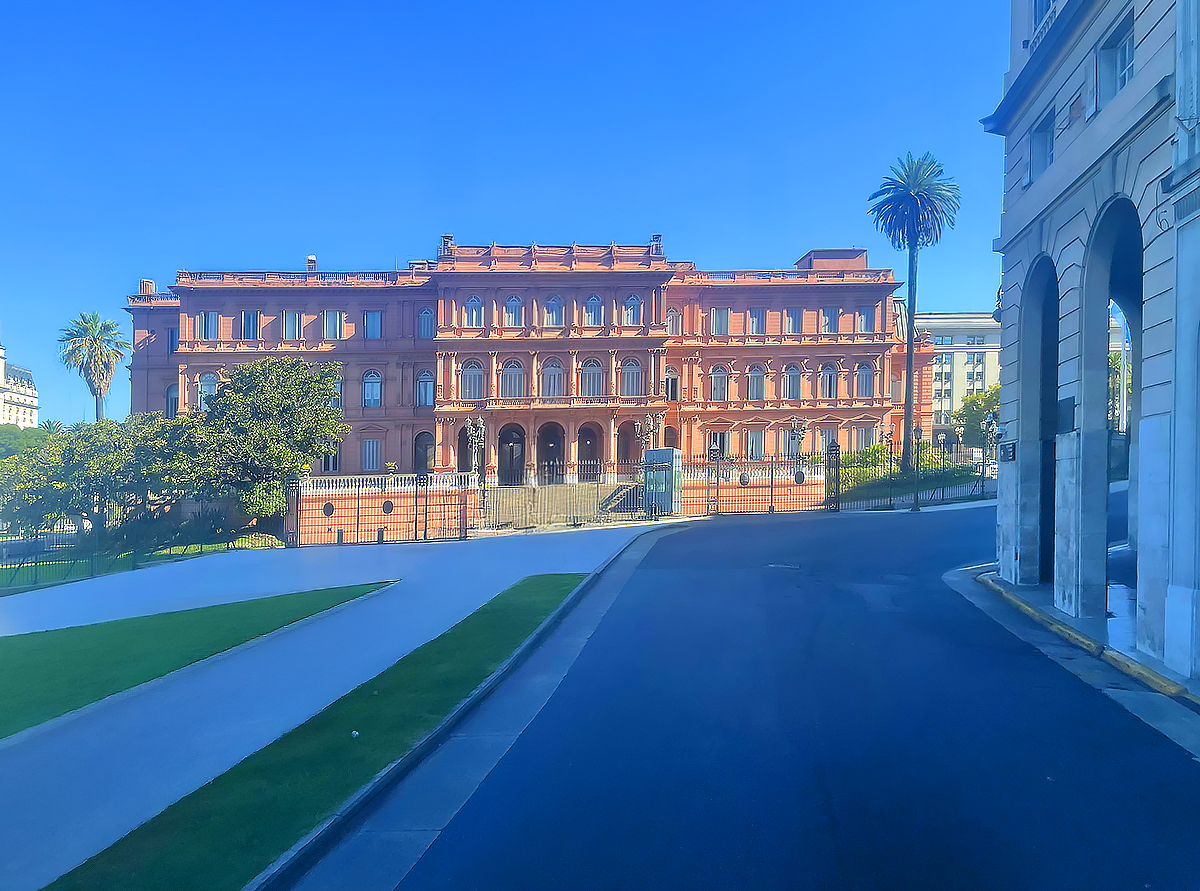
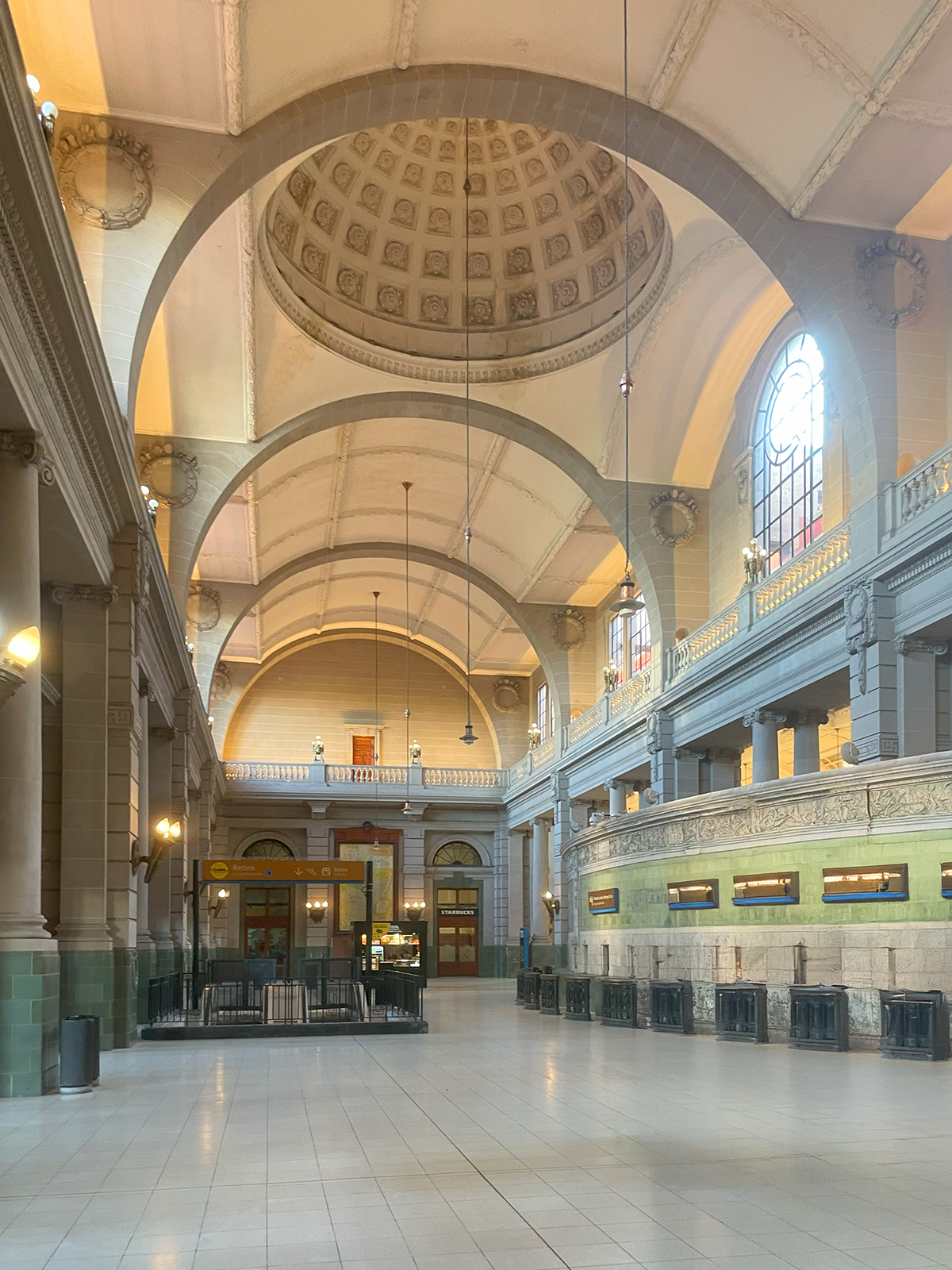
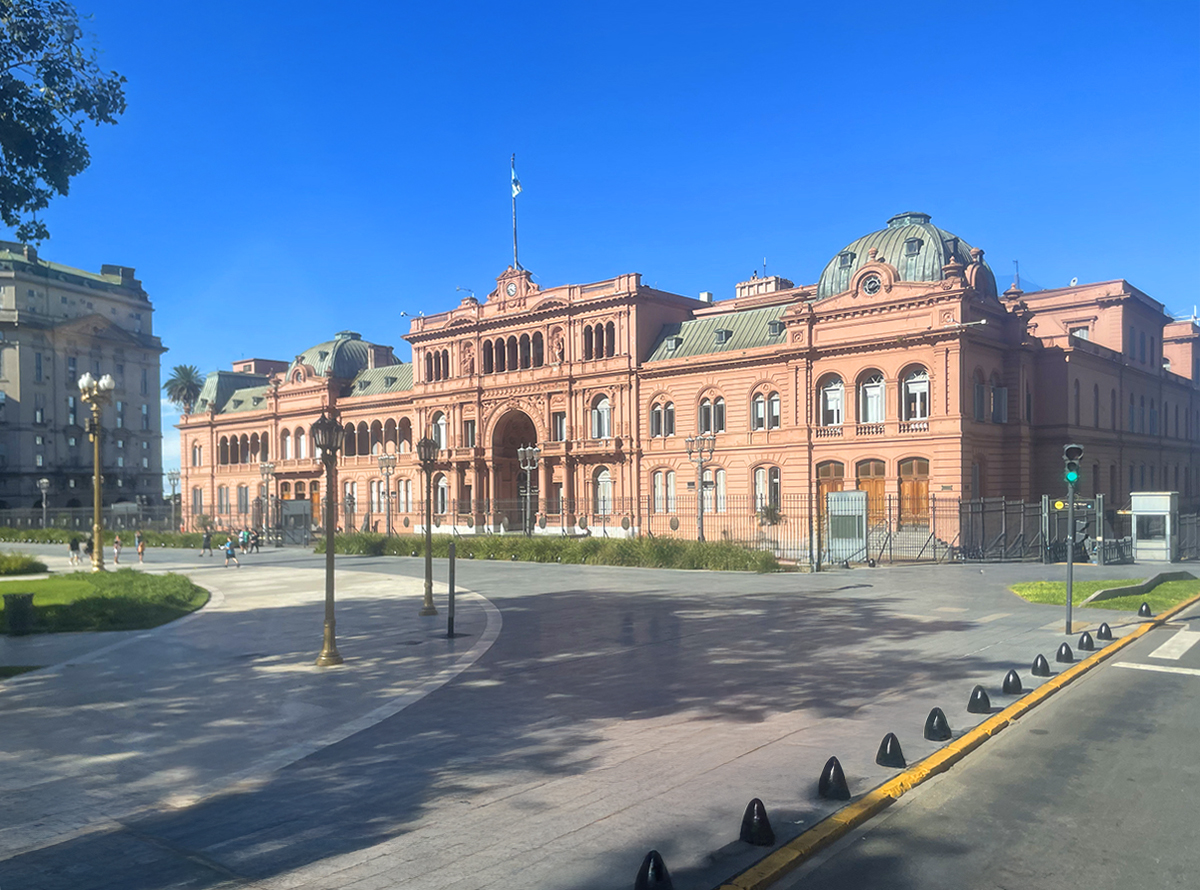
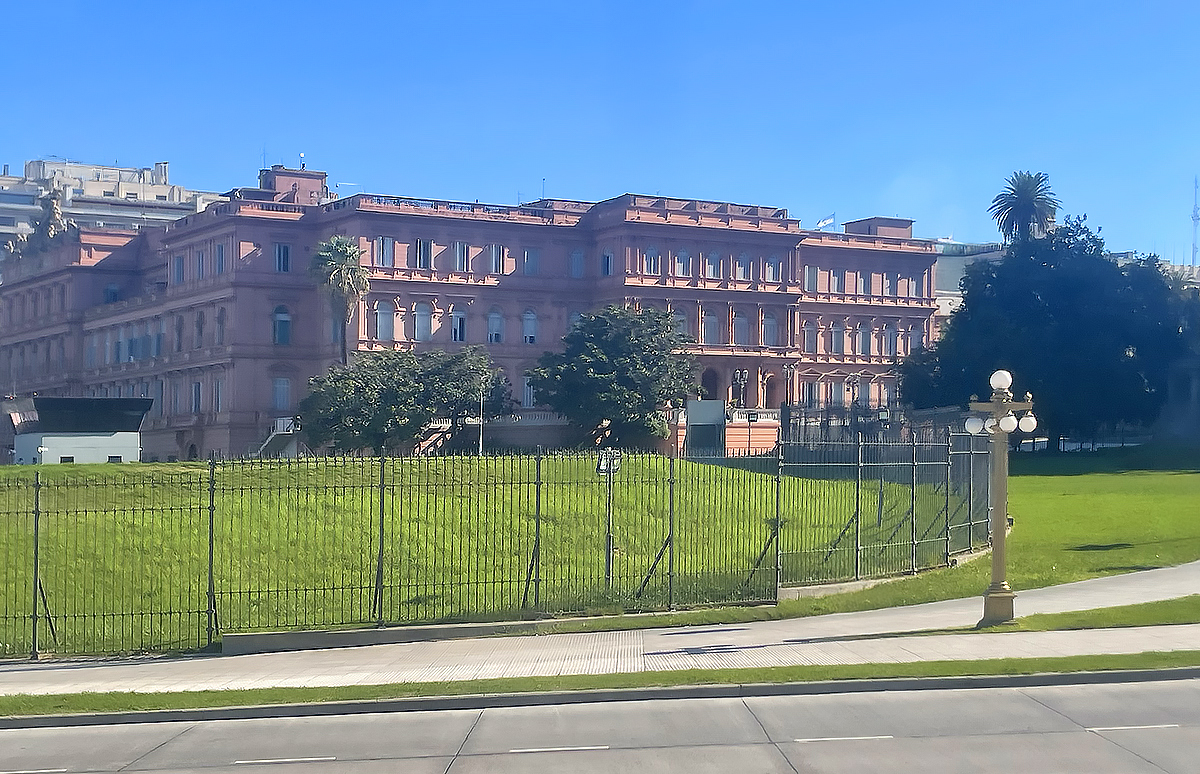
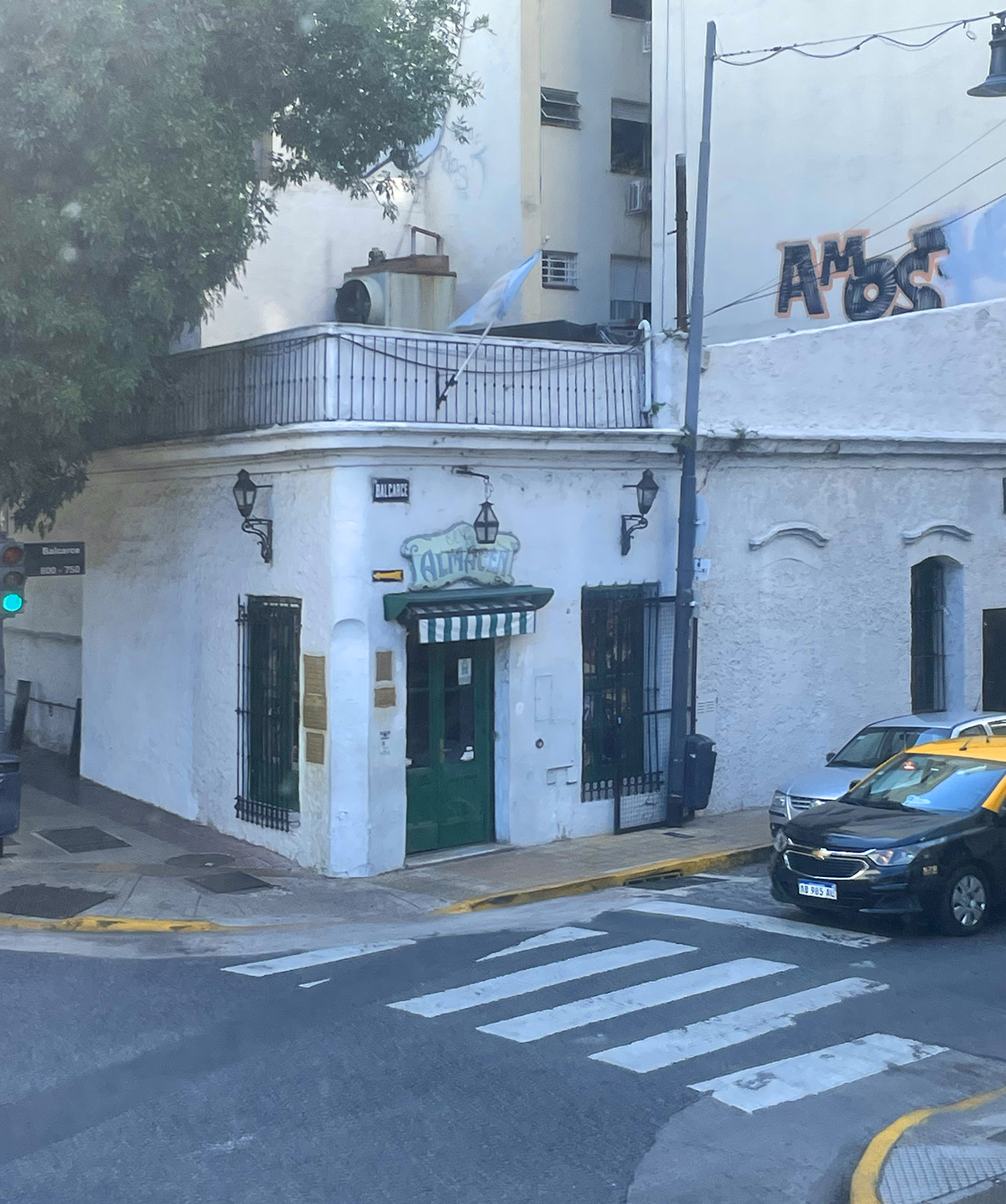
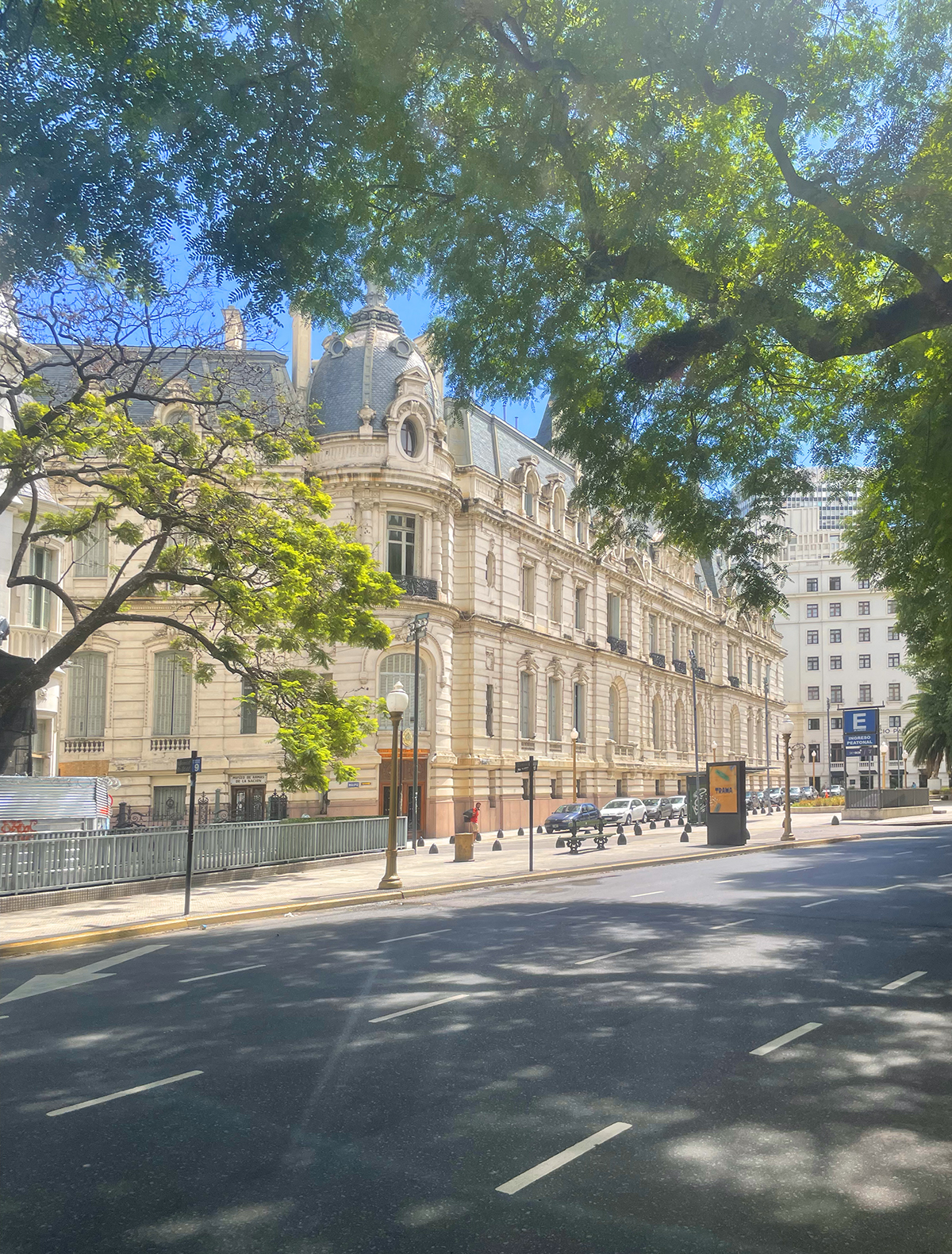
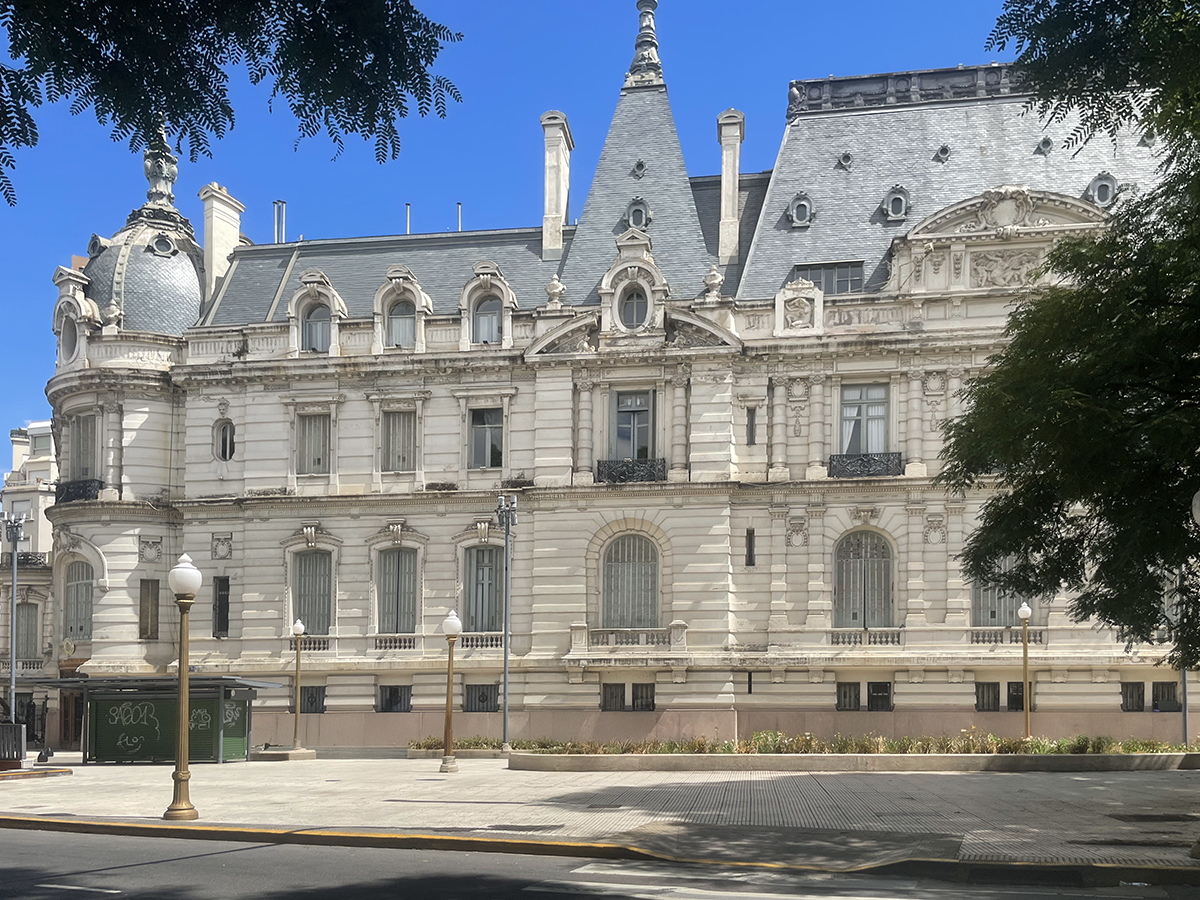
February 16–18, 2025 Marti Eicholz All aboard the Odyssey readied themselves to disembark, a palpable sense of excitement and curiosity swept filled the air. The city’s skyline sparkled beneath the early morning sun, where time-honored domes mingled effortlessly with sleek, modern high-rises, together sculpting a cityscape unlike any other. Upon stepping off the ship and onto the lively avenues of Buenos Aires, travelers were immediately drawn in by the city’s contagious rhythm: musicians played lively tunes on street corners, the warm, inviting scents of freshly baked pastries drifted from local bakeries, and every turn buzzed with the unmistakable vibrancy that defines Argentina’s capital. From February 16 to 18, 2025, Buenos Aires becomes much more than just a stop on our journey — it’s an immersive celebration for the senses and the soul. Buenos Aires, the capital and largest city of Argentina, offers a unique charm, especially on a rainy Sunday morning. The gentle rain seems like a gift from nature, washing the city clean and infusing the air with an earthy aroma. As the downpour ceases, the city is bathed in soft sunlight, creating a tranquil atmosphere and marking the beginning of a bright Sunday. Often called the “Paris of South America,” Buenos Aires is renowned for its eclectic European architecture, which has been carefully preserved over the years. This vibrant metropolis of 3.1 million residents stands as one of the most diverse cities in the Americas, bringing together a wide array of ethnic and religious backgrounds. The city’s streets are adorned with grand palaces, inviting cafes, quirky boutiques, sprawling parks, and lush green spaces. The local lifestyle revolves around savoring perfectly grilled steak, robust Argentine wine, delectable ice cream, and experiencing nightlife that stretches into the early hours of the morning. Buenos Aires is remarkably walkable, offering the feeling that you’re journeying through the neighborhoods of Brooklyn, Madrid, Paris, and Italy, all while never leaving South America. The city’s inhabitants are known for their friendliness and high level of education — an impressive 97% literacy rate underscores this. With 20.1 bookshops per 100,000 people, Buenos Aires boasts the highest concentration of bookstores in the world, easily surpassing cities like Dublin and New York. Among the city’s most captivating attractions is El Ateneo Grand Splendid, a giant bookstore often cited as the world’s most beautiful. Originally opened in 1919 as a theater and later converted into a cinema, this venue was reimagined as a bookstore in the early 2000s. Much of its ornate decor remains — including intricate carvings, decorative balconies, and the grand, red-curtained stage, which now houses a charming café. You can curl up with a book in former theater boxes, making it a paradise for both art lovers and literary enthusiasts. The city also takes pride in hosting one of the world’s top one hundred universities, which has educated seventeen Argentine presidents and four Nobel Prize laureates. This academic prominence further enriches Buenos Aires’ dynamic cultural tapestry. San Telmo, the city’s oldest neighborhood, is a treasure trove of history and authenticity. Here, visitors find themselves surrounded by grand colonial-era buildings, cobbled streets, lively marketplaces, and traditional eateries. The neighborhood’s character is accentuated by its slightly rugged vibe, hinting at the many layers of history beneath its surface. Beneath an old mansion, a maze of tunnels and ancient waterways lies hidden. At the neighborhood’s core stands Mercado San Telmo, a bustling market filled with tantalizing street food and eclectic shops. Scattered throughout San Telmo are cozy, packed bookshops, each brimming with literary gems from antiques to contemporary works. Sundays come alive with the Feria de San Telmo, an open-air market sprawling along the cobblestone roads, where vendors sell arts, crafts, vintage finds, and antiques — including the iconic glass seltzer bottles. The air is filled with the aroma of sizzling barbecue, and the sounds of tango dancers and musicians performing for the crowds. Another must-see district is La Boca, a neighborhood famous for its brightly painted houses and vibrant artistic spirit. Historically, La Boca was a landing point for European immigrants, particularly from Genoa, Italy. Today, El Caminito, the neighborhood’s main road, serves as an open-air museum bursting with color and life. As you wander, you’ll discover local artists at work, street performers entertaining passersby, bustling market stalls, and the inviting aromas wafting from nearby restaurants. Among Buenos Aires’ most iconic landmarks is La Recoleta Cemetery — a 14-acre labyrinth of opulent marble mausoleums, intricate statues, and lavish crypts. Unlike typical graveyards, this cemetery is a breathtaking architectural marvel. It draws visitors from around the world, many of whom come to pay their respects at the grave of Eva Perón, famously known as Evita, whose tomb lies alongside her family, the Duartes. Just outside the cemetery, the square comes alive every weekend with a bustling artisanal market, where musicians perform at the base of the grassy hill, creating a festive ambiance for locals and visitors alike. No exploration of Buenos Aires is complete without a visit to the Plaza de Mayo, the city’s political and historical epicenter. This grand square is surrounded by notable sites, with the most prominent being Casa Rosada — the “Pink House,” Argentina’s presidential mansion. The blue-and-white national flag waves proudly above the iconic pink façade, which has witnessed countless moments of political drama. The main balcony is especially famous as the place where Madonna, portraying Eva Perón in the film “Evita,” sang the legendary anthem “Don’t Cry for Me Argentina.” Buenos Aires captivates with its vibrant culture, rich history, and dynamic atmosphere. The city is a fascinating blend of European charm and Latin American spirit, offering endless opportunities for exploration and discovery. From its bustling avenues to its colorful neighborhoods, Buenos Aires invites one to immerse themselves in the local way of life, savor delicious cuisine, and experience the city’s unique traditions. Whether strolling through historic districts or enjoying contemporary art and music, there is always something remarkable to uncover in Argentina’s bustling capital. The city’s energy is palpable in every corner, from its tree-lined boulevards to the lively plazas where locals gather to socialize. Visitors can wander through historic sites like Plaza de Mayo, where political and cultural milestones have shaped the nation, or admire the elegant architecture reminiscent of Paris and Madrid. Each neighborhood, such as the artsy San Telmo or the colorful La Boca, tells its own story through murals, markets, and music. Buenos Aires is also renowned for its world-class dining scene, where you can indulge in succulent Argentine steak, sample traditional empanadas, or sip on a glass of Malbec at a cozy café. As night falls, the city truly comes alive with vibrant nightlife, passionate tango performances, and an infectious spirit that invites everyone to join in the celebration of life. Buenos Aires is renowned as the birthplace of the tango, a passionate and dramatic social partner dance that is deeply intertwined with the city’s identity. The origins of tango can be traced back to the mid-nineteenth century, when it emerged in the brothels and working-class port neighborhoods such as San Telmo, La Boca, and Barracas. In its early days, the tango was considered scandalous, often depicting the intense relationship between a prostitute and her pimp, and was viewed as morally questionable by polite society. However, as time passed, this expressive dance was brought into the spotlight by iconic figures like Carlos Gardel in the 1910s, who helped popularize it both in Argentina and internationally, particularly in Paris. By the early twentieth century, the Argentine elite adopted the tango, transforming it into a celebrated art form and ultimately leading to its recognition by UNESCO as an intangible cultural heritage. Today, tango is an essential part of life in Buenos Aires, woven into the city’s social and cultural fabric. You can fully immerse yourself by learning the dance’s intricate steps and experiencing the authentic atmosphere of a local milonga. These lively gatherings, held in spacious halls, offer informal lessons where both locals and tourists mingle, dance, and enjoy drinks late into the night, fostering a sense of community and celebration. Buenos Aires also boasts its own unique tradition of afternoon tea, affectionately known as ‘teatime.’ This custom was introduced after Argentina gained independence, as waves of British industrialists and landowners settled in the city. During the Victorian era, the United Kingdom exerted significant economic and cultural influence over Buenos Aires, and the practice of afternoon tea became one of its enduring legacies, blending seamlessly into local routines and society. Another remarkable feature of Buenos Aires is the Jardin Japones, which holds the distinction of being the largest Japanese garden outside of Japan. Designed to evoke a sense of balance and tranquility, the garden is adorned with a diverse array of plants, a serene pond filled with carp, elegant Japanese-style bridges, and sculptures reminiscent of those found in Tokyo and Kyoto. This peaceful retreat offers a taste of Japanese aesthetics in the heart of the city. The Teatro Colon stands as one of the world’s premier opera houses, celebrated for its opulent architecture and exquisite details. Inside, visitors are greeted by dazzling Venetian mosaics, intricate French stained glass, and three varieties of Italian marble, all coming together to create an atmosphere of grandeur and lavishness that makes every performance a special occasion. For those who love the outdoors, Parque Tres de Febrero provides an expansive green space in the heart of Buenos Aires. This large public park features a picturesque lake, a vibrant rose garden, and dedicated tracks for both runners and rollerbladers, making it a popular spot for leisure and recreation. The Galileo Galilei Planetarium is a striking landmark, especially at night when it comes alive with a colorful light show. The unique planet-shaped building glows in changing hues, and the fountains in the adjacent lake put on their own synchronized mini-performance, creating a captivating spectacle for all ages. Art enthusiasts will appreciate the Museo Nacional de Bellas Artes, which houses a world-class collection of masterpieces. The museum features works by renowned European artists such as Degas, Monet, and Rodin, as well as celebrated Argentinean painters and sculptors, offering a comprehensive journey through the history of fine art. Dominating the city’s skyline is the Obelisco de Buenos Aires, an iconic monument erected in 1936 to commemorate the 400th anniversary of the city’s founding. This striking structure has become a symbol of Buenos Aires, serving as a focal point for celebrations and gatherings. Nature lovers can escape to the Jadin Botanico Carlos Thays, a serene botanical garden named after the visionary landscape architect who designed and improved many of the city’s parks. Home to over 1,500 plant species, Roman-inspired statues, and a stunning glass-domed greenhouse, this tranquil haven is perfect for strolling and unwinding amid lush greenery. Thays’ contributions reshaped Buenos Aires, as he was responsible for creating, renovating, and expanding a remarkable sixty-nine public green spaces throughout the city. Buenos Aires offers an abundance of scenic green spaces, with the Buenos Aires Ecological Reserve standing out as the city’s largest at 865 acres. This lush, expansive sanctuary is the perfect spot for biking, birdwatching, and immersing yourself in nature away from the urban bustle. Its tranquil paths and diverse wildlife make it a favorite retreat for both locals and visitors seeking a peaceful escape. Just outside the city, you can explore the enchanting waterways of Tigre, a picturesque region characterized by winding canals and charming cottages nestled along the banks. Visitors often enjoy boat rides through this scenic maze, admiring lush vegetation and vibrant riverfront communities that showcase a slower, more relaxed pace of life. Across the Río de la Plata, a short one-hour ferry ride takes you from Buenos Aires to Colonia del Sacramento in Uruguay. This delightful colonial town invites you to wander its narrow cobblestone streets, marvel at its colorful facades, and soak in a sense of history preserved in every corner. The iconic Lighthouse is a must-see — climb its 111 steps for sweeping panoramic views of the town and river, offering the perfect vantage point for unforgettable photos. In the heart of Buenos Aires, the Metropolitan Cathedral stands as the principal Catholic church. Its neoclassical façade is reminiscent of the Roman Pantheon, presenting a grand exterior that contrasts with its solemn, cathedral-like interior. Stepping inside, you’ll find a space steeped in spiritual significance — this is where Pope Francis, before his papacy in 2013, regularly performed mass, adding to the cathedral’s historic and cultural importance. Plaza del Congreso is a lively gathering place in Buenos Aires, renowned for its beautifully landscaped gardens, symbolic monuments, and elegant fountains. It’s an ideal spot to relax and observe the city’s vibrant life, all while being surrounded by impressive architecture, including the striking, green-domed palace inspired by the Capitol Building in Washington, DC. Argentina captivates with its rich tapestry of experiences, seamlessly blending culture, history, and natural beauty. The nation’s motto, “In Unity and Freedom,” reflects the spirit of its people and the diverse adventures awaiting every traveler. As The Odyssey departs Buenos Aires, we leave behind a city celebrated for its literary heritage, romantic allure, and dynamic energy. It’s a place that enchants, inspires, and beckons you back for more discoveries.
|
|
Copyright © 2025 All rights reserved |