
|
|
 |
 |
|
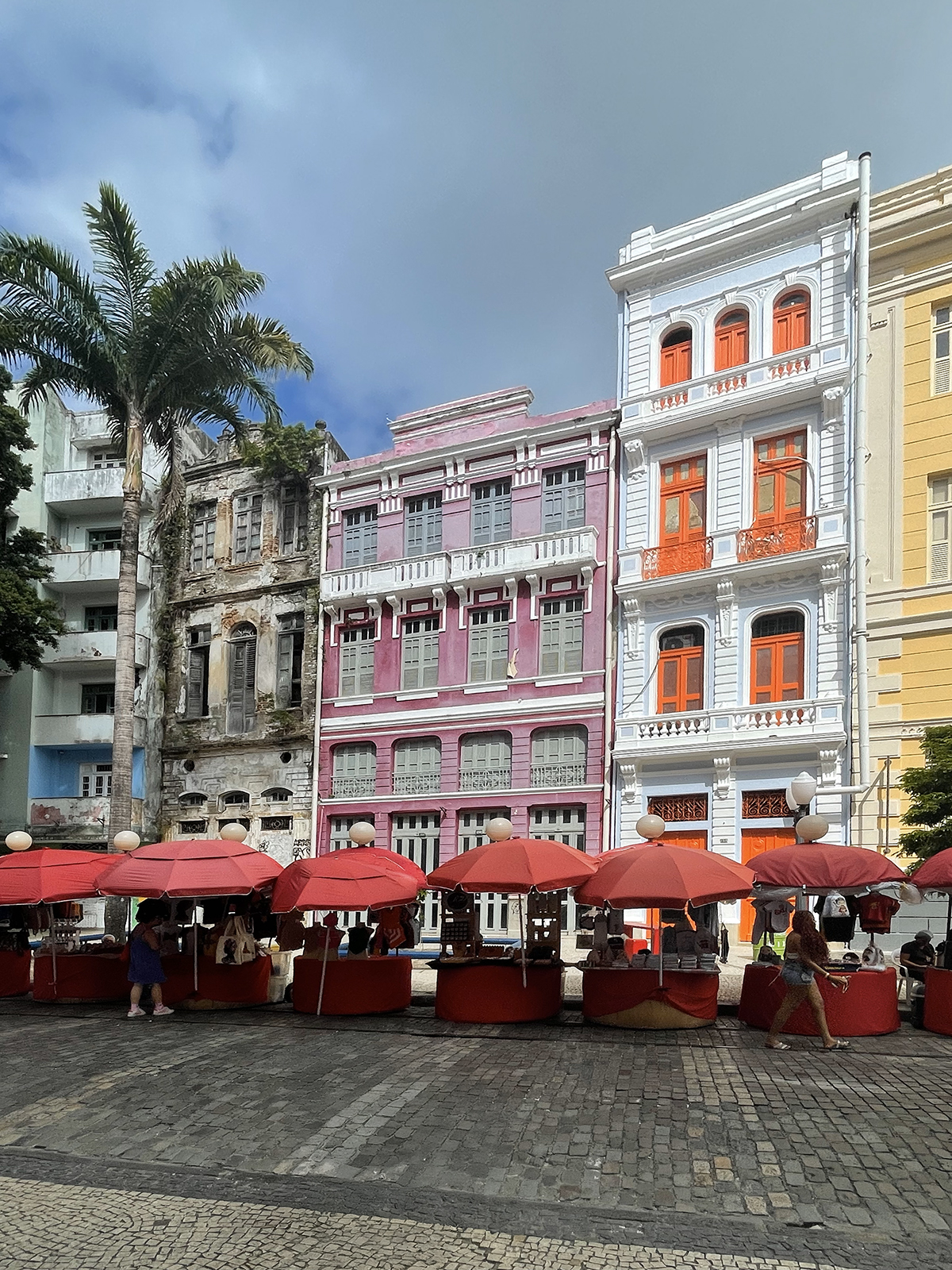
March 14–16, 2025 Marti Eicholz As The Odyssey continues its journey, she sails along the breathtaking Brazilian coastline, renowned as one of the world’s longest at roughly 4,600 miles. This coastline borders the mighty Atlantic Ocean, shaping much of the country’s geography and character. Brazil itself is a true giant among nations — ranking as the fifth largest in the world and the largest in all of South America, it accounts for half of the continent’s landmass. The sheer scale of Brazil is so vast that it feels more like a continent than a country. During the tranquil hours between 3:00 and 5:00 a.m., a sense of anticipation filled the decks of The Odyssey. Shipmates, moon enthusiasts, and stargazers gathered, hoping to witness the spectacle of a total lunar eclipse. Despite persistent clouds threatening to obscure the view, their patience was eventually rewarded. The night sky unveiled the dramatic transformation of the moon into a deep crimson, an awe-inspiring Blood Moon, marking a magical end to the night and the promise of a new dawn. Reflecting on the celestial show, it’s hard not to be reminded of the impermanence of all things. Eclipses — like many events in life — demonstrate that everything is in flux. Change is not only inevitable but is woven into the fabric of existence itself. With this renewed sense of wonder and acceptance, I find myself embracing the concept of “change” wholeheartedly. Upon arrival, The Odyssey docked gracefully in Recife, Brazil, opening a gateway to two cities brimming with contrasting personalities and rich histories. Recife, the bustling capital of Pernambuco, is a sprawling, modern metropolis often described as a concrete jungle. Just a short distance — four miles to the north — lies Olinda, its neighbor with a distinctly different character. Olinda is a colorful, colonial gem perched on a hillside overlooking the Atlantic, its cobblestone streets winding through vibrant neighborhoods and historic landmarks. Exploring these two remarkable cities is a journey through time and culture. Visitors can meander along Olinda’s ancient streets, soak in the lively atmosphere of Recife’s city sidewalks, relax at sunny beaches, or enjoy a mix of historic bars and trendy modern eateries. Each city offers its own unique taste of Brazilian life. Both Recife and Olinda boast histories that stretch back to the 1500s. Over the centuries, the region has seen the influence of Indigenous peoples, as well as French, Portuguese, and Dutch settlers, with the Portuguese ultimately establishing their dominance. Historically, the Portuguese preferred to build their settlements atop hills for strategic advantages, which is why Olinda’s hilltop location became so significant. Today, Olinda’s exceptional landscape, lush vegetation, and well-preserved colonial architecture — including a remarkable collection of twenty Baroque churches — have earned it UNESCO World Heritage status. The name “Recife” means “reef” in Portuguese, a tribute to the natural rocky formations that line its coastline and become visible during low tide. The city is interlaced with fifty bridges, giving rise to its nickname — the Venice of Brazil. However, the nearby waters are also home to Tiger and Bull sharks, making surfing unsafe and limiting swimming in the area. Recife is a vibrant and expansive city, where its many attractions are spread across diverse neighborhoods, each offering a distinct atmosphere and unique experiences. As you wander through Recife, you’ll find a fascinating blend of history, culture, and innovation waiting around every corner. In the heart of the Old Recife Neighborhood, Marco Zero stands as a symbolic starting point — this historic harbor marks the city’s founding in 1537. The area quickly grew into a major center for sugar cane production, shaping the city’s development and prosperity. Recife’s story is also deeply intertwined with Dutch influence, adding an intriguing layer to its past. Strolling through Recife Antigo, the city’s charming Old Town, you’re met with welcoming streets filled with lively energy. This district is not only a hub for technology and business but also boasts the largest arts and crafts market in Recife. Explore bustling markets offering local goods, street food, and handmade souvenirs, while nearby restaurants and bars serve up flavors that reflect the region’s rich culinary traditions. Museums within this area invite visitors to dive deep into Recife’s heritage, including the city’s first fort — a testament to its enduring legacy. The juxtaposition of centuries-old architecture and modern innovation creates a captivating environment where the old and new coexist harmoniously. The Cais do Sertão Museum is a standout attraction, housed in renovated warehouses along the waterfront. Inspired by the life and music of a celebrated local artist, the museum features interactive exhibits that tell stories of the Pernambuco countryside. Visitors can engage with displays that highlight everyday life — covering themes such as living, believing, working, singing, migrating, occupying, and creating. The museum’s hands-on experiences, including karaoke booths and regional instruments, offer a playful and immersive way to connect with local traditions. At Praca do Arsenal (Arsenal Square), you’ll discover the iconic Malakoff Towers, now a vibrant cultural center hosting art exhibitions, an observatory, and sweeping city views. The square is also home to the Paco do Frevo, a beautiful museum entirely dedicated to Frevo — the energetic music and dance style that pulses through the veins of Recife. Here, visitors can learn about the roots of Frevo and experience performances that celebrate its expressive spirit. Recife’s cultural richness is fueled by its people, whose creativity shines through their music, dance, and delicious cuisine. The city is the birthplace of Manguebeat, a genre that fuses traditional Brazilian rhythms with rock, hip-hop, and electronic influences, creating a sound that’s both innovative and authentic. On the streets, the infectious beats of Frevo, maracatu, and forro fill the air, inviting both locals and visitors to join in the festivities, reflecting the city’s dynamic and joyful character. Art lovers will appreciate Parques de Esculturas, a striking open-air museum displaying ninety ceramic sculptures crafted by renowned artist Francisco Brennand. This outdoor gallery showcases the artist’s distinctive style and offers a serene space to enjoy public art against the backdrop of Recife’s waterfront. Take a stroll down scenic Rua do Bom Jesus, one of the oldest and best-preserved streets in the city. Its colorful colonial buildings line the way to the first synagogue constructed in the Americas, a site of immense historical significance. The Golden Chapel, with its dazzling baroque décor and intricate golden embellishments, is a true architectural gem. Nearby, a charming museum houses the giant Carnival dolls — an iconic part of Recife’s world-famous festivities. For those interested in local craftsmanship, the Centro de Artesanato de Pernambuco provides a unique opportunity to meet talented artists and purchase their handmade crafts and souvenirs. This center celebrates the region’s artisan heritage and supports the creative community. No visit to Recife is complete without experiencing Boa Viagem Beach. With its powdery soft sands, inviting warm waters, and natural protective reef, this stunning stretch of coastline is a beloved haven for beachgoers. Here, the rhythm of the city is fully alive, making it the perfect spot to relax and embrace the vibrant spirit of Recife. The Odyssey moves on up the coast to our next port, Fortaleza, Brazil, famous for its urban beaches where you can swim or simply laze at a beachfront bar and people watch. |
|
Copyright © 2025 All rights reserved |
