|
|
 |
 |
 |
 |
 |
 |
 |
 |
 |
|
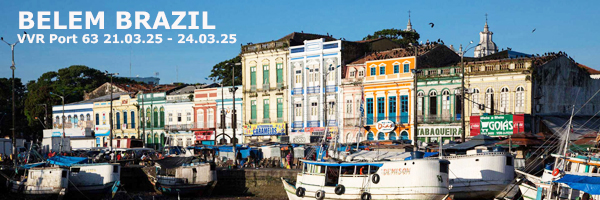
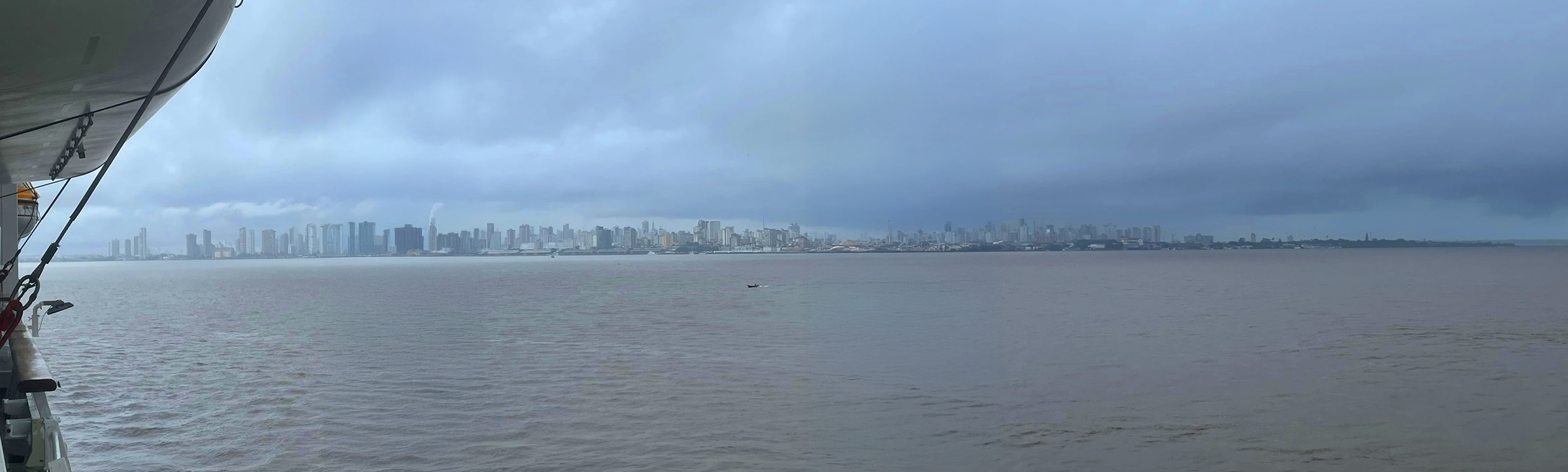
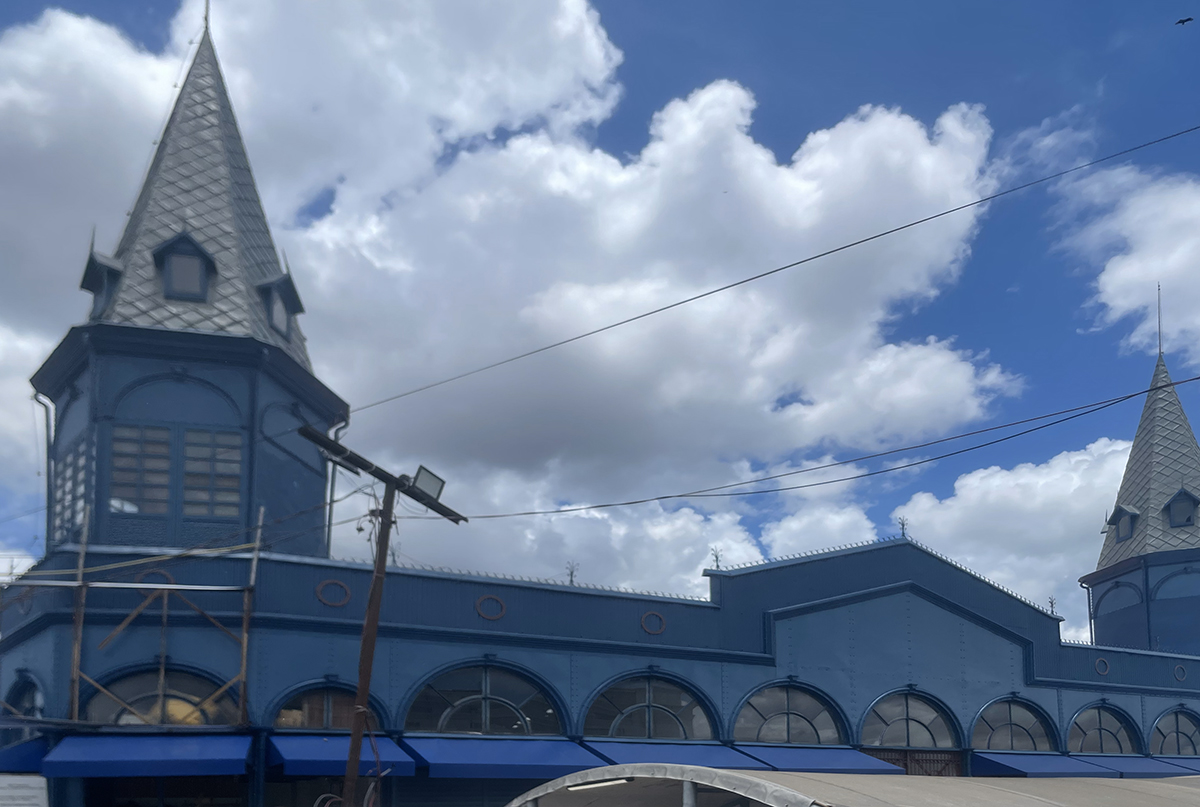
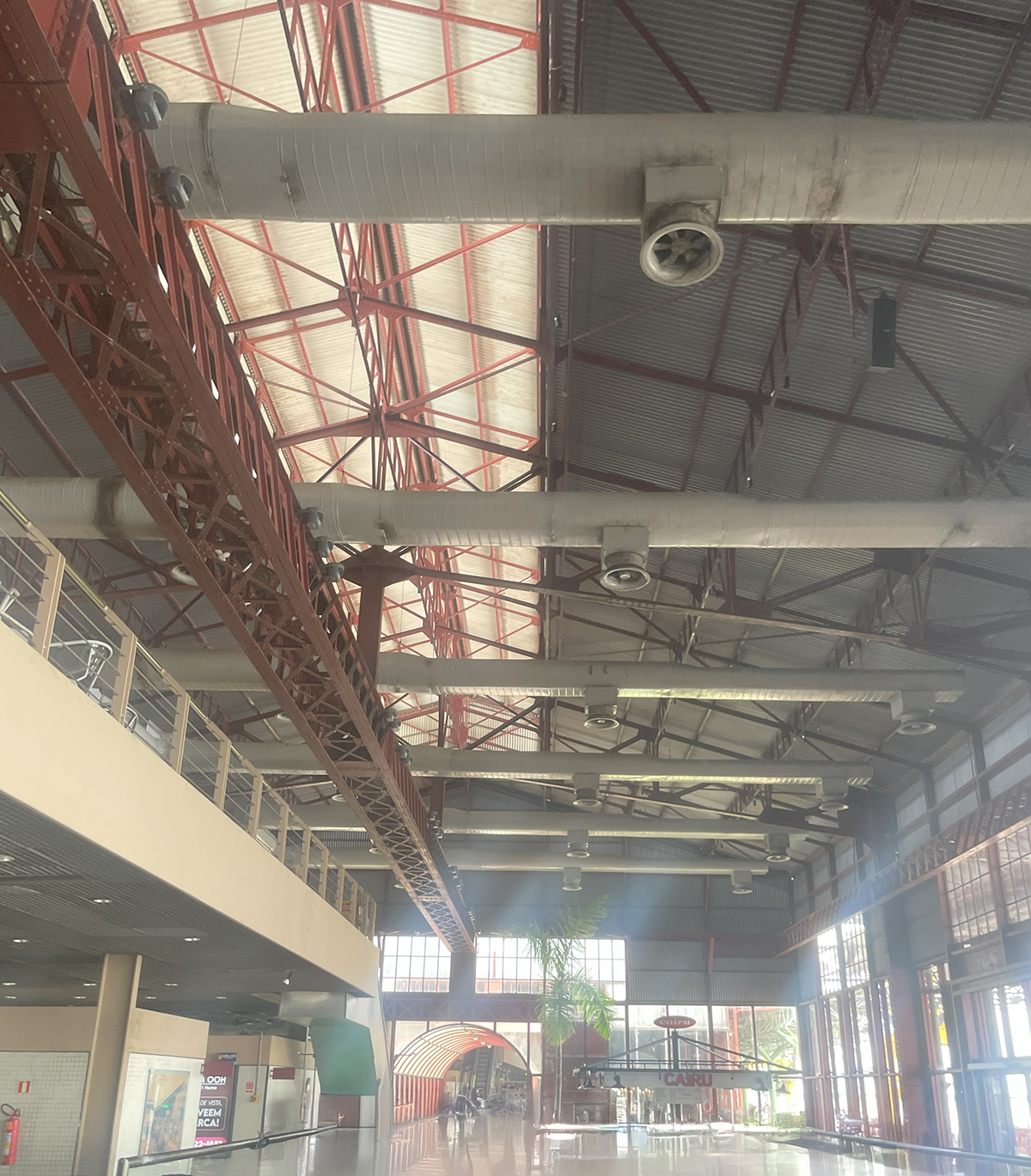
March 19–24, 2025 Marti Eicholz The Odyssey is steadily making her way toward the vibrant city of Belem, Brazil. As we approach, a gentle drizzle falls outside the ship’s windows, cloaking the world in a silvery, shifting veil. The sky stretches above in shades of steely gray, with heavy clouds hanging low, diffusing the light and softening every edge. Rain taps a delicate, persistent rhythm against the glass, harmonizing with the hum of Odyssey’s engines — a soothing symphony that fills the cabin. Each tiny droplet catches and scatters the muted daylight, blurring the distant horizon and painting the skyline of our next port in dreamy, indistinct hues. The tranquil ambiance inspires quiet reflection and deep gratitude for the simple beauty of nature’s lullaby. Belem sits approximately one hundred miles south of the equator, placing it firmly in the Southern Hemisphere. Here, the arrival of the March equinox marks the beginning of autumn rather than spring. In the Southern Hemisphere, this is a period traditionally seen as a time for inward focus and balance. Spiritually, the Autumn Equinox serves as an invitation to pause, take stock of our lives, and appreciate the growth and achievements we have gathered along the journey. It’s a gentle reminder to find harmony — between day and night, activity and rest, giving and receiving. Life so close to the equator carries a unique weather pattern, often described as unchanging. The climate is famously hot and humid throughout the year, prompting locals to joke that Belem doesn’t have four traditional seasons. Instead, they say, “Belem has four seasons: summer, heat, stickiness, and baking.” Each day brings a reliable warmth that can be both comforting and relentless in its intensity. As the Odyssey drops anchor in northern Brazil, we find ourselves near the immense mouth of the legendary Amazon River — a gateway to one of Earth’s greatest ecological wonders. Belem’s harbor is situated in Guajara Bay, an area shaped by land and a collection of river islands. From our anchorage, a short fifteen-minute tender ride whisks us ashore into the heart of Belem (which means “Bethlehem” in Portuguese). This city is the lively capital and urban center of the state of Pará. Its avenues are famously shaded by arching mango trees, their thick branches forming leafy tunnels overhead and filling the air with the sweet, earthy perfume of the jungle. Because of this lush urban canopy, Belem is affectionately known as the “City of Mango Trees.” For many of my fellow shipmates, Belém is more than just a port of call — it’s the starting point for thrilling expeditions into the Amazon rainforest, often called the “lungs of the world.” The city’s unique position at the edge of this vast wilderness offers opportunities for unforgettable explorations into one of Earth’s most biodiverse and vital ecosystems. Looking ahead, Belem’s importance on the world stage is only growing. In November 2025, the city will host the COP30 international climate conference, bringing global attention to sustainability, conservation, and the extraordinary environmental heritage of the Amazon region. The city’s commitment to ecological awareness and its array of singular experiences make Belem an exceptional destination for travelers eager to connect with nature and culture alike. Founded in 1616, Belém holds a rich and fascinating history. It was the first European colony established on the banks of the Amazon River, playing a pivotal role in the development of the region. During the heyday of the Amazon rubber boom, the city flourished, and traces of its former prosperity can still be seen today in its grand colonial architecture and vibrant cultural scene. We are invited to discover not only the historical treasures of this “Gateway to the Amazon” but also the enduring spirit that defines Belém’s place in Brazil and the world. The city of Belém is home to a rich tapestry of museums and historical sites, each offering a unique perspective on the region’s vibrant culture and fascinating history. Among the most prominent is the Ciro Museum, an institution dedicated to the renowned Cirio de Nazaré festival. The museum immerses visitors in the beauty and energy of this grand religious event, presenting vibrant displays and interactive exhibits that reveal the festival’s deep spiritual significance and its place in the collective memory of the city. The Cirio Museum provides an engaging narrative of the festival’s origins and traditions. Walking through its halls, you’ll gain a profound appreciation for how the Cirio de Nazaré has shaped the identity of Belém’s people over generations. I find the museum’s ability to capture the festival’s spirit truly captivating. Let me share the museum’s feature summary of the festival’s history: “While walking through the forest near the Utinga Road, a local man named Plácido found a small image of the Virgin of Nazaré on the banks of the Murutucu stream. He picked it up and took it to his humble hut, imagining the devotion that would spread throughout the region. However, the next morning, he woke up to find the image had disappeared. Rushing back to the spot where he had found it, he saw that the statue had mysteriously returned to its original place. This event repeated itself several times until it reached the attention of the governor, who ordered the image to be taken to the chapel of the Government Palace, where it was kept overnight under the guard of soldiers. Even then, the image vanished once again and was found the next morning back by the stream, in its usual spot. Since then, the journeys of the Virgin’s ‘comings and goings’ have been commemorated and reenacted annually.” The Círio de Nazaré procession starts at Catedral de Belém (the city’s Cathedral) and ends at the Basílica. Casa das Onze Janelas (House of Eleven Windows) stands as another remarkable landmark. This elegant 18th-century mansion, once owned by a prosperous sugar mill owner, later served as a military hospital and today has been transformed into a modern and contemporary art museum. Its graceful architecture and thoughtfully curated art exhibitions make it a must-visit for anyone interested in the creative soul of Belém. The Museu Paraense Emílio Goeldi (Emílio Goeldi Museum) is renowned for its groundbreaking research on the Amazon’s biodiversity and the conservation of its unique ecosystems. The museum’s collections and scientific work provide invaluable insights into the region’s flora, fauna, and indigenous cultures, helping to preserve the Amazon’s legacy for future generations. Praça do Relógio, or Clock Square, is another historic site you should experience. At its center stands a massive clock, a city landmark that has marked the passage of time for over a century. The square is a popular gathering spot, surrounded by charming colonial-era buildings and bustling with local life. One of the city’s most iconic symbols, Theatro da Paz (Peace Theater), recalls the golden age of the rubber boom, a time when Belém flourished as a center of wealth and culture. The theater’s neoclassical architecture, marble floors, ornate frescoes, and luminous chandeliers evoke a sense of grandeur and artistic achievement. Walking the golden-paved path to the Emperor’s Box, you can almost imagine the opulence and excitement that filled the theater during its heyday. During the height of the rubber trade, Belém was transformed into a cosmopolitan metropolis, often referred to as the “Paris of the Americas.” The city’s strategic location made it a gateway for rubber traders supplying the United States and Europe with this precious resource, leading to an influx of wealth and an era of remarkable architectural and cultural development. Theatro da Paz remains a testament to that remarkable period, offering a window into the city’s illustrious past. The Estação das Docas (Docks Station) is another highlight of Belém’s modern renaissance. Overlooking the picturesque Guama River, this complex of renovated port warehouses has been reimagined as a vibrant gastronomic and cultural hub. Here, you can sample regional cuisine, enjoy live performances, and soak in stunning river views, all within a lively and welcoming atmosphere. Be sure to relax by Guajará Bay, where you can sit back with a cold beer, delicious ice cream, or a traditional Amazonian dish while watching the world go by. One local favorite is Cairu, an ice cream shop famous for its inventive flavors like “mestico,” a delightful blend of tapioca and açaí — a small, antioxidant-rich berry native to the Amazon rainforest. This is the perfect way to experience Belém’s culinary creativity and the region’s natural bounty. Belem, a vibrant city nestled at the mouth of the Amazon River, offers a captivating blend of history, culture, and natural beauty. Start your exploration at the iconic Ver-o-Peso Market, the largest open-air market in Latin America and a true beating heart of the city. This bustling market sits on the banks of the Guama River and draws visitors into a whirlwind of sights, sounds, and aromas. Although the atmosphere may seem chaotic and overwhelming at first, it is precisely this energy that reveals the soul of Belem — alive, colorful, and deeply connected to its roots. As you wander through the lively stalls, immerse yourself in a sensory journey of native scents and flavors. The market showcases an impressive variety of fresh fish, vibrant vegetables, and an array of exotic Amazonian fruits rarely found elsewhere. Sample traditional drinks made from jambu — a local plant famed for its unique mouth-tingling effect — and taste tucupi, a bright yellow sauce extracted from wild cassava root that features prominently in regional dishes. You’ll also discover countless varieties of manioc flour, perfect for gluten-free cooking and baking, alongside beautiful handmade crafts, aromatic herbs for soothing baths, and small, colorful bottles of “magical potions” said to bring luck, wealth, love, or healing. For anyone seeking an authentic taste of Amazonian life, this market is an unforgettable paradise. Just a short walk from the Ver-o-Peso Market, the Mercado da Carne (Meat Market) stands out not only for its selection of meats but also for its remarkable architecture. Admire the neoclassical exterior and step inside to appreciate the Art Nouveau details, including intricate iron panels and a stunning central staircase, which together create a truly unique atmosphere. For a tranquil escape from the urban bustle, visit Mangal das Garças, a zoo-botanical park gracefully located along the Guama River. This serene park is named after its elegant herons (“garças”), which you can observe during their mesmerizing flights, especially around feeding time. Take your time to stroll through lush gardens filled with spectacular Amazonian vegetation, including vibrant water lilies, and observe a dazzling array of flamingos, birds, and butterflies. The park offers a peaceful retreat where nature’s beauty can be savored at every turn. Ascend the Farol de Belem, a 154-foot metal tower with viewing platforms, for an extraordinary panoramic perspective of the park, river, and sweeping vistas of the city. This bird’s-eye view provides a deeper appreciation for the unique geography and lush landscape that define Belem. Don’t miss the Mirante do Rio, a riverside lookout deck, where you can relax and take in peaceful, beautiful scenery along the Guama River — a perfect spot for reflection or simply enjoying the tranquil environment. Mangal das Garças is also home to the Viveiro das Aningas (Aningas Aviary), an enchanting area where thirty-five species of friendly birds reside, allowing visitors to observe their behaviors up close in a naturalistic setting. Another highlight within the park is the Reserva José Márcio Ayres (Butterfly Garden), a greenhouse that feels like a magical mini-forest. Here, butterflies flit among tropical plants, hummingbirds dart between flowers, and small waterfalls add to the enchanting atmosphere, creating a haven for nature lovers and families alike. To gain insight into the region’s rich history, visit the Memorial Amazônico da Navegação (Amazonian Navigation Memorial). This fascinating museum brings to life the evolution of river navigation on the Amazon, showcasing how Indigenous communities crafted boats by hollowing out tree trunks and using controlled burns, later blending European boat-building techniques to innovate new methods. The exhibits offer a captivating window into the ingenuity and resilience of the area’s people. For those seeking adventure and a taste of the wild, take a fifteen-minute boat ride from Belem to Combu Island. This lush island is valued for its environmental conservation and sustainable production of cocoa and acai. As you glide along the narrow Amazonian creeks, you’ll find yourself surrounded by dense greenery before arriving at Casa do Chocolate, where every property boasts its own cacao tree. Visiting Combu Island offers a unique and delicious perspective on the region’s natural abundance and commitment to preserving its ecological heritage. Marajó Island is renowned for its expansive forests, untouched beaches, and remarkable biodiversity. This unique destination provides an authentic gateway to the Brazilian Amazon, where you can immerse yourself in breathtaking natural scenery, observe a diverse array of wildlife, and gently paddle through winding rivers by canoe. It is an enchanting retreat for anyone passionate about nature and the wonders of ecological diversity. Belém, the vibrant capital of Pará, stands out as far more than a simple port of call. The city captivates with its striking beauty, rich cultural heritage, and mouthwatering cuisine. You are drawn into a lively atmosphere filled with bustling markets, diverse restaurants, fascinating museums, and tranquil botanical gardens. The harmonious blend of urban energy and natural charm makes Belém a memorable highlight of any Amazonian adventure. As the Odyssey departs from Brazil, it leaves behind a land celebrated for its immense rainforests — including the world-famous Amazon — as well as its varied landscapes of dry pampas grasslands, rugged hills, pine forests, sprawling wetlands, vast plateaus, and an extensive coastal plain. The journey continues toward Devil’s Island in French Guiana, carrying memories of Brazil’s incredible natural splendor and geographic diversity. |
|
Copyright © 2025 All rights reserved |