|
|
 |
 |
 |
 |
 |
 |
 |
|
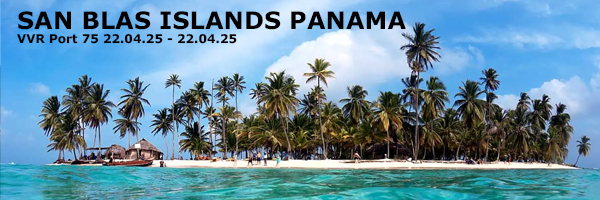
April 22, 2025 Marti Eicholz On the afternoon of April 21, our vessel slipped away from the bustling port of Cartagena, Colombia, embarking on a journey purposefully timed to intersect with the wonders of the cosmos. Our destination was not just a place, but a once-a-year spectacle — the Lyrid meteor shower. Steeped in millennia of history, with records tracing back to Chinese astronomers in 687 BC, the Lyrids are among the oldest known meteor showers, returning each spring to light up the night sky with ethereal brilliance. The anticipation on board was palpable as we set our sights on this celestial display, hoping for the streaks of light that have captivated generations. Aboard the Odyssey, we’re gifted with a perfect front-row seat: the expansive, open deck suspended far from the intrusive glow of urban lights. Here, as the sun melted into the horizon, we prepared to witness nature’s light show with nothing but our own eyes. Telescopes and binoculars were unnecessary — patience and a little darkness were all that was required. There’s a special magic in waiting; the best meteors often reveal themselves between midnight and dawn, with a peak viewing window around 3 to 4 a.m., when darkness reigns supreme. This year, a gentle waning crescent moon kept its distance, its subtle light no match for the potential fireworks overhead. The Lyrids are famed for their swift, luminous trails — sometimes offering up breathtaking fireballs that momentarily rival the stars themselves. Excitement bubbled as we pondered the possibilities: Would the Lyrids reward our vigilance with a rare, explosive outburst — hundreds of meteors streaking across the sky? Or perhaps a more typical, yet still enchanting, shower of 10 to 20 meteors per hour? The thought of catching a flaming fireball, fragments from Comet Thatcher’s ancient trail last seen in 1861, had everyone glancing skyward, hoping for a show that would linger in memory. Yet, the universe had other plans. Heavy, shifting clouds and passing showers repeatedly cloaked the sky, thwarting our view and reminding us of nature’s unpredictability. Even as frustration threatened, we embraced the wisdom that nothing is permanent or predictable. The Lyrid show would continue for several nights — three more precious chances to witness its magic. We took a collective breath and settled in, content to wait and trust that patience would eventually be rewarded. Meanwhile, our ship anchored just offshore from Carti Sugtupu. Immigration officials boarded to process our paperwork, and the crew readied the tenders to ferry us to land. Still, the weather and restless sea complicated our plans, serving as a humbling reminder that even the most carefully laid-out schedules can dissolve in the heat and humidity of the tropics. As we waited, it became clear we were guests of circumstance, left to admire the islands from afar or, with luck, to step ashore for a closer look — a lesson in resilience and adaptability. Finally, perseverance triumphed. One tender braved the waves for a twenty-minute passage to the shore, soon followed by another. The town of Carti, though modest in size, opened the doors to the legendary San Blas Islands, promising a taste of culture and natural beauty that few places can rival. We had arrived in the “Land of the Kuna,” a breathtaking realm woven across the Caribbean just off Panama’s coast. The San Blas archipelago — a patchwork of roughly 378 islands and cays, scattered like emeralds over a hundred square miles — is a masterpiece of pristine nature. Some islands are so tiny they hold nothing but silky white sands and a cluster of regal palm trees. In this tranquil paradise, there is little to do but surrender to simple pleasures: splashing in clear warm waters, snorkeling among reefs teeming with colorful fish, sunbathing, tasting fresh-caught seafood, or indulging in the rare luxury of a restful nap. These understated joys are the secret to the region’s irresistible allure. What truly distinguishes the San Blas Islands is the guardianship of the native Kuna people. Their passion for their homeland keeps the islands vibrant, clean, and largely untouched by modern excess. Most of the isles remain uninhabited, but on the forty-nine largest, you’ll find the Kuna living in harmony with their surroundings. Their homes, crafted ingeniously from local materials harvested on the islands or the nearby jungle, blend seamlessly into the environment. The Kuna fiercely protect their autonomy and heritage, governing themselves independently and resisting outside influences that might erode their centuries-old customs. Thanks to their stewardship, these islands retain an atmosphere of profound peace and authenticity. The San Blas Islands are celebrated as a sanctuary for ecotourists and adventurers alike. Unspoiled beaches, dazzling turquoise waters, and a wealth of marine life create a setting that feels worlds away from commercial development. Here, days drift by in a blissful rhythm of sailing, snorkeling, and basking in the wonders of nature, all with the comforting knowledge that hurricanes seldom disturb these serene shores. In every way, the San Blas Islands are a living testament to the beauty that emerges when nature and culture exist in perfect harmony. Recent surveys indicate that only about 50,000 Kuna Indians currently reside on the San Blas Islands, while an estimated 250,000 have settled in mainland regions of Panama, Costa Rica, and Colombia. The Kuna community on these islands faces significant challenges as they look toward the future. One of the most pressing concerns is the ongoing threat of rising sea levels, which could render many of their islands uninhabitable by the end of the 21st century. In response to these environmental threats, the Panamanian government has initiated plans to relocate vulnerable island residents, with Carti Sugtupu Island being one of the first to undergo this process due to frequent flooding and increased risk from the changing climate. On Earth Day, there is a special sense of connection and respect shared among those who are privileged to spend time near the Kuna people and their homeland. The day is marked by heartfelt celebrations, including a vibrant farewell to The Odyssey with traditional dance performances and a lively local folkloric show held along the shore. This gathering serves as a powerful reminder of the importance of uniting together to protect, conserve, and cherish our planet for future generations. As the journey continues, we set sail toward our next destination, Colon, Panama, carrying with us a renewed sense of responsibility and hope for the preservation of our beautiful Earth. |
|
Copyright © 2025 All rights reserved |