|
|
 |
 |
|
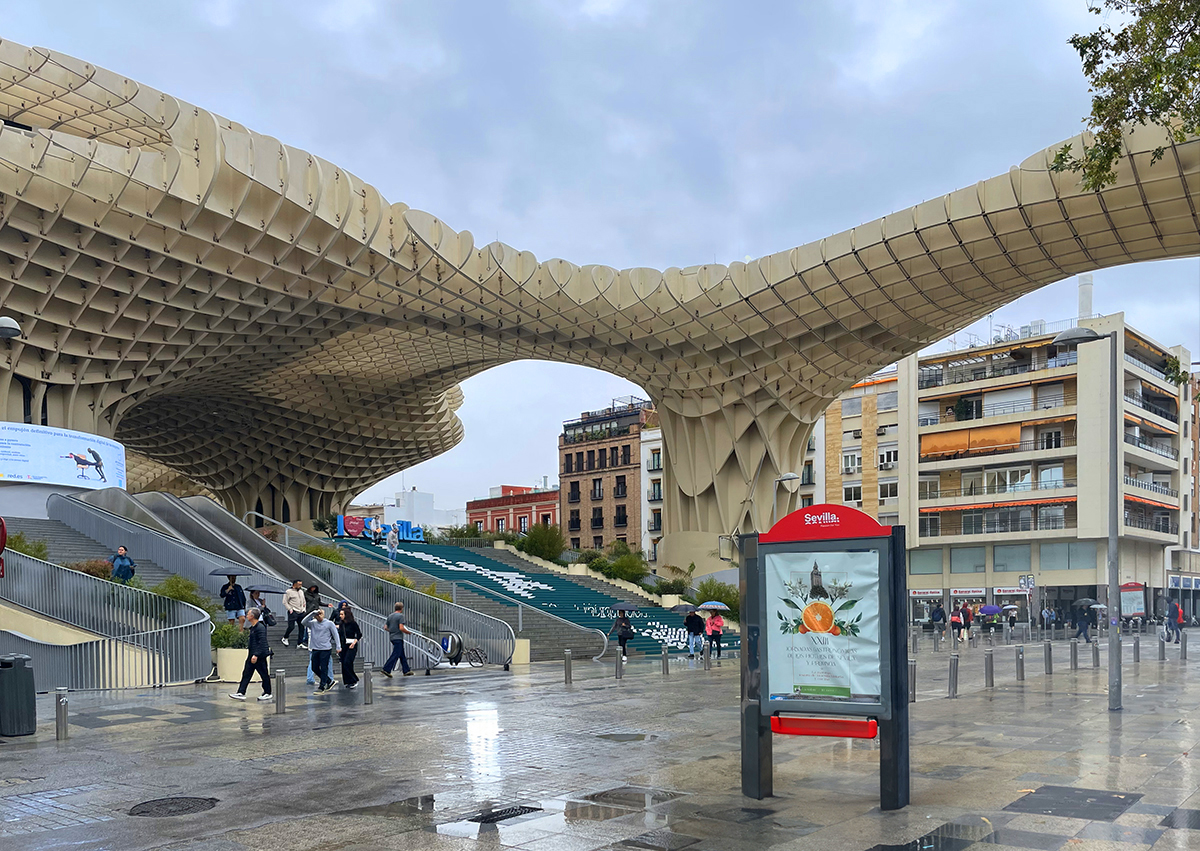
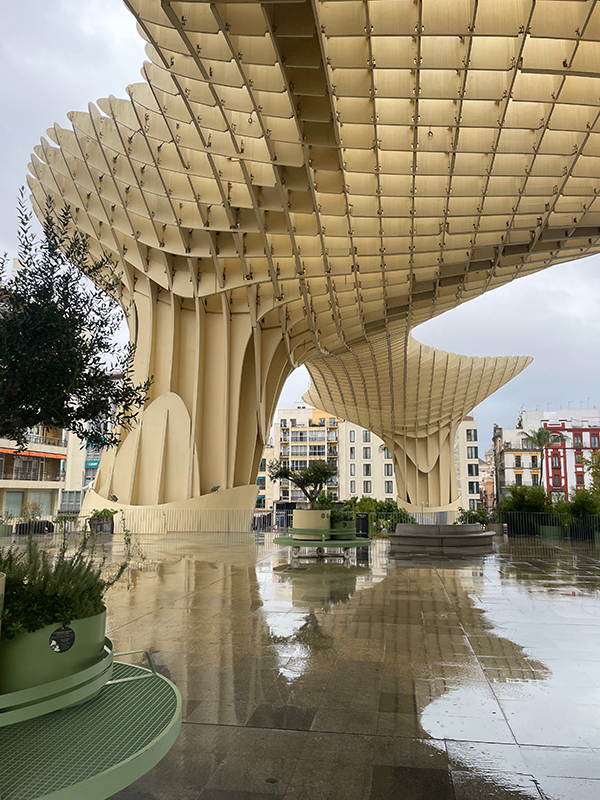
October 15-16, 2024 Marti Eicholz Our journey led us onward to the enchanting city of Seville, Spain. Navigating through the mighty Guadalquivir River, we arrived right in the heart of the city — a privilege reserved for smaller vessels, as larger ships are unable to make this passage. The Guadalquivir, Spain’s busiest river, served as our dramatic entryway into one of the country’s most breathtaking destinations. Upon arrival, Seville greeted us with a sky heavy with clouds and the promise of relentless rain. Yet even a 100% chance of rain could not dampen my enthusiasm or dim the city’s allure. The spirit of adventure remained unshaken, fueled by the anticipation of everything Seville has to offer. There is an abundance of remarkable sights and experiences waiting to be discovered here. Seville is famed for being a city perfect for leisurely exploration — its charming, traffic-free cobbled streets, serene riverside promenades, lush parks, and lively squares all invite you to wander at your own pace. On a sunlit day, locals and visitors alike stroll through the city, rent bicycles, or opt for the romantic nostalgia of a horse-drawn carriage ride. For my part, I decided to hire a local driver, eager to gain insights and stories as we wound our way through the picturesque avenues. Very quickly, the city’s legendary beauty became apparent. Moorish fountains adorn patios and plazas. Roses bloom in vibrant colors throughout the year, lending bursts of color to every corner. The air is filled with the intoxicating fragrance of flourishing gardens, where palms, olive groves, and orange trees thrive, adding to Seville’s unmistakable charm and sensory appeal. Seville boasts an astonishing abundance of orange trees, with over 25,000 gracing its streets and plazas. The delicate flowers and vibrant fruit are cherished not only for their beauty, but also for their unique uses in perfumery, essential oils, cakes, liqueurs, and even chocolate. Perhaps most notably, these oranges are the essential ingredient in the famous, tangy bitter orange marmalade that has become a beloved local specialty. Despite their enticing appearance, Seville’s oranges are famously bitter — delightful to behold but far less so to the taste. On my journey, my driver paused to savor a glass of the city’s renowned orange wine, a harmonious blend of sweet wine and aromatic orange peel. This flavorful concoction is often recommended as a classic souvenir of Seville. As I walked along, the intoxicating scent of orange blossoms filled the air, instantly evoking a sense of arrival and belonging — there was no doubt that I had come to somewhere truly extraordinary. The Medieval Jewish Quarter, a charming enclave at the heart of Seville, beckons with its labyrinth of winding cobblestone alleys, ornate balconies, and picturesque squares. Colorful, hand-painted ceramic flowerpots are scattered throughout, adding to the neighborhood’s unique character and warmth. Though I couldn’t wander its streets fully today, I managed to catch glimpses of its enchanting atmosphere — each corner revealing small wonders. In the background, the mellow strains of a Spanish guitar drifted through the air, blending seamlessly with the city’s rhythm. Street musicians — both guitarists and accordion players — fill Seville with melodies that gently serenade the soul, offering a soundtrack as vibrant as the city itself. Seville, with its exotic allure, is steeped in a rich tapestry of history, culture, and unabashed passion. The city pulses with life, especially as the birthplace and heart of Flamenco — an electrifying art form created by the Roma people of Spain. The fervor of Flamenco is visible and palpable everywhere: from lively street corners and intimate tablaos (traditional Flamenco venues) to bustling bars. Flamenco is more than just music or dance; it’s an expression of raw, human emotion — large, dramatic, and deeply sensual, capturing the heightened intensity of love, longing, and the spirited tension of courtship. Seville sits at the very top of my must-see list, and for good reason. The city’s crowning jewel is the Cathedral and Giralda, a breathtaking historical landmark that boasts the title of the largest Gothic Cathedral in the world. I had hoped to explore its grandeur firsthand, climbing the thirty-five ramps of the Giralda for panoramic views, but all tickets were sold out. Instead, I found myself lingering at a nearby café, savoring a velvety Café Latte as the air filled with the sweet fragrance of orange blossoms. The entire scene was steeped in history, and I couldn’t help but reflect on the centuries of stories held within those ancient walls. As I sat, the melodic strains of a flamenco guitar floated through the plaza, transforming the moment into something truly magical. Seville’s spirit revealed itself in that blend of music, aromas, and architectural splendor. The Real Alcazar Palace was my next stop. Originally constructed as a 14th-century Moorish fortress, it’s now recognized as the oldest royal palace in Europe still in use by the royal family. The palace is an absolute feast for the senses, featuring exquisite courtyards adorned with vibrant tiles, towering palms, gently trickling fountains, and lush, exotic gardens. Peacocks roam gracefully across the patios, adding a touch of opulence to an already dazzling sight. When it comes to dining, Seville offers an experience that’s as memorable as its landmarks. Lunch on the ship is served from noon to 2:00 PM, while in Seville, lunch is a grand affair, typically enjoyed between 2:00 and 4:00 PM. It’s the largest meal of the day — a three-course celebration of flavors, often concluding with a glass of wine or sherry to toast the occasion. Dinner on the ship runs from 6:30 to 9:00 PM, but if you’re dining out in Seville, expect to start much later, around 9:00 PM until 11:00 PM. Evening meals here tend to be lighter, with summer salads, hearty winter soups, and Spanish favorites like omelets or eggs served throughout the year. The city’s culinary rhythms perfectly complement their vibrant culture and timeless beauty. Seville truly stands out as a food lover’s haven, where culinary traditions are shaped by a tapestry of influences from Africa, the Middle East, and the Caribbean. The city’s most popular dish, Paella, embodies the essence of Spanish cuisine with its flavorful rice and rich variety of ingredients. My culinary adventures here introduced me to an array of delightful dishes that awakened my taste buds — creamy tomato soup, lentil soup with smoky chorizo, and sautéed carrots, a deceptively simple yet deeply traditional dish. I also savored Gazpacho, that robust, refreshing blend of raw vegetables, which tasted like the essence of a garden in a bowl. Today’s lunch was especially memorable: a delicately light carrot soup paired with a spicy fish cake, each bite bursting with flavor. It’s no wonder Seville is famous for its tapas culture — small plates meant for sharing that invite both locals and travelers to explore a world of tastes in just one meal. The excitement of Tapas Hopping with a local guide is a treasured experience here. Many in our group embarked on this culinary adventure tonight, sampling an array of tapas across the city — a true tasting tapas treat. Their absence at dinner leaves me anticipating their stories and recommendations. For those inspired to bring a taste of Seville home, here’s a recipe worth trying: Spanish Potato Salad. It’s a vibrant take on the classic, combining potatoes with fresh garden vegetables like peas and carrots. Swap out the usual mayonnaise for tangy sour cream, and for an extra boost of flavor, add either tuna or chicken to elevate the dish. As we get ready to sail down the river toward Tangier, Morocco, we bid farewell to an ancient, enchanting city that thrums with vibrant life and unforgettable flavors. When people talk about Seville, one word comes to mind: Exquisite. |
|
Copyright © 2024 All rights reserved |