|
|
|
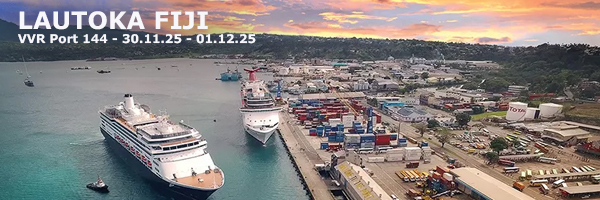
November 30 – December 1, 2025 Marti Eicholz Lautoka, located on the sun-drenched northwest coast of Viti Levu—Fiji’s largest island—spans an expansive 636 square miles and is home to approximately 71,573 residents. Often referred to as "Sugar City," Lautoka’s landscape is shaped by broad agricultural plains that provide fertile ground for farming, with sugarcane as the predominant crop. The city’s economy and community have long revolved around sugar production, a legacy that continues to influence its identity today. At the heart of Lautoka’s industry stands the historic Lautoka Mill, established in 1903. This facility is not only the largest sugar mill in the southern hemisphere, but it also remains a cornerstone of local employment and economic activity. The sight of old sugar trains, still faithfully carrying freshly harvested cane from the surrounding fields, connects you to a tradition that has endured for generations. Yet, Lautoka is more than just its sugar legacy—the rhythms of everyday life, the bustling port, and the vibrant spirit of its people breathe life into the city beyond the boundaries of its fields. As Fiji’s second-largest port, Lautoka plays a vital role in the export of sugar and a variety of other goods. The city’s strategic coastal location makes it a hub of trade and commerce, contributing significantly to the region’s prosperity. Positioned just south of the equator, Lautoka enjoys a climate characterized by abundant sunshine and dry, golden days. The air feels lighter, the colors seem more vivid, and sunsets linger on the horizon, casting a warm, inviting glow that welcomes you the moment you step ashore. This uplifting atmosphere is like a "warm hug," instantly enveloping you into the city’s cheerful embrace. While Fiji is often celebrated for its idyllic sandy beaches, its natural landscapes are strikingly diverse. The islands feature not only pristine coastlines, but also dramatic mountain ranges draped in lush jungle forests, as well as expansive flatlands interlaced with winding rivers. An adventurous one can explore everything from rolling sand dunes to geothermal hot springs, discovering the remarkable variety of environments that define Fiji’s islands. The Fijian archipelago owes its existence to intense volcanic activity that began over 150 million years ago. Today, the islands are home to three notable volcanoes: Koro, Nabukelevu, and Taveuni. Although volcanic eruptions were once commonplace, the region is now considered geologically stable and dormant. The interior hills of Viti Levu are primarily composed of sandstones and marls, contrasting with the volcanic rocks found along the coast. The island’s western and northern shores are especially irregular, shaped by ancient rhyolitic lava flows that were so powerful they transformed local limestone deposits into marble. Fiji’s cultural history is equally captivating. Early European explorers dubbed the islands the "Cannibal Isles" after witnessing ritual cannibalism, a practice linked to intertribal warfare and used as a means of revenge and humiliation rather than necessity. Chiefs sometimes used specially crafted forks during these ceremonies to maintain spiritual purity and pay respect to the defeated. However, the widespread adoption of Christianity in the mid-19th century, particularly following the conversion of influential chief Ratu Cakobau in 1854, brought an end to these practices and marked the close of an era defined by tribal conflict. When it comes to social traditions, the Fijian beverage kava holds a special place. Made from the root of the kava plant, this mildly sedative drink produces a gentle numbing sensation and a sense of relaxation. Kava is deeply embedded in Fijian culture, particularly during traditional ceremonies where participants gather in circles to share full cups (symbolizing "high tides") or half cups ("low tides") in celebration of significant events or as a gesture of hospitality to guests. These rituals reflect the warmth and communal spirit that define Fijian society. Fiji’s celebrated culinary scene draws significant inspiration from its traditional methods of food preparation, with one of the most iconic being the ancient lovo technique. This distinctive style involves placing heated stones and coals into a pit dug in the sand, transforming it into a natural underground oven. Meat and vegetables, often seasoned with aromatic spices and carefully wrapped in banana leaves, are layered atop the stones and left to slow-cook, resulting in tender, flavorful dishes that capture the essence of Fijian hospitality. Experiencing an authentic lovo feast is not merely about the food—it’s a cultural ritual that brings families and communities together to celebrate and share in the bounty of the land. Sports culture in Fiji centers around rugby, which holds an unrivaled place in the hearts of its people. Fiji boasts the distinction of producing more professional rugby players per capita than any other nation, a testament to the sport’s deep roots and widespread appeal. Having been introduced to the islands in the 1880s, rugby has steadily evolved from a colonial pastime to the national sport, ingrained in Fijian identity. Today, an estimated 80,000 registered players participate in rugby across the country, reflecting its role as a unifying force that brings communities together, fosters local pride, and showcases Fijian athletic talent on the global stage. For nature lovers, the majestic Koroyanitu National Heritage Park offers a remarkable opportunity to immerse oneself in Fiji’s lush wilderness. Beginning at the welcoming Abaca Village, you can embark on scenic hikes through verdant forests, traverse trails that wind past cascading waterfalls, and enjoy refreshing swims in clear mountain streams. The park’s vibrant temple, adorned with a kaleidoscope of colorful paints, adds a unique cultural element to the natural setting. Whether you’re picnicking under the canopy or trekking to panoramic viewpoints, Koroyanitu is a haven for both adventure and tranquility. No trip to Fiji is complete without a visit to the Sabeto Mud Pools, a distinctive wellness experience rooted in traditional Fijian practices. Guests apply warm, mineral-rich mud across their skin, which is believed to purify, stimulate circulation, and provide therapeutic benefits. After the mud dries, you’ll rinse off in a series of geothermal hot spring pools, each varying in temperature from pleasantly warm to invitingly hot. Tucked away in the lush Sabeto Valley, the pools offer a serene environment for relaxation and rejuvenation, making it an unforgettable way to connect with Fijian holistic traditions. The Garden of the Sleeping Giant, nestled near Lautoka, is a botanical paradise renowned for its extensive collection of over 2,000 Asian orchid varieties—originally curated by actor Raymond Burr. Visitors can stroll along winding jungle paths bordered by lily ponds and indigenous flora, with the option to take a leisurely walk or venture further to a lookout point that reveals breathtaking views of the Pacific Ocean. This tranquil garden is not only a feast for the senses but also a testament to Fiji’s rich botanical heritage and commitment to conservation. Hidden within Fiji’s lush rainforest, the Nabalasere Waterfall stands as a spectacular natural wonder. Water tumbles dramatically down a rugged rock face into a deep, crystalline pool, inviting swimmers and explorers alike. The surrounding area teems with vibrant plant life and unique wildlife, including the rare Fiji Peregrine Falcon, which nests nearby. Hiking the local trails reveals the region’s rich biodiversity and offers a chance to disconnect from the bustle of daily life, immersing yourself in the peaceful rhythms of untouched nature. What truly sets Fiji apart is the happiness and warmth of its people. According to a Gallup International poll, an impressive 92% of Fijians report feeling satisfied with their lives—a sense of contentment that radiates through their communities. This joy is rooted in a profound sense of togetherness and a relaxed pace of life, often described as “Fiji time,” which encourages living in the present and cherishing life’s simple pleasures. The concept of solesolevaki, emphasizing mutual support and collective effort, helps maintain close-knit communities where everyone looks out for one another. The island’s stunning natural environment undoubtedly contributes to this collective happiness. Pristine beaches, verdant landscapes, and gentle ocean breezes foster a deep connection to nature, promoting gratitude and positivity. The Fijian way of life is grounded in appreciation for the land, strong family ties, and a welcoming spirit, making it easy to understand why the islands are celebrated as some of the happiest places on Earth. Mago Island, a striking volcanic landmass within Fiji’s Lau Group, exemplifies the country’s blend of natural beauty and intrigue. Privately owned by actor Mel Gibson, this expansive 5,436-acre island features fertile volcanic soil, an abundance of native flora, and a unique landscape marked by a broad central plain and soaring eastern cliffs. Largely undeveloped aside from a small dirt airstrip and a handful of caretakers, Mago Island boasts a storied past in plantation farming and remains an enigmatic, secluded paradise—offering a glimpse into Fiji’s diverse geographical and cultural tapestry. In Lautoka, despite the constant motion, there’s a welcoming, relaxed pace, where everyday moments and spontaneous kindness make you feel at home. Authenticity shines through simple, shared experiences that linger long after you leave. With these memories in tow, the Odyssey now continues to Port Denarau, Fiji. |
|
Copyright © 2025 All rights reserved |