|
|
 |
|
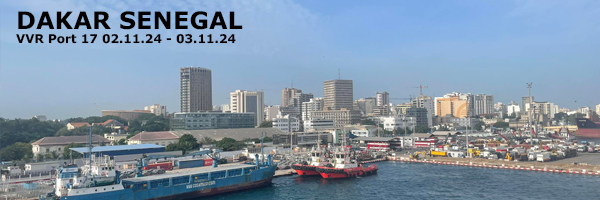
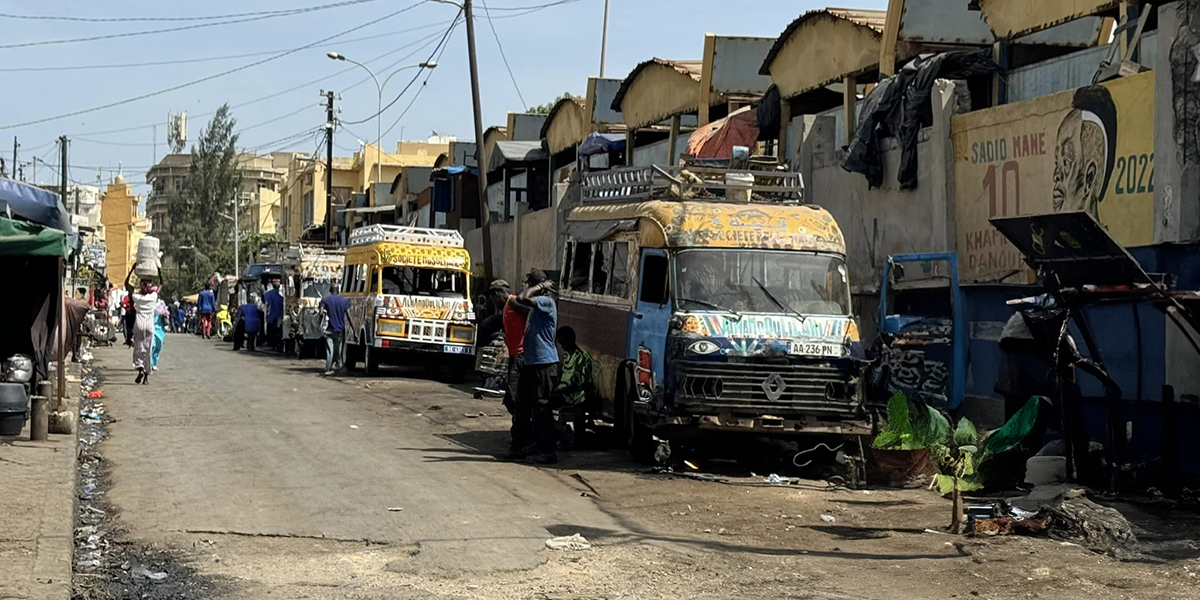
November 2–3, 2024 Marti Eicholz As the morning sun gently illuminates the horizon, our ship glides into the bustling port of Dakar, Senegal. Often referred to as “The Gateway to Africa,” Senegal welcomes travelers with its vibrant energy and rich cultural tapestry. Although French is the official language, it is not widely spoken or understood by most of the population. English is even less common, making communication a unique challenge for visitors. The mother tongue for approximately 4.6 million people is Wolof, a language from the Niger-Congo family characterized by its simplicity and minimal grammatical complexity. Senegal proudly holds the reputation of being the “Country of Sharing, Hospitality and Solidarity.” Despite a mosaic of ethnicities and religious beliefs, there exists a strong collective spirit and an enduring commitment to harmonious coexistence. Relationships and community take precedence over material wealth, and Senegalese people are eager to share their customs, stories, and traditions with guests. With ninety-seven percent of the population identifying as Muslim, religion plays a significant role in daily life. Interestingly, the country’s first president was Catholic, reflecting Senegal’s history of religious tolerance and the deep respect for diversity that continues to shape its national identity. Dakar, the vibrant capital city of Senegal, is celebrated for its rich cultural heritage and cosmopolitan atmosphere. As the largest seaport in Africa, Dakar serves as a melting pot where diverse traditions and modern influences converge. Wrestling stands out as the most popular sport in Dakar, captivating both participants and spectators with its deep-rooted significance in Senegalese society. This traditional sport is not only a form of entertainment but also a source of national pride and community identity. Senegalese cuisine is renowned for its bold flavors, aromatic spices, and communal dining traditions. Meals are often enjoyed by hand, enhancing the sense of togetherness at the table. Fish holds a central place in the diet, reflecting the country’s abundant coastal resources. One signature dish, known as “The Rice of Fish,” features marinated fish prepared with parsley, lemon, garlic, and onions, then simmered in tomato paste alongside a medley of fresh vegetables such as lettuce, cabbage, carrots, green beans, cherry tomatoes, melon, and mango. This flavorful combination creates a hearty and satisfying meal that embodies the essence of Senegalese cooking. Breakfast in Dakar is typically simple yet comforting. Residents often start their day with a cup of NesCafe, a powdered instant coffee produced by Nestlé, mixed with powdered milk. This is usually accompanied by a fresh baguette, which may be topped with leftover food from the previous evening, a generous spread of chocolate, or creamy Laughing Cow cheese. To complement their meals, Senegalese people enjoy a national drink called Hibiscus Tea, which is frequently infused with refreshing flavors like mint or ginger. This beverage not only quenches thirst but also reflects the country’s appreciation for vibrant and natural tastes. Dakar stands as the largest seaport in Africa and serves as the vibrant, cosmopolitan capital of Senegal. Known for its rich tapestry of cultures and dynamic urban life, Dakar attracts visitors from around the world with its unique blend of tradition and modernity. When it comes to walkability, Dakar fares better than many other major African capitals. The city’s layout makes it possible for residents and tourists alike to explore several neighborhoods on foot, though some may still find navigating the streets to be a challenge. According to the Prosperity Index, Senegal ranks 102 out of 167 countries, reflecting a mix of advancements and ongoing difficulties. The streets of Dakar are often sandy and marred by potholes, which can make walking less comfortable, especially during the rainy season. Safety is also a concern in certain areas, as petty crimes such as pickpocketing and bag snatching — sometimes carried out by thieves on motorcycles — do occur. Additionally, the condition of buildings varies significantly throughout the city, with some structures appearing well-maintained while others show clear signs of disrepair. In many neighborhoods, not all homes have fully functional indoor plumbing, and it is common to see people cooking meals over portable gas tanks. Despite these challenges, Dakar’s lively atmosphere, welcoming people, and cultural richness continue to make it an intriguing destination for travelers and a dynamic home for its residents. Dakar is a city of striking contrasts and vibrant energy. The streets are bustling with activity — trash piles up in some areas, and it’s not uncommon to see people and cars weaving around horses, sheep, and even laundry drying on the sidewalks. This lively chaos gives Dakar a unique character, but there’s so much more to the city than first meets the eye. On the other side of Dakar, you’ll discover miles of stunning beaches washed by the Atlantic Ocean, where world-class waves draw surfers from around the globe. These sandy shores make the city a true paradise for surfing enthusiasts, offering both challenging breaks and breathtaking scenery. At the heart of Dakar lies Independence Square, a symbolic and physical center of the city. Here, you’ll encounter a fascinating mix of architectural styles, from elegant colonial-era buildings to bold, brutalist structures of the 1960s. The latter are characterized by their use of exposed, unpainted concrete or rock, shaped into dramatic angular and geometric forms that lend the city a distinctive aesthetic. If you take a leisurely 15-minute stroll from Independence Square, you’ll arrive at Marché Sandaga, the city’s oldest and largest market — sprawling over an area the size of a football field. This bustling marketplace is a cultural melting pot, where residents from a variety of ethnic backgrounds come together to sell an incredible assortment of goods. You’ll find vibrant crafts, delicious foods, glittering jewelry, colorful fabrics, and intricately crafted wood and metal items, all reflecting the rich diversity and creativity that define Dakar. At the bustling market in Dakar, a vibrant tapestry of daily life unfolds before our eyes. Skilled pharmacists offer an array of traditional herbal remedies, their booths filled with fragrant roots, leaves, and powders that have been trusted for generations. Nearby, talented local artists demonstrate their craft, deftly weaving colorful baskets and delicate scarves as curious onlookers gather to watch the intricate process. The energy of the market is infectious, with the hum of conversation and the vivid displays of artistry creating an unforgettable atmosphere. A visit to Dakar would not be complete without experiencing the profound history of Goree Island — an essential destination for anyone seeking to understand the region’s past. This island, once the largest slave trading center in Africa, was controlled over the centuries by Portuguese, Dutch, English, and French traders. The House of Slaves, a hauntingly preserved building from the 18th century, served as a holding place for countless kidnapped and enslaved Africans awaiting forced transport across the Atlantic. Stepping inside, visitors encounter the original slave quarters, where iron shackles and cramped, dark cells remain as stark reminders of the inhuman conditions endured by those held captive. People were packed so tightly in these rooms that it was nearly impossible to move or even breathe, a chilling testament to the depths of human cruelty. One of the most poignant sites is the infamous Door of No Return — a passage through which thousands were led, catching a final heartbreaking glimpse of their homeland before being shipped away to lives of bondage and suffering in distant lands. Today, the focus on Goree Island has shifted toward healing and reconciliation. The preserved site stands as a powerful symbol, inviting reflection on the past and inspiring a commitment to justice, remembrance, and the ongoing pursuit of human dignity. Goree Island stands as a powerful site of remembrance and pilgrimage, stirring deep emotions in all who visit. For me, Goree transcends its physical boundaries — it becomes a vast continent of the soul, echoing with the memories and resilience of generations. The stark contrast between the cramped, haunting slave quarters and the grand, elegant homes of the slave traders delivers an unforgettable shock, forcing visitors to confront the darkest chapters of human history. This discomfort is essential, serving as an ever-present reminder of humanity’s capacity for cruelty and the urgent need to learn from the past. Despite its painful history, Goree is visually enchanting. Its winding, narrow streets are framed by brightly painted houses, lively galleries, and bustling artists’ workshops, creating an atmosphere filled with creativity and life. Goats meander casually through the lanes while local children play along the shore, their laughter mingling with the sound of the waves. Returning to Dakar, the impressive African Renaissance Monument rises, symbolizing hope, freedom, and the strength of family. The monument depicts a family gazing confidently toward the ocean, representing the promise of renewal and progress. Not far from Dakar lies Lake Retba, famous for its striking pink color, often likened to a strawberry milkshake. This unique hue is the result of the lake’s high salt content and the presence of red algae that flourish in its waters. However, recent flooding has diminished the intensity of its pink shade, changing its appearance over time. If you venture further, Bandea Reserve is located just an hour and a half’s drive from the bustling city of Dakar, making it an accessible escape into nature. Visitors can immerse themselves in the beauty of the reserve, spending time wandering through diverse landscapes teeming with wildlife. From majestic rhinoceroses and elegant giraffes to playful monkeys and striking zebras, the area offers an incredible opportunity to observe a wide variety of animals up close. Truly, it is a treasure trove for nature lovers and adventurers alike. As our journey continues and we depart Dakar for a tranquil day at sea, I am reminded of the powerful motto that resonates throughout this region: “One People, One Goal, One Faith.” This guiding principle reflects the unity and shared spirit that characterize the community, leaving a lasting impression as we sail onward. |
|
Copyright © 2024 All rights reserved |