|
|
 |
|
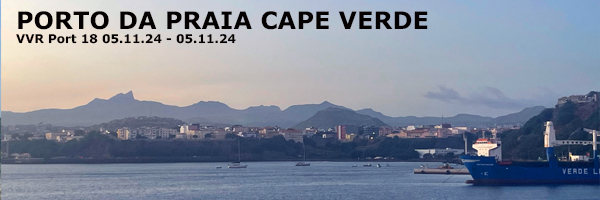
November 4–6, 2024 Marti Eicholz We spent several memorable days alternating between the tranquility of the open sea and the lively energy of ports along our route. Each day brought a new rhythm — some spent entirely at sea, embracing rest and reflection, and others anchored at vibrant destinations bustling with life and history. This is my life now. Am I surprised by where I’ve found myself? Absolutely! But more than that, I am deeply inspired by the journey and the places I’ve encountered along the way. After a blissful day at sea — one where I allowed myself the luxury of simply doing nothing and soaking in the vastness around me — we arrived at our next destination: Cape Verde (also known as Cabo Verde), where we docked for two full days. Cape Verde is a stunning archipelago of ten islands situated just off the coast of Senegal in West Africa. Once a Portuguese colony, the nation gained its independence in 1975. Each island has its own unique character, shaped by centuries of diverse cultural influences and the enduring spirit of its people. Exploring Cape Verde was both a historical and sensory delight, offering breathtaking landscapes, vibrant music, and a glimpse into its rich, resilient heritage. Cape Verde, officially recognized as a developing nation with a lower-middle income status, stands out for its remarkable cultural and geographic diversity. The archipelago is rich in history, with fascinating monuments tucked away in unexpected places, waiting to be discovered by curious travelers. Portuguese serves as the official language, reflecting the country’s colonial heritage and uniting its people across the islands. One of Cape Verde’s most beloved culinary traditions is its national dish, Cachupa. This hearty stew blends mashed maize (corn) with onions, green bananas, manioc — a starchy root that’s a staple in local diets — alongside sweet potatoes, squash, and yams, creating a flavorful and nourishing meal. For breakfast, locals often enjoy “Cuscuz,” a warm, comforting cake made from flour, cinnamon, honey, and sugar, typically served with a pat of butter for extra richness. The islands are also blessed with an abundance of fresh fruits, including coconuts, mangoes, papayas, quince, and an impressive variety of bananas, ensuring that meals are both colorful and healthy. Beyond its culinary delights, Cape Verde is renowned for its stunning beaches and a consistently pleasant climate throughout the year, making it an attractive destination for visitors. Each of the islands has its own unique charm and character, offering visitors a wide range of experiences and atmospheres to enjoy — no two islands are alike. The capital city, Praia, is the largest urban center and is distinguished by its landscape of rolling hills. The city itself is set atop a plateau, which not only gives it a distinctive appearance but also lends its name to the most central and historic neighborhood: Plateau. This area, often referred to as the Old City, is a vibrant hub where visitors can stroll among bustling shops, cozy cafes, inviting restaurants, and peaceful little parks where locals gather to relax and socialize. Walking through Plateau provides an authentic glimpse into everyday life in Cape Verde’s lively capital. Experience the Vibrancy of Local Life: In the city’s open plazas and parks, you’ll often find residents starting their mornings or winding down their evenings with communal yoga sessions or energetic cardio workouts, such as push-ups. Visitors are warmly welcomed to join in, making it a unique opportunity to connect with the community and embrace the local wellness culture. Don’t miss a visit to the Presidential Palace, an impressive landmark, as well as the striking Portuguese colonial buildings that date back to the 1500s. These historical sites offer a fascinating glimpse into the city’s rich architectural heritage and enduring legacy. The Plateau district is renowned as the cultural heart of the city, home to a cluster of small but intriguing museums. For those curious about the region’s past, the Sala-Museu Amílcar Cabral is must-see. Centrally located and unmistakable with the vibrant graffiti adorning its façade, this museum provides insightful exhibits on the West African revolution and the struggle for independence. Another highlight is the Ethnography and Archaeological Museum, which showcases remarkable artifacts recovered from shipwrecks, offering a window into the maritime history of the area. A powerful mural within the museum vividly illustrates the spirit and resilience of the local people, embodying the idea that “the fight for liberation is not only an act of culture, but also a factor of culture.” |
|
Copyright © 2024 All rights reserved |