|
|
 |
 |
 |
 |
 |
 |
|
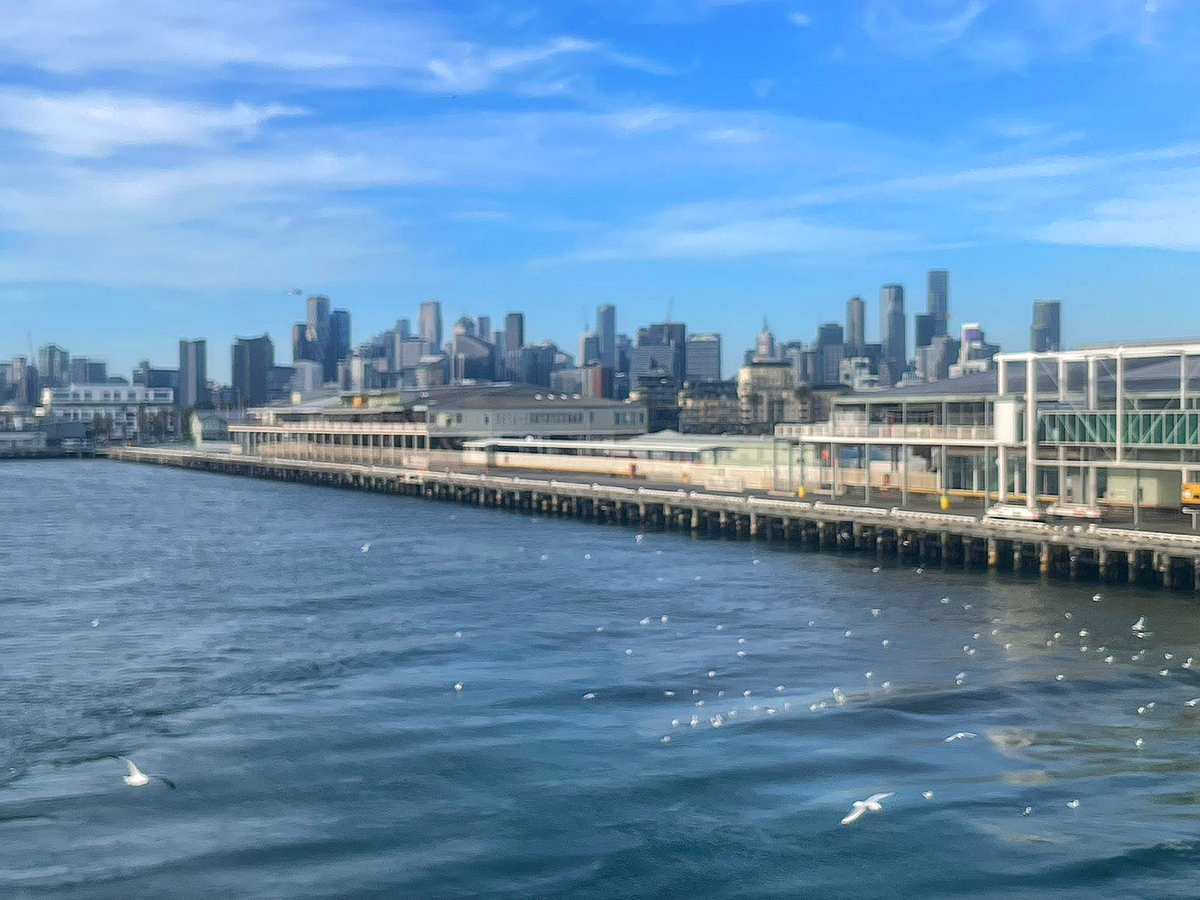
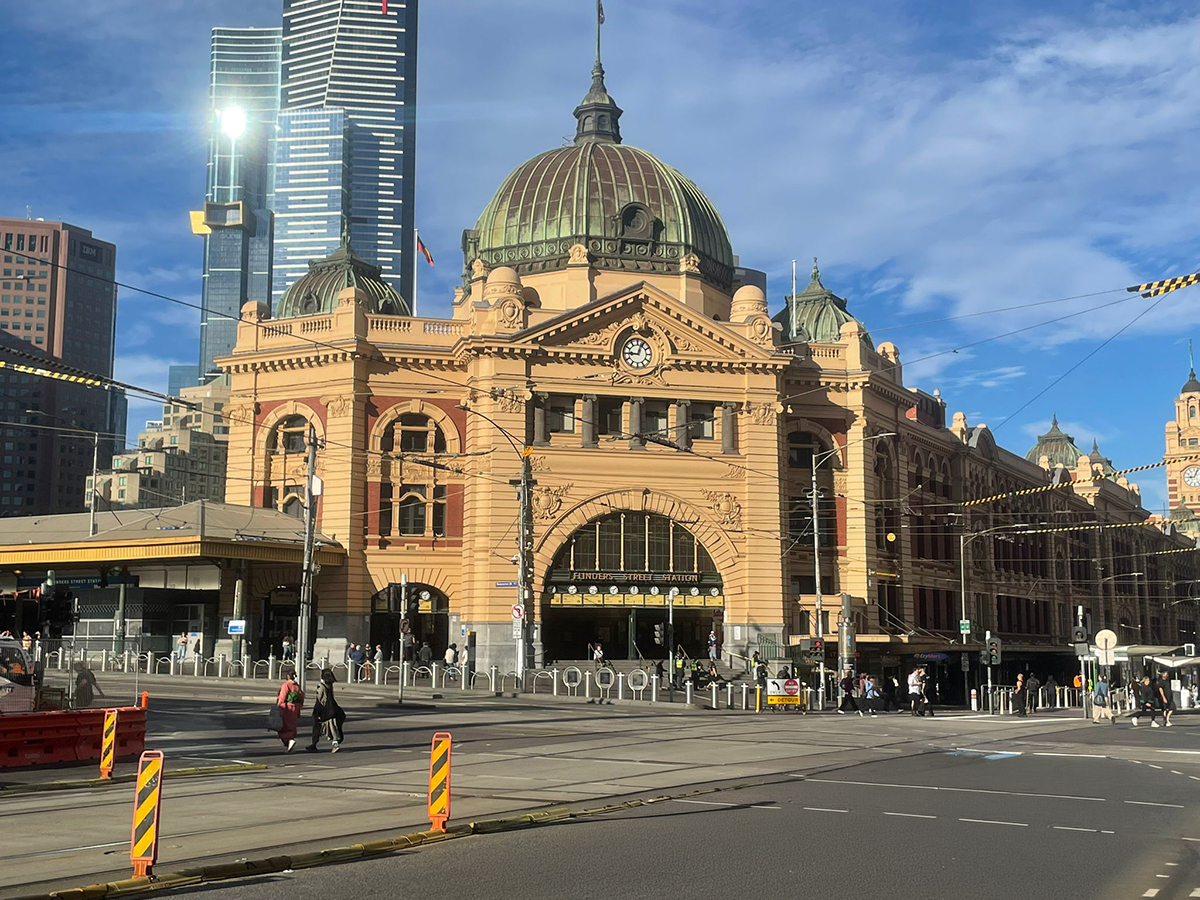
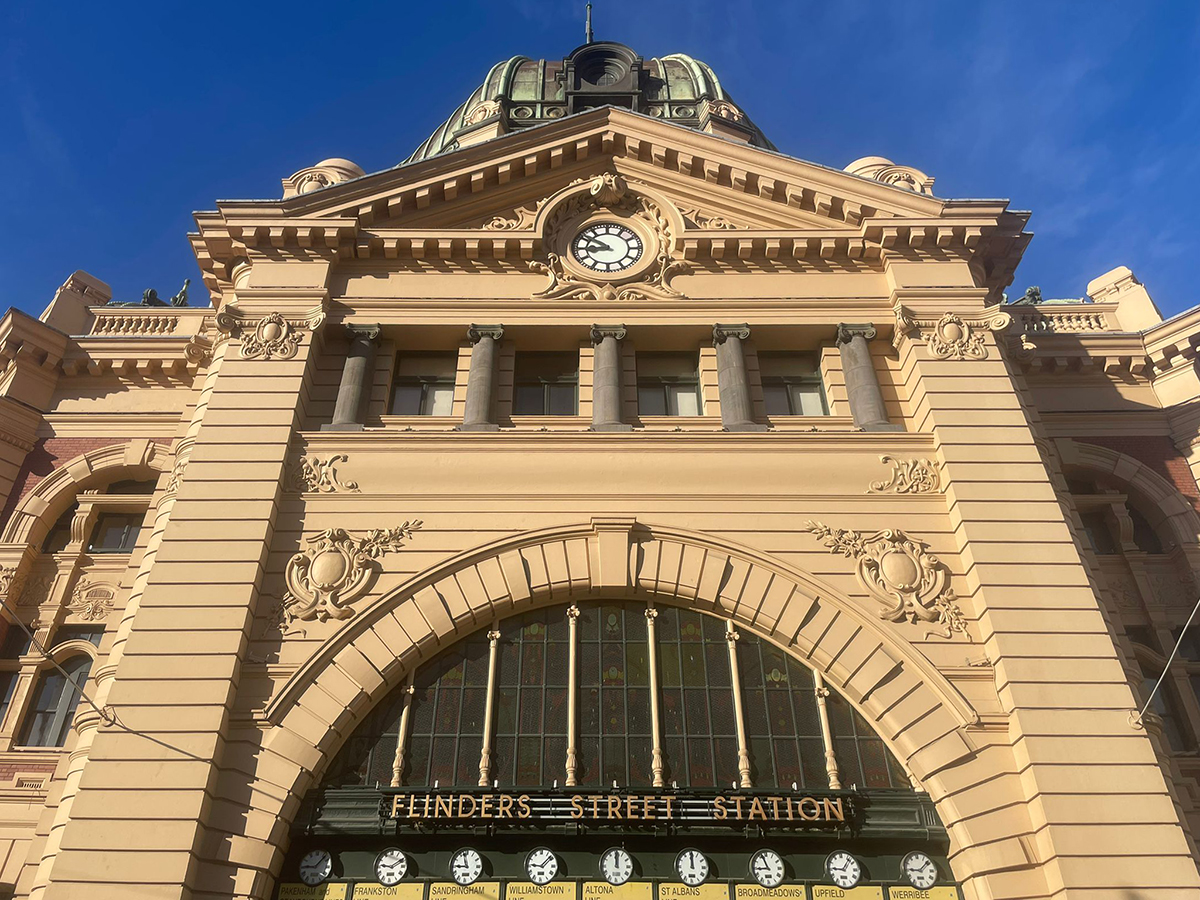
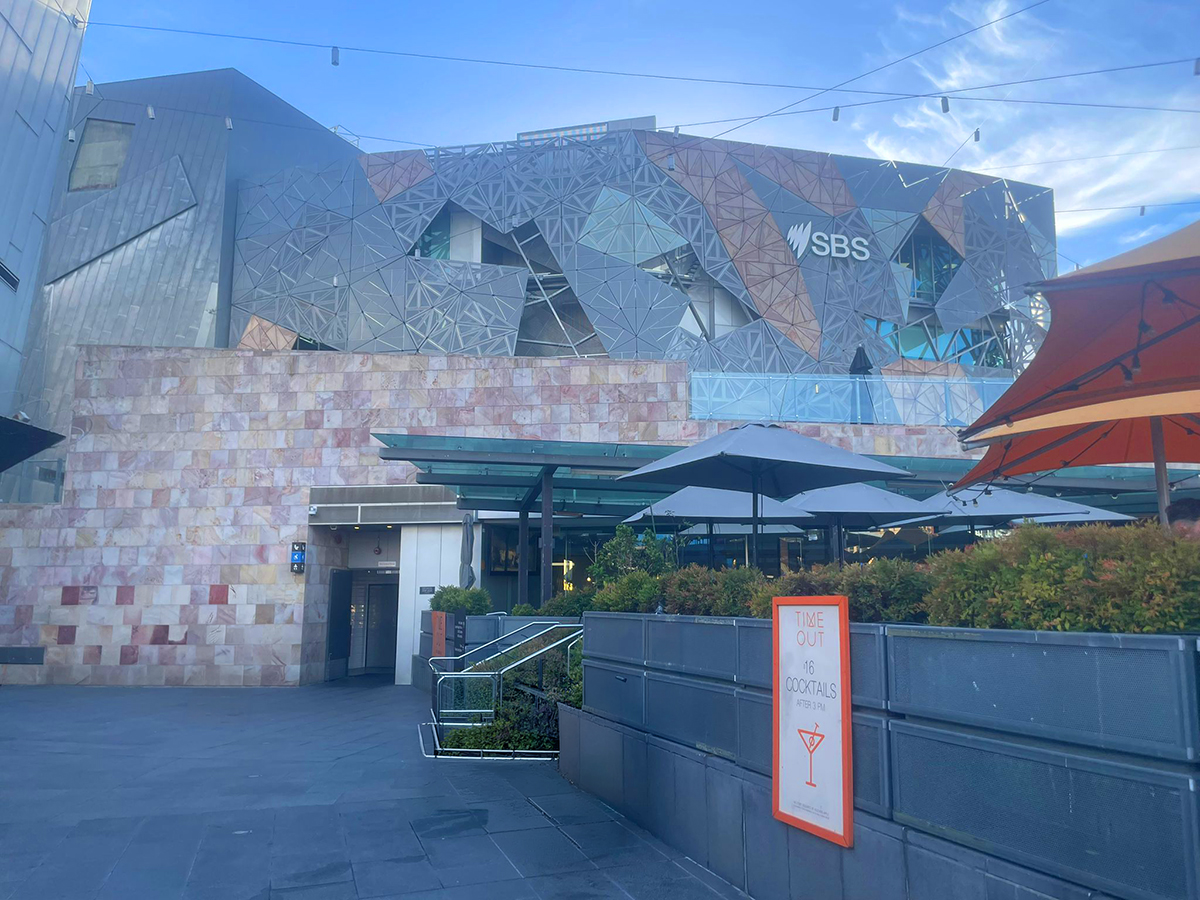
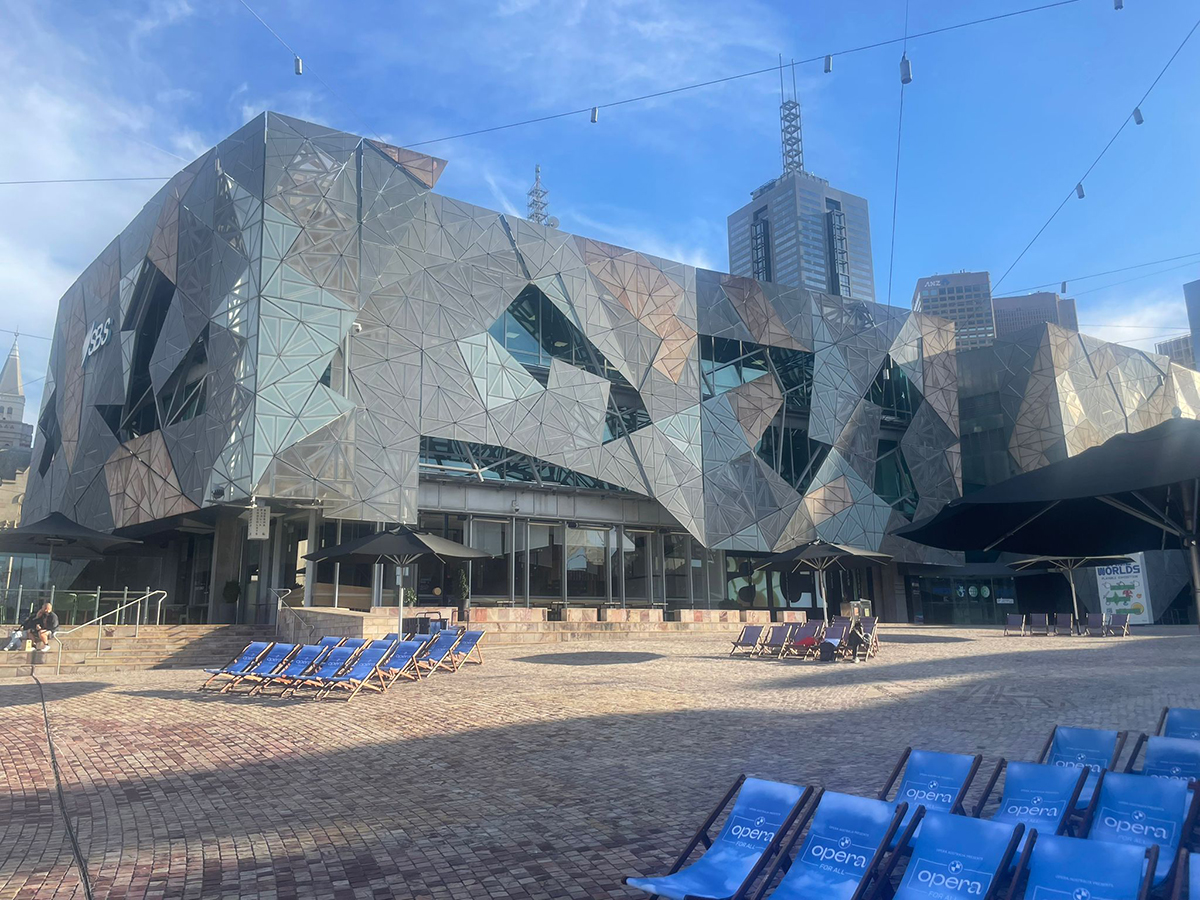
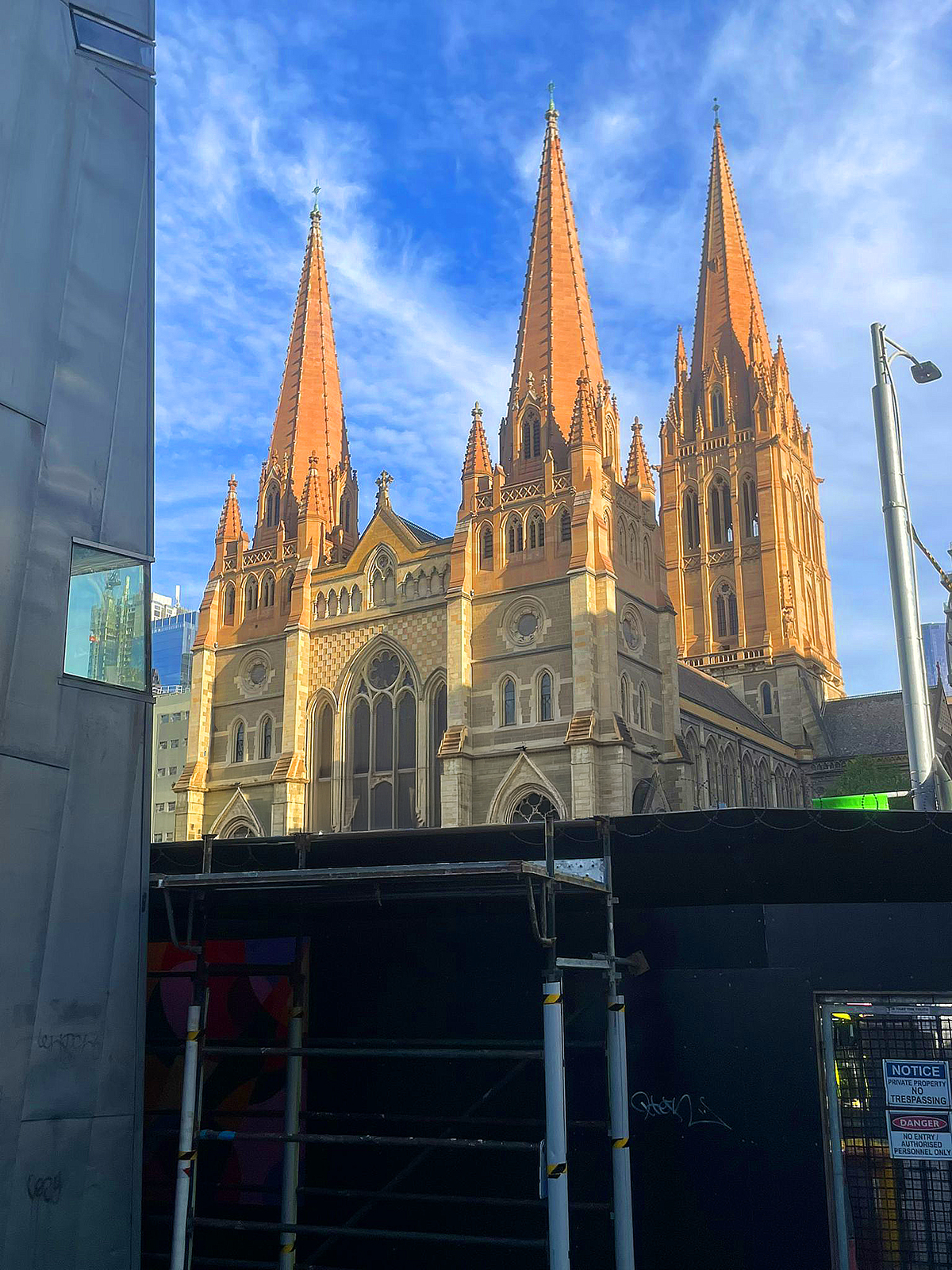
March 14, 2026 Marti Eicholz The Odyssey sets sail from Dunedin, New Zealand, embarking on a memorable voyage across the storied Tasman Sea toward Melbourne, Australia. As we leave the rugged coastline behind, anticipation mingles with excitement among all of us, knowing we are about to traverse one of the most challenging stretches of ocean in the world. The journey is marked by ever-changing sea conditions, one moment calm and shimmering under a cloudless sky, the next churned by powerful winds and swells that remind us of nature’s raw force. Australia is a land of striking contrasts and remarkable features, surprising with its unique blend of natural wonders, wildlife, and cultural innovations. As the smallest continent and the largest island, Australia is home to an extraordinary array of endemic animals, including kangaroos, koalas, and platypuses, which are found nowhere else in the world. The Great Barrier Reef, the planet’s largest coral reef system, stretches along the northeast coast and is so vast it can be seen from space, comprising nearly 3,000 individual reefs. The country’s landscape ranges from lush coastal regions, where about 90% of Australians reside within 100 km of the shore, to the expansive, arid Outback that remains largely uninhabited. Australia’s natural features also include the Australian Alps, which surprisingly receive more snow than the Swiss Alps, and Fraser Island, recognized as the world’s largest sand island and a UNESCO World Heritage Site. The Eyre Highway boasts the world’s longest straight road, stretching over 146 kilometers (90.7miles) without a single bend. Australia’s history is filled with quirky stories and innovations. In 1932, the Australian military famously struggled against the native emu population in what became known as the “Emu War.” Australians also coined the term “selfie” in 2002, reflecting their influence on popular culture. The country is home to the world’s longest fence, the Dingo Fence, built to keep wild dogs away from fertile land. Despite its beauty, Australia is renowned for its dangerous wildlife, including more venomous snakes than any other nation and marine creatures like the box jellyfish. Its remarkable biodiversity, fascinating history, and vibrant coastal cities make Australia a destination that captivates and surprises at every turn. After five days navigating the open sea, anticipation runs high. The vast expanse of ocean has been both mesmerizing and relentless, fueling a sense of excitement for what awaits on land. As the Odyssey draws closer to its destination just before sunrise, a palpable energy fills the air, everyone musters, preparing for the important face-to-face immigration process that marks the transition from voyage to adventure ashore. We arrive at sunrise; a soft golden light brings the Melbourne skyline into view and casts a glow over the city’s silhouette. It is a welcome sight after the relentless rhythm of the waves. The Odyssey makes its approach and docks at Station Pier in Port Melbourne, the city’s main gateway for cruise ships and a site steeped in maritime history. With passport and Immigration card in hand, we enter the terminal and present ourselves for a Face-to-Face Immigration Inspection. We are now ready to explore this vibrant city, stroll through its bustling streets, and soak up its unique blend of modern culture and historic charm. Melbourne, the capital of Victoria, Australia, is a dynamic and cosmopolitan city renowned for its unique blend of cultural vibrancy, historic charm, and modern urban development. Situated on the picturesque shores of Port Phillip Bay in the state's southern central region, Melbourne is characterized by its relatively flat terrain and the winding Yarra River that cuts through the heart of the metropolis. The city’s layout features a harmonious mix of grand Victorian-era architecture, leafy boulevards, and contemporary skyscrapers, reflecting its rich history and ongoing growth. Known for its highly diverse and multicultural population, Melbourne is home to over five million residents, with one-quarter born overseas and more than one hundred languages spoken across its neighborhoods. This cultural mosaic is celebrated in the city’s thriving arts scene, bustling street life, and a calendar filled with international festivals and events. Often described as the "cultural capital" of Australia, Melbourne stands out for its significant contributions to music, theater, film, and visual arts. The city experiences a temperate climate marked by four distinct seasons, often with rapid and unpredictable weather changes, locals affectionately refer to it as experiencing "four seasons in one day." The urban landscape is both sprawling and vibrant, with densely populated inner districts, extensive residential suburbs, and a lively central business district that pulses with energy day and night. Melbourne’s reputation as a global sporting destination is well-earned; it is the only city in the world with five international-standard sports facilities. This passion for sports is evident during major events such as the Australian Open, the Melbourne Cup, and the AFL Grand Final, which draw local and international crowds alike. The city’s extensive public transport system, including the largest working tram network in the world with over 250 kilometers of tracks, offers convenient access to all corners of the metropolis. Melbourne’s culinary reputation is unrivaled, boasting the highest number of cafes and restaurants per capita in the world. The city is a paradise for coffee lovers, importing an estimated thirty tons of coffee beans daily, and its diverse food scene reflects influences from every continent. Whether exploring historic laneways filled with street art or enjoying the expansive green spaces and riverside parks, Melbourne consistently ranks as one of the world’s most livable cities, cementing its place as a top destination. Melbourne is a city brimming with fascinating and quirky history. After the Gold Rush of the 1850s, it earned the nickname "Marvellous Melbourne" and quickly became one of the wealthiest cities in the world during the 1880s. This period of rapid growth and prosperity played a crucial role in shaping its character and architecture. The city is also the birthplace of Vegemite, the iconic and polarizing Australian spread, which was developed in Melbourne in 1922. Its unique taste has sparked debates across generations, with Melburnians taking pride in its origin. Melbourne's laneways are world-famous, once mere dumping grounds in the 1800s, now transformed into vibrant hubs filled with hidden bars, eclectic cafes, and boutiques. These graffiti-adorned alleyways offer a glimpse into the city's creative pulse and urban renewal. Another remarkable aspect is Melbourne's Chinatown, recognized as the oldest continuous Chinese settlement in the Western world. Established during the 1851 Gold Rush, it stands as a testament to the city’s multicultural heritage and the enduring influence of its early Chinese community. In its early days, the city was known as "Batmania" for two to three years, named after one of its founding fathers, John Batman, before it was officially renamed after the British Prime Minister, Lord Melbourne. This quirky original name reflects the unique personalities behind Melbourne's establishment. The peculiar "6 o'clock swill" was a direct result of regulations requiring all pubs to close at 6:00 pm, a practice that lasted until 1966. This rule led to a frantic rush as patrons hurried to drink within the hour before closing, leaving a distinctive mark on Melbourne's nightlife culture. According to legend, Melbourne’s Flinders Street Station and Mumbai's Chhatrapati Shivaji Terminus may have been switched due to an accidental mix-up in architectural plans. The East-Indian-inspired station was intended for Mumbai, while the Gothic style was meant for Melbourne, adding an element of international intrigue to the city’s landscape. Melbourne also has some unusual laws, including the fact that under the Crimes Act of 1958, it is technically an offence to trade with a pirate. While rarely enforced, this quirky regulation is a relic of bygone eras when piracy was a genuine concern. The Queen Victoria Market, a bustling center of commerce, is famously believed to be haunted because it was built atop the old Melbourne Cemetery. Many claim to experience eerie happenings, making the market a hotspot for ghost stories and legends. Drivers in Melbourne’s CBD face the unique challenge of performing "hook turns" at select intersections, where they must pull into the left lane to turn right. This rule was designed to accommodate the city’s extensive tram network, and it remains a curious feature of Melbourne’s traffic system. Melbourne evokes a sense of vibrant curiosity and creative comfort from the moment you arrive. The city's eclectic mix of cultures and neighborhoods inspires one to explore, while friendly locals make you feel instantly at ease. Wandering through its laneways, lined with colorful murals and lively cafés, you experience a feeling of belonging amid the artistic energy that pulses through the city. Following a brief but enriching stay in Melbourne, the Odyssey continues its adventure along the Australian coast. Over the next 36 days, we will travel to a variety of destinations, including a return to Melbourne, each offering its own distinct landscape, wildlife, and cultural experience. From bustling urban centers to remote natural wonders, our journey through Australia promises discovery, connection, and countless memories waiting to be made. |
|
Copyright © 2026 All rights reserved |