|
|
 |
 |
 |
 |
 |
 |
 |
 |
|
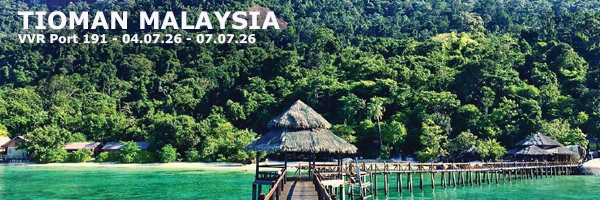
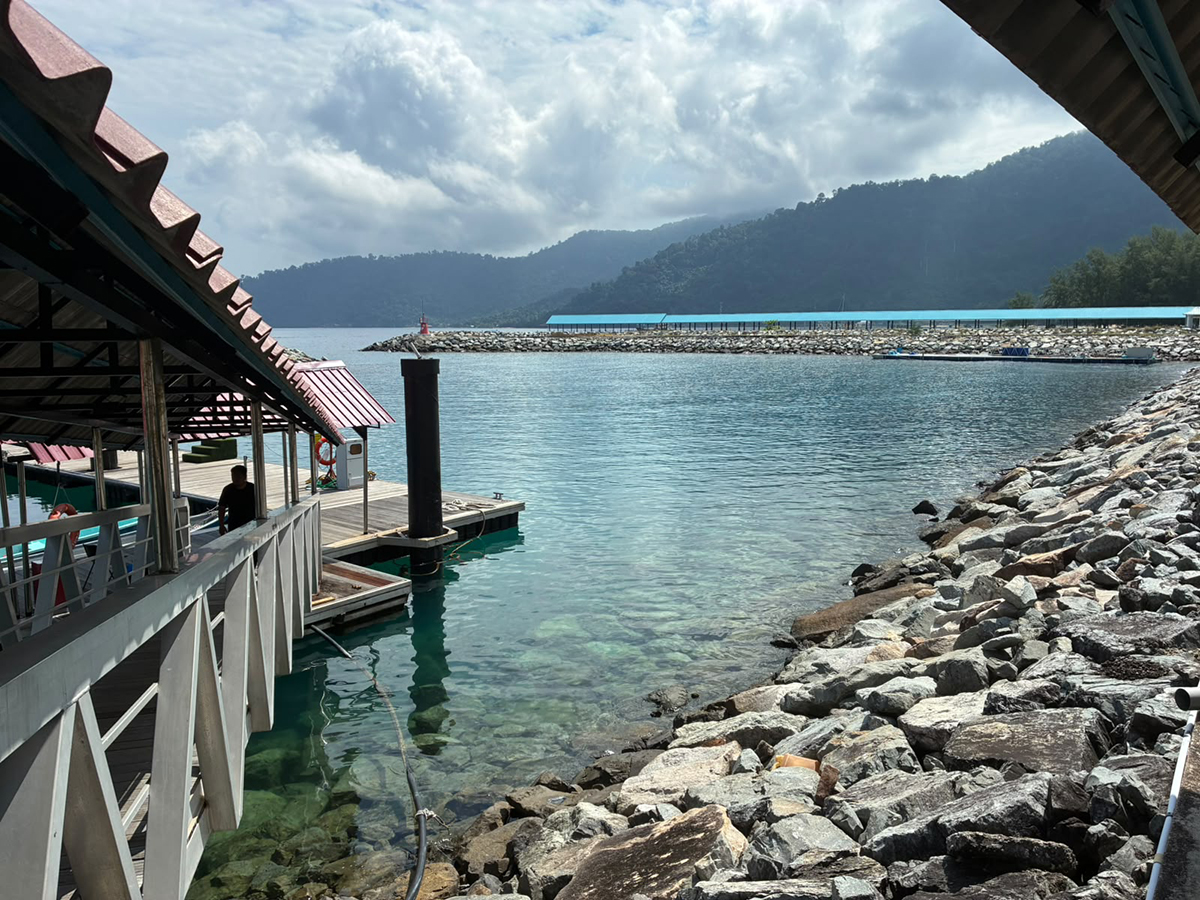
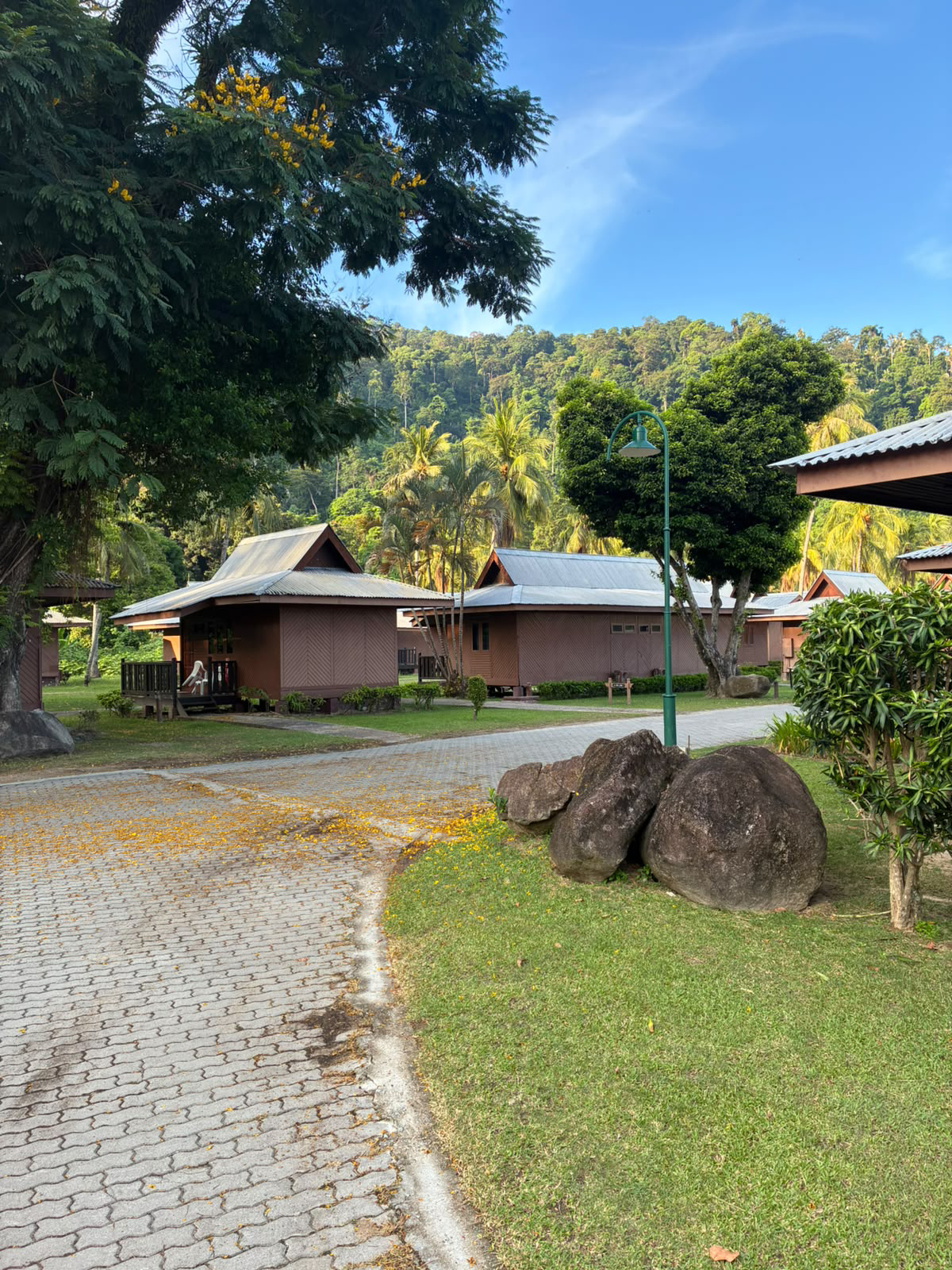
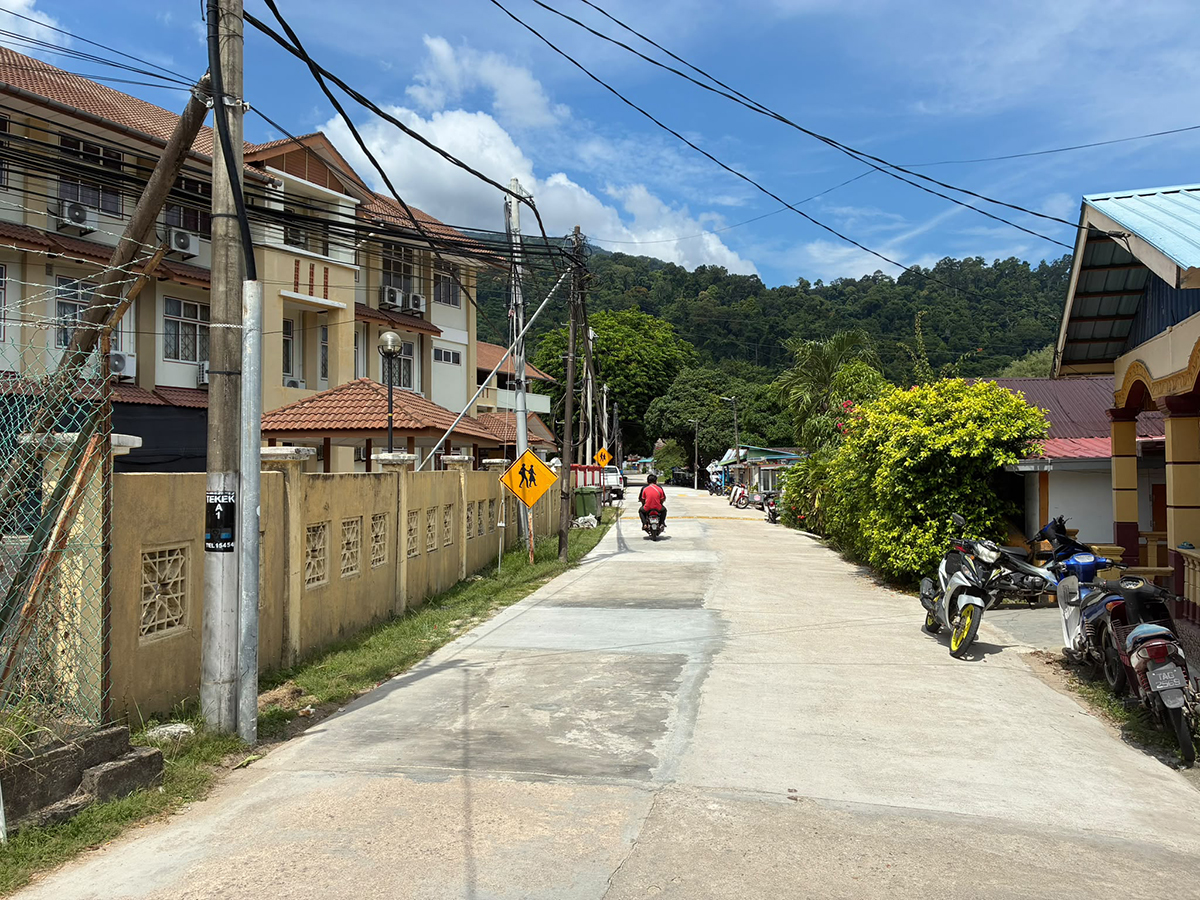
July 4-7, 2026 Marti Eicholz What Makes Tioman Special: A Personal Island Reverie The Odyssey anchors off Tioman Island, whose dramatic twin peaks have long inspired comparisons with the mythical Bali Ha’i from the 1958 film South Pacific. Local legend adds another layer of intrigue: the island is said to be the resting place of a dragon princess, transformed into land after a fateful journey across the sea. Together, its cinematic associations and enduring folklore make Tioman a memorable first glimpse of Malaysia’s island coast. Tender boats take us ashore. Arriving at Tioman is as though stepping out of ordinary time and into a quieter, salt-bright dream. Off the east coast of Peninsular Malaysia, the island rose from the sea with a kind of unstudied grace, rainforest leaning toward clear water, reefs flickering beneath the surface like hidden lanterns, and small villages resting between beach and jungle as if they had always known the rhythm of the tides. There are waterfalls murmuring somewhere inland, trails disappearing into green shadow, and beaches that did not try too hard to be beautiful because beauty has already settled there, simply and completely. What is most moving Tioman’s refusal to become too polished, keeping its edges, its wildness, its slow village breath. In that slightly rugged tenderness, you find not just an island escape, but a place that seems to loosen the knots of the world and return you, gently, to yourself. Tioman does not reveal herself all at once. She arrives first as a shimmer on the horizon, a blue-green promise rising from the South China Sea, and then slowly, tenderly, she begins to unfold. The sea is her first song, the element that calls most travelers toward her shores. Beneath that bright surface lies a world so alive it feels almost dreamlike: coral gardens glowing in filtered light, schools of reef fish moving like scattered jewels, turtles drifting with ancient calm, and the occasional shadow of a reef shark passing with quiet grace. Around Renggis Island, Tiger Reef, Soyak Island, Labas Wreck, and Pulau Tulai, the water seems to hold its breath for those willing to look closely. Yet Tioman is more than an island of beaches. What lingers with me is how the jungle presses close to the shore, as though the rainforest itself has come to listen to the tide. The island rises steeply and richly inland, clothed in dense green, threaded with village paths, waterfalls, birdsong, and the hidden movements of wildlife. Mount Kajang stands as its high point, but the true height of Tioman is not only measured in rock and rainforest; it is felt in the way the island keeps a little wildness for itself, refusing to become merely polished or predictable. Each village carries its own rhythm, its own small weather of feeling. Tekek is practical and grounded, the place of arrivals, errands, duty-free shops, the marine park office, the clinic, and the ordinary necessities that make island life possible. Juara, on the quieter east coast, feels more inward and elemental, a place of sunrise, soft sand, and slower mornings, with a rustic charm. Salang and ABC, or Air Batang, hum with the easy companionship of backpackers and divers, while Mukut keeps a more remote grace, opening the way toward Asah Waterfall and the greener silence beyond. To snorkel at Renggis Island is to step gently into wonder. The water is shallow enough to welcome beginners, yet vivid enough to leave even the seasoned quietly moved. There, among reef fish and sudden flashes of marine life, time loosens its grip. One floats above color, above movement, above a living architecture of coral, and for a while the world feels beautifully weightless. For divers, Tioman deepens into a more mysterious language. Tiger Reef and the offshore sites ask for confidence, patience, and respect for current and depth, but they reward that attention with richer encounters: textured reefs, passing barracuda, moray eels in shadowed crevices, nudibranchs like tiny works of art, and a sense that the sea has many rooms, each one lit differently. Juara Beach remains one of Tioman’s most graceful places. It has the feeling of a secret told softly: wide sky, quiet shore, and a sunrise that does not announce itself so much as pour slowly into the day. Its off-grid atmosphere gives it a tenderness that is difficult to manufacture, the kind of beauty that asks nothing except that you slow down enough to receive it. Near Mukut and Asah, the island changes music again. The path toward Asah Waterfall leads into the cool breath of the rainforest, where leaves gleam and the air grows damp and green. The waterfall itself feels like a hidden chamber of the island’s heart, long admired as one of Tioman’s most beautiful falls and remembered, too, for its association with scenes from the 1958 film South Pacific. The Tekek-to-Juara trek offers another kind of intimacy with Tioman. It is a passage across the island’s living spine, a route for those who want to feel earth underfoot and hear the rainforest speak in layers: insects, leaves, distant water, the occasional rustle that reminds you this place belongs first to itself. After the beach, the trail gives the body a different memory of the island. At the Juara Turtle Project, Tioman’s beauty becomes something more fragile and more human. It is a place that invites reflection, not simply admiration, reminding us that paradise is not only something to enjoy but something to protect. To learn about turtle conservation here is to understand the island through care: through eggs, hatchlings, patient work, and the hope that ancient journeys will continue across these waters. Even Tioman’s duty-free status belongs to the practical charm of the place. It gives us a small pleasure after the larger ones: the ease of finding drinks and selected goods at gentler prices. But what truly stays with me is not what can be bought. It is the salt on the skin, the green hush of the forest, the villages with their separate moods, and the feeling that Tioman is not merely a spot on our itinerary, but a memory one has somehow been waiting to return to. |
|
Copyright © 2026 All rights reserved |