|
|
 |
 |
 |
 |
 |
 |
 |
|
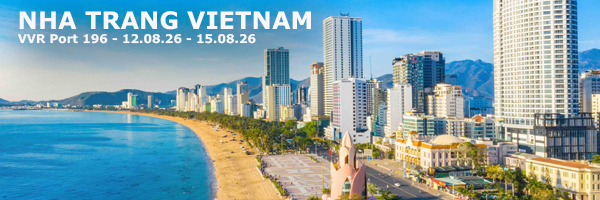
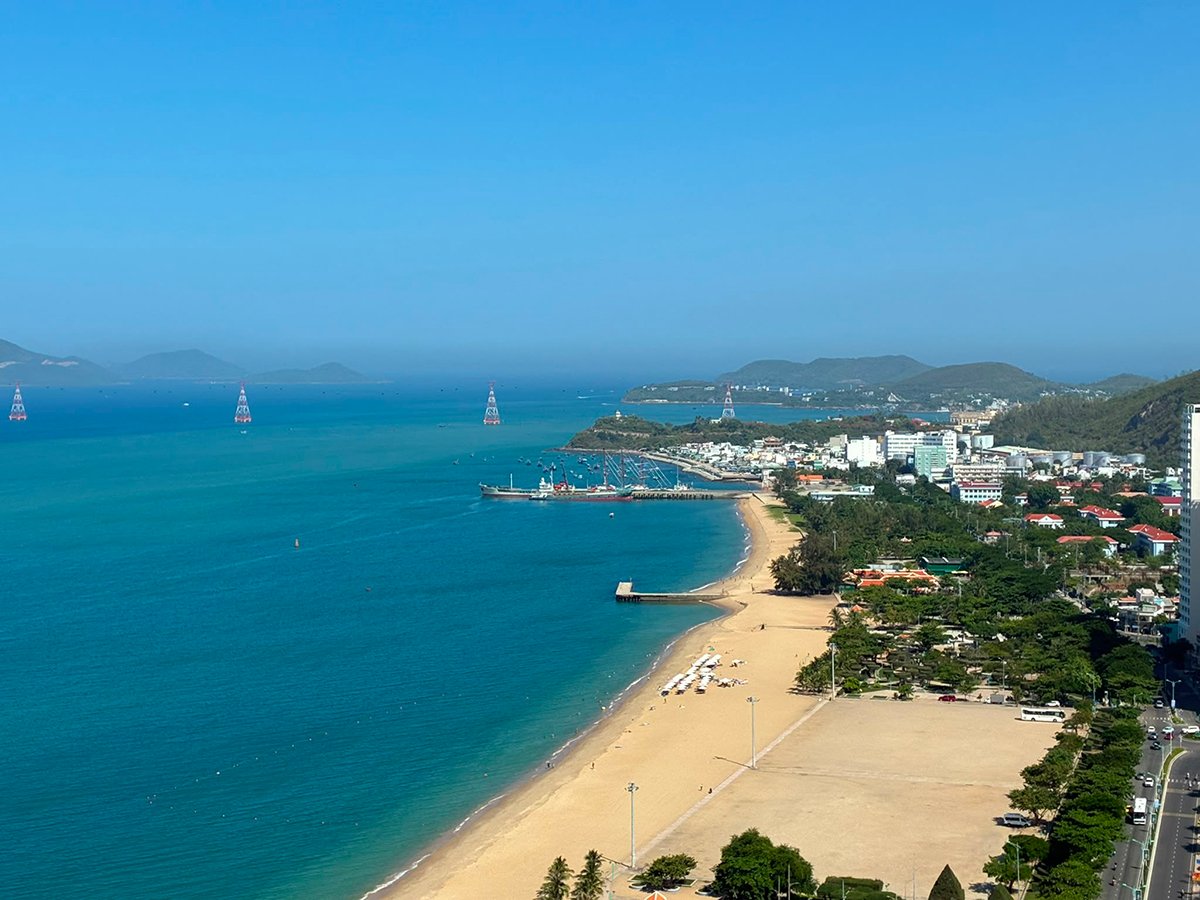
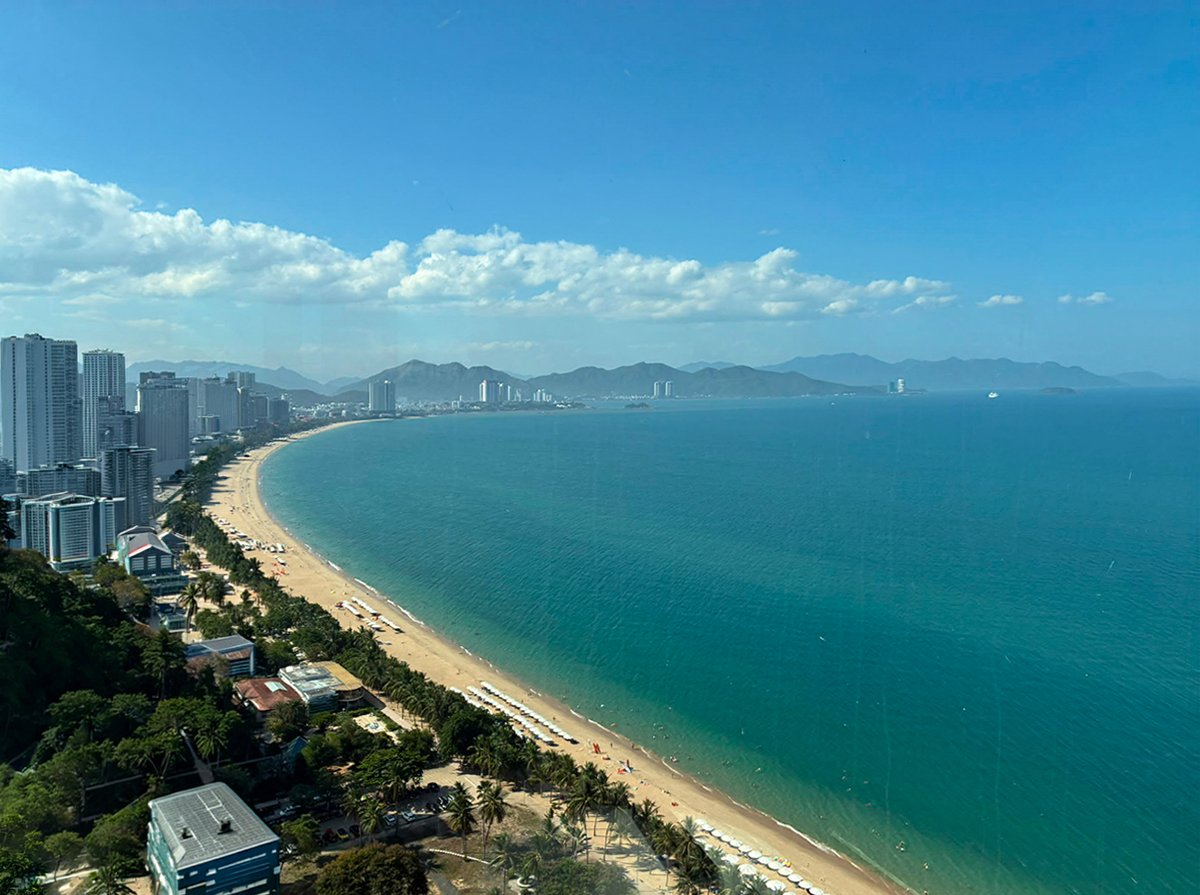
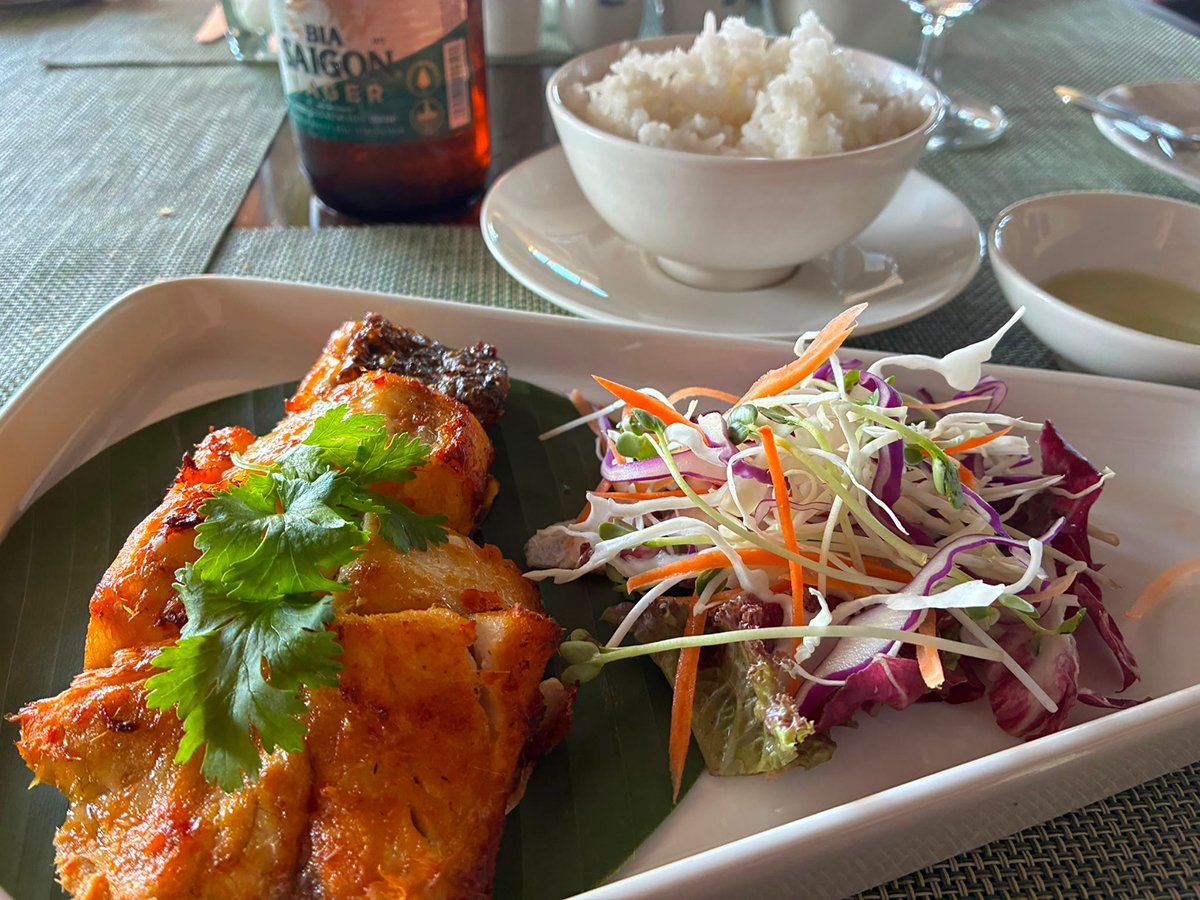
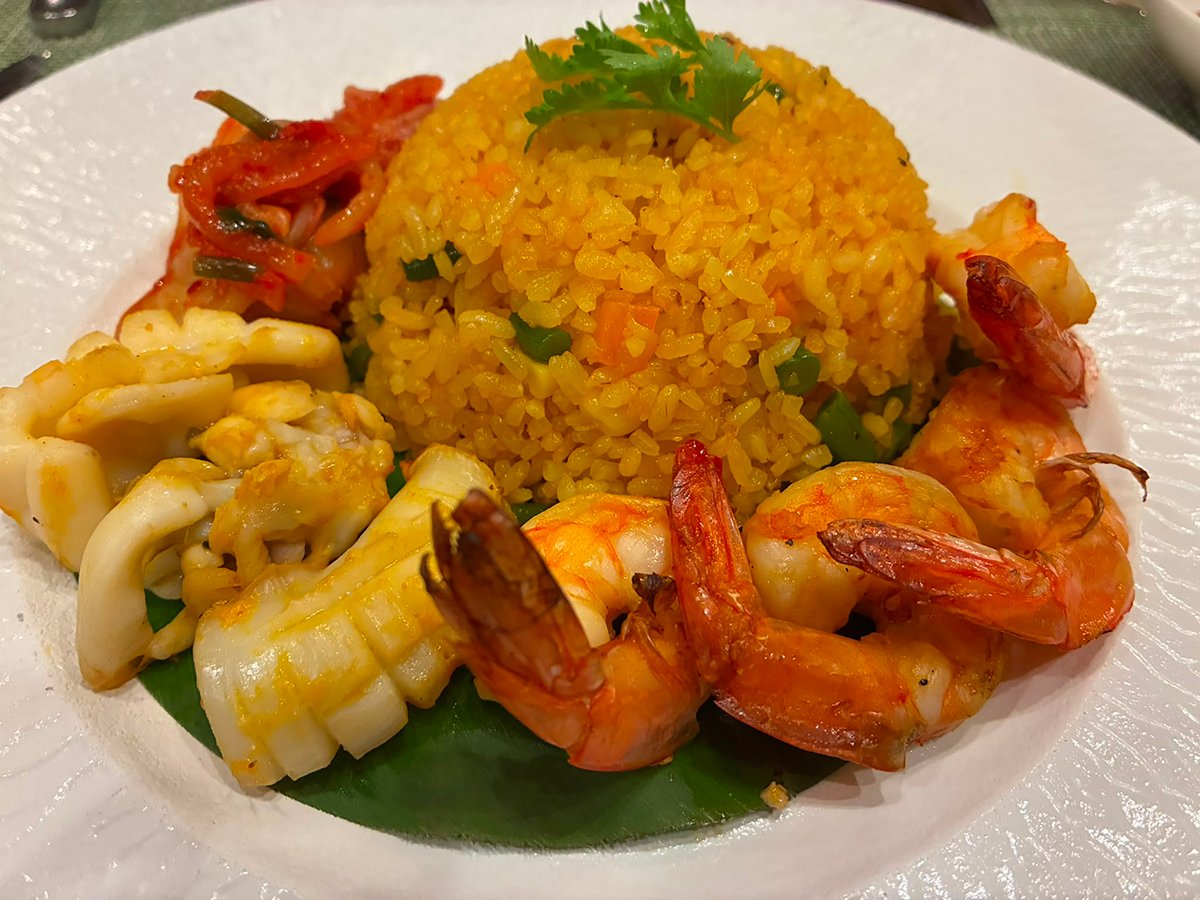
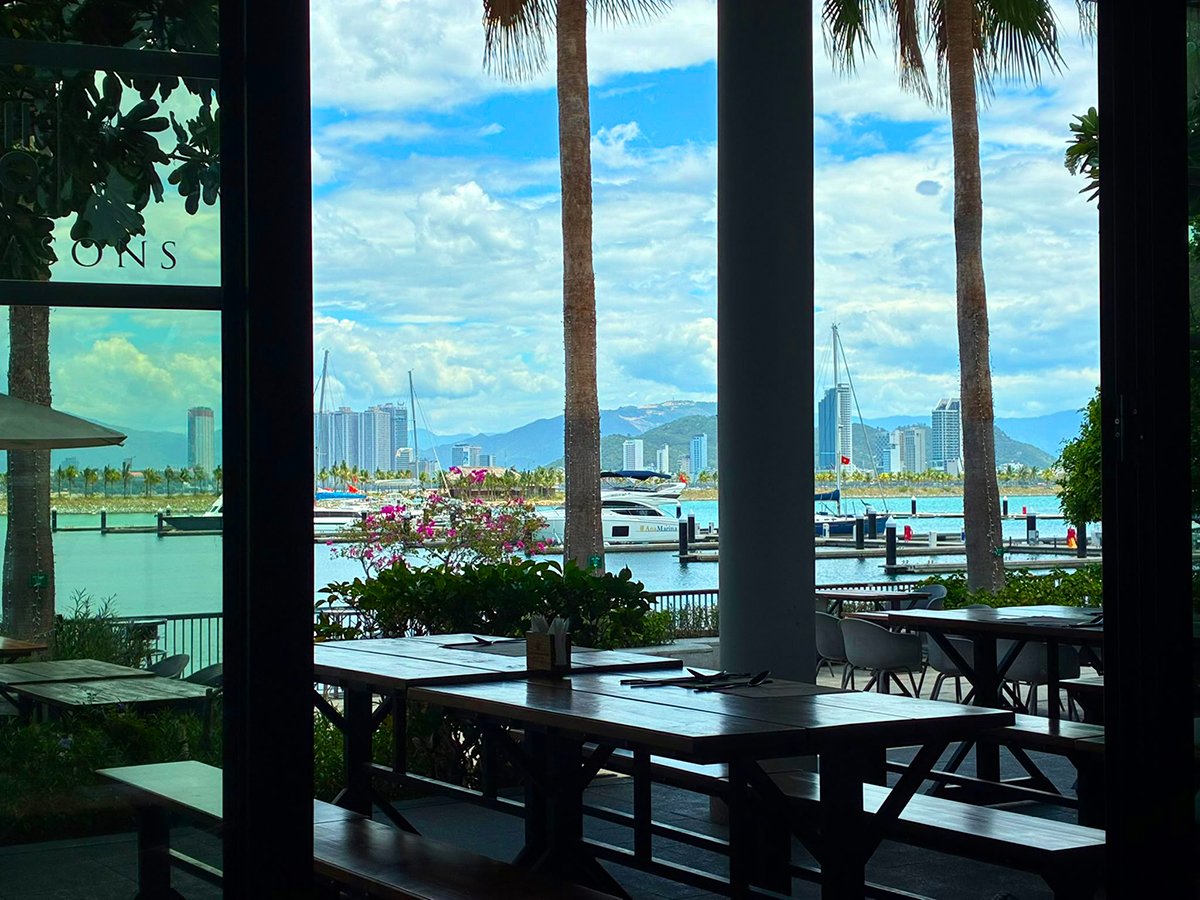
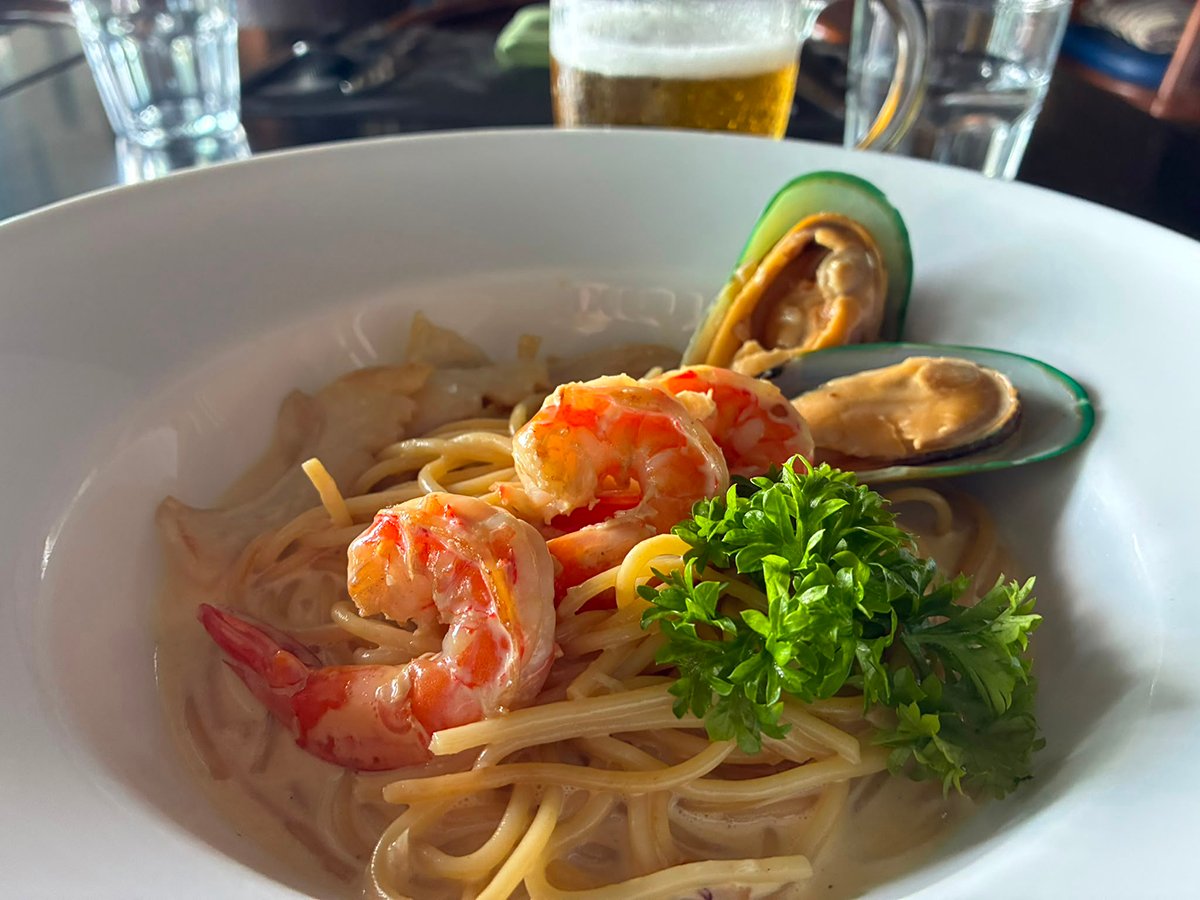
Four Days in Nha Trang August 12-16, 2026 Marti Eicholz After Singapore, the sea widened around us like a blue thought. The Odyssey moved through four days of water and weather, rain streaking the windows, clouds lowering over the horizon, the ship breathing forward through gray morning and silver afternoon. By the time we reached Nha Trang, I felt as if the voyage had washed the calendar clean. We dropped anchor offshore, and the tender carried us across the bay, over water the color of green glass and old jade, toward a coast where mountains rose behind the city like folded silk. A place first announces itself through the senses: salt on the lips, diesel in the harbor air, heat gathering under the skin, the sudden sweetness of fruit and incense. Nha Trang is the capital of Khánh Hòa Province, set along Vietnam’s south-central coast, a city of sea light and hillside shadow, of resort balconies and fishing boats, of scooter horns and temple bells. It is often described by its beach, six long kilometers of pale sand curving beside a turquoise bay. but the city is more than a postcard. It is layered: Cham, Vietnamese, French colonial, modern, practical, devotional, sunstruck. Nineteen islands scatter across the bay like green punctuation marks, and beyond them the South China Sea keeps its enormous, glittering counsel. ArrivalOn the first morning, Nha Trang felt newly rinsed. Rain had passed in the night, leaving the palms dark and glossy. Fishermen came in early, their boats low in the water, wakes widening behind them in quiet fans. The promenade was still almost empty. Vendors lifted metal shutters. A woman arranged herbs beside a steaming pot. Somewhere, coffee thickened in a glass over condensed milk. The city opened petal by petal. From the water, the city looked both relaxed and alert. Tall hotels faced the bay with polished confidence, but behind them ordinary life continued in the lanes: laundry on balconies, plastic stools gathered around breakfast, motorbikes carrying impossible cargo, schoolchildren in white shirts moving through the heat like small bright flags. I kept thinking that travel is less about seeing a place than allowing it to rearrange the furniture of your attention. The Ancient Brick and the Living PrayerAt Po Nagar, the past does not sit politely behind a rope. It rises from the hill in red-brown brick, warm beneath the hand, darkened by centuries of monsoon and worship. The Cham towers, built between the early medieval centuries and still active as a sacred place, have the gravity of things that have outlived explanation. Incense drifted through the temple courtyard. Offerings rested in quiet color. Everyone lowered their voices without being told. I thought of Kauthara, the Cham name that once belonged to this place, and of all the hands that had carried flowers, oil, rice, stone, flame. The towers seemed less like monuments than witnesses. Their bricks held heat; their shadows held memory. Below, the Cai River moved toward the sea. Above, swallows stitched the sky. For a moment, the modern city thinned, and another coastline, older, devotional, full of gods and salt wind, showed through. Long Son Pagoda offered another kind of ascent. Step by step, the city dropped away behind me. The white Buddha sat high on the hill, immense and calm, gazing over rooftops, traffic, palms, and sea. The statue’s stillness made the noise below seem temporary, almost tender. I stood there in the heat, listening to the small human sounds that survive even in sacred places: sandals on stone, a camera shutter, a child asking for water, the soft sweep of a broom. Stone, Glass, and Sea CreaturesThe cathedral, often called the Stone Church, rose with a different vocabulary: gray blocks, arched windows, stained glass, the disciplined vertical reach of French colonial faith. It felt at once imported and absorbed, a European silhouette weathered into Vietnamese light. Inside, the air cooled. Outside, scooters circled the hill, horns bright as birds. Nha Trang is full of such crossings: one empire’s stone beside another civilization’s brick, a Buddhist bell above a beach town, a seafood stall below a hotel lobby. At the National Oceanographic Museum, the sea became strange again. Behind glass, creatures floated and flickered: reef fish with impossible colors, seahorses curled like question marks, turtles moving with slow prehistoric patience. The museum reminded me that the bay is not merely scenery. Beneath its surface is another city, coral, current, shell, fin, shadow, fragile and ancient in its own right. Blue DaysBy the second day, the bay had become a kind of weather inside me. The water changed color with every hour: pearl in the morning, turquoise by noon, molten pewter under rain, then blue again when the sun returned. Offshore, Hòn Mun and the other islands appeared and disappeared in veils of humidity. Boats moved toward them with tourists, divers, fruit, rope, fuel, and expectation. Hòn Mun is known for its marine protected waters and coral reefs, but what stayed with me was the sensation of looking down into blue and understanding how little of any place is visible from shore. Islands teach this gently. They show you the edge of things: rock against water, reef beneath glare, the way beauty can be both abundant and vulnerable. On shore, the beach carried its own theater. Children ran at the foam. Couples posed at the edge of the surf. Vendors passed with coconuts and cut fruit. The air smelled of sunscreen, grilled squid, salt, hot pavement, and rain waiting somewhere beyond the mountains. I walked until my shirt clung to my back and my shoes filled with sand, and still the horizon kept offering itself like a line from a poem I could not quite finish. The Taste of the CoastFood in Nha Trang arrives with the sea still in it. Bowls of bún cá held clear broth, rice noodles, fish cake, herbs, and heat. Nem nướng came wrapped by hand, grilled pork, greens, crisp rice paper, dipping sauce sweet and sharp enough to wake the mouth. Seafood appeared in every form: snails with lemongrass and chili, clams opening in steam, prawns bright from the grill, fish carried from boat to bucket to flame. I have learned that meals are often the most honest archive of a place. History may be carved in towers and written in guidebooks, but it is also simmered in broth, folded into herbs, salted at the rim of a bowl. To eat in Nha Trang was to taste movement: China Sea and market garden, Cham memory and Vietnamese invention, poverty and abundance, patience and fire. Four Days, Held LightlyFour days is not enough to know a city. It is only enough to be corrected by it. I arrived with facts; distances, dates, dynasties, names of towers and islands, and left with smaller, truer things: the sound of rain on the ship before landfall; the tender rising and falling toward shore; incense at Po Nagar; the white Buddha in sun; a spoon ringing against a soup bowl; the dusk promenade filling with walkers as the sea folded light into itself. On the last evening, I watched the bay darken. The islands became silhouettes, the hotels lit their windows, and the water took back the day. Nha Trang did not feel like a place I had conquered by visiting. It felt like a place that had allowed me, briefly, to stand inside its weather. The city remained itself, salted, layered, restless, devout, blue, and I carried away only what travel ever lets us keep: impressions, not possessions; fragments, not certainty; a little more tenderness for the world. |
|
Copyright © 2026 All rights reserved |