|
|
 |
 |
 |
 |
 |
|
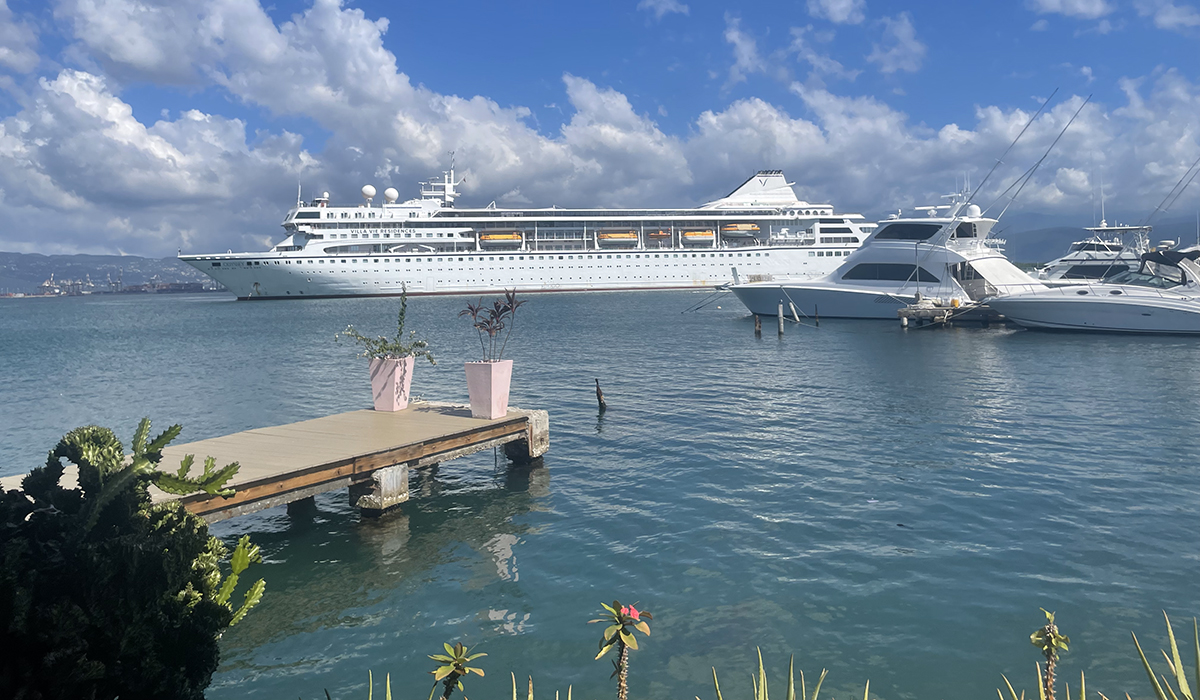
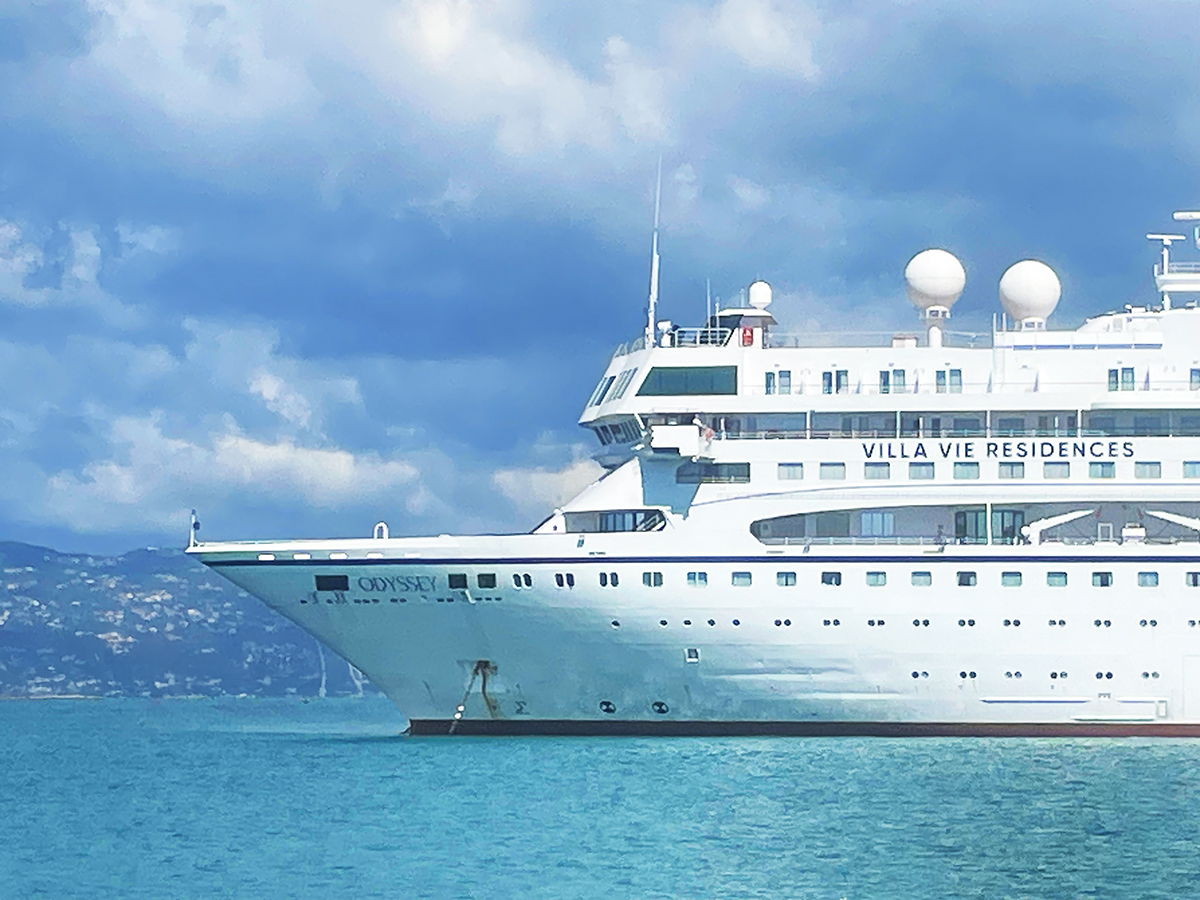
December 11–12, 2024 Marti Eicholz After a relaxing day at sea, our ship, The Odyssey, arrived at the storied shores of Port Royal, Jamaica, where we were welcomed for an unforgettable eleven-hour visit. As we prepared to disembark, the pier was alive with the vibrant sounds of local musicians, their voices harmonizing to Bob Marley’s “Don’t Worry, Be Happy,” accompanied by the steady rhythm of drums. The infectious energy and warmth of the sun cast a joyful glow over our group, setting the tone for an exhilarating day of exploration. Port Royal, often shrouded in legend and intrigue, is a quaint fishing village that rests quietly on Jamaica’s southeastern coastline, perched at the very end of Kingston, the island’s bustling capital. The town’s unique location places it on its own stretch of harbor, separated from Kingston’s lively nightlife and frenetic city streets, offering visitors a distinct atmosphere of tranquility and charm. Beneath its peaceful exterior, Port Royal harbors a fascinating and enigmatic history. In the late 1600s, this small town earned notoriety as a notorious haven for pirates, privateers, and all manner of lawless adventurers. It was here that buccaneers concealed their stolen treasures, indulged in wild revelry, and gambled away their gold and jewels in the company of local prostitutes, ultimately earning Port Royal the infamous title of “Wickedest City of the West.” Today, the salty air and gentle breezes seem to whisper tales of lost fortunes, riotous debauchery, and lingering spirits from its turbulent past. Port Royal’s reputation is deeply rooted in its remarkable maritime legacy. The town was first colonized by the Spanish in the late 15th century, before being seized by the British in 1655. Under British rule, Port Royal flourished as a major commercial port and hub of trade, attracting merchants, sailors, and fortune-seekers from across the globe. However, the city’s prosperity was abruptly shattered in 1692, when a catastrophic earthquake and subsequent tsunami struck, causing nearly two-thirds of Port Royal to vanish beneath the waves. Thousands perished in the disaster, and much of the city now lies buried beneath the seafloor. To this day, remnants of the earthquake’s destruction can be witnessed as you stroll along the town’s historic cobblestone streets, offering a poignant glimpse into its storied past. One of Port Royal’s most compelling attractions is the Underwater Sunken City, also known as the Sunken Pirate City. This submerged archaeological site has been extensively studied, revealing invaluable insights into the daily lives and routines of its former inhabitants. Protected by law, the underwater city invites intrepid divers to explore its submerged streets, buildings, and historical artifacts — including cannons, pottery, and other relics — that collectively illuminate the golden age of Port Royal and its dramatic decline. Another landmark, Fort Charles, stands as a testament to Port Royal’s strategic military significance. Constructed in the late 17th century during English colonial rule, the fort was named in honor of King Charles II of England and built to defend the thriving port and safeguard British interests in the Caribbean. Although Fort Charles suffered damage during the 1692 earthquake, it was subsequently restored and remains a fascinating site for those keen to experience a tangible connection to the town’s extraordinary heritage. During your visit to Fort Charles, make sure to explore the remarkable Giddy House, a structure with a truly unique backstory. Originally built as a military artillery storage facility, the Giddy House was intended to safeguard cannons and ammunition vital for defending both the town and its naval base. However, in 1907, a powerful earthquake rocked the region, causing the building to partially sink into the sandy ground and tilt dramatically. Today, when you step inside, you’ll immediately notice the disorienting effect of the slanted floors and walls, which lean at odd angles and create an experience reminiscent of a funhouse. Walking across the interior can leave you with an unsteady, “giddy” sensation, almost as if you’re tipsy. The Giddy House stands as a vivid reminder of the Caribbean’s seismic activity, owing to Jamaica’s position near the tectonic boundary between the Caribbean and North American plates. This location makes the island susceptible to earthquakes and adds an intriguing layer to its historical landscape. Port Royal itself is a treasure trove of architectural history, boasting a variety of beautiful old buildings dating back centuries. Many of these structures have been lovingly preserved or thoughtfully modernized and continue to serve the community today, while others have become charming ruins, offering glimpses into the town’s storied past. One standout is St. Peter’s Anglican Church, which has been a fixture in the area since the early 1700s. The church features fascinating historical artifacts, including the grave of a notorious pirate from Port Royal’s colorful history, accompanied by a tombstone that tells his captivating story. For those interested in civic history, the town’s jailhouse remains fully intact and well maintained, showcasing the resilience of Port Royal’s infrastructure. Meanwhile, culinary enthusiasts won’t want to miss Gloria’s, a renowned seafood restaurant celebrated for serving the freshest catch of the day. Dining here not only promises delicious flavors but also offers guests the chance to soak in the refreshing ocean air and vibrant atmosphere. Another notable landmark is the Plumb Point Lighthouse, which was constructed in 1853 and stands proudly on the Palisades Peninsula at Great Plumb Point, near the entrance to Kingston Harbor and close to Port Royal. The lighthouse, made of sturdy stone and cast-iron, rises 70 feet into the air and emits a flashing beacon every eight seconds. Its light can be seen up to twenty-five miles away during the night, but the structure is equally impressive in daylight, thanks to its distinctive shape and rich maritime history. Port Royal’s compelling past as a notorious pirate haven, coupled with its dramatic transformations brought about by natural disasters, makes it a destination filled with intrigue for history buffs, and anyone interested in uncovering Jamaica’s remarkable legacy. After the necessary provisions are loaded, The Odyssey will set sail from Port Royal, beginning a day at sea in route to Colon, Panama, where we’ll spend two days exploring even more adventures. The journey continues, and there’s a sense of gratitude and joy — life is truly beautiful, and I find myself still smiling at every new experience. |
|
Copyright © 2024 All rights reserved |