|
|
 |
|
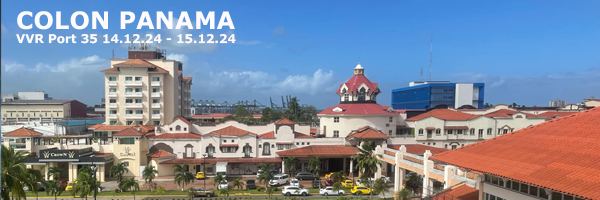
December 13–15, 2024 Marti Eicholz As we journeyed toward Colon, Panama, the sea danced beneath our ship in an energetic, almost unpredictable rhythm. Each wave tumbled over itself, creating frothy white caps that sparkled under the sun, their beauty both mesmerizing and calming to the senses. The salty breeze carried a sense of adventure, hinting at the wonders that awaited us onshore. Upon arrival, the Odyssey docked in Colon, a vibrant province nestled along Panama’s Caribbean coastline. Colon is renowned for its deep historical roots and its breathtaking natural scenery, making it a destination that captivates visitors from the moment they arrive. The province stands as a testament to Panama’s rapid growth and its rising popularity among Central American travel destinations. Central to Colon’s allure is the world-famous Panama Canal, a marvel of modern engineering. This 51-mile artificial waterway seamlessly connects the Atlantic and Pacific Oceans, slicing through the narrow Isthmus of Panama. The canal not only facilitates global maritime trade but also serves as a symbol of human ingenuity, its grandeur and significance drawing travelers from around the world. Exploring Colon’s Caribbean towns, such as Portobelo and La Guaira, is like stepping into a tapestry woven with vibrant culture and history. Visitors are greeted by the infectious rhythms of Calypso music and the lively energy of traditional Congo dances, both of which reflect the province’s Afro-Caribbean heritage. The local cuisine bursts with flavor, offering an authentic taste of the region’s culinary traditions. Portobelo, in particular, stands out as a municipality of immense historical significance. Once a bustling colonial port, Portobelo thrived as a center of commerce until repeated attacks by pirates left it diminished. Today, the remnants of its past — ancient ruins and fortifications — invite travelers to imagine the city’s former glory and the tumultuous events that shaped its history. Colon’s natural beauty is equally captivating. The province boasts idyllic islands like Isla Grande and Isla Mamey, where crystal-clear waters beckon adventurers to dive, snorkel, paddle, or kayak. For those seeking relaxation, boat tours and sun-drenched beaches provide the perfect escape. Beyond the shorelines, Portobelo National Park offers mysterious forests and hidden waterfalls, ideal for hiking and nature exploration. History enthusiasts will find much to admire in the imposing forts of San Lorenzo and Portobelo. These structures, considered outstanding examples of 17th and 18th-century military architecture, preserve enough of their original features to spark the imagination. Picture the clash of swords, the resilience of defenders, and the ever-present threat of pirates, all set against the backdrop of the turquoise Caribbean waters at the entrance to the Panama Canal. Colon’s diverse attractions — its preserved colonial relics, expansive jungles teeming with monkeys and birds, and its pristine beaches and islands — make it one of Panama’s most fascinating provinces. The region’s historical ports once played a vital role in trade with Spain, and echoes of that era remain visible today. The engineering marvel of the Panama Canal continues to awe visitors, especially at the Agua Clara Visitor Center, where interactive exhibits and panoramic views bring the canal’s story to life. No visit to Colon would be complete without seeing the iconic Church of the Black Christ. Built in 1814 and lovingly restored over the years, its chapel houses a life-size statue of the Black Christ, a deeply revered figure that draws pilgrims and tourists alike, adding yet another layer to the province’s rich cultural tapestry. Soberania National Park, nestled along the banks of the Panama Canal, is an exceptional destination renowned for its vibrant, lush jungle and the picturesque Chagres River that meanders through its heart. This park is a haven for birdwatchers, boasting an impressive diversity of avian species that attracts enthusiasts from all over the world. Adventurers of every skill level will find a variety of hiking trails winding through the dense forest, each offering unique views and opportunities to spot wildlife. After a day of trekking, visitors can cool off in the pristine natural pools scattered throughout the park, making it a perfect blend of exploration and relaxation. For those traveling between Panama’s two largest cities, Panama City and Colon, the historic Panamanian Railway offers a unique and scenic journey. Established in 1855, this iconic luxury train traverses the country, cutting a path through vibrant jungle landscapes and providing passengers with panoramic views of Panama’s natural beauty. Despite its age, the railway remains a popular and cherished means of transportation, blending nostalgia with comfort. Colon 2000 stands out as a premier shopping destination, widely recognized for its extensive range of duty-free products. This modern and secure complex provides visitors with the opportunity to purchase high-end goods at significantly reduced prices. In addition to luxury items, shoppers can find authentic souvenirs and locally crafted handicrafts, making it a must-visit spot for those looking to take home a piece of Panama’s culture. As the clock strikes two in the afternoon, The Odyssey sets sail from Colon, Panama, poised to embark on a remarkable journey through the world-famous Panama Canal. This engineering marvel, completed in 1914, is celebrated as one of the seven wonders of the modern world. The canal — anchored by the Gatun Locks at one end and the Miraflores Locks at the other — offers a shortcut linking the Caribbean Sea and the Pacific Ocean. By crossing the narrowest section of the Western Hemisphere, the Isthmus of Panama, the canal revolutionized global shipping by slashing travel time between the Atlantic and Pacific Oceans from several months to mere hours and reducing the route by approximately 8,000 miles. This achievement allowed vessels to bypass the perilous waters of Cape Horn, dramatically enhancing safety and efficiency for international trade. Each year, around 15,000 ships navigate the Isthmus of Panama through the canal, contributing to its status as a cornerstone of the global economy. The tolls collected are determined by each vessel’s size, type, and cargo volume, while cruise ships are charged based on the number of passenger beds. The immense economic and logistical impact of the Panama Canal cannot be overstated, as it continues to facilitate and shape worldwide commerce. As our ship prepares for this historic transit, we await the required inspection and patiently join the queue for our turn in the passage. The journey through the canal typically spans 8 to 10 hours, with actual timing subject to the pace set by canal authorities and experienced pilots. Early in the morning, three expert pilots will board our vessel to expertly guide us through the intricate locks and waterways. To enrich the experience, a knowledgeable speaker from the Panama Canal will join us, offering live scenic commentary and sharing fascinating insights into the canal’s history, engineering, and surrounding landscapes as we make our way through this extraordinary feat of human innovation. |
|
Copyright © 2024 All rights reserved |