|
|
 |
 |
 |
 |
 |
|
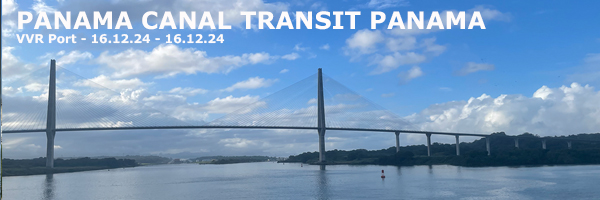
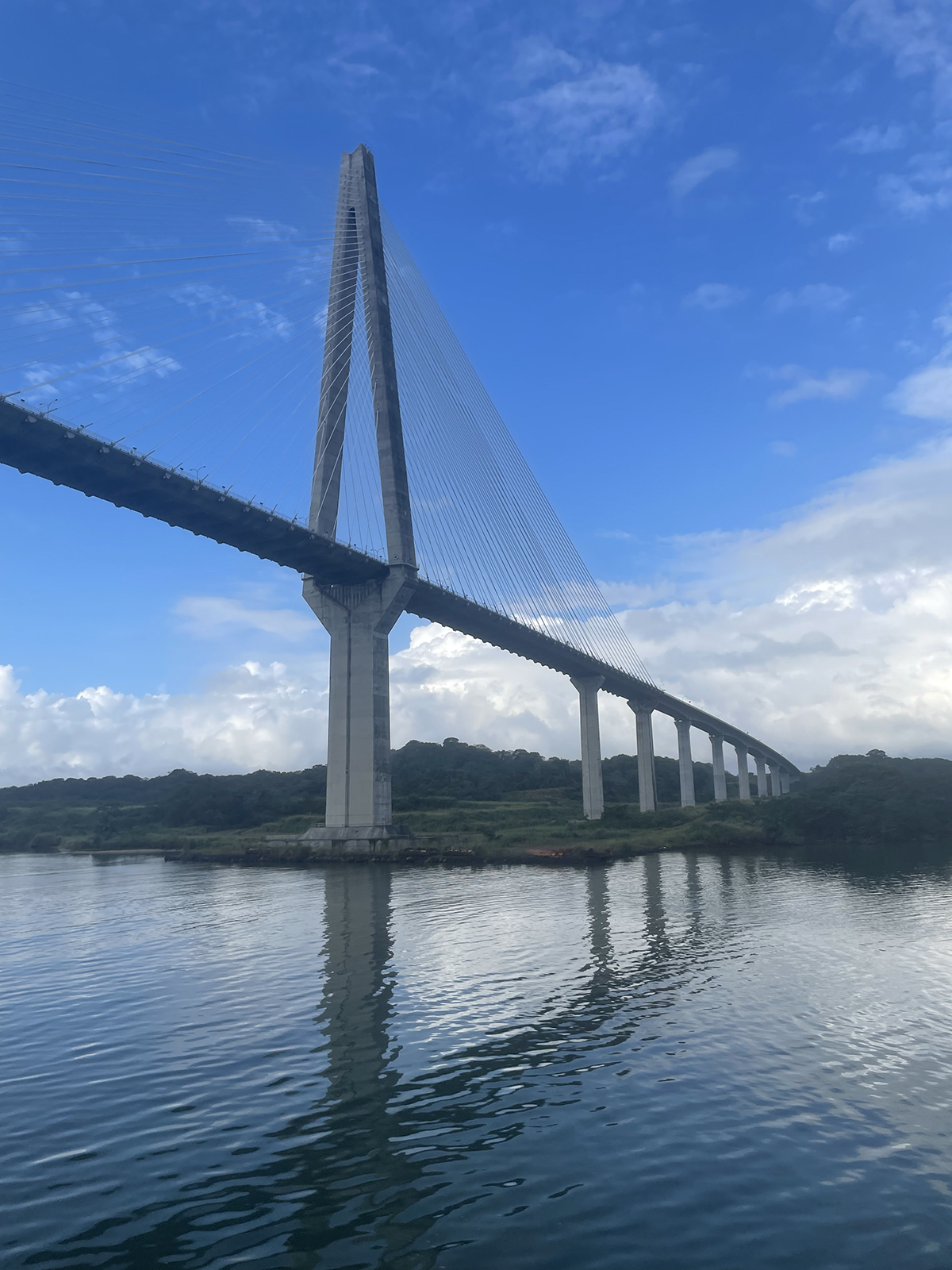
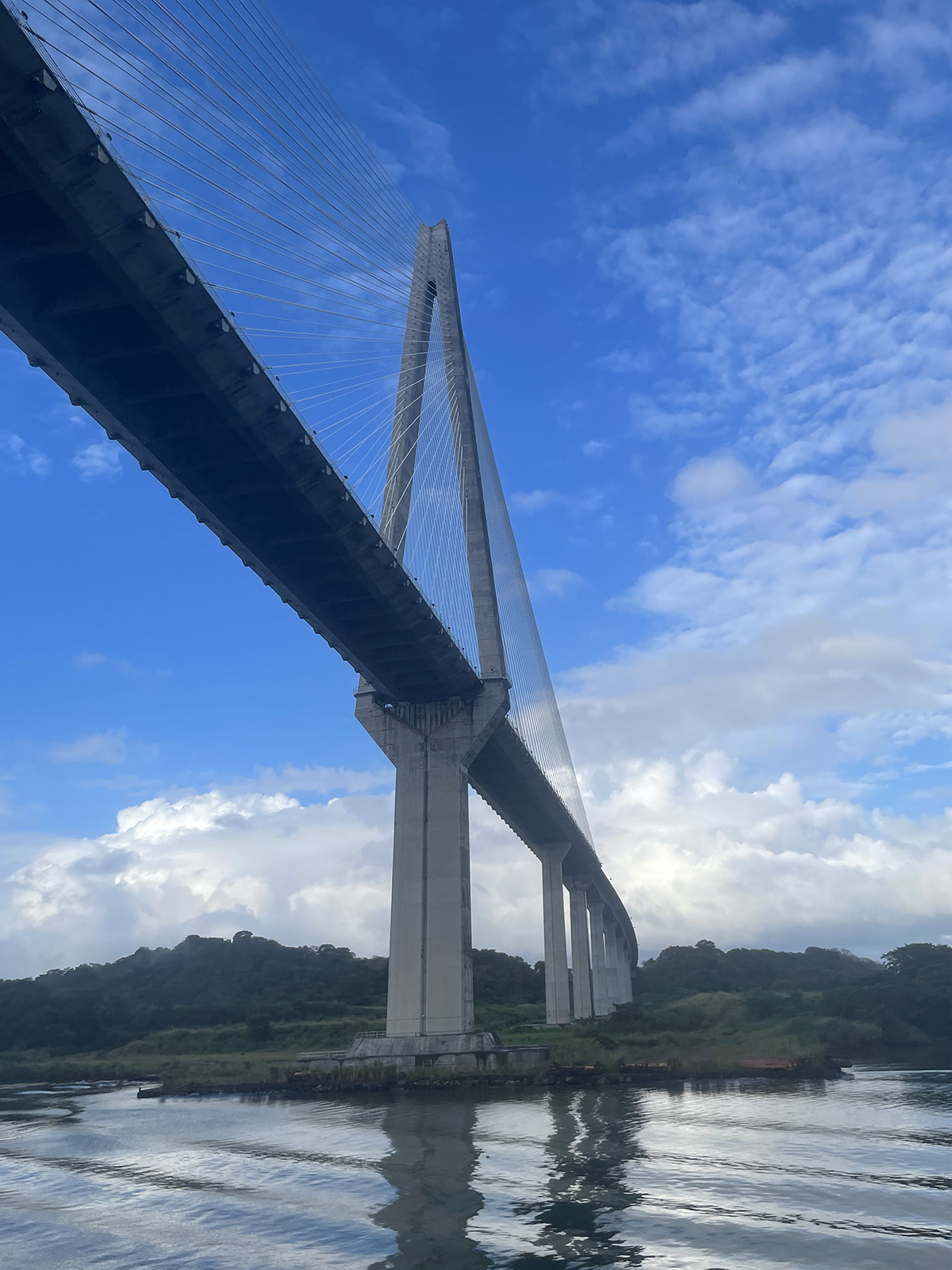
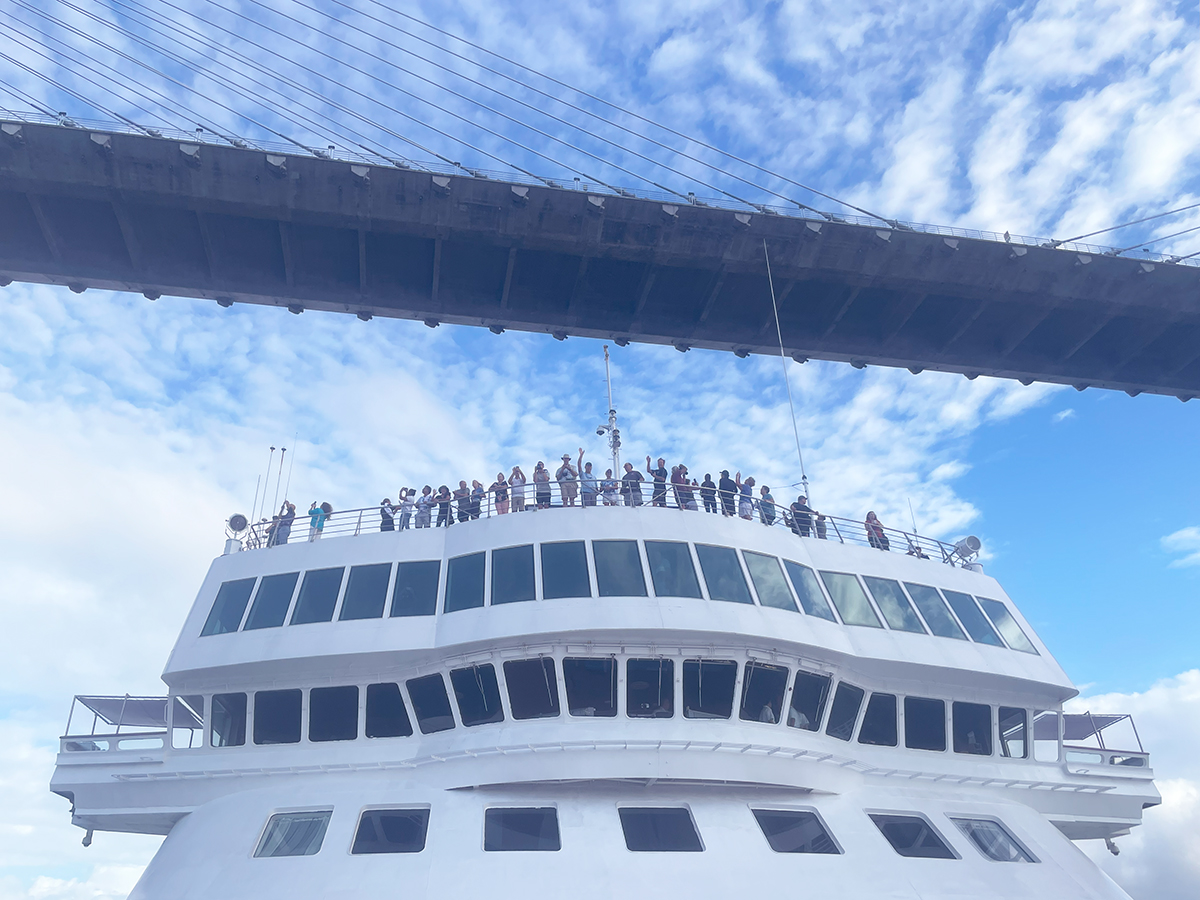
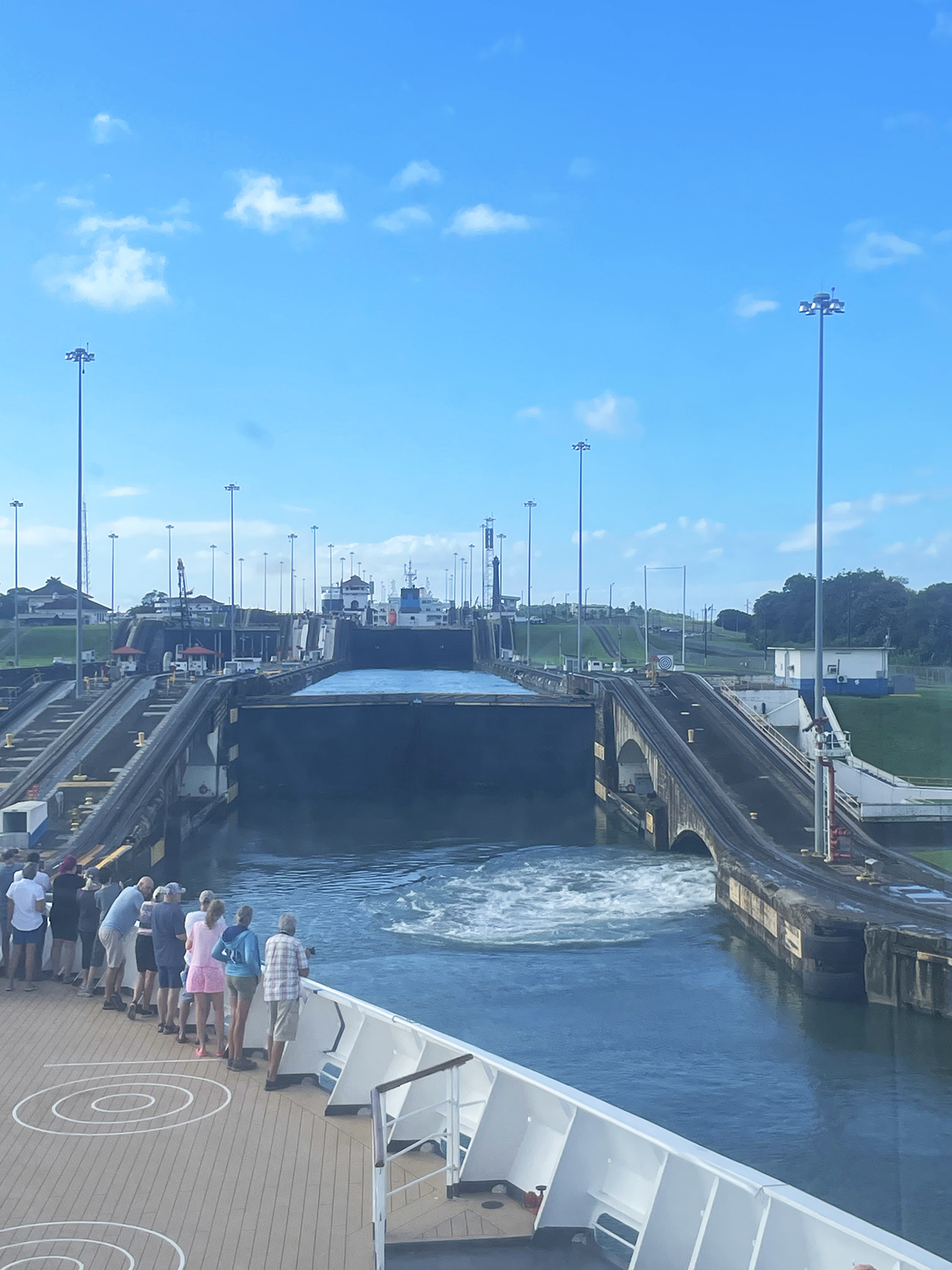
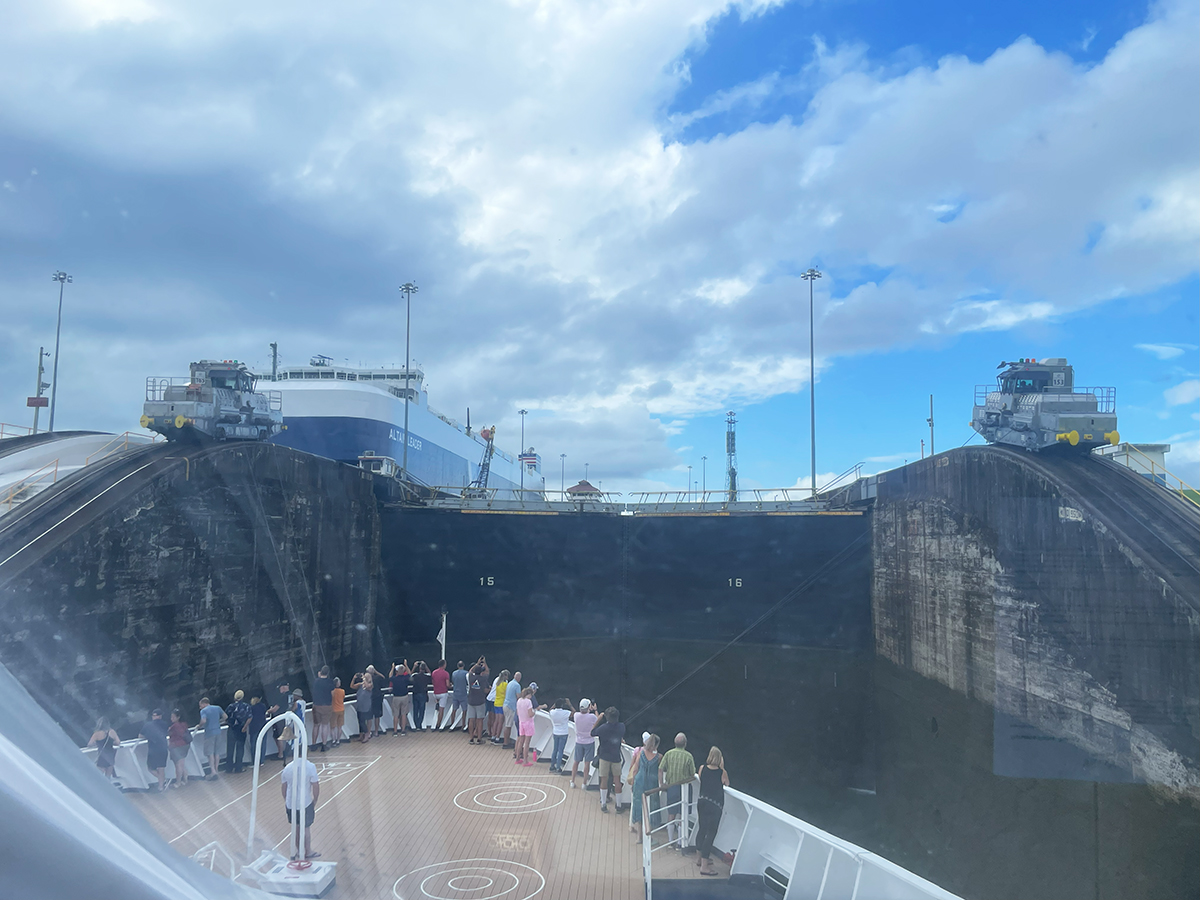
December 16, 2024 Marti Eicholz The Odyssey embarked on its historic Panama Canal Maiden Transit, marking a significant milestone in maritime history. This journey is especially momentous, as 2024 commemorates the 110th anniversary of the opening of the Panama Canal — a true marvel of human ingenuity and perseverance. Stretching across the Isthmus of Panama, approximately 620 miles north of the equator, the canal serves as a crucial link between the Caribbean Sea and the Pacific Ocean. Contrary to popular belief, the Panama Canal does not run strictly east to west. Instead, its unique geographical orientation extends from the Caribbean Sea in the north to the Pacific Ocean in the south, creating an essential shipping route that has reshaped global trade. Undertaking its construction was an audacious feat, requiring groundbreaking engineering solutions and overcoming immense natural obstacles. Even today, the canal stands as one of the largest and most challenging engineering achievements in history, unmatched in scale and complexity. The operation of the Panama Canal is a fascinating process. Ships are transported from one ocean to the other by navigating a series of inland waterways, which are carefully managed to maintain sea level. To accomplish this, six massive lock chambers — three located on the Pacific side and three on the Atlantic side — function much like giant elevators. These locks raise and lower vessels to the level of Gatun Lake, a vast manmade reservoir that holds the tremendous volumes of water necessary for moving ships between different elevations. The precision and coordination involved in this system highlights the brilliance of its design. During our transit through the canal, The Odyssey passed through several locks, lakes, and connecting channels, each offering a glimpse into the canal’s intricate infrastructure. Our journey began as we entered the Panama Canal at Christobal, leaving the Caribbean Sea behind and welcoming aboard a local pilot and a knowledgeable narrator to guide us through the experience. Stepping out onto the deck, the initial impression is one of industrial grandeur: the imposing cement walls of the Gatun Locks tower above the ship, surrounded by a landscape dominated by steel beams, towering light standards, rivets, and concrete. Along the locks, specialized vehicles known as “mules” are stationed on tracks, prepared to assist in guiding the ship safely through each chamber, ensuring a smooth and secure passage. The Panama Canal is an engineering wonder with a history spanning more than 110 years. Much of its infrastructure remains original, standing as a testament to early 20th-century innovation and craftsmanship. As you gaze from the bow or stern of a ship, the aged steel doors at both ends of each lock reveal their hand-crafted origins. Despite their vintage appearance, these doors are marvels of engineering. Each one weighs up to 662 tons, yet thanks to their semi-hollow design, they can be operated smoothly and reliably by just two 25-horsepower motors — a remarkable feat considering the immense volume and pressure of water they contain. Our journey began as we entered the series of three Gatun locks, where the ship was gradually lifted eighty-five feet above sea level to reach Gatun Lake. The transit through each lock is so gentle and seamless that it’s easy to forget you’re being elevated; only by watching the lock walls slowly recede can you truly appreciate the steady ascent. This subtle, powerful movement is orchestrated by precisely controlled flows of water, making the process feel almost effortless from the passenger’s perspective. Once raised, we sailed serenely across Gatun Lake — a vast freshwater expanse nestled within the lush Panamanian rainforest. The scenery is breathtaking; we scanned the shores for glimpses of pelicans and crocodiles, enjoying the tranquil surroundings and abundant wildlife. Midway through the canal lies Gamboa, the operations center for the canal’s dredging division. This strategic location marks the halfway point of the crossing and plays a crucial role in the ongoing maintenance of the waterway, ensuring it remains navigable for vessels of all sizes. The journey then continues through the renowned Culebra Cut (also known as Gaillard Cut), an impressive man-made valley carved through the Continental Divide. Here, the ship passes iconic landmarks such as Gold Hill and glides beneath the striking Centennial Bridge. This stretch of the canal represents some of the most challenging excavation work ever completed, cutting through solid rock to connect two great oceans. Approaching the Pacific side, the vessel enters the Pedro Miguel Lock, where it is carefully lowered by thirty-one feet. The descent continues through the two Miraflores Locks, which together drop the ship another fifty-four feet down to sea level. The entire lock process is a real-world lesson in physics and hydrodynamics. As more than 100,000 cubic meters of water are transferred with each operation, the ship glides up and down in a controlled, almost meditative rhythm. Even those with no background in science can’t help but marvel at the ingenuity of it all. After navigating the locks, the ship sails under the Bridge of the Americas, offering spectacular views of the modern Panama City skyline before finally exiting the canal at Balboa and entering the vast Pacific Ocean. The complete passage from the Atlantic to the Pacific typically takes about 11 hours. Much of this time is spent peacefully voyaging through calm, flat waterways like Gatun Lake and the Culebra Cut, allowing travelers to fully appreciate the canal’s natural and engineered beauty. The construction of the Panama Canal was fraught with unimaginable challenges. Engineers and workers contended with deadly tropical diseases like yellow fever and malaria, frequent landslides, severe flooding, extreme heat, and machinery often inadequate for the colossal tasks at hand. The human cost was staggering over 25,000 lives were lost during the building of this monumental passageway. Yet, their sacrifices resulted in one of the greatest achievements in engineering history, forever transforming global trade and travel. Now the motto of the Panama Canal is “For the Benefit of the World.” This crossing was a profound and poignant experience and worthy of your bucket list of places to visit. The Odyssey will dock in Panama City. |
|
Copyright © 2024 All rights reserved |