|
|
 |
 |
 |
 |
 |
 |
 |
 |
 |
 |
|
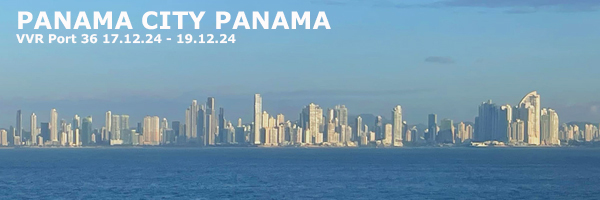
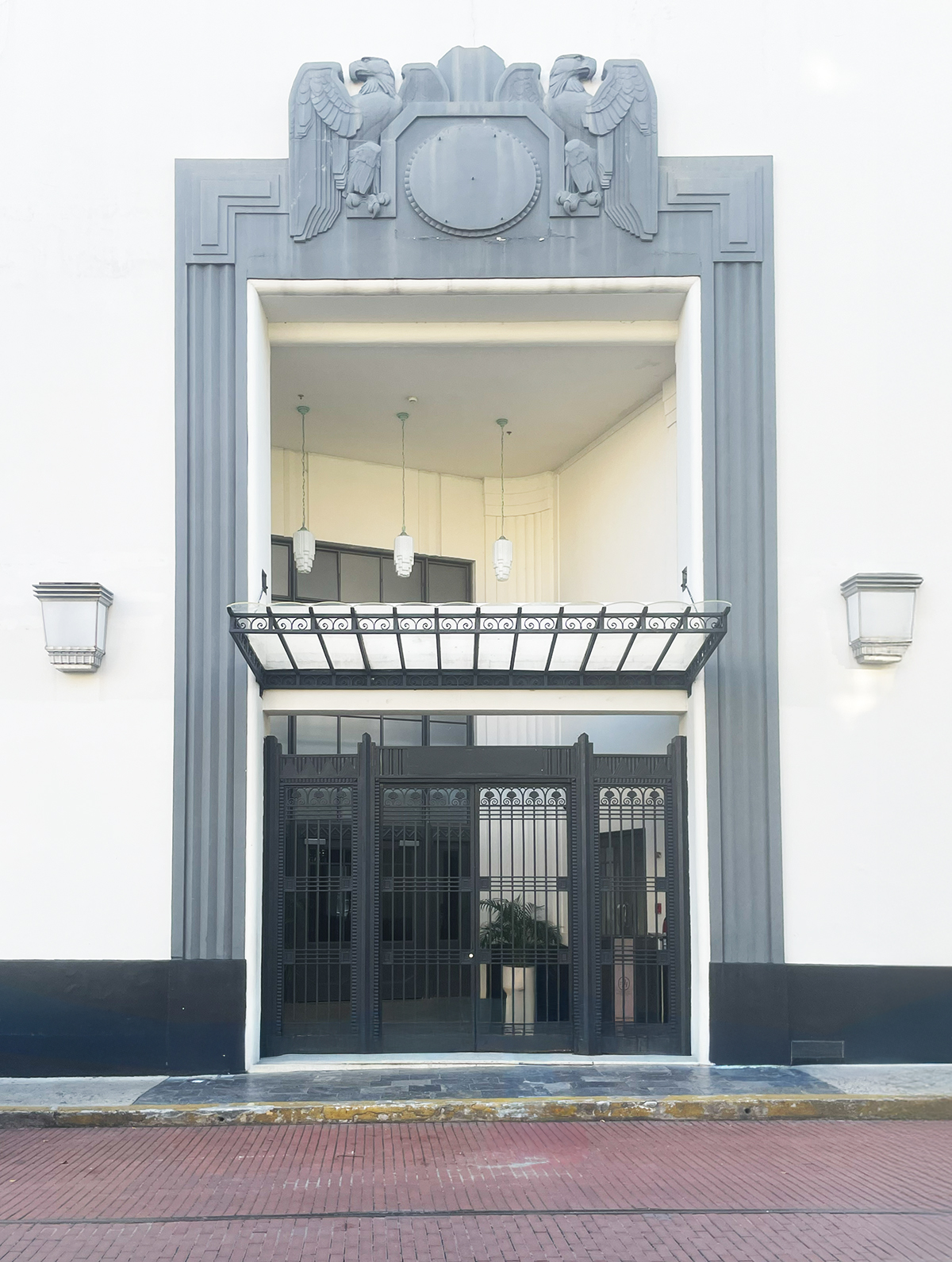
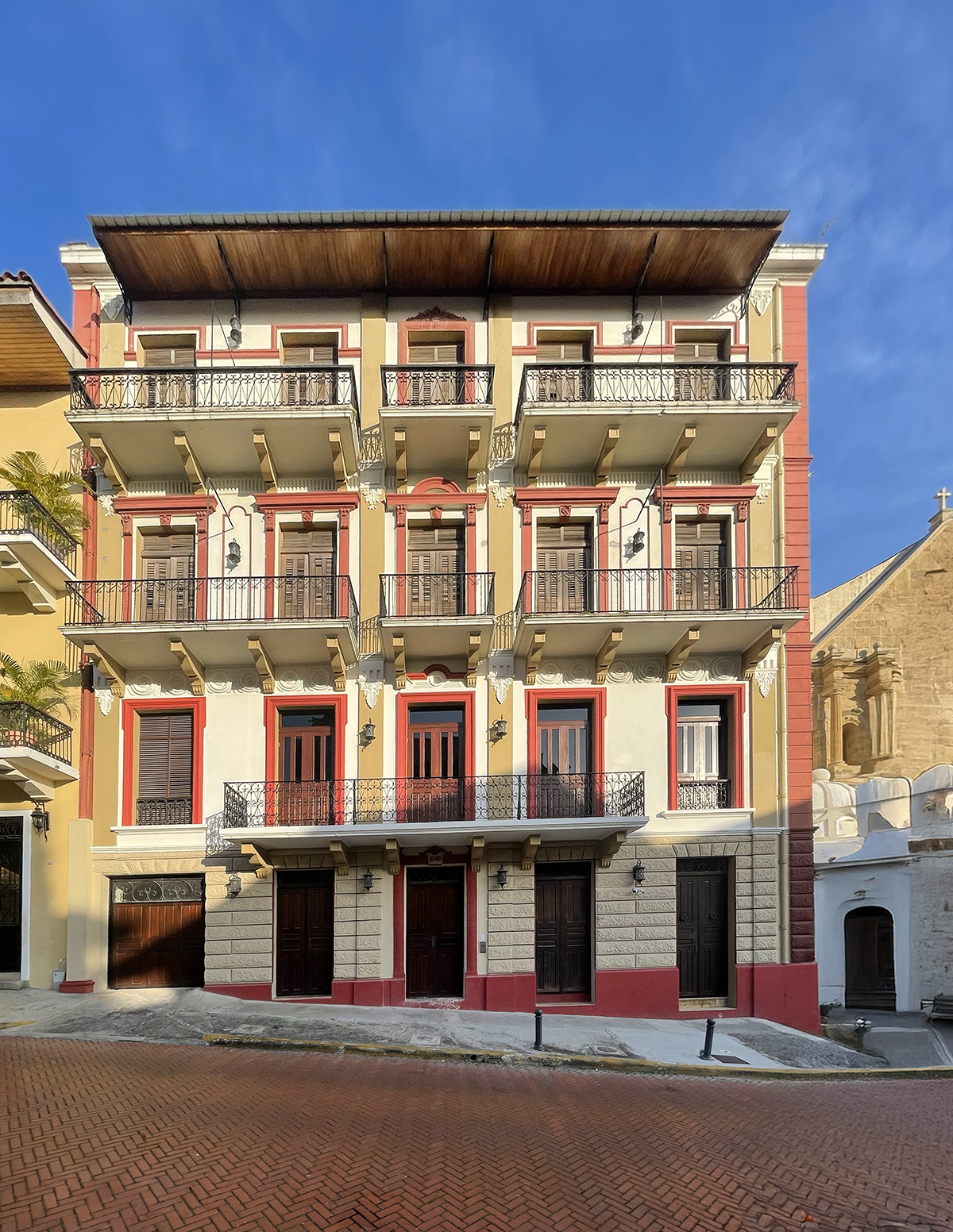
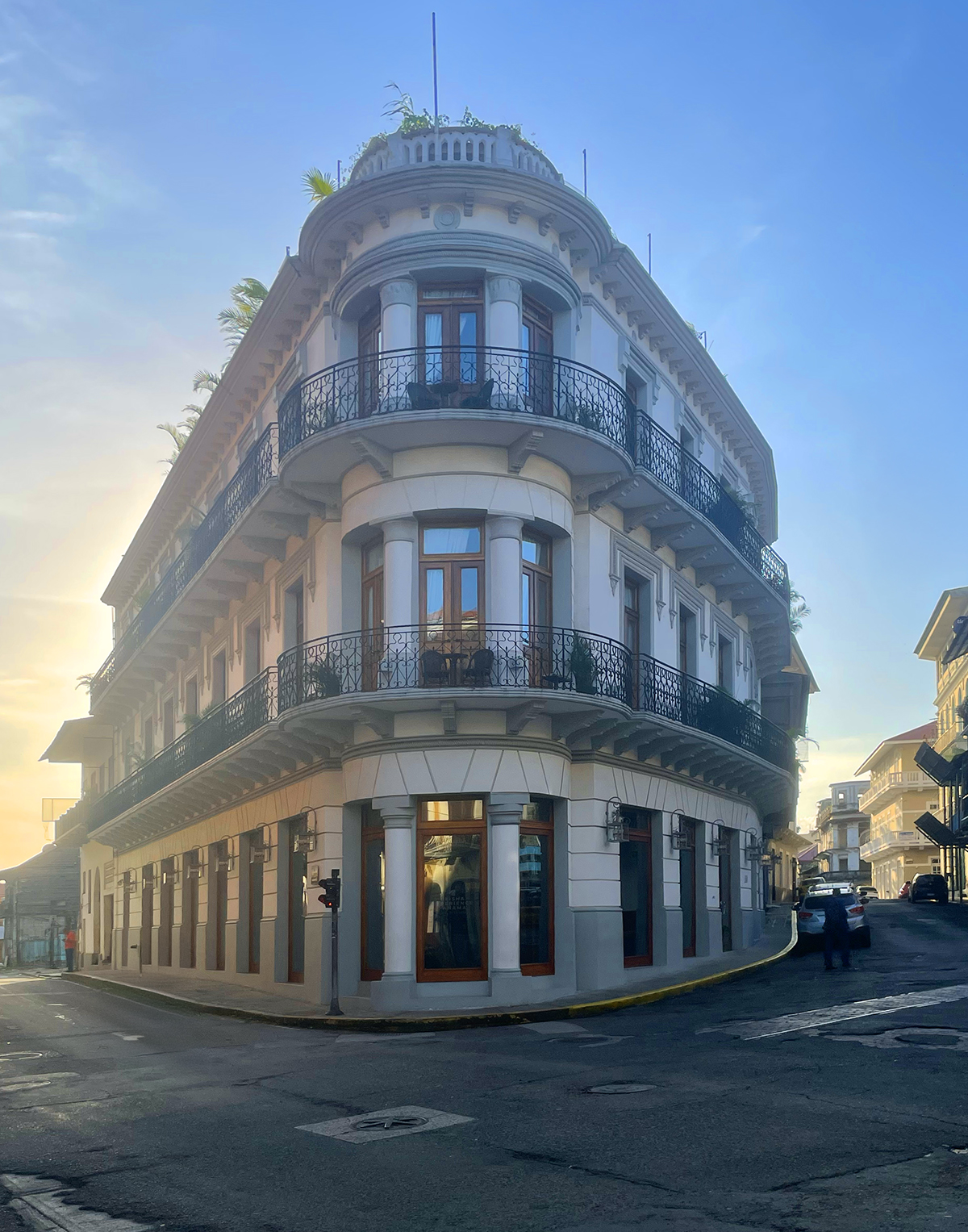
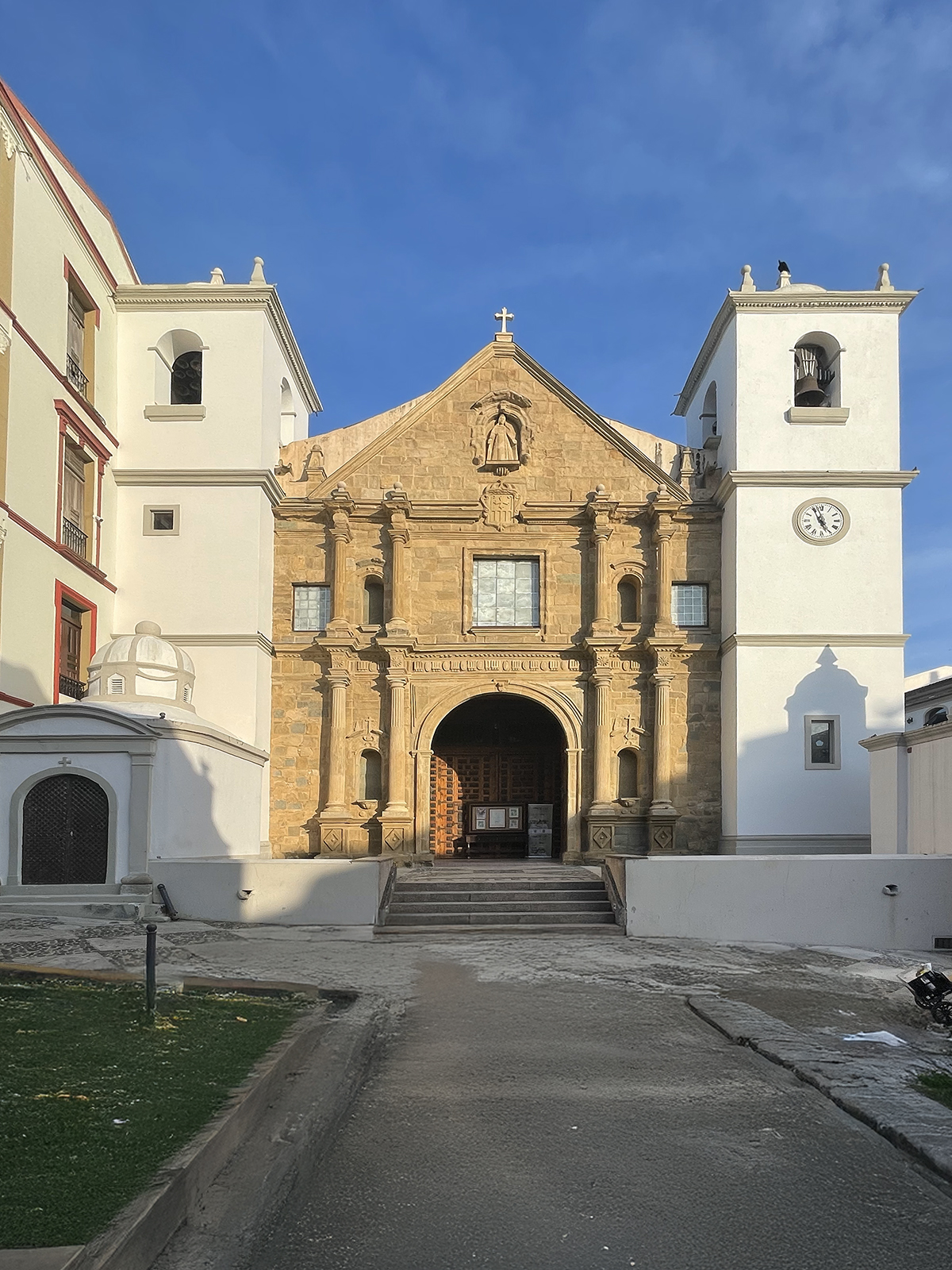
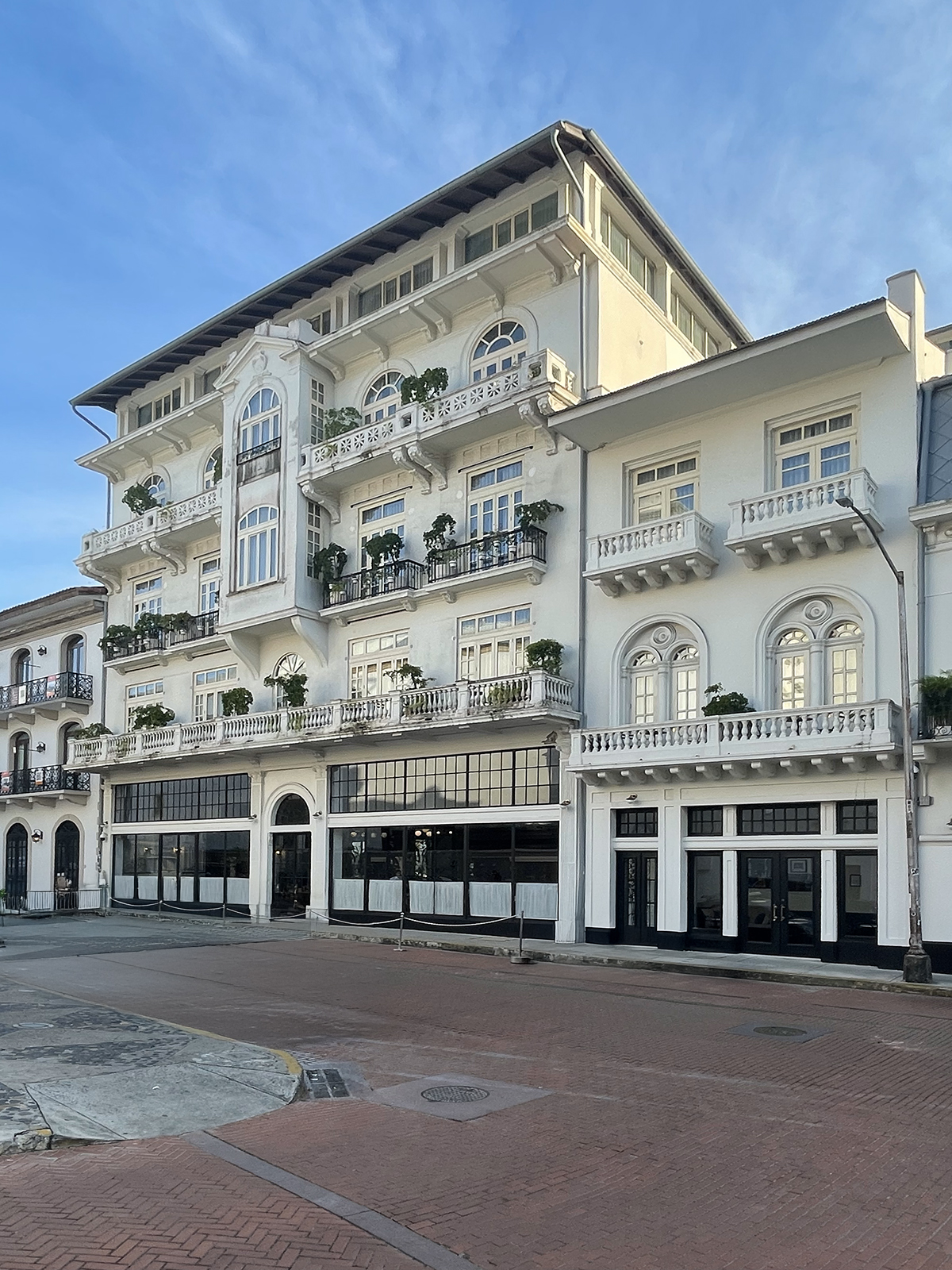
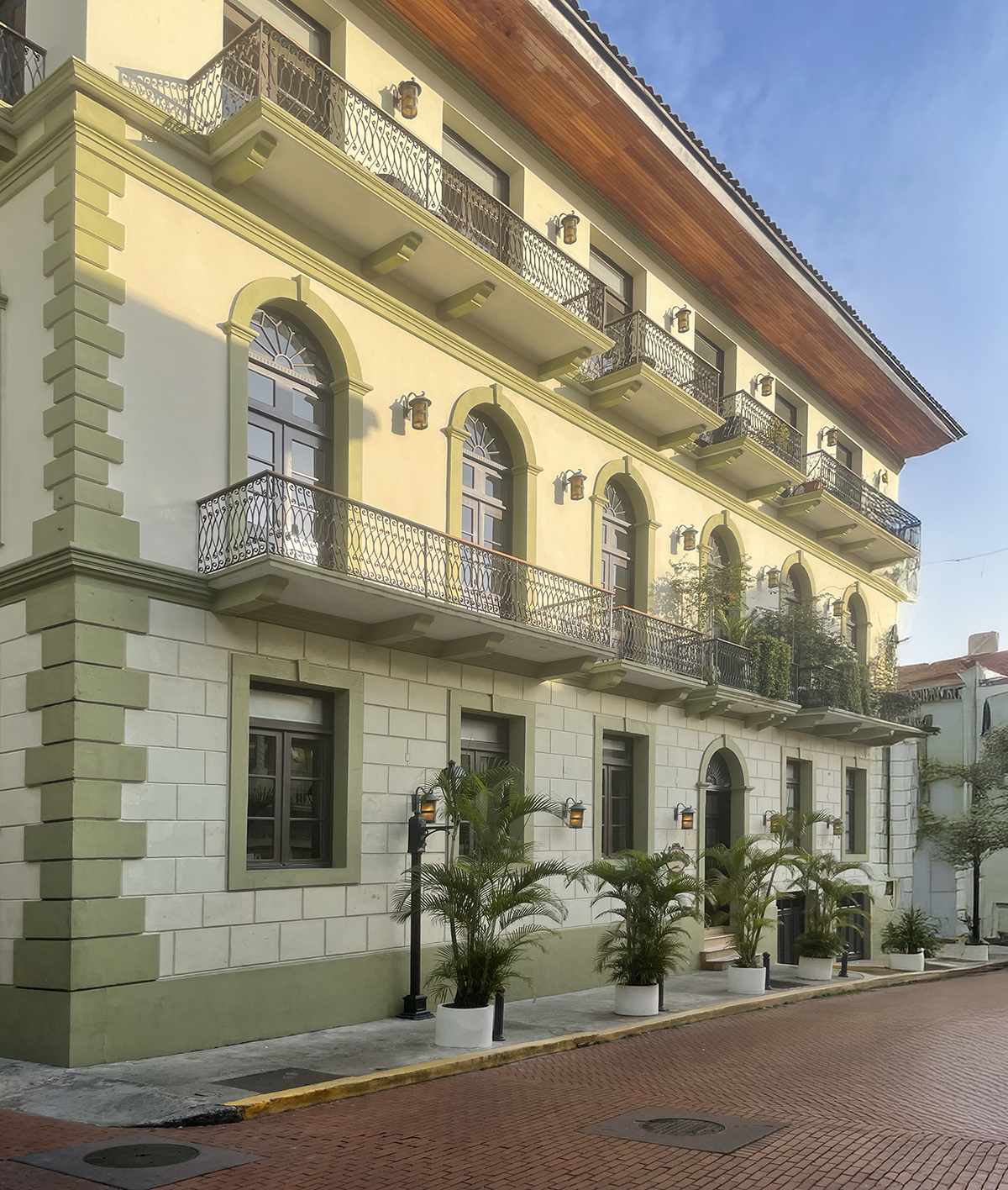
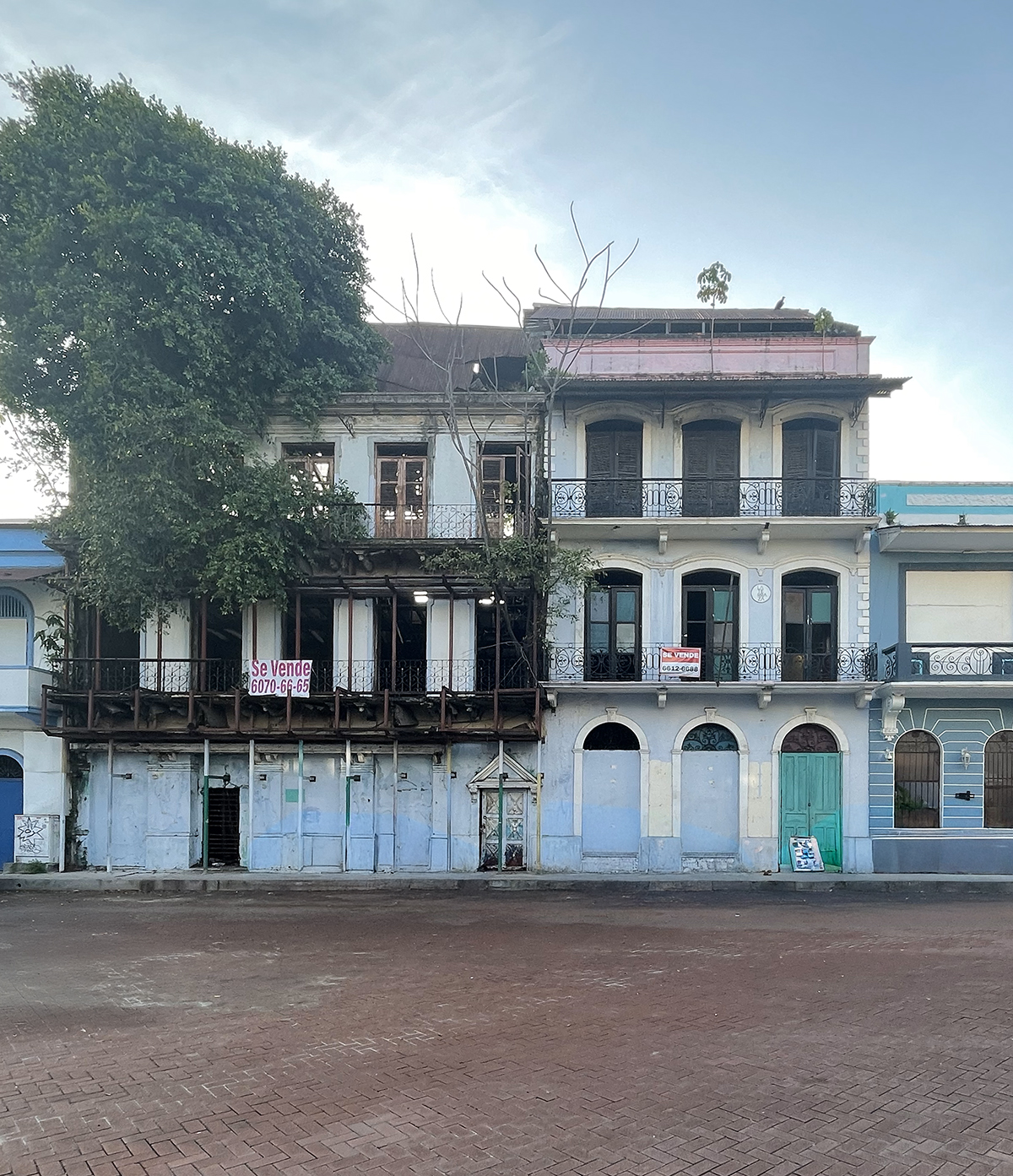
December 17–19, 2024 Marti Eicholz There’s something truly enchanting about the break of dawn — an experience made especially memorable in Panama. Here, you can witness a rare spectacle: the sun rising over the Pacific Ocean and setting on the Atlantic, all in one remarkable country. Panama holds a unique place in both history and culture; it was the first country outside the United States where Coca-Cola was sold, and it was also the first Latin American nation to officially adopt the U.S. dollar as its national currency. From the shimmering coastlines to lush, vibrant rainforests, Panama offers travelers unparalleled adventures. Its diverse landscape welcomes you to explore water sports, discover abundant wildlife, and walk through ancient ruins that tell stories stretching across centuries. The country’s rich biodiversity and deep-rooted history make every corner a new opportunity for exploration. Panama City is far more than the bustling capital — it’s a city of contrasts and surprises. Picture yourself cycling along a waterfront lined by some of Latin America’s tallest skyscrapers, feeling the cool Pacific breeze as you pedal beside the Bay of Panama. Stroll among archaeological sites, explore winding trails, and absorb the lively fusion of colonial heritage and modern nightlife. Here, the city pulses with energy, blending lush greenery, Indigenous cultures, and a vibrant urban scene into a destination that never ceases to amaze. While the city’s skyline projects a thoroughly modern metropolis, Panama City actually encompasses three distinct historical districts. The first is Panama Viejo, the original city center, now a fascinating archaeological site. Founded in 1519, Panama Viejo was tragically destroyed by pirates in 1671, but today it invites visitors to step back in time and explore its storied ruins. Then there’s the historic area, where museums and theaters host grand operas and musical performances, making it a cultural hub for the arts. The third district, Casco Antiguo (also known as Casco Viejo), is a beautifully preserved walled colonial city brimming with color, tradition, and local flavor. Its streets are alive with museums, boutique hotels, and some of the best nightlife in the region, featuring rooftop bars and renowned restaurants. Casco Viejo is celebrated as Panama City’s historic gem — wander through its old town and you’ll be captivated by the blend of restored colonial buildings, intricate architecture, and charming plazas. Hidden among these are ancient churches and crumbling ruins, creating a dynamic tapestry of heritage where the past and present coexist in spectacular harmony. Independence Square serves as the vibrant heart of Casco Viejo, Panama City’s historic district, and is encircled by fascinating museums and the impressive Metropolitan Cathedral Basilica. Just steps away at the southern tip of the neighborhood lies Plaza de Francia, a scenic plaza dedicated to honoring the French contributions to the construction of the Panama Canal. Here, visitors can stroll along the ancient walls and reflect at the memorial commemorating all those who lost their lives — many succumbing to illness — during the canal’s creation. For a truly unique cultural experience, don’t miss the Mola Museum nestled in the center of Casco Viejo. The museum is devoted to the Guna Mola, a traditional garment characterized by its vivid colors and intricate patterns, worn by Indigenous Guna women. These designs are more than decorative; they represent deep connections to Mother Nature and embody the artistry and heritage of the Guna people. The museum showcases finely crafted Molas, detailing the history, cultural significance, and elaborate techniques involved in their creation. Another remarkable historical site is the Convent Santo Domingo, which dates back to the 1570s and stands as the best-preserved church among the ruins of Panamá Viejo — the original Panama City. Before the city fell to invaders and the convent was set ablaze, it was operated by nuns and played a vital role in the city’s early religious life. Today, its ruins offer a tangible link to Panama’s colonial past and a haunting reminder of the events that shaped the region. Panama City’s culinary scene is equally captivating. Embark on a Panamanian tasting tour to sample the rich fusion of African, Spanish, and Native American flavors that define the country’s cuisine. The diversity of ingredients and recipes speaks to Panama’s multicultural heritage, resulting in dishes that are both unique and deeply flavorful. The city has also earned a reputation as a Creative Gastronomic City, boasting four restaurants recognized among Latin America’s 50 Best Restaurants. For those seeking modern excitement, the San Francisco Neighborhood is a stylish destination filled with trendy shops, gourmet eateries, and lively entertainment venues. The area pulsates with energy and offers endless opportunities for shopping, dining, and fun. If nature calls, venture to the Metropolitan Nature Park Trails — a lush oasis of untouched forest and biodiversity located right in the heart of Panama City. Multiple walking trails wind through the park and eventually converge at a breathtaking viewpoint atop the park, offering panoramic city vistas. Wildlife abounds, with sloths commonly spotted among the trees, making this the perfect escape from urban life while remaining just minutes from the downtown bustle. Exploring Panama’s waterways is another must-do activity. The Chagres River, the country’s largest, meanders gracefully through scenic landscapes. A river cruise or stand-up paddleboarding excursion allows you to immerse yourself in stunning natural surroundings and appreciate the tranquil beauty of Panama’s outdoors. Finally, the Bio Museo stands out as a colorful architectural marvel dedicated to the country’s remarkable biodiversity. The museum presents the story of Panama’s natural history, highlighting the culture, people, and landscapes that make the nation extraordinary. A key focus is the Isthmus of Panama — a narrow land bridge crucial to the formation of the Panama Canal — that transformed global trade and shaped the country’s destiny. Embark on an unforgettable adventure by visiting Monkey Island, nestled in the heart of Gatun Lake. This unique island is teeming with a diverse array of wildlife, most notably several species of monkeys. Among the inhabitants, you’ll spot lively capuchins, booming howler monkeys, and — if you look closely — endearing sloths and vibrant toucans. The lush greenery and the thriving animal life create an atmosphere that feels worlds away from city life, offering an up-close glimpse into Panama’s extraordinary biodiversity. Continue your journey into the Gamboa Rainforest, a destination that seamlessly blends natural wonder with historical intrigue. The town of Gamboa, once a bustling colonial hub, now stands as a charming reminder of the past, with its public buildings in varying stages of preservation. As you wander through the rainforest’s scenic walking trails, you’ll be surrounded by a symphony of bird calls and the rustle of wildlife. It’s an ideal place for birdwatching, exploring local history, and immersing yourself in the tranquil beauty of Panama’s landscapes. For a deeper cultural experience, take a day trip to the Embera Indian Village, nestled within the Panama rainforest. Here, you can connect with members of an Indigenous tribe whose traditions predate the colonial era. The visit offers a unique chance to witness musical performances, learn about their customs, and gain a deeper understanding of their way of life. It’s a rare opportunity to appreciate the rich tapestry of Panama’s heritage and the enduring spirit of its people. If you’re a marine enthusiast, Coiba National Park is a must-see. Recognized as one of the world’s top ten diving destinations, this protected reserve is home to hundreds of marine species. Dive into crystal-clear waters alongside majestic manta rays, graceful sharks, playful dolphins, and gentle sea turtles. Whether you’re snorkeling or scuba diving, the vibrant underwater world of Coiba promises an awe-inspiring encounter with nature at its most unspoiled. In the heart of the Bocas del Toro Archipelago lies Dolphin Bay, a serene haven where dozens of bottlenose dolphins reside. The bay’s calm waters make it a perfect spot to observe these intelligent creatures as they leap and frolic in the waves created by passing boats. Watching dolphins play in their natural environment is a magical experience that captures the essence of Panama’s coastal charm. Panama City’s skyline is punctuated by the striking El Tornillo building, affectionately known as “the screw.” Its spiraling, green-blue facade twists skyward, making it one of the most distinctive architectural landmarks in the city. While its slanted floors make it uninhabitable, El Tornillo stands as a testament to innovative design and serves as a memorable visual icon for visitors and locals alike. No trip to Panama would be complete without pausing to appreciate a sunset over the city’s skyline. As the sun dips below the horizon, the buildings are bathed in a golden glow, creating a breathtaking panorama. Taking time to watch the sunset encourages you to unplug from the world and fully immerse yourself in the present moment — a simple yet profound pleasure that leaves a lasting impression. After spending 34 remarkable days exploring the Caribbean, the journey transitions with a turnaround, launching a new chapter: 127 days adventuring through South America. After a restful day at sea, The Odyssey will make its next port of call in Manta, Ecuador, setting the stage for further exploration and discovery along the continent’s vibrant coastline. |
|
Copyright © 2024 All rights reserved |