|
|
 |
 |
 |
 |
 |
 |
 |
 |
 |
 |
 |
|
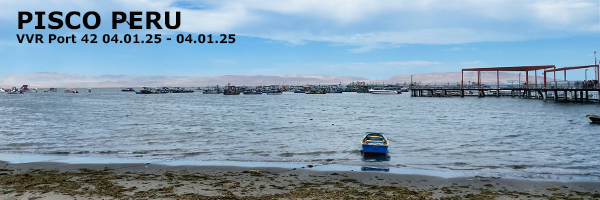
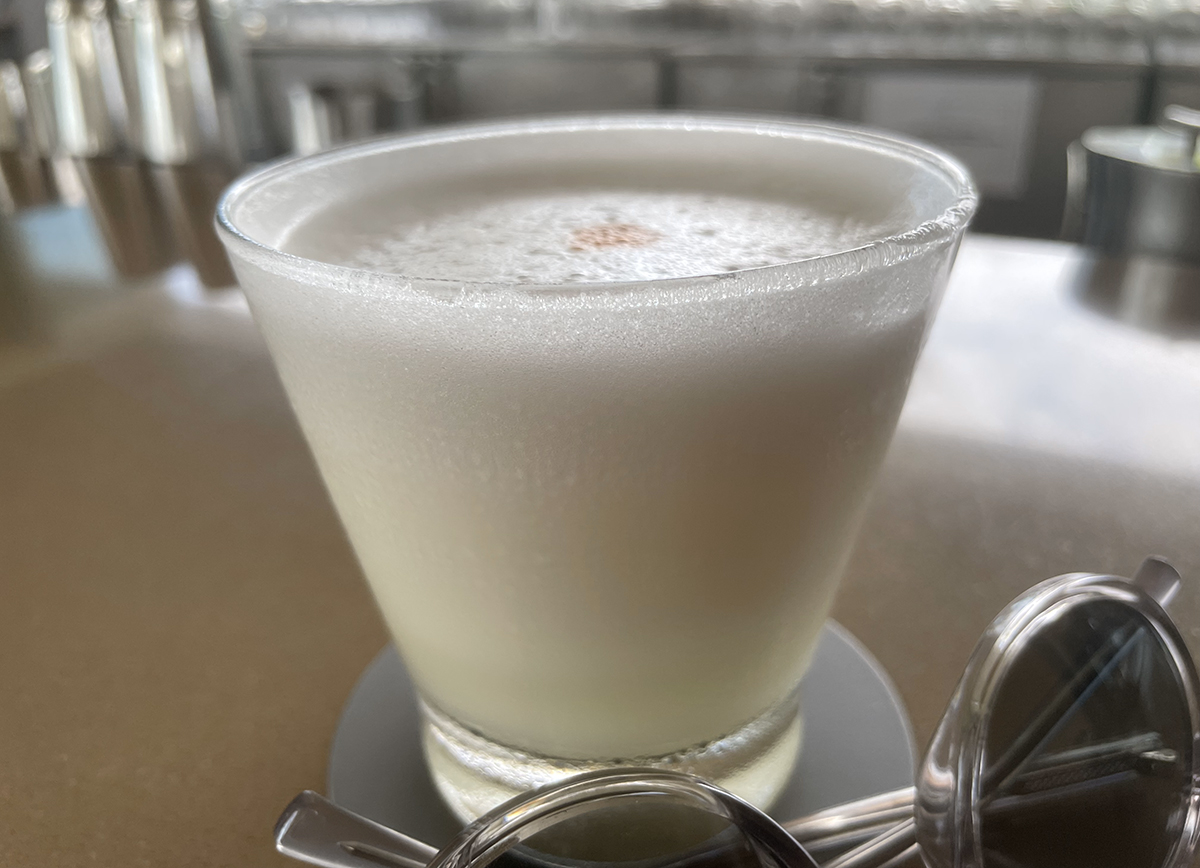
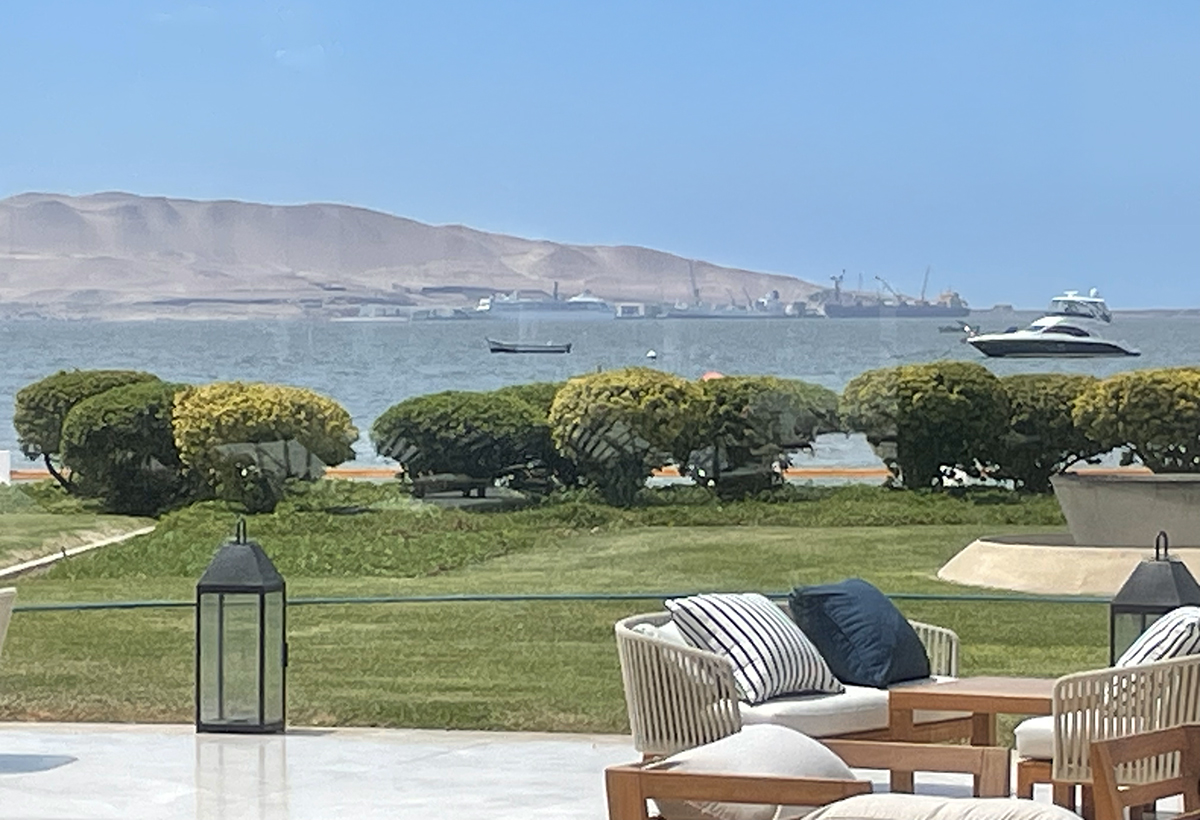
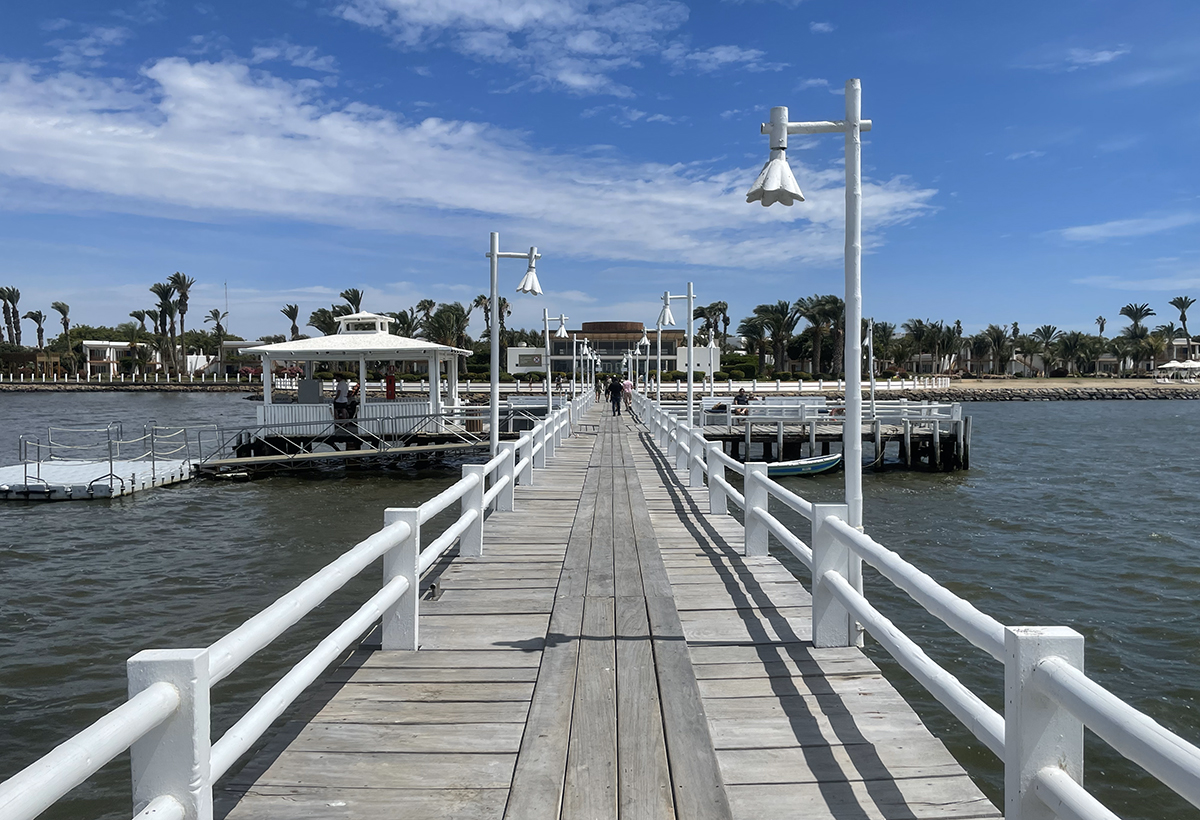
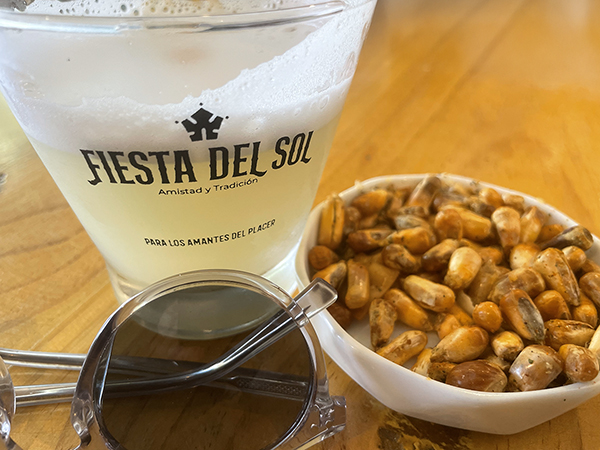
January 4, 2025 Marti Eicholz Welcoming the arrival of 2025, we are reminded that every year is a treasured opportunity — one to be approached with curiosity, gratitude, and a sense of wonder. Our journey’s inaugural destination for the new year is the vibrant port city of Pisco, Peru, where we will spend a day immersed in the region’s unique culture and natural beauty. Situated along the southern coast of Peru, roughly 150 miles south of Lima, Pisco serves as a prominent port and is celebrated for its namesake spirit — pisco, a grape brandy that stands as the national drink of Peru. The city’s name, meaning “bird” in the ancient Quechua language, hints at its rich heritage and significance as the cradle of the Paracas culture, one of the most sophisticated pre-Inca civilizations, which thrived between 900 BC and 200 AD. The neighboring town of Paracas draws its name from this ancient society, and the region remains steeped in archaeological intrigue. Beyond its cultural roots, Pisco’s prime location offers easy access to the remarkable Paracas National Reserve, a sweeping expanse of desert landscape that meets the Pacific Ocean. Here, visitors can explore the striking Paracas peninsula and embark on excursions to the Ballestas Islands — often referred to as the “Peruvian Galapagos” or the “poor man’s Galapagos.” These islands are a sanctuary for a dazzling variety of wildlife, including marine birds such as pelicans, Humboldt penguins, Peruvian boobies, Inca terns, and Chilean flamingos, as well as sea lions, dolphins, and whales. Nature enthusiasts will find this region to be one of the finest places in South America for wildlife observation. History buffs may also enjoy a visit to the impressive archaeological site of Tambo Colorado, an Inca adobe complex famous for its well-preserved, red-painted walls. The on-site museum features models and artifacts that help bring to life the site’s original grandeur and significance. Among Pisco’s notable attractions, the city’s Plaza de Armas stands out as a symbol of resilience. Despite the devastating earthquake of 2007, much of the plaza remains intact, including the statue of José de San Martín, the ornate Moorish Municipality building, and the town hall, which only suffered minor damage. In contrast, the city’s cathedral required significant restoration following the quake. You can also stroll along the Malecón Miranda, a scenic boardwalk running adjacent to the sea, which, while affected by the earthquake, still offers beautiful coastal views. Another highlight is the San Martin fountain, located in the pedestrian zone west of the Plaza de Armas. This tranquil spot is perfect for a relaxing break amid the city’s bustling atmosphere, allowing travelers to soak in the charm and spirit of Pisco. Located close to the city of Pisco, the Chincha Islands consist of three small, granite-based landforms, characterized by their dramatic cliffs. These islands are teeming with seabirds, making them a vital habitat for avian life in the region. Historically, the islands were inhabited by the Chincha people, a pre-Inca civilization that left a lasting cultural imprint. Today, the islands are a sanctuary for a variety of birds and sea lions, maintaining their ecological importance. Peruvian Pisco, a celebrated spirit, is crafted exclusively from one of eight specific grape varieties, which are divided evenly between aromatic and non-aromatic types. After distillation, the spirit must rest in glass containers for a minimum of three months, and during this maturation period, nothing is permitted to be added, preserving the purity and tradition of the beverage. Pisco’s origins are a matter of national pride and ongoing debate between Peru and Chile. Both countries have produced their own distinctive versions of the spirit since the 16th century and each passionately claims to be the birthplace of pisco. This rivalry extends to the iconic Pisco Sour cocktail, with both nations laying claim to its invention and offering unique variations on the recipe that reflect their individual cultures. Beyond the Pisco Sour, other cocktails like the Pisco Punch — often made with pineapple juice — have achieved global recognition. The drink was famously praised by Mark Twain, who admired its exceptional flavor. Rudyard Kipling further elevated its reputation by describing the cocktail in his 1889 novel From Sea to Sea as “compounded of the shavings of cherub’s wings, the glory of a tropical dawn, the red clouds of sunset and the fragments of lost epics by dead masters,” capturing its allure in poetic language. The Pisco Sour also earned the approval of literary legend Ernest Hemingway, who reportedly set a record for the most consumed in one sitting at the Gran Hotel Bolivar in Lima. The cocktail has attracted many famous fans over the years, including Ava Gardner, John Wayne, and Orson Welles, all of whom contributed to its enduring legacy. Geographically, Peru sits on the Ring of Fire — a region renowned for frequent seismic activity due to the constant movement of tectonic plates. This dynamic geological environment results from plates colliding and shifting beneath the Earth’s surface, frequently causing earthquakes and shaping the country’s landscape. The Odyssey is leaving Pisco for a day at sea, sailing to our next port, Matarani, Peru. |
|
Copyright © 2025 All rights reserved |