|
|
 |
 |
 |
 |
 |
 |
|
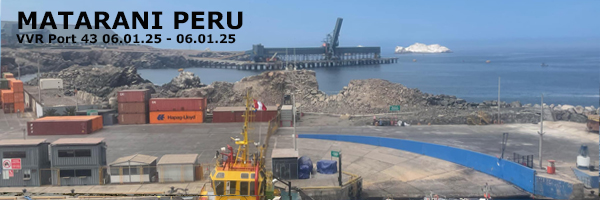
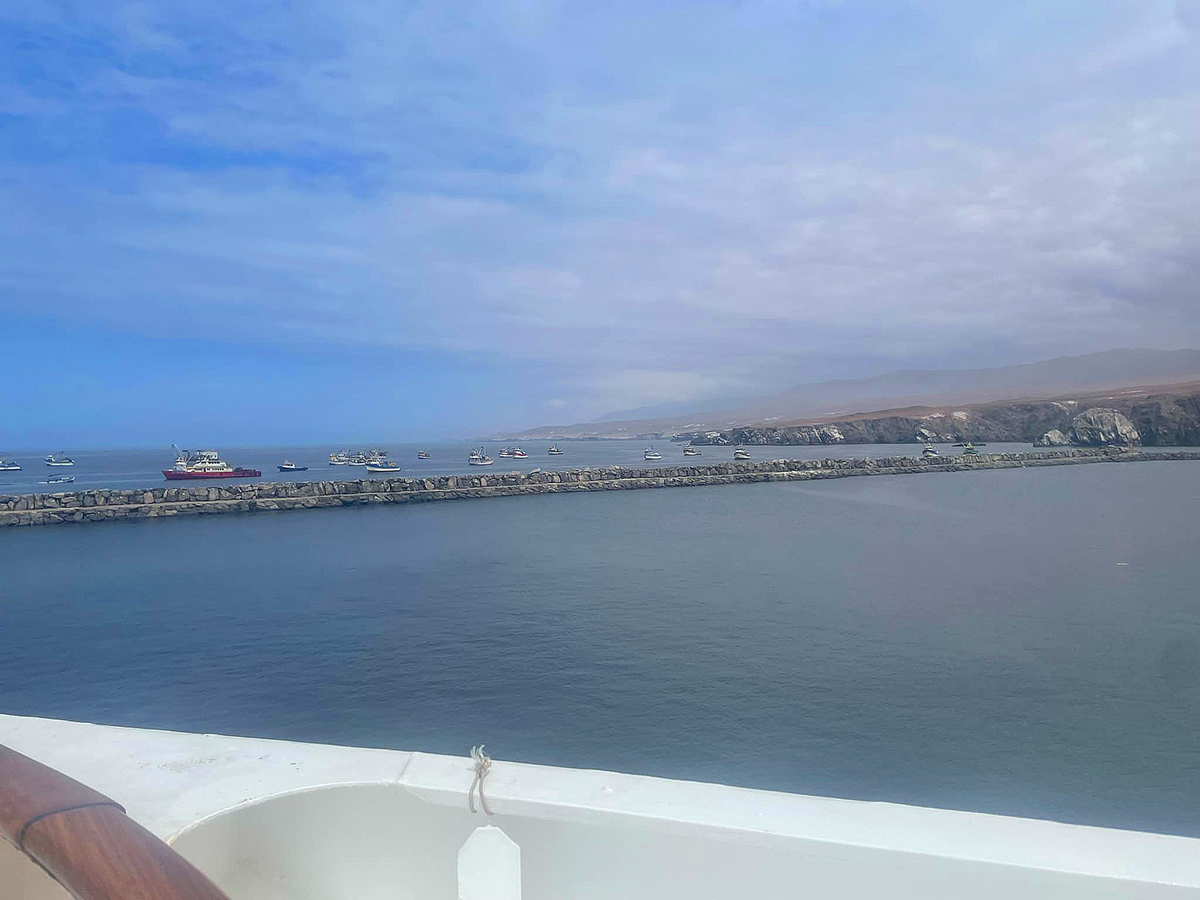
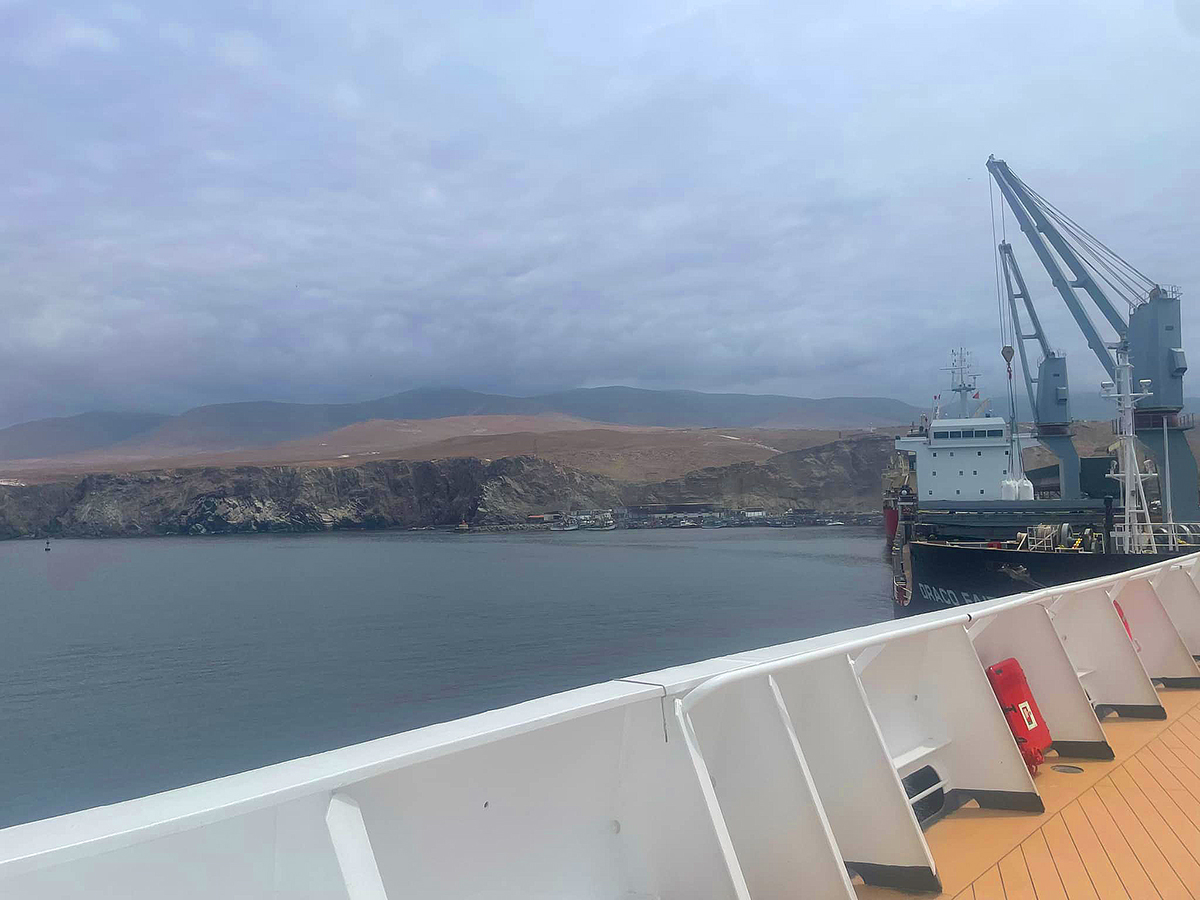
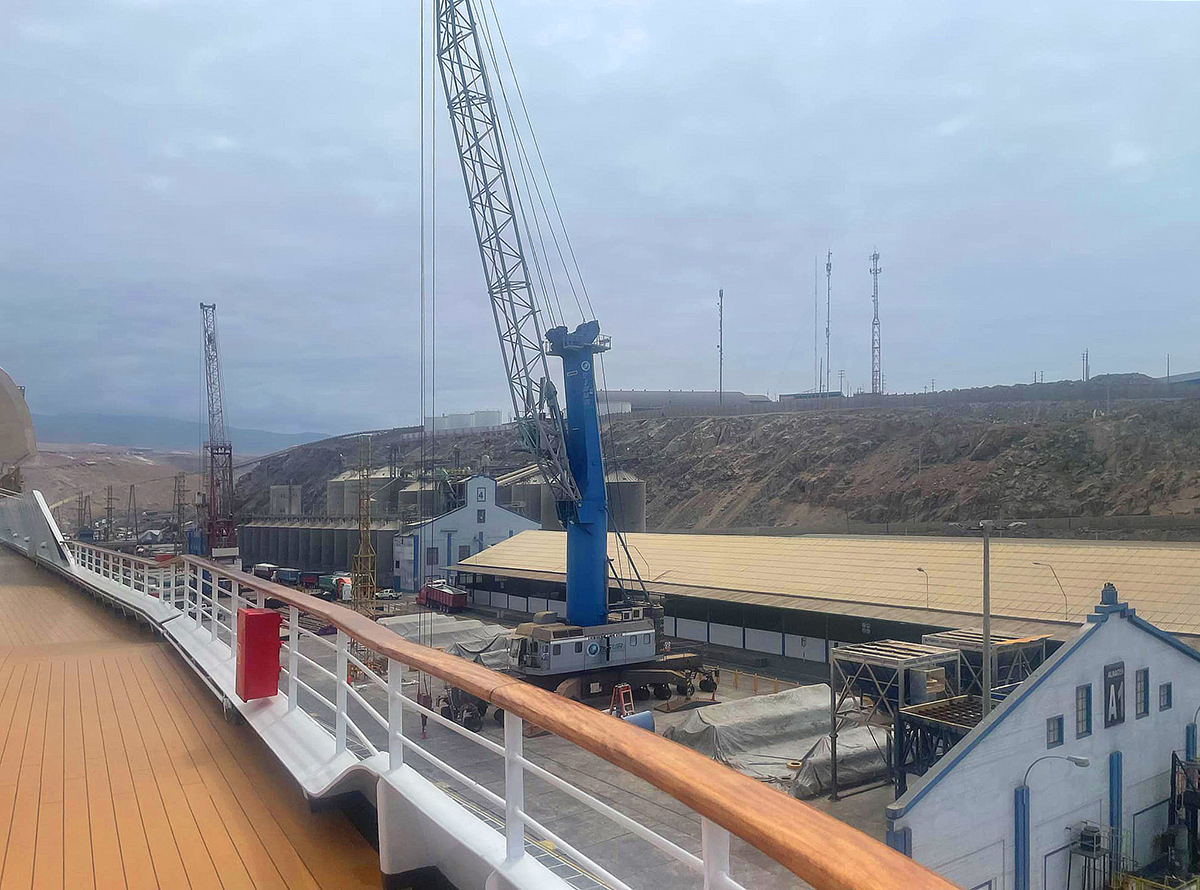
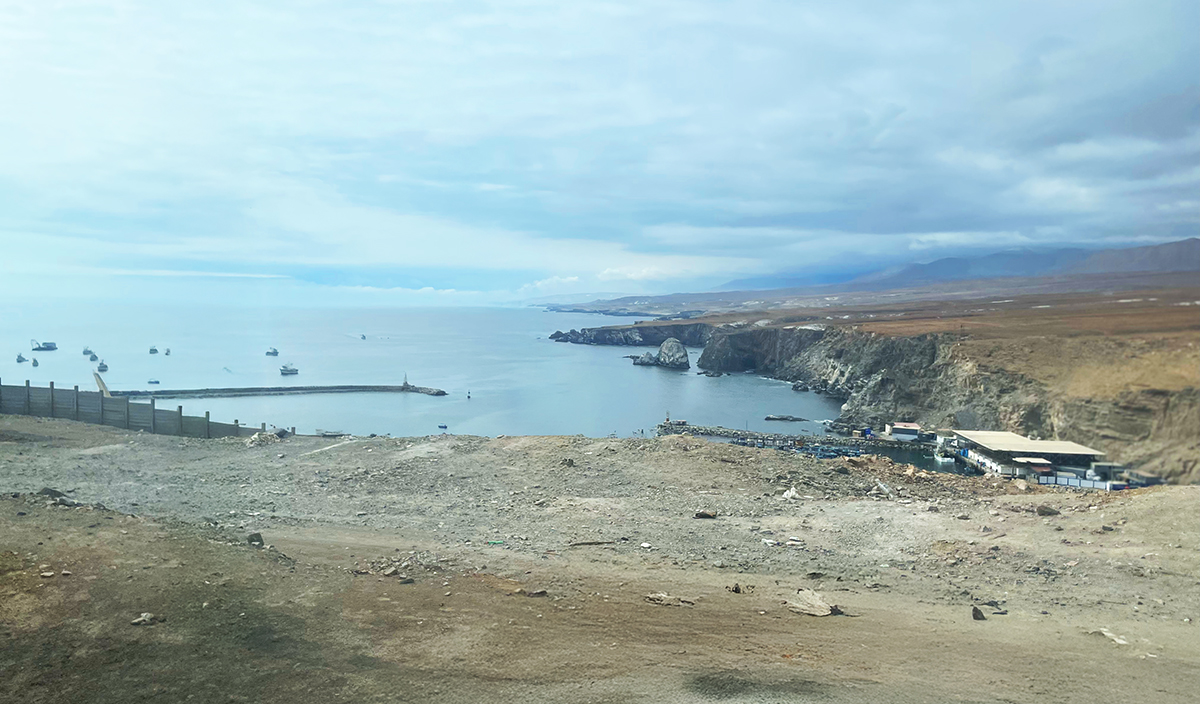
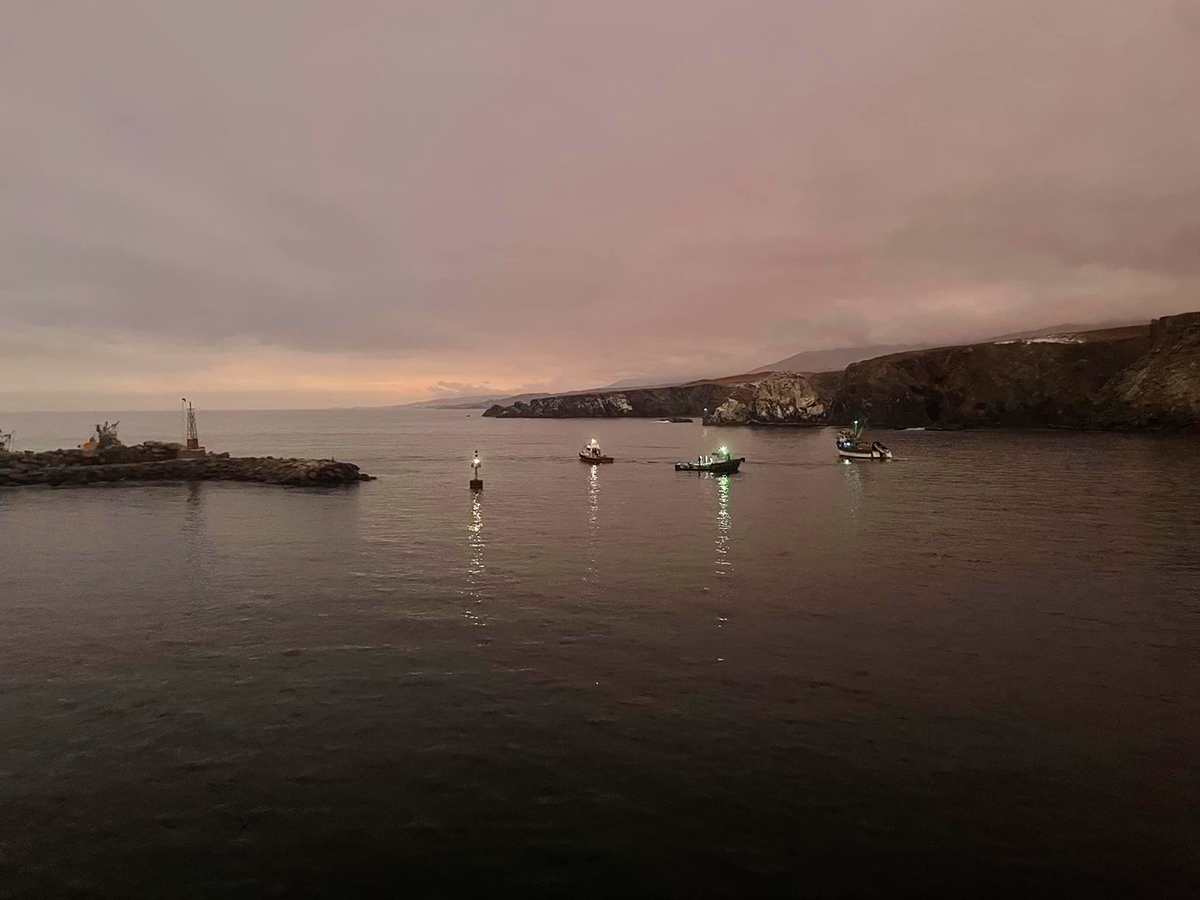
January 5–6, 2025 Marti Eicholz The port of Matarani lies on the southern coast of Peru, perched at the very edge of the immense Atacama Desert. This region is renowned for being one of the driest places on Earth; in fact, there is a nearby settlement where, not a single drop of rain has ever been officially recorded. The arid landscape and stark beauty make Matarani a uniquely memorable destination. More than just a port, Matarani serves as the primary access point to one of Peru’s most captivating cities: Arequipa. The city itself rests at an impressive 7,661 feet above sea level, nestled within a lush Andean valley approximately seventy-five miles inland from the Pacific Ocean. Towering over Arequipa is the awe-inspiring volcano, El Misti, which, at 19,101 feet, still shows signs of volcanic activity. The sight of Misti’s perfect cone is both dramatic and humbling, especially knowing that it is considered an active volcano. While Matarani is known for its dramatic coastline and sweeping desert vistas, dotted here and there with green oases, the surrounding area is otherwise sparse in attractions. The landscape’s starkness is a striking contrast to the lush valleys farther inland. Our journey took us on an excursion through the vast desert, where we encountered an abundance of cacti and passed through several humble shanty settlements. The region’s mostly barren mountains created an otherworldly backdrop as we traveled toward Arequipa. Eventually, we arrived in the city, which boasts a population of over 800,000 and sits high in the Andes, more than 7,500 feet above sea level. Arequipa is watched over by three majestic volcanoes: Misti, Chachani, and Pichu Pichu. These colossal peaks soar above 20,000 feet, rising more than 10,000 feet above the city itself, providing a dramatic and unforgettable skyline. The presence of these volcanoes is so iconic that they are considered the signature of Arequipa. As we drove into town, the landscape unfolded in spectacular fashion. We passed by ancient, terraced fields — remarkable agricultural feats constructed even before the Inca civilization arrived in the 15th century. Overlooking one neighborhood, a gigantic statue of Jesus stands watch, offering a sense of protection and adding a spiritual dimension to the city’s dramatic setting. Despite the beauty, we also observed sprawling shanty towns on the city’s outskirts, a reminder of the economic challenges faced by some of its residents. Archaeological findings suggest that the Arequipa area has been continuously inhabited for at least 10,000 years. According to local legend, when the Inca arrived in the 14th century, their soldiers were so taken with the region that they asked their leader, Mayta Cápac, for permission to remain there. His response, “Ari quepay,” which means “Yes, stay” in Quechua, is believed to have inspired the city’s name. Arequipa is affectionately known as the White City, a reference to the gleaming volcanic stone called “sillar” used to construct many of its historic buildings. The city’s compact layout makes it ideal for exploring on foot. Our stroll toward the Plaza de Armas took us past the Monasterio de Santa Catalina, a convent established in 1580 and recognized as one of Peru’s most significant religious sites. Although we didn’t have the chance to tour the inside, it’s said that a small community of nuns still resides there. Like much of Arequipa’s colonial architecture, the convent’s walls are made of white sillar blocks, created from the volcanic activity that shaped the region. Outside, a local woman sold handmade hats, adding a touch of everyday life to the historical surroundings. The Plaza de Armas itself is a vibrant square adorned with colorful flowers and stately palm trees, centered around a bronze fountain. The square is dominated by a magnificent 16th-century cathedral, its facade lined with seventy Corinthian-style columns and crowned by twin towers. The grand architecture and lively atmosphere make the plaza a true centerpiece of Arequipa — majestic and unforgettable. Arequipa’s cathedral holds a remarkable story of endurance and resilience. Construction of the city’s first church began in 1540, the same year Arequipa was founded, and the building was consecrated by 1556. However, this feat of architecture faced repeated devastation: powerful earthquakes in 1583 and again in 1600 all but erased the nearly completed structure. Undeterred, the city rebuilt, and by 1656 the cathedral stood proudly once more. Over the centuries, it weathered three more major earthquakes and even survived a significant fire. Yet, in 1868, disaster struck again, seriously damaging several parts of the cathedral. Most recently, the 2001 earthquake destroyed the left tower and damaged the right, prompting extensive restoration. By 2002, the cathedral was lovingly restored to its present glory. But with such a turbulent history, one can only wonder how long it will be before nature tests its strength again. Directly across the bustling plaza stands the Jesuit church, Iglesia La Compañía — a beautiful, more intimate counterpart to the grand cathedral. First constructed in 1573, it too succumbed to the region’s relentless earthquakes, being destroyed in 1584. Its reconstruction was completed in 1660, crowned by the installation of a spectacular stone façade in 1698. This entrance, carved in the intricate Mestizo Baroque style, is widely regarded as an exceptional example of this unique artistic blend. Crafted mainly by Indigenous artisans, the stonework incorporates motifs from local flora and fauna, which can also be found in the church’s rich interior decorations. Stepping inside, visitors are greeted by an ornately carved and gilded altar, nestled beneath a dome that lets sunlight stream in. The interior is adorned with centuries-old sculptures, religious paintings, and several side altars, each adding to the church’s sense of history and devotion. Venturing behind the cathedral, you’ll find a charming pedestrian-only street. This lively walkway is lined with cozy alpaca shops and inviting cafés, as well as stunning examples of Arequipa’s colonial architecture. Elegant colonnades and colorful courtyards bursting with flowers and fountains provide a picturesque setting alongside beautifully restored casonas — grand mansions that once belonged to the city’s elite. We spent a memorable afternoon at Mundo Alpaca, a center dedicated to the history and craft of alpaca textiles. Here, several llamas and alpacas roamed the grounds, and guests were encouraged to feed them — an especially delightful moment when we met a baby llama born just a day before our visit. Distinguishing between llamas and alpacas can be tricky for the uninitiated, but the staff were happy to share tips. A local woman demonstrated the traditional weaving techniques, skillfully turning alpaca wool into intricate patterns. The on-site gift shop showcased vibrant yarns and exquisitely finished sweaters and coats. After exploring the craft exhibits, we enjoyed a peaceful stroll through the center’s lush gardens. On the drive back to the pier, the landscape offered a dramatic view. The mountains, painted in deep shades of brown and almost bare of vegetation, appeared as though dusted with snow. However, the pale covering was not snow but white volcanic ash, the very same material used to create the city’s iconic sillar stone blocks. After a long day of exploring, hunger set in, and we sought out some local comfort food. We sampled papas rellenas — crispy, golden balls of mashed potatoes stuffed with savory meat. For dessert, we indulged in picarones, delicious Peruvian doughnuts that are a beloved street snack, sweet and satisfying. Rested and rejuvenated, we admire the stunning coastline, where dramatic cliffs, arid deserts, and towering mountains meet the sea. The harbor buzzed with the activity of fishing boats, anchored near our ship. As we set our clocks forward by two hours, The Odyssey prepares to leave for Arica, Chile. Tomorrow marks a special milestone — one hundred days aboard The Odyssey, a journey filled with adventure, discovery, and unforgettable experiences. |
|
Copyright © 2025 All rights reserved |