|
|
 |
 |
 |
 |
|
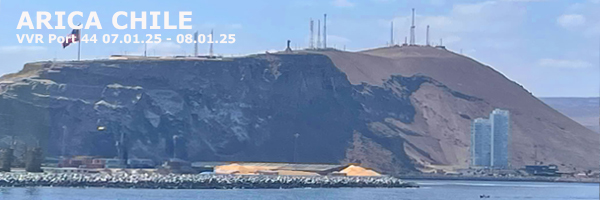
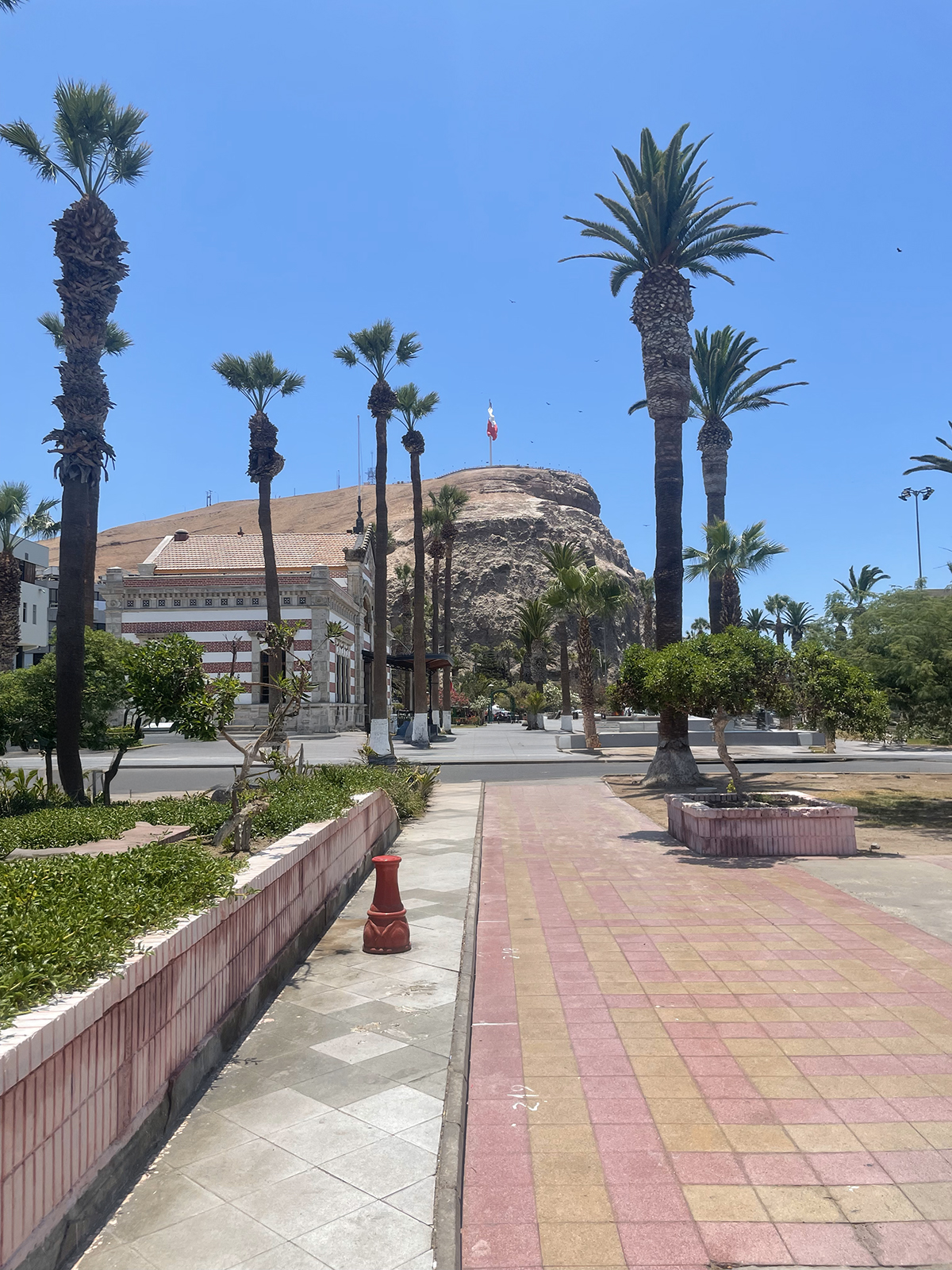
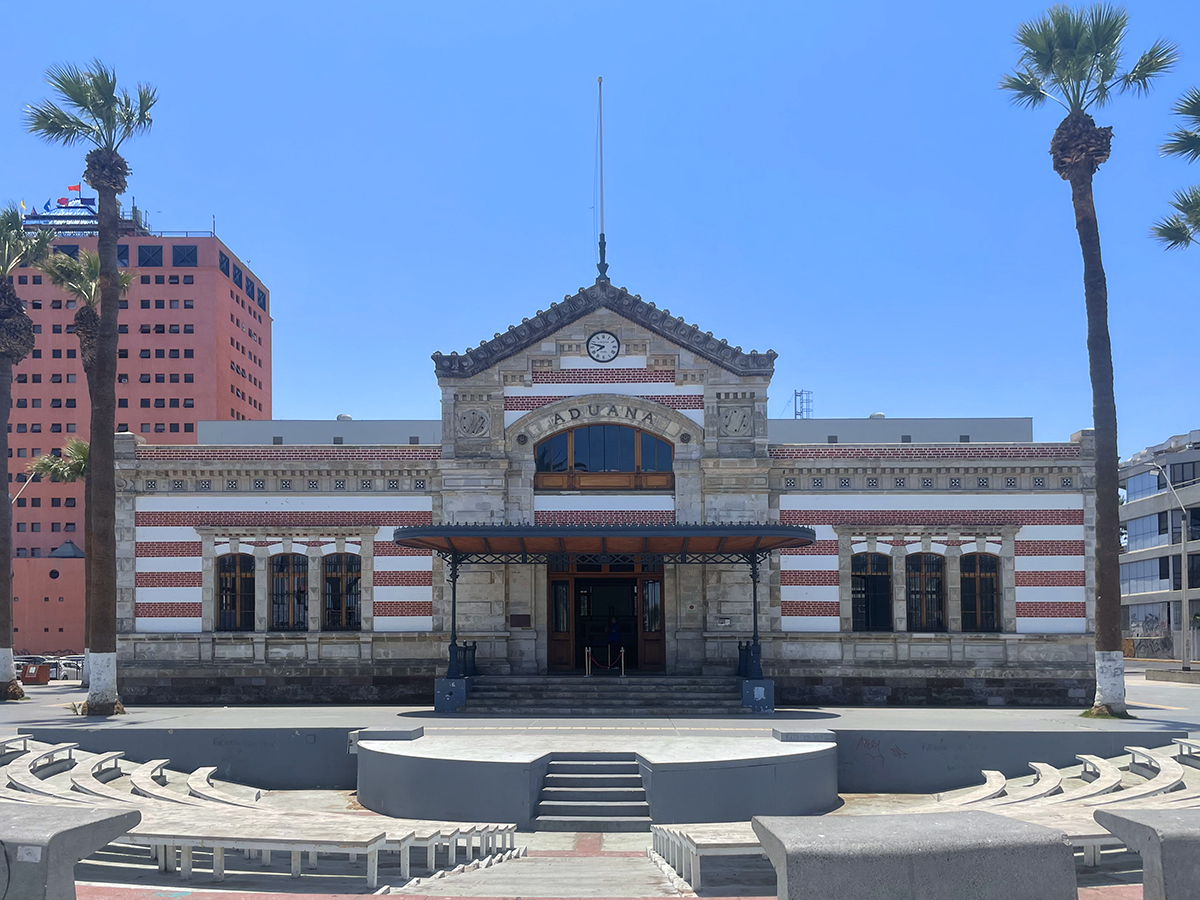
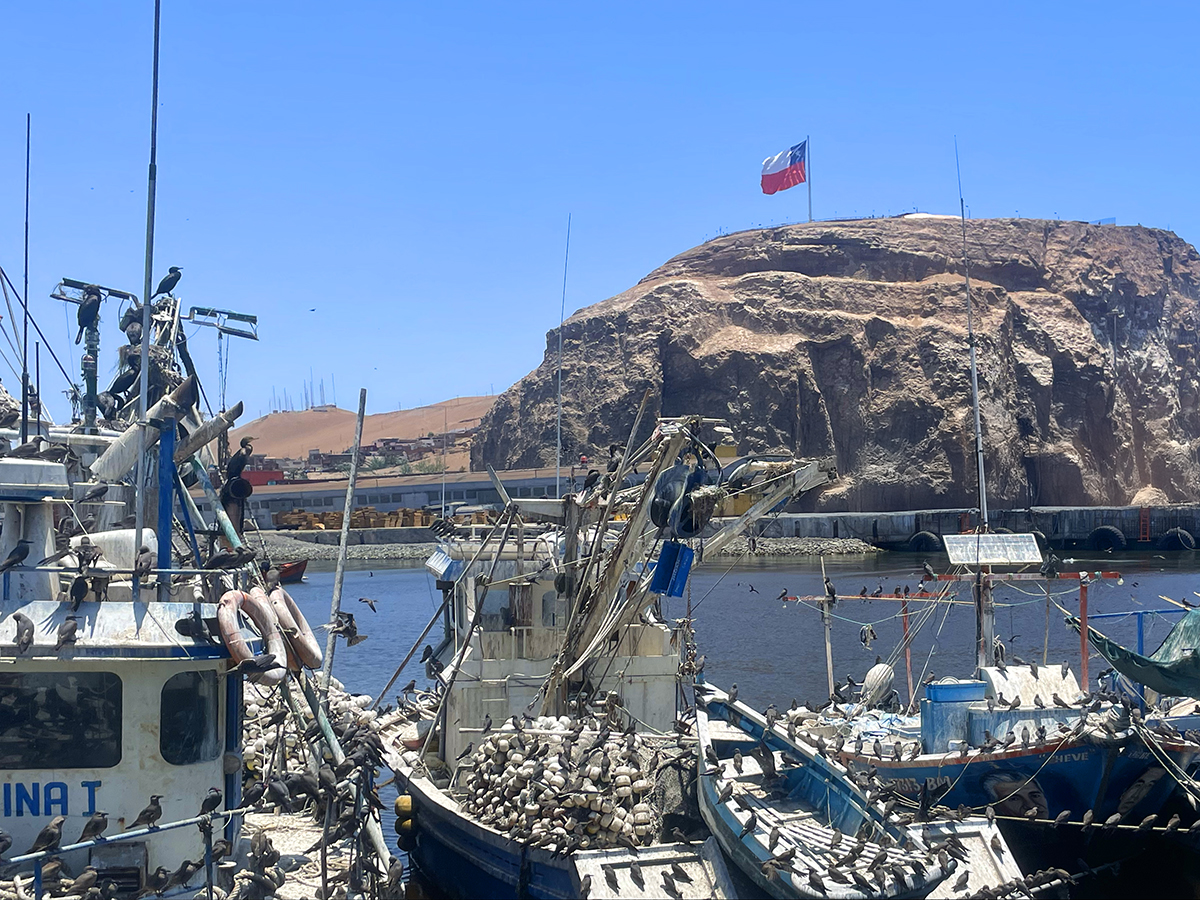
January 7–8, 2025 Marti Eicholz The Odyssey arrives in Arica, Chile for an immersive two-day stopover, offering a unique opportunity to explore the vibrant heart of the country’s northern coast. This port city serves as a gateway to the “Big North,” a remarkable region where the harsh, arid expanse of the Atacama Desert is contrasted by pockets of fertile valleys and lush oases, creating an environment rich in biodiversity and natural wonders. Arica stands out as a genuine oasis amid the desert, celebrated as the primary port of northern Chile. Renowned as the “City of Eternal Spring,” it boasts mild, pleasant weather year-round, stunning beaches with golden sands, and waves perfect for surfing enthusiasts. The city’s coastal location allows visitors to experience a slice of Chile’s impressive 2,700-mile shoreline. Strolling along the waterfront, guests can observe a variety of sea birds and enjoy the tranquil rhythm of ocean life. Arica’s rich tapestry of culture, folklore, and ethnic diversity is deeply woven into its historical roots. One of its most remarkable treasures is the Chinchorro mummies, which are among the oldest ever discovered and provide fascinating insight into ancient civilizations. Culinary traditions in northern Chile reflect the region’s unique climate and resources. Due to the arid conditions, local dishes feature a variety of legumes and cereals. Quinoa, once a staple of the Inca culture, features prominently alongside potatoes, carrots, and tropical fruits such as mango, passion fruit, and guava. These ingredients add both nutrition and vibrant flavor to the regional cuisine. Among the signature dishes, roast alpaca cooked over firewood stands out, offering a taste of traditional Andean fare. Chuño, a hearty soup made with alpaca, onion, wheat, and assorted vegetables, showcases the blend of indigenous cooking techniques and local produce. Seafood and fresh fish are also abundant, allowing for a wide array of flavorful dishes that celebrate the bounty of the Pacific. For those with a sweet tooth, Arica is famous for chumbeque, a layered pastry crafted from flour and lard and filled with jams made from oranges, mangoes, and passion fruit. Pululos, a popular puffed rice treat, are commonly enjoyed as a light and crispy snack. A highlight of Arica is a trip to Lauca National Park, situated about ninety-one miles away near the borders of Bolivia and Peru. The park serves as a living testament to Quechan Andean culture and was designated a national park in 1970, having originally been established as a forest reserve in 1965. Its breathtaking scenery includes snow-capped volcanoes and serene high-altitude lakes, sitting at an elevation of nearly 2.5 miles. The picturesque villages scattered throughout the park are perfect for admiring authentic Andean architecture. Adventurers can embark on hikes to discover ancient cave paintings, unwind in natural hot springs, and spot the diverse wildlife that inhabits the area. Lauca National Park shelters all four South American camel species — llamas, alpacas, guanacos, and the elusive vicunas — and is known for its saltwater lakes favored by flamingos. You might even glimpse a cougar or a vizcacha, a small rodent native to South America. It’s worth noting that part of the park is currently under consideration for mining development by the Chilean government. In Chile, scenic viewpoint walks are a beloved tradition, featuring long promenades with sweeping views of the ocean, intertwined with historical landmarks and popular tourist sites. Paseo Veintiuno de Mayo, the city’s lively main street, offers a natural balcony overlooking the sea. It’s a bustling destination teeming with shops, restaurants, street vendors, live music, and vibrant bars tucked down inviting side streets. The pedestrian promenade’s modern design makes it a welcoming and picturesque spot to relax and enjoy the atmosphere. Nestled on the northern coast of Chile, Arica is a vibrant city that seamlessly blends its natural wonders with a rich historical tapestry. The landscape is defined by dramatic coastal ridges and panoramic viewpoints like Mirador Cerro de la Cruz, where visitors can soak in sweeping vistas of the city, El Morro, and the shoreline that stretches to the Peruvian border. This vantage point, crowned by a striking statue, offers a unique perspective and invites travelers to take in the diverse scenery from a higher elevation. Exploring Arica reveals a city brimming with cultural and historical treasures. At its heart lies the Museo del Mar de Arica, a natural history museum that opened in 2006. Originally showcasing around seven hundred species of shells from Chile and other parts of the world, the museum has expanded its collection to over 1,300 species. Visitors can also enjoy a glimpse of marine life through its aquarium, which recreates a miniature ecosystem, highlighting the city’s connection to the sea. Overlooking the city center, Morro de Arica rises 426 feet above the urban landscape, serving as a symbol of resilience and history. This coastal hill played a crucial role during the Pacific War and is now home to a weapon museum, which was declared a National Monument in 1971. The museum displays historic canons and armaments from that period. At the summit, a spacious square and balcony provide breathtaking panoramic views of Arica and its Pacific beaches, where surfers can often be spotted honing their skills on the legendary El gringo wave. Beneath the imposing El Morro Mountain stands the elegant San Marco Cathedral, an architectural masterpiece crafted by Gustave Eiffel in 1876. Built from metal and wood in the Gothic style, the cathedral’s unique construction and storied past make it a significant landmark for both locals and visitors. Just a short drive — about 7.5 miles — from Arica’s bustling city center lies the impressive Anzota Caves, a remarkable geological formation created by the relentless force of ocean waves crashing against black rocks. Known locally as Cuevas de Anza, these caves date back to the Jurassic period, offering a glimpse into a world shaped over millions of years. The natural arches and tunnels carved by water invite adventurous explorers to experience the raw beauty of the coastline. Playa Corazones de Arica is a place steeped in ancient history. These lands were inhabited as far back as 6000 BC to 2000 AD by the Chinchorro Culture, a community of skilled fishermen. The area is rich with caves, cliffs, and diverse wildlife, making it perfect for hiking and soaking in the breathtaking scenery. Informational boards along the coastal walk narrate the region’s past, including the Chinchorro people’s pioneering use of mummification, which predated even the Egyptians. In 2004, a significant archaeological discovery was made when a cemetery of forty-eight Chinchorro mummies, dating back approximately five thousand years, was unearthed during hotel construction. Some of these mummies are now exhibited at the Mummy Museum in Azapa, further enriching Arica’s historical narrative. The scenic coastal walk leads visitors through several lookout points, tunnels, and a massive cave with spectacular ocean vistas. Beyond the paved path, a sandy trail guides you to a secluded beach where the sounds of nature take center stage. Here, you may observe a lively array of sea animals, birds, and sea lions basking on rocky islets. It’s an idyllic spot for wildlife observation or for taking a refreshing swim, though visitors should be mindful of the strong ocean scent that hints at the abundance of marine life residing in the area. Arica’s greatest assets are undoubtedly its sun-kissed beaches, stunning natural surroundings, and rich historical legacy. The city’s diversity and allure captivate travelers from all walks of life. Along the coastline, several inviting beaches await exploration. Playa El Laucho, located just south of the city center, is a local favorite. A vibrant promenade adorned with colorfully painted concrete columns leads to the sandy shores, creating a cheerful atmosphere for leisurely strolls and relaxation. For those seeking tranquility, one of the most enjoyable activities in Arica, Chile is simply to unwind on its beautiful beaches, letting the gentle ocean breeze and soothing waves provide a perfect escape. As The Odyssey sets sail from Arica, the calls of terns slicing through the sky blend with the lively rhythms of local musicians, creating a fitting and heartfelt sendoff. The vibrant scene is a final reminder of Arica’s warmth, culture, and natural beauty. Tomorrow, a new day awaits in Iquique, Chile, promising yet another chapter of discovery along this remarkable coastline. |
|
Copyright © 2025 All rights reserved back to indexx-voyage.htm l next page
|