|
|
 |
 |
 |
 |
 |
 |
 |
 |
|
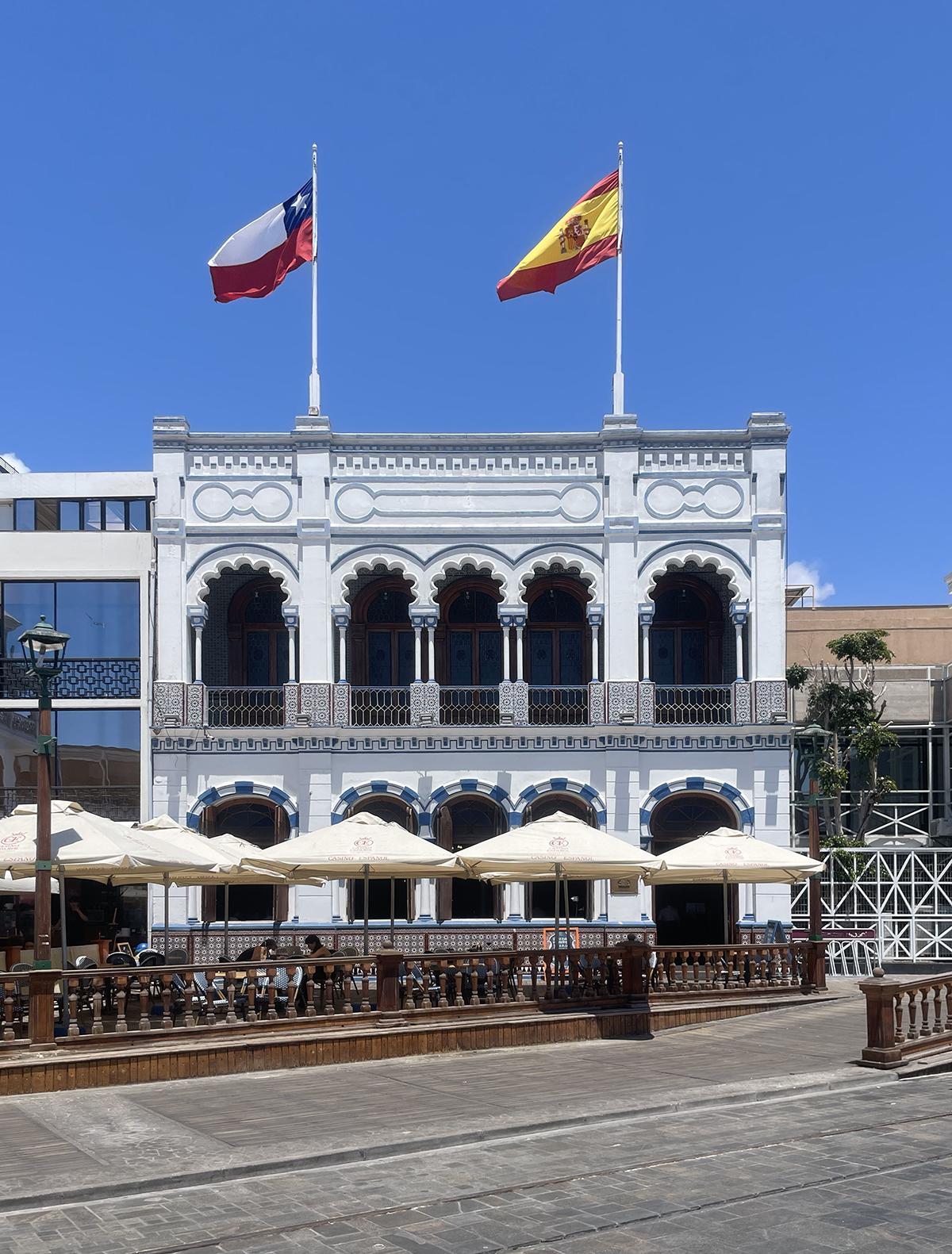
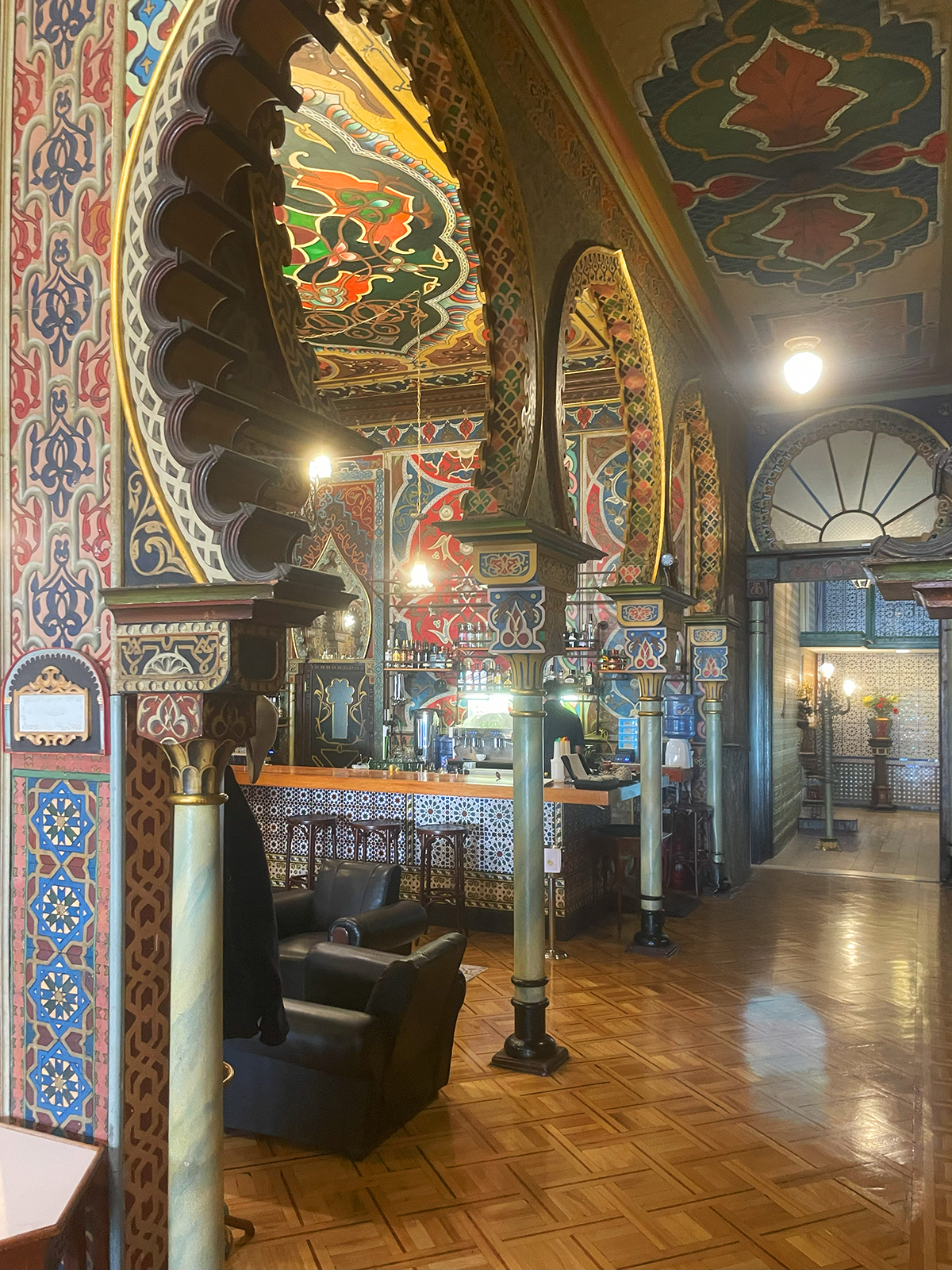
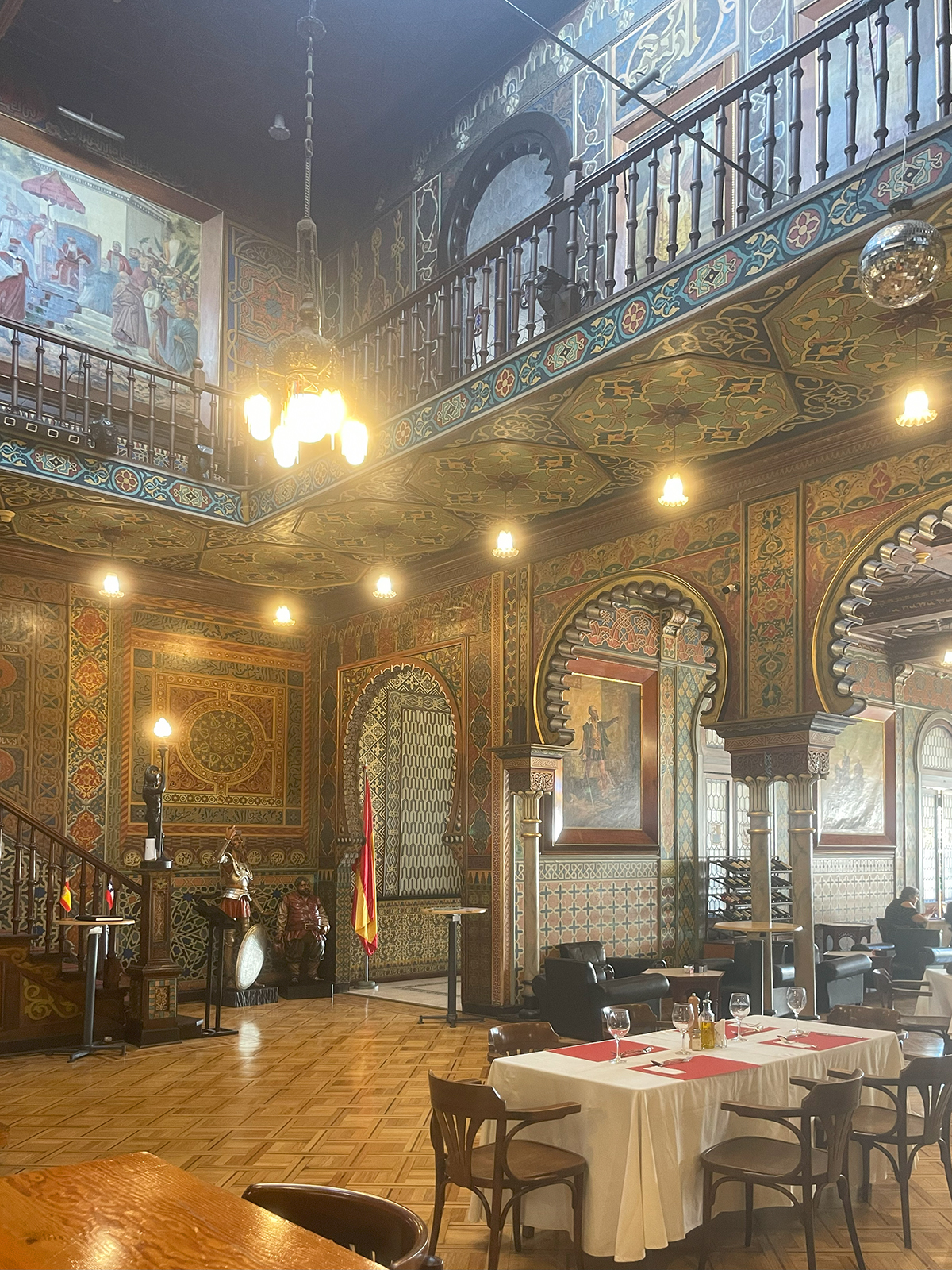
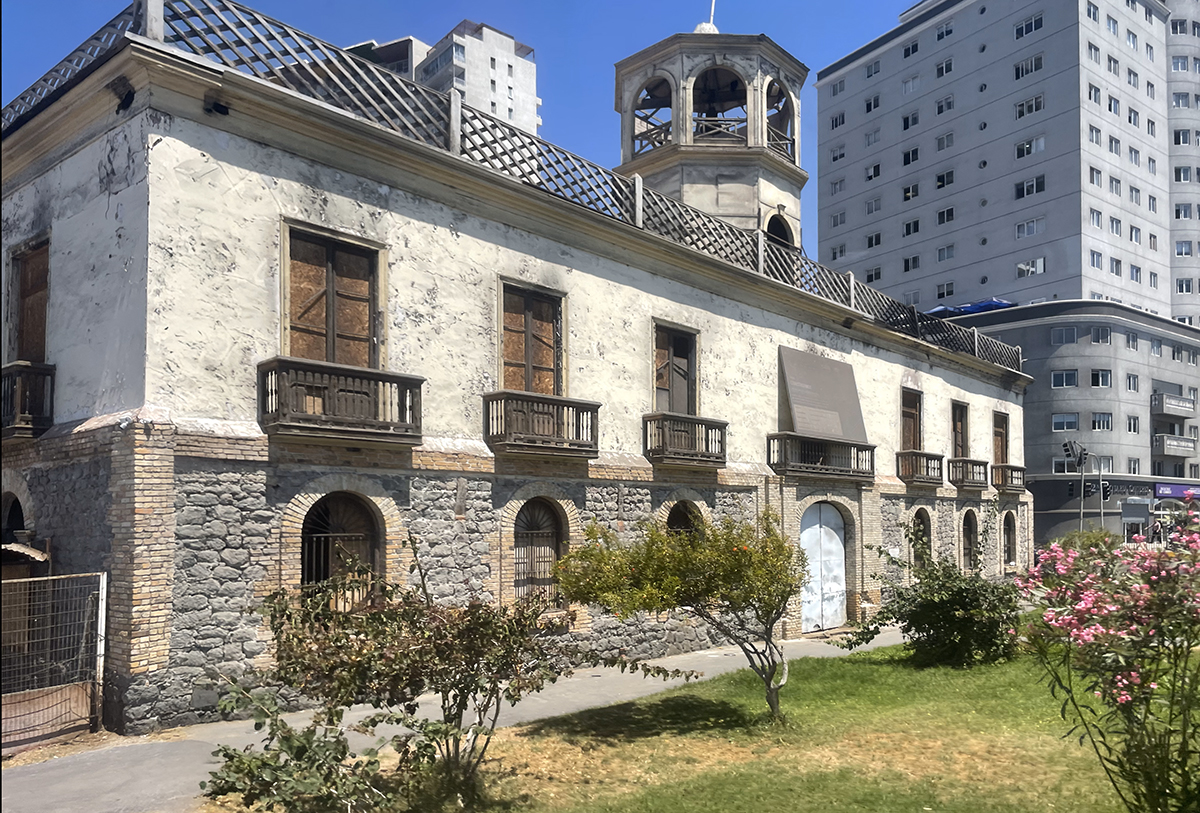
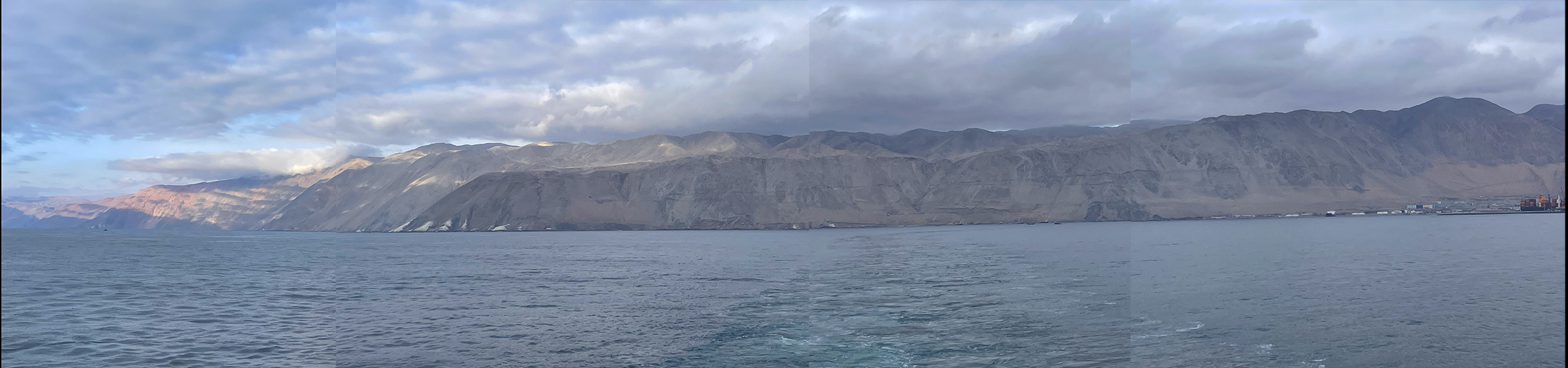
January 9, 2025 Marti Eicholz The Odyssey makes port for a day in the vibrant coastal city of Iquique, Chile, inviting us to explore its unique blend of desert and ocean scenery. Nestled on a rocky peninsula along the edge of the Atacama Desert and overlooking the endless expanse of the Pacific Ocean, Iquique offers a dramatic landscape that is both striking and unforgettable. The city is uniquely positioned just steps from the shoreline, with golden beaches and rolling waves on one side, and towering sand dunes leading to the inland desert on the other. These dunes are not only a natural wonder but also a reminder of the region’s rich mining history, especially the saltpeter mines that powered Chile’s economy for more than a century. Iquique’s proximity to the borders of Peru and Bolivia has made it a cultural crossroads, welcoming immigrants from neighboring countries and infusing the city with a vibrant multicultural atmosphere. This diversity is evident in its cuisine, festivals, and daily life. Today, Iquique thrives as a dynamic port city, renowned for its lively surf scene and as a premier destination for paragliding, drawing adventure seekers from around the world. Tourists flock here not only for the consistently pleasant weather but also to admire the city’s historic architecture, which still bears the marks of British influence from the mining boom era. The surrounding Atacama Desert is recognized as one of the driest places on the planet, with average annual rainfall rarely exceeding 0.05 inches. This arid environment is a major source of natural nitrate minerals. Among them, Chile saltpeter — also known as sodium nitrate — has played a significant role in global industry. Used primarily as a preservative in products like bacon, deli meats, and jerky, sodium nitrate has also raised health concerns, as it has been linked to increased risks of heart disease and diabetes. Consequently, some food producers have reduced or eliminated its use in response to these findings. In addition to nitrates, Chile’s northern region is rich in valuable minerals such as copper, molybdenum, and iron, all of which contribute substantially to the nation’s export economy. These resources have shaped both the city’s development and its global significance. While visiting Iquique, take advantage of the stunning oceanfront by spending a leisurely day on the beach. Whether your preference is sunbathing, discovering the vibrant marine life through diving, or experiencing the thrill of jet skiing across the waves, there are countless ways to enjoy the water. Stroll through the city’s streets and along the scenic coastline, where the relaxed atmosphere and charming ambiance offer a perfect opportunity for exploration and relaxation. The city’s character is best absorbed on foot, as you take in the local sights and sounds. No visit to Iquique is complete without a stop at the Free Trade Zone, a bustling shopping area known for its diverse selection of goods. Here, shoppers can find everything from the latest electronic devices to luxury perfumes, making it a true paradise for those looking to indulge in retail therapy. Discover the vibrant flavors and culinary traditions that make Iquique’s cuisine truly unique. The region’s arid climate has shaped its gastronomy, resulting in a rich assortment of legumes and cereals that feature prominently in local dishes. Staples such as quinoa, potatoes, and carrots are frequently combined with an array of tropical fruits, including mango, passion fruit, and guava, lending a distinct and refreshing taste to many meals. Don’t miss the opportunity to try a traditional mango sour, a creamy and delicious beverage that highlights the area’s love of tropical fruit. Stroll through Iquique’s Historic District and let yourself be transported to a bygone era when life moved at a gentler pace. Picture elegant ladies dressed in taffeta, gracefully shielding themselves from the sun with parasols, and gentlemen sporting stylish handlebar mustaches. The district’s stunning architecture preserves the grandeur and glamour from the city’s prosperous saltpeter days, offering a fascinating glimpse into its rich past. Baquedano Street serves as the heartbeat of downtown Iquique, welcoming pedestrians and cyclists along its cobblestone roads and wooden sidewalks. The businesses lining the street are painted in vibrant colors, boasting beautifully maintained wooden balconies that add to the charm of the area. Cozy cafes and inviting restaurants spill onto the side streets, creating ideal spots for relaxing and people-watching. However, not all is perfect; some historic buildings bear the scars of neglect or remain damaged from the 2014 earthquake, reminding visitors of the city’s resilience. At the center of commercial life lies the Plaza de Armas, distinguished by its iconic clock tower, the Torre de Reloj, standing tall in the heart of the square. Nearby, the Teatro Municipal gleams in bright white, a testament to Iquique’s opulent history and the wealth generated during its most lucrative periods. The bustling Mercado Centenario is the nucleus of downtown activity, teeming with vendors selling fresh fruit, vegetables, dried goods, and seafood. The market’s lively atmosphere extends to several restaurants both inside and around its perimeter, making it a popular destination for sampling local flavors. Sit back at an outdoor café and enjoy a glass of fresh juice, squeezed from regional fruits like oranges, mangoes, and guavas. For a sweet treat, try chumbeques, Iquique’s famous crumbly cookie sandwiches filled with mango — perfect for indulging while watching the world go by. For those interested in history, the Museo Regional de Iquique offers engaging exhibits on the Indigenous populations native to Tarapacá and the region’s pivotal saltpeter industry. One highlight is the Oficina Humberstone, among the largest and best-preserved former mining sites, which provides an in-depth look into how mining shaped generations of local families. You can also admire traditional textiles from Isluga, where the Aymara people continue their ancient weaving practices. A must-see for museum enthusiasts is the Museo Corbeta Esmeralda, featuring a meticulous reconstruction of the legendary Esmeralda ship. Sunk by the Peruvian navy during the historic Battle of Iquique, this vessel remains a powerful symbol of Chilean military pride and heritage. Take a leisurely walk along the malecón, Iquique’s scenic wooden boardwalk that hugs the coastline. Cyclists and walkers alike enjoy the well-kept bike path running parallel to the shore, while the soothing sound of waves and sweeping coastal views create a tranquil ambiance, even when clouds and chilly winds roll in. If you’ve ever wondered what it feels like to be transported to another world, Chile’s Atacama Desert offers an experience that’s almost out of this world. With its parched salt flats, rugged wilderness, and expansive, seemingly lifeless vistas, the Atacama is so extreme that NASA tests its space exploration instruments here. Despite its reputation as one of the harshest places on earth, the desert is far from dull or barren — it’s a landscape full of surprises and hidden beauty. This thin coastal desert, squished between the Pacific Ocean and Andes Mountains, is riddled with oases where it bursts to life, both in fertile river valleys and on the semi-arid Altiplano thousands of feet above. Add to the mix of the planet’s tallest volcano, highest geysers, oldest mummies, and clearest skies, you’ve got a recipe for an epic adventure. As The Odyssey sails towards Valparaiso, Chile, Iquique leaves me charmed by its beautiful coastline, interesting architecture, multi-faceted heritage, and inspired to learn more about Chile’s fascinating history. |
|
Copyright © 2025 All rights reserved |