|
|
 |
 |
 |
 |
 |
 |
 |
 |
 |
 |
 |
 |
 |
 |
 |
 |
 |
 |
|
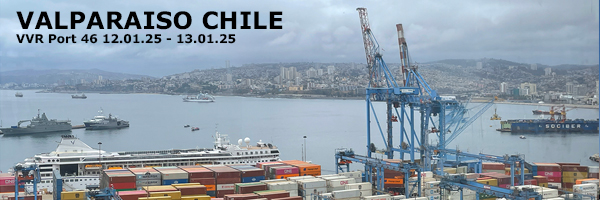
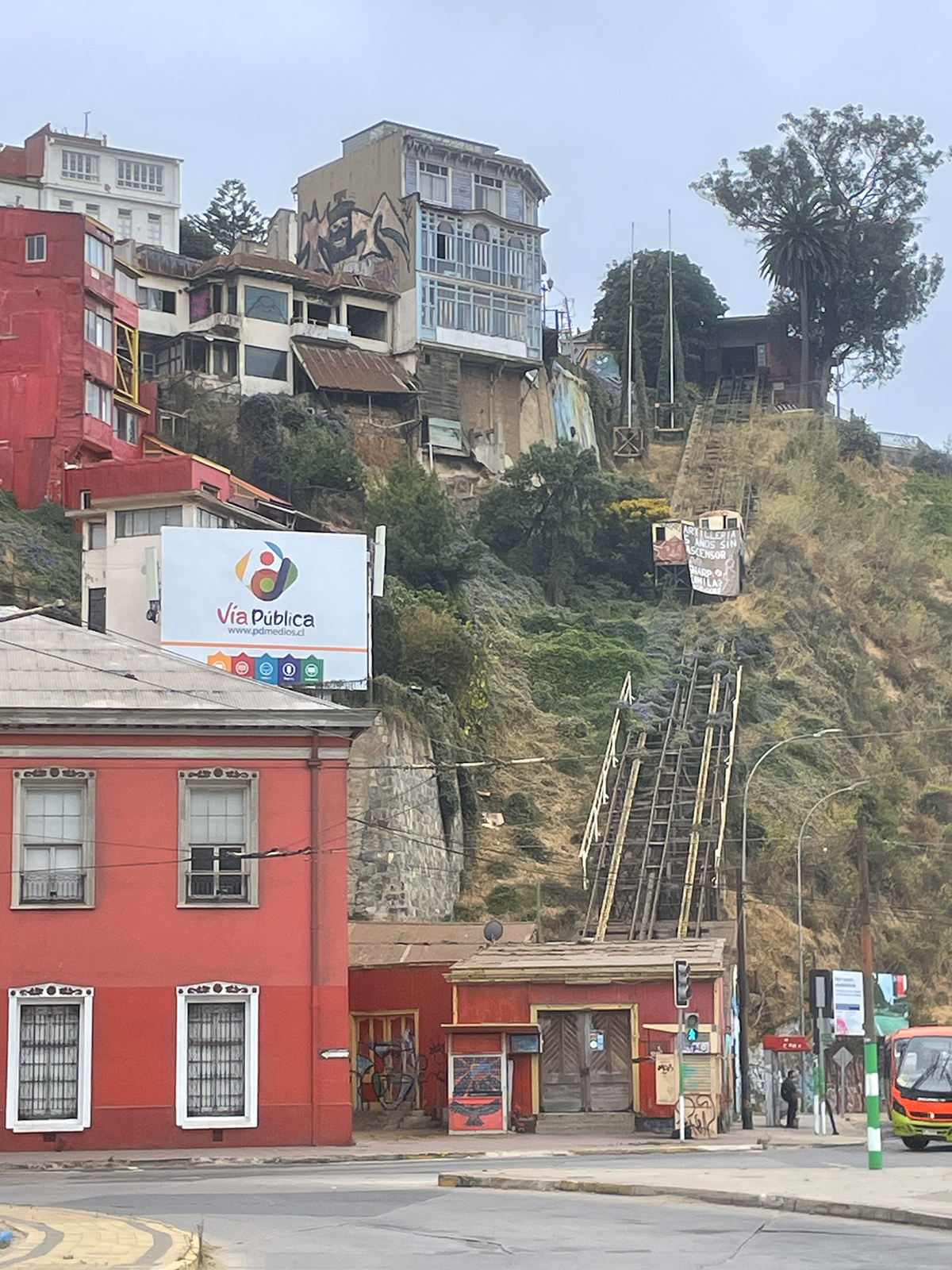
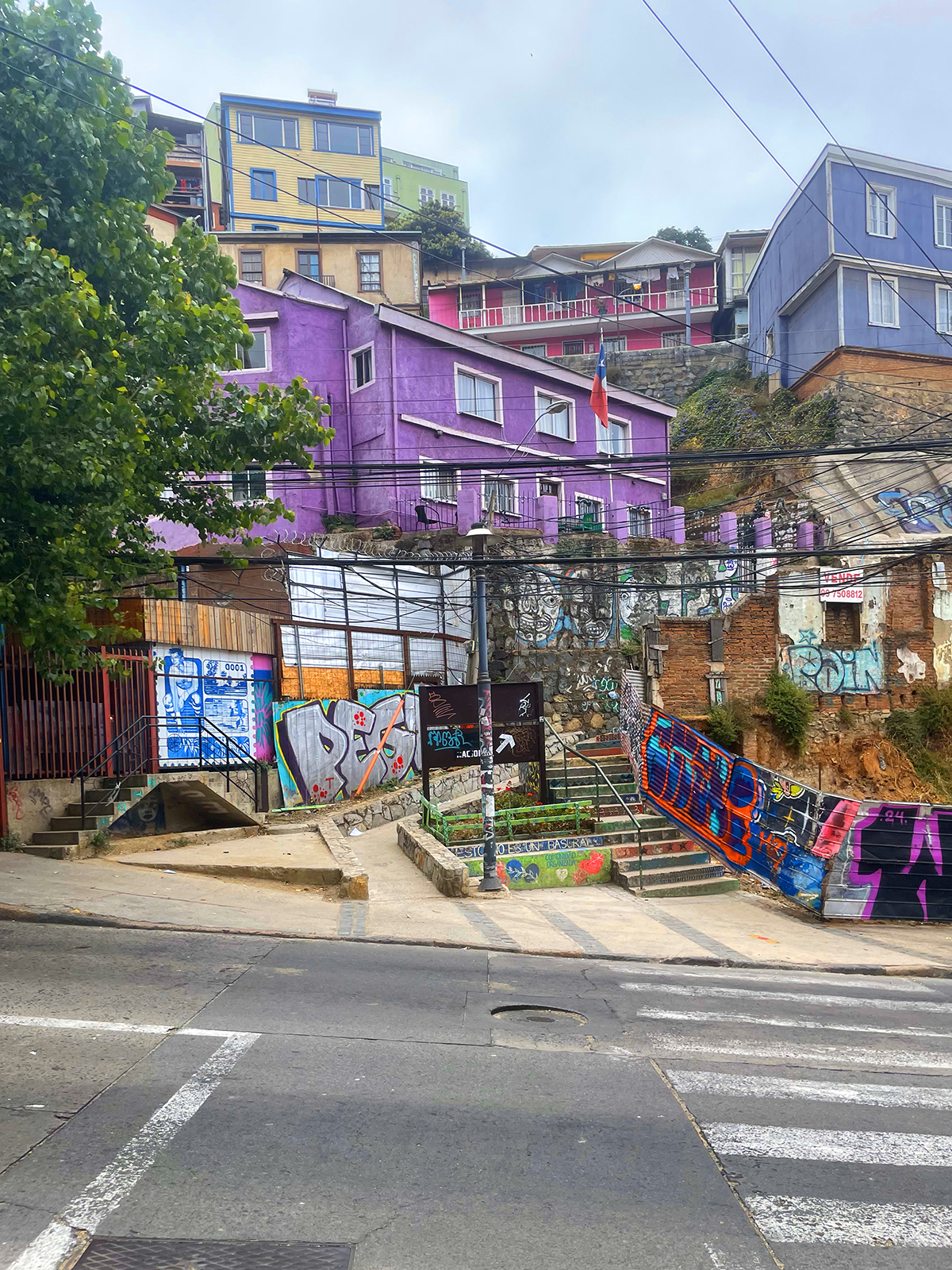
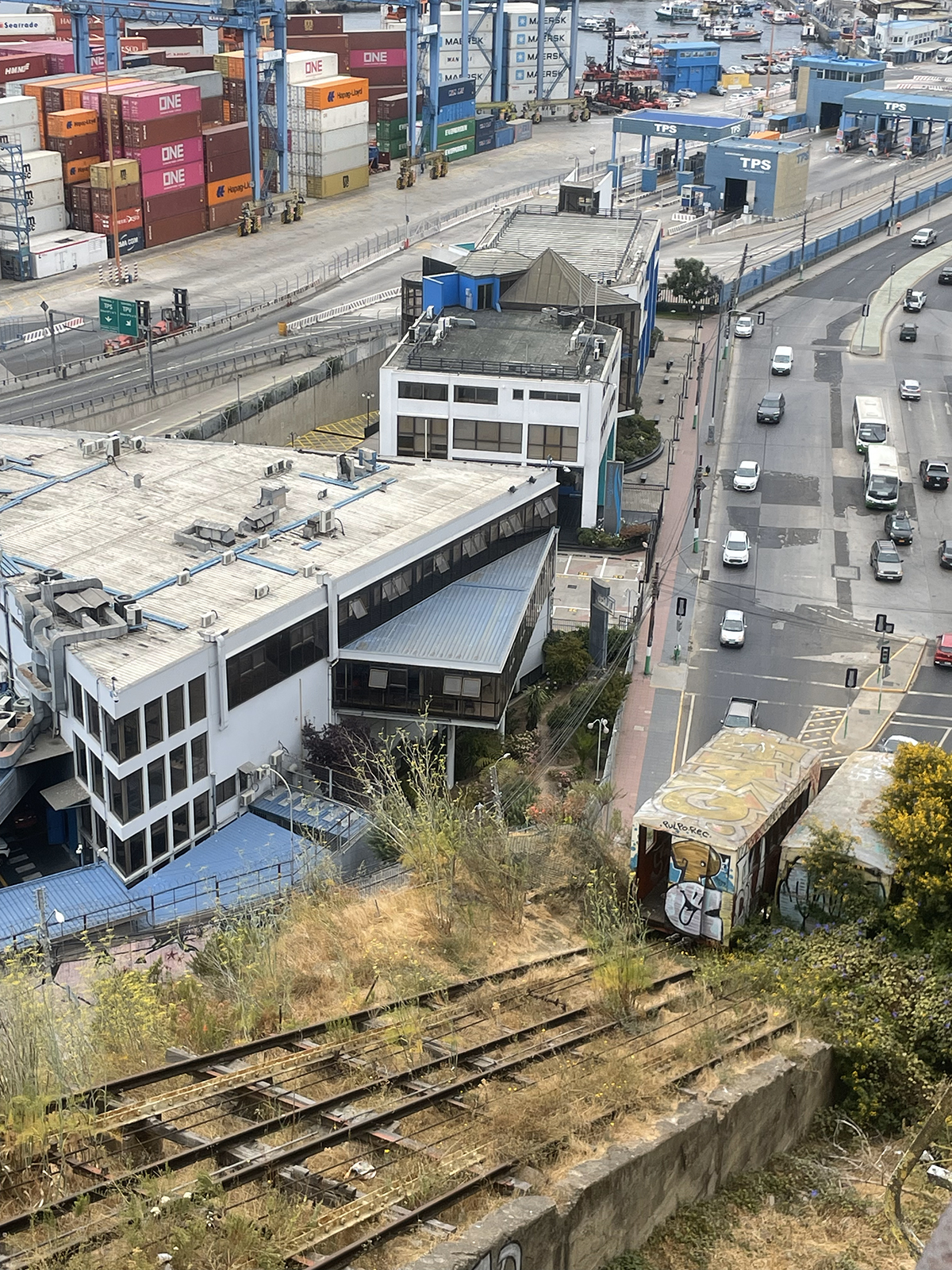
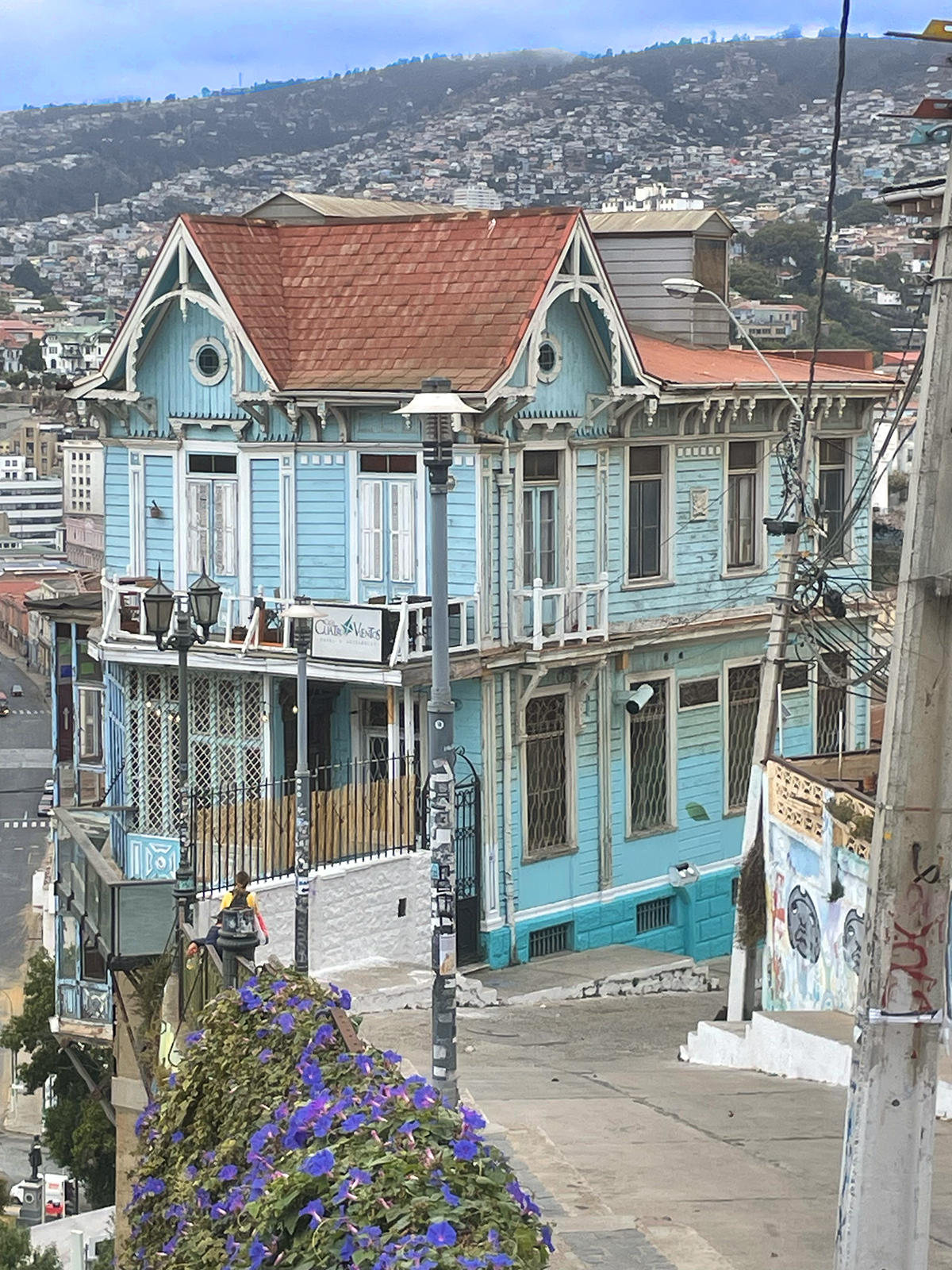
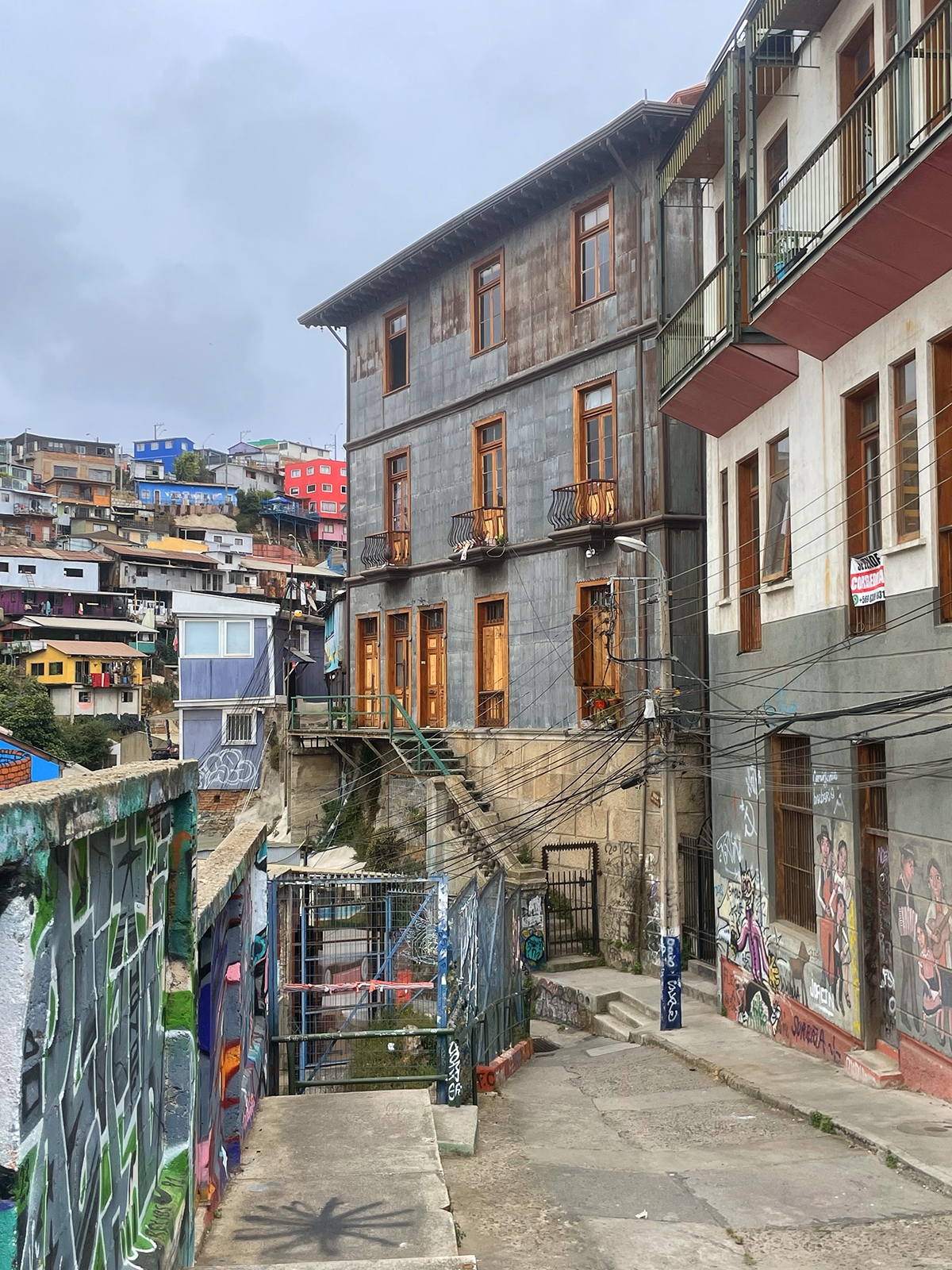
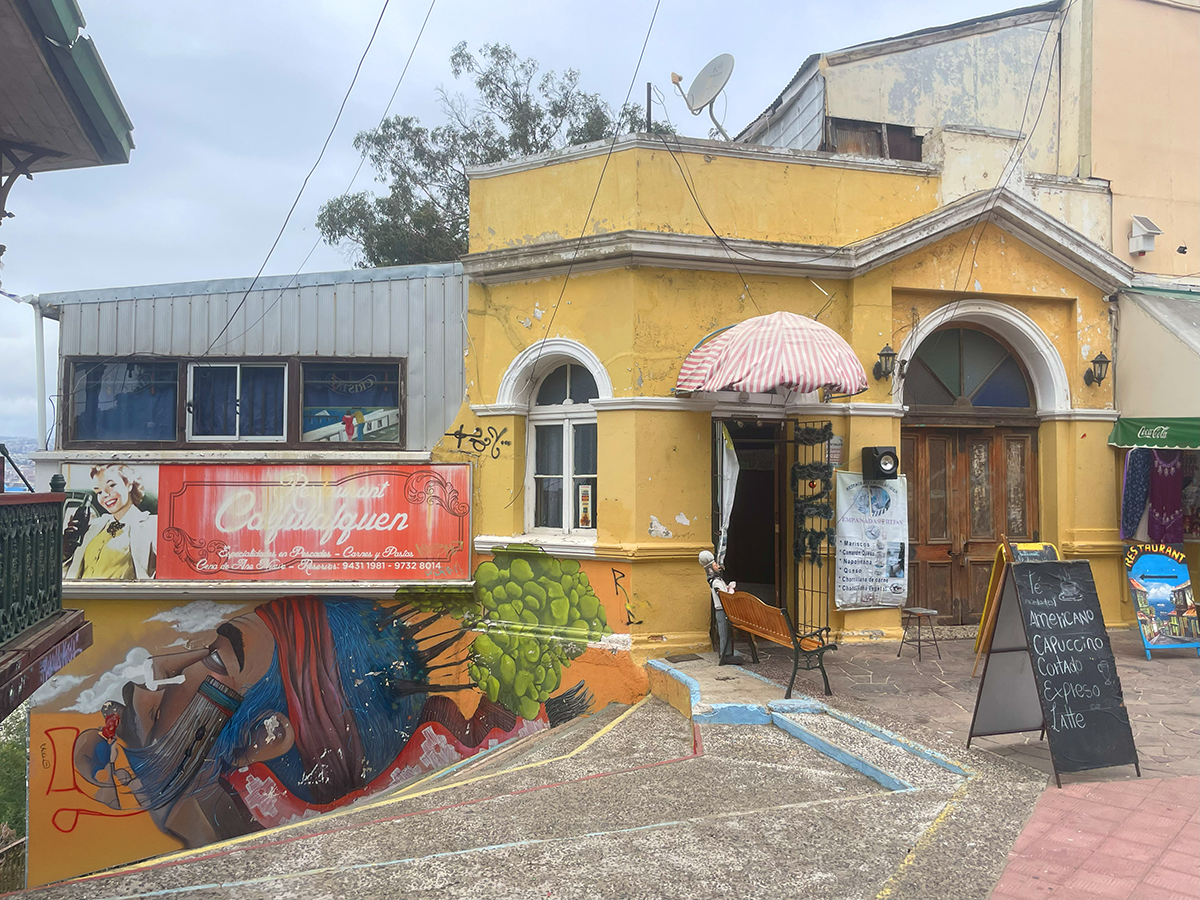
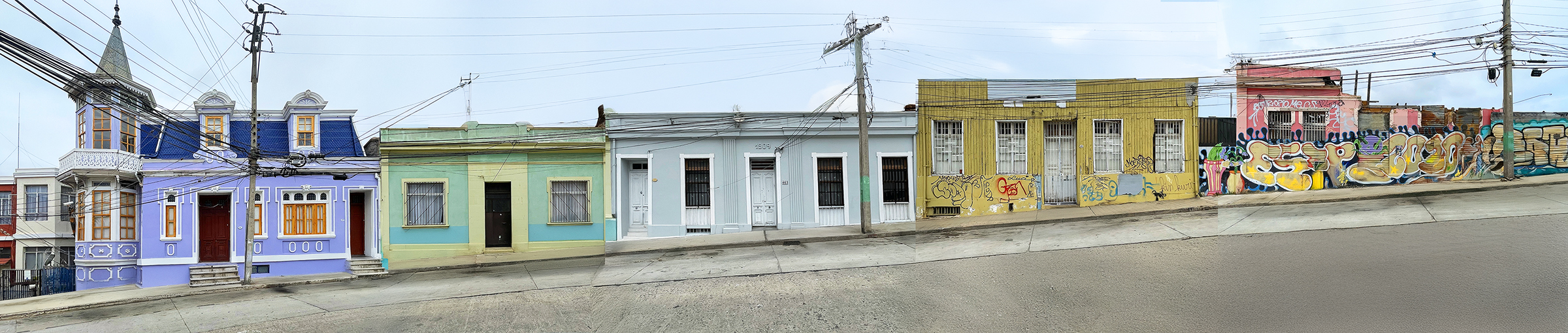
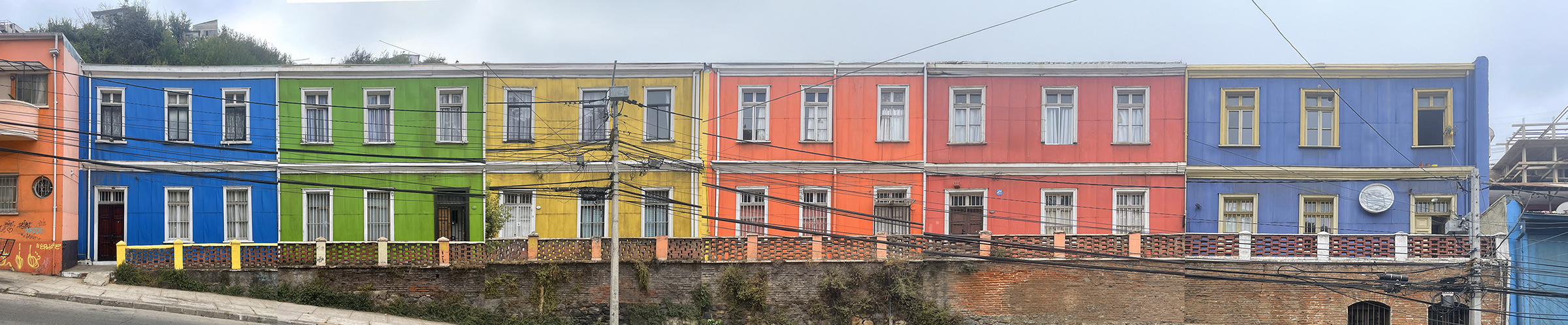
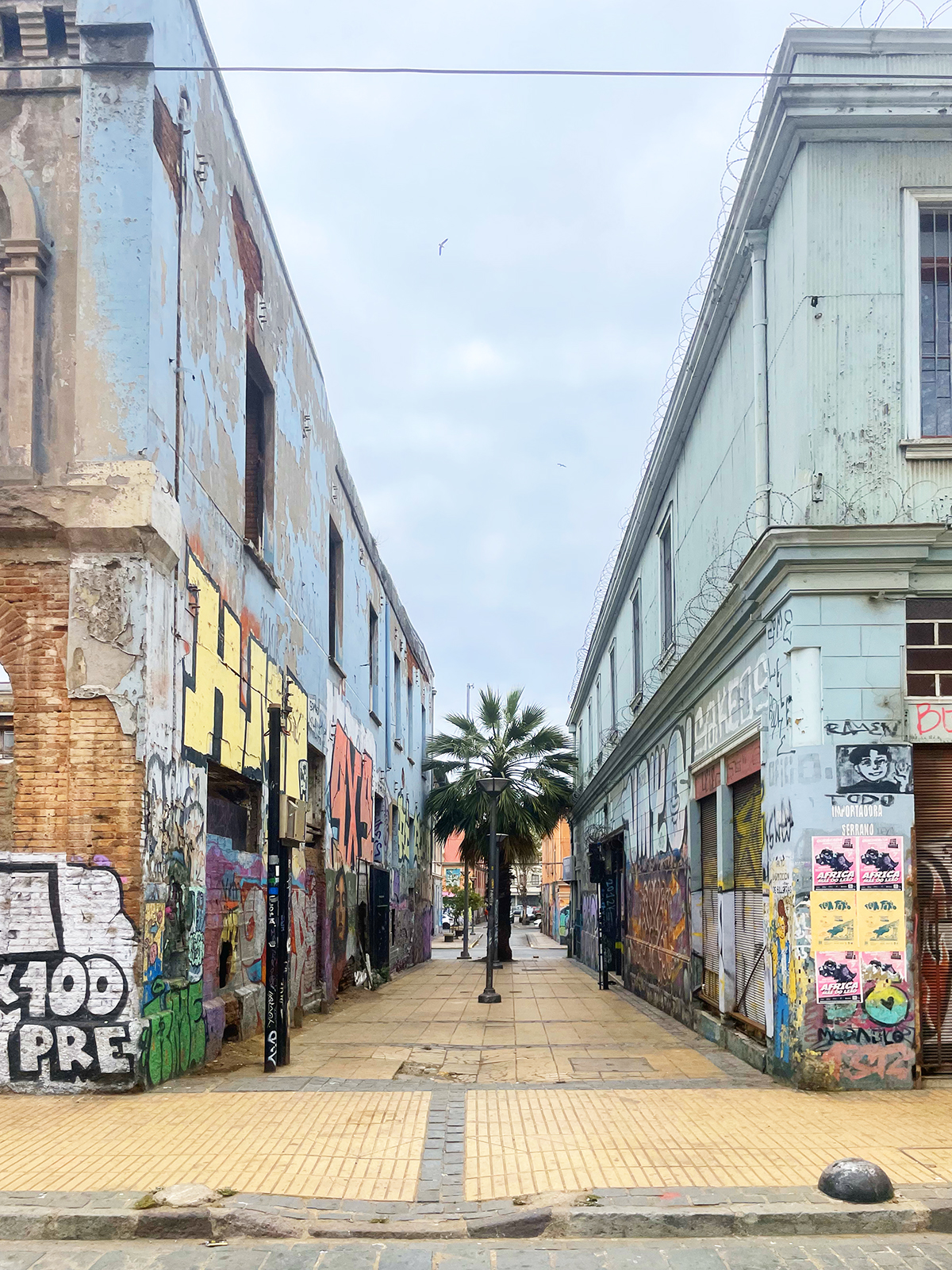
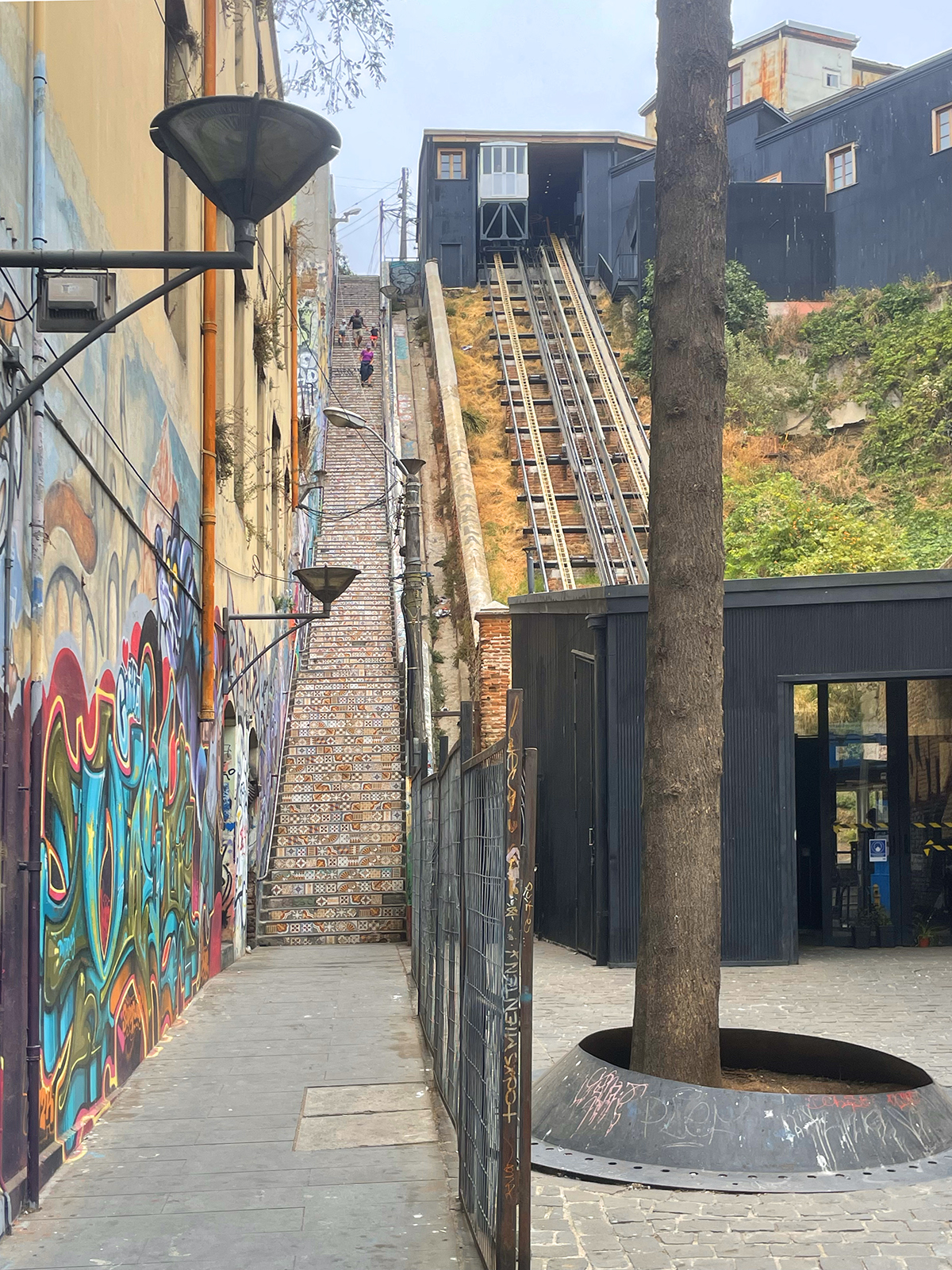
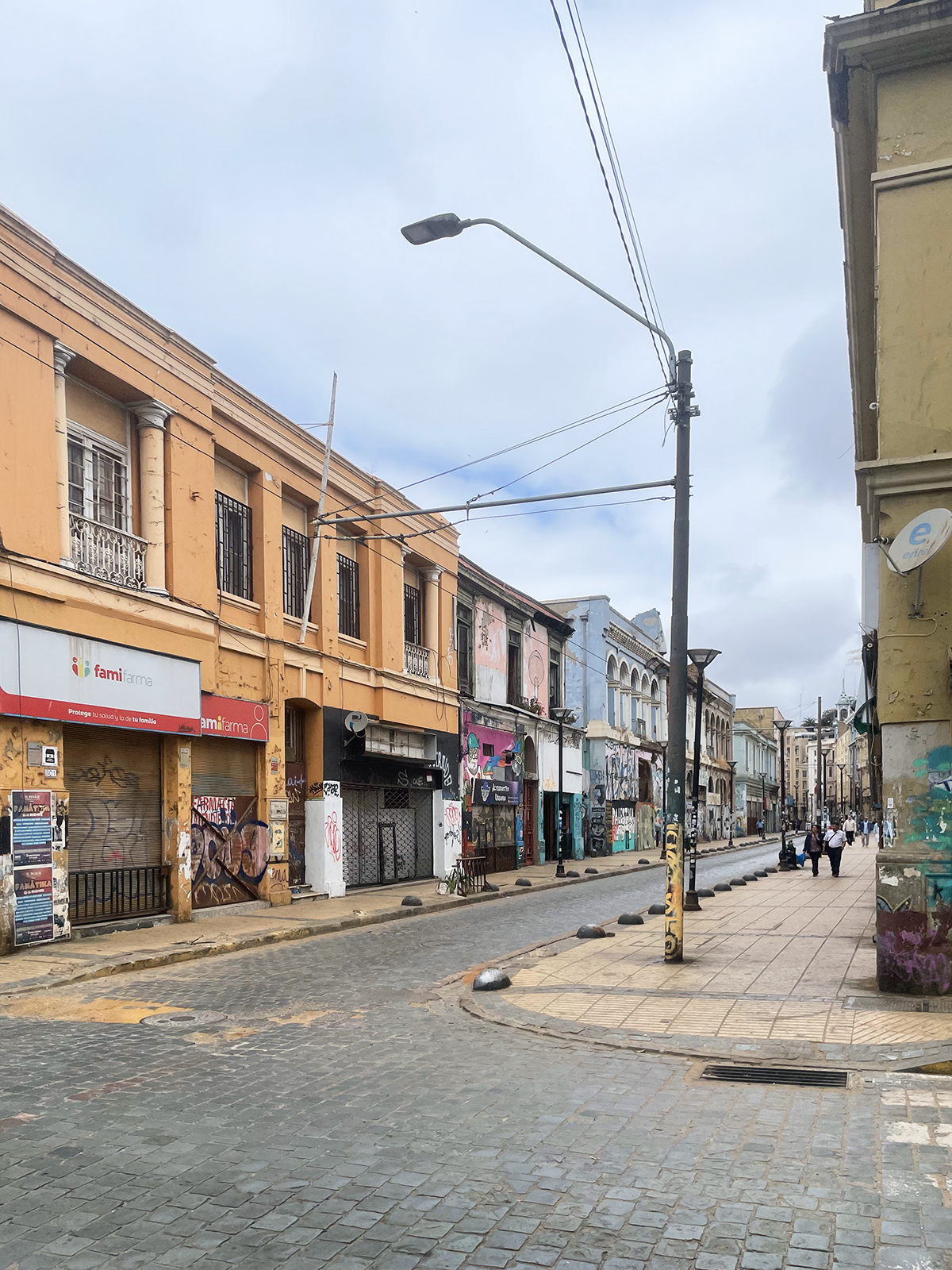
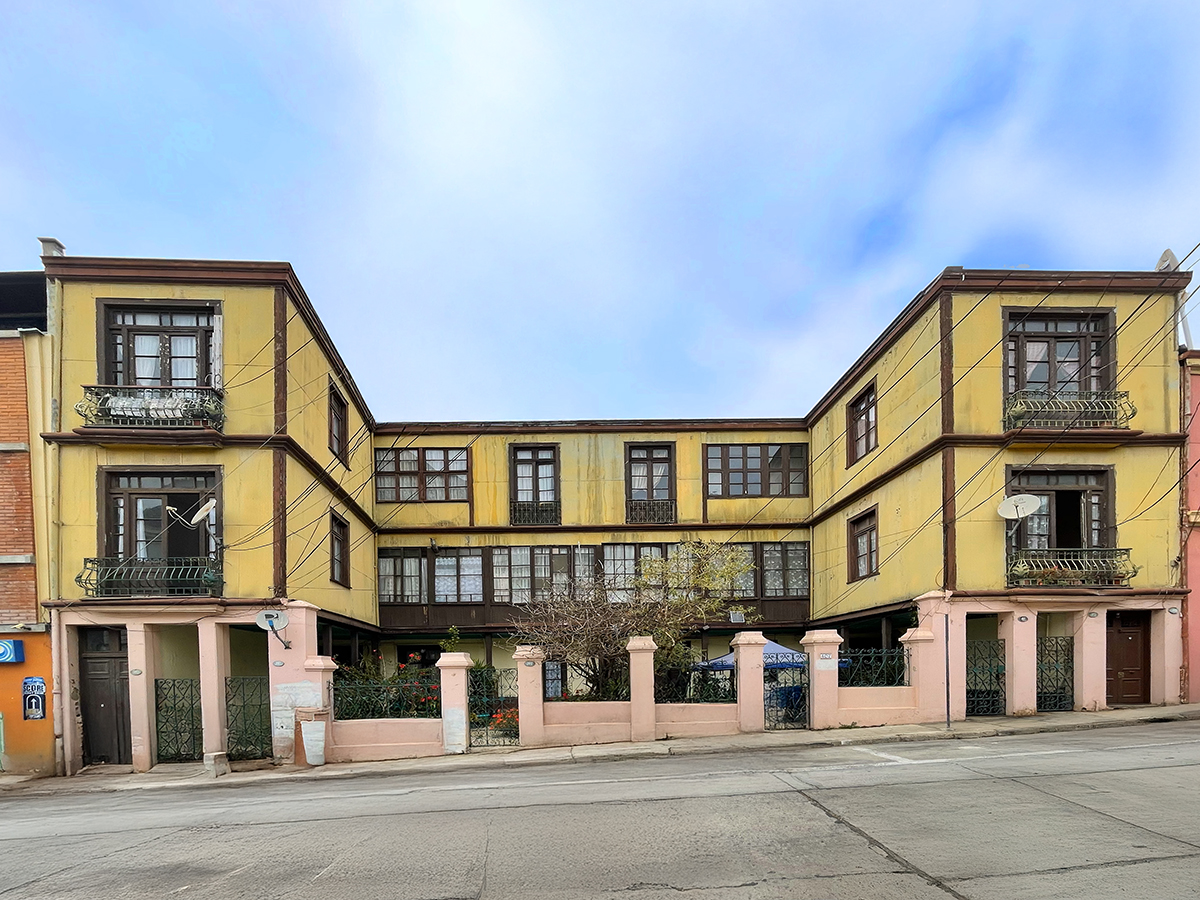
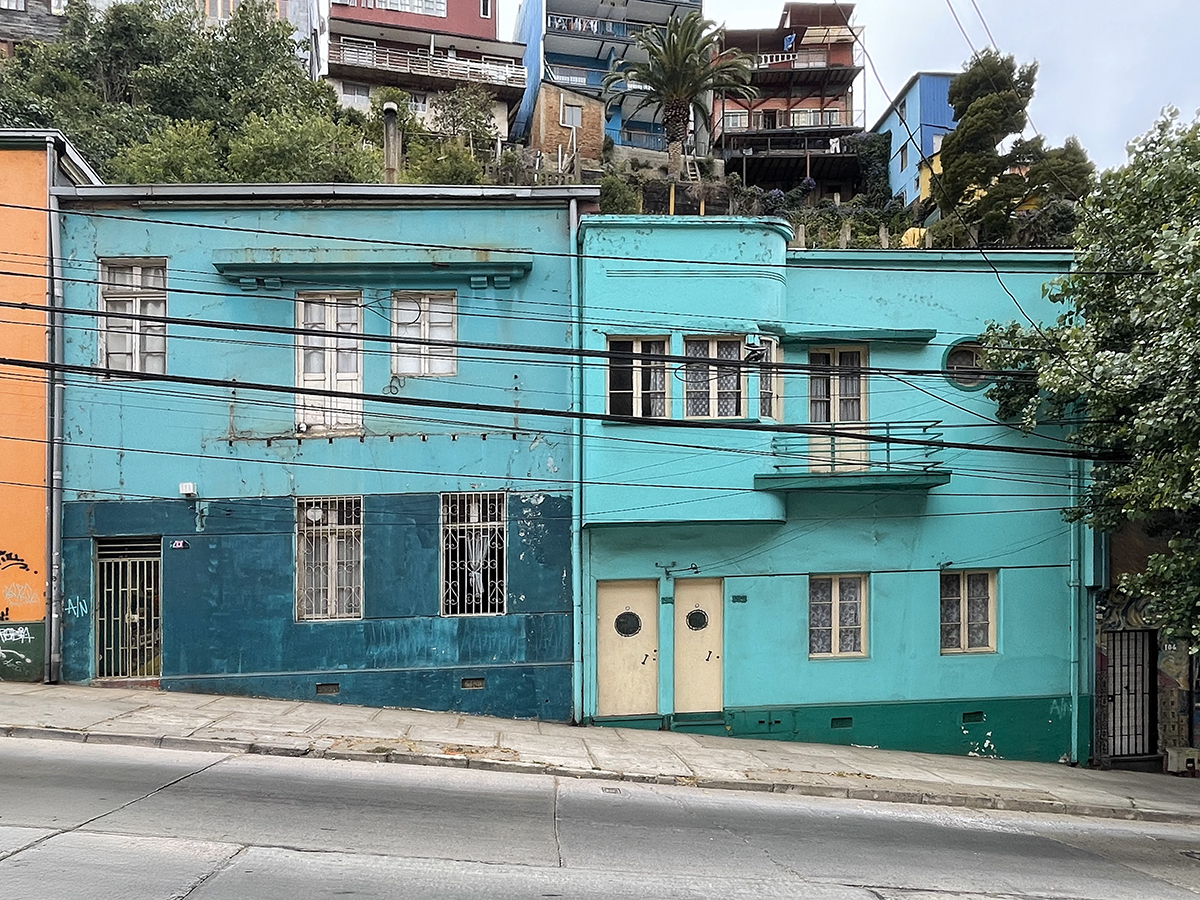
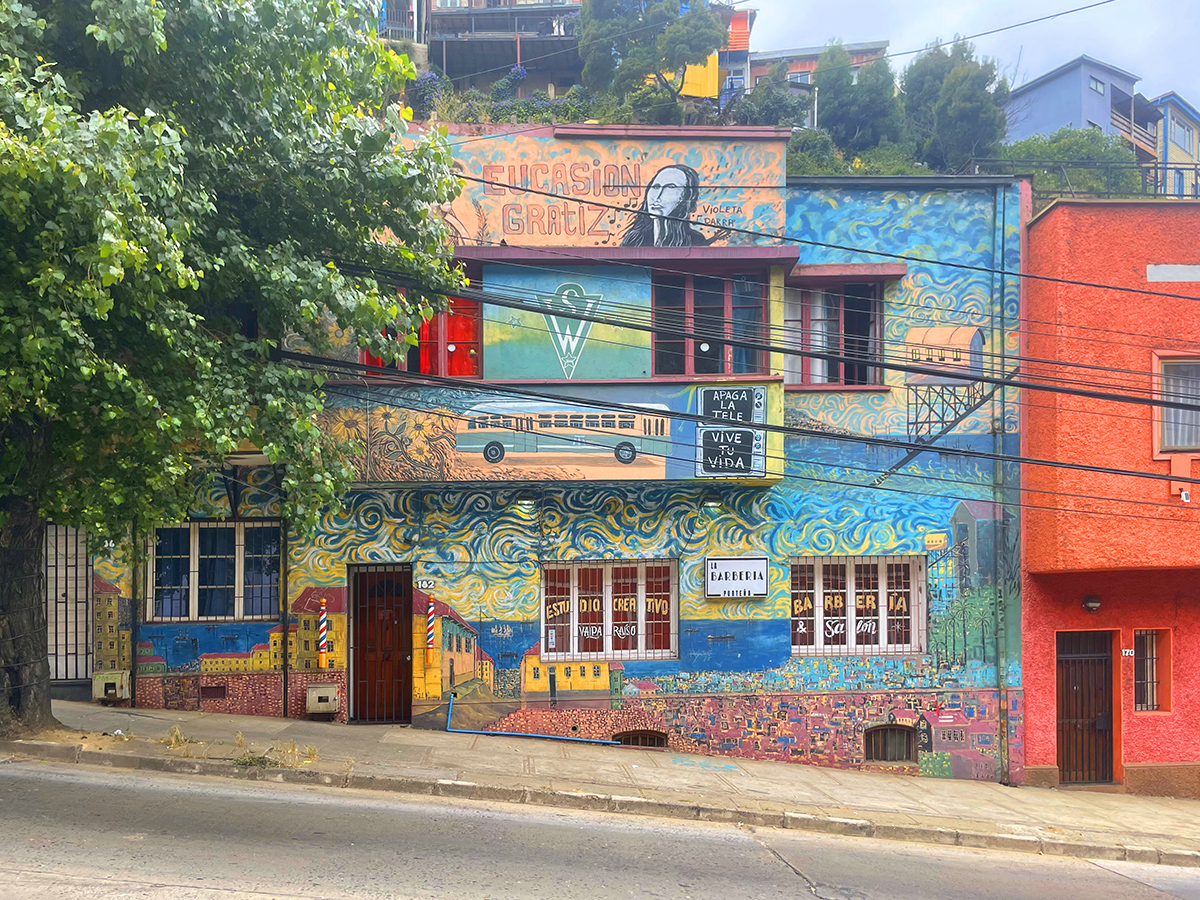
A patient boy, waiting for a beer January 12–13, 2025 Marti Eicholz “The more places I see and experience, the bigger the world becomes and the less I know.” Our journey aboard The Odyssey brought us to the captivating port city of Valparaiso, Chile, a destination brimming with vibrant culture and history. Nestled along the Pacific coast, this city truly stands out as a remarkable destination, offering a unique blend of charm and adventure at every turn. Locally known as “Valpo,” Valparaíso is Chile’s second-largest city, surpassed only by the bustling capital, Santiago. Dubbed “the Pearl of the Pacific,” Valparaíso dazzles with its eclectic mix of colorful hillside homes, steep winding streets, and an atmosphere that buzzes with creativity and intrigue. During its golden era, Valparaíso was a magnet for seafarers from around the world who affectionately referred to it as “Little San Francisco.” The city flourished as European immigrants arrived, contributing to its rapid expansion and diverse cultural tapestry. Today, Valpo continues to attract travelers and dreamers alike, its identity shaped by the many wanderers and locals who call it home. Valparaíso stands as one of Chile’s most prosperous and dynamic cities. As the country’s principal port, it plays a vital role in trade and industry, producing everything from textiles and footwear to paint and chemicals. Perhaps its greatest treasure, however, is its historic core — a labyrinth of narrow streets and colorful facades — honored as a UNESCO World Heritage Site in 2003 for its architectural originality, stunning natural setting, and cultural significance. Valparaíso is a city defined by contrasts: a global tourist hotspot that’s both bohemian and refined, organized yet delightfully chaotic. It’s a haven for poets, artists, sailors, and street vendors alike, each adding their own colorful threads to the fabric of the city. With so much to discover, every corner invites exploration and wonder. Embark on a walking tour to truly immerse yourself in the essence of Valparaíso. Local guides share fascinating stories and insights, providing a deeper appreciation for the city’s vibrant streets, friendly residents, and the subtle details that make Valpo so unforgettable. Don’t miss a ride on one of Valparaíso’s iconic funiculars. These historic hillside elevators, while initially a bit intimidating, are an essential part of navigating the city’s steep terrain — offering not just convenience but also breathtaking views and a glimpse into local life. Take time to explore the vibrant streets and immerse yourself in the city’s remarkable art scene. Many works of art are imbued with profound meaning, while others stand out for their sheer creativity and bold expression. One of the top places to experience this is Templeman Street, renowned for its dazzling display of street art. Here, the facades of buildings are transformed into large-scale canvases, adorned with stunning murals. In fact, property owners discovered that commissioning professional artists to paint murals discouraged unwanted graffiti, preserving the beauty of their walls. As you wander through these lively streets, you’ll find yourself captivated for hours by the vivid colors and imaginative designs that bring the city to life. Don’t miss the chance to see the iconic piano staircase, fittingly called Beethoven. Each step is painted like a piano key, inviting visitors to “play” a melody with every stride. Walking up these stairs is not only a whimsical experience but also a testament to the city’s playful spirit and artistic flair. Make your way to Baburizza Palace One to view an impressive collection of artwork. The museum spans nearly two centuries, exhibiting both European and Chilean masterpieces from the 1800s to the 1990s. The carefully curated displays offer a fascinating glimpse into the evolution of artistic styles and cultural influences in the region. Take a moment to unwind at Plaza Sotomayor, the city’s main square. This is a wonderful spot to relax, soak up the local atmosphere, and enjoy some people-watching. Marvel at the striking architecture that frames the plaza, a reminder of the city’s rich history and grand ambitions. For a change of pace, head to Viña del Mar, a chic seaside resort known for its laid-back charm and breathtaking scenery. While Valparaíso dazzles with its colorful streets and lively energy, Viña del Mar is celebrated for its elegant homes, extensive green spaces, and beautifully maintained beaches dotted with vibrant surfboards. Both cities are famous for their funiculars, which provide unique and scenic rides up and down the hills. Embark on a wine tour through the stunning Casablanca Valley, a region famed for its picturesque vineyards and exceptional wines. The landscape is truly breathtaking, with rolling hills and lush grapevines stretching out as far as the eye can see. Chilean wine is renowned as some of the finest in South America, so be sure to savor a glass or two of the local vintages while you’re here — an experience no one should miss. Visit Playa Caleta Portales to witness the lively spectacle of sea lions lounging around the pier and port area. These fascinating creatures are a delight to watch as they jostle for the best spot in the sun, occasionally tumbling into the water only to clamber back up and try again. Their playful antics and sheer size make them a highlight for animal lovers and photographers alike. Valparaíso has long served as a muse for artists and writers, most notably Pablo Neruda, the Nobel Prize-winning poet of 1971. Neruda’s legacy is woven into the city’s fabric; his poetry, which spans love, nature, and political themes, resonated across borders for over fifty years. He is widely regarded as the most influential Latin American poet of the 20th century. Among his many celebrated works is the collection “Twenty Love Poems and a Song of Despair,” which continues to inspire readers with its emotional depth and lyrical beauty. What is Pablo Neruda’s most celebrated line? One of Neruda’s most beloved quotes is: “A child who does not play is not a child, but the man who doesn’t play has lost forever the child who lived in him and who he will miss terribly.” This poignant line explores the importance of playfulness and imagination, both in childhood and as a vital aspect of adulthood. Neruda’s words remind us that nurturing our inner child is essential for maintaining joy and creativity throughout our lives. Another famous quote from Neruda is, “You can cut all the flowers, but you cannot keep spring from coming.” This metaphorical statement is a testament to hope and resilience, expressing that while adversity may temporarily suppress beauty or joy, renewal and growth are inevitable forces of nature. Neruda’s passion and romanticism are evident in his sonnets, especially those dedicated to his third wife, Matilde Urrutia. He composed a hundred sonnets for her, weaving together themes of secrecy, longing, and devotion. Their clandestine love affair is reflected in verses filled with imagery of shadows and concealed emotions. The collection opens with a moving dedication to Matilde: “I built up these lumber piles of love, and with fourteen boards each I built little houses, so that your eyes, which I adore and sing to, might live in them.” Through these lines, Neruda creates a poetic sanctuary for his beloved, encapsulating the depth and intensity of his feelings. If you are ever in Valparaíso, you should consider visiting La Sebastiana, Pablo Neruda’s former home, which has been transformed into a museum. This remarkable house, standing atop a hill, offers stunning panoramic views of the city and the sea. Stepping inside, you can immerse yourself in the atmosphere and lifestyle that inspired some of Neruda’s greatest works, gaining a deeper appreciation for the poet’s legacy and the creative spirit that filled his home. Gabriela Mistral, another influential Chilean literary figure, was renowned not only for her poetry but also for her dedication to education and social justice. As the first Latin American to win the Nobel Prize in Literature, she championed the rights of women, children, and the marginalized in her society. Born on April 7, 1889, Mistral began crafting poetry while teaching in a small village, following a passionate romance with a railway worker. Her poem “Dolor” poignantly describes the heartbreak and tragedy that followed, culminating in the lover’s suicide — a loss that shaped her life and led her to remain unmarried. This profound sense of sorrow and unfulfilled maternal longing permeates much of her work, with death and compassion serving as recurring themes. What is a famous quote from Gabriela Mistral? One of Mistral’s most memorable quotes is: “You shall create beauty not to excite the senses but to give sustenance to the soul.” This line captures her belief in the deeper purpose of art and literature — to nourish the spirit and inspire meaningful reflection, rather than simply providing fleeting pleasures. When you witness a sunset or a moonrise over Valparaíso, you experience a beauty that goes beyond visual delight, nourishing your soul in the way Mistral described. The vibrant colors and tranquil atmosphere evoke feelings of wonder and peace, enriching your inner life. The soothing presence of the ocean in Valparaíso brings a sense of serenity, love, and renewal. Its vastness and ever-changing rhythms have a calming influence, helping to restore and invigorate the spirit — an experience that both Neruda and Mistral captured in their evocative poetry. |
|
Copyright © 2025 All rights reserved |