|
|
 |
 |
 |
 |
 |
 |
|
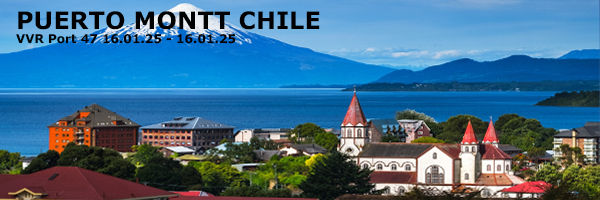
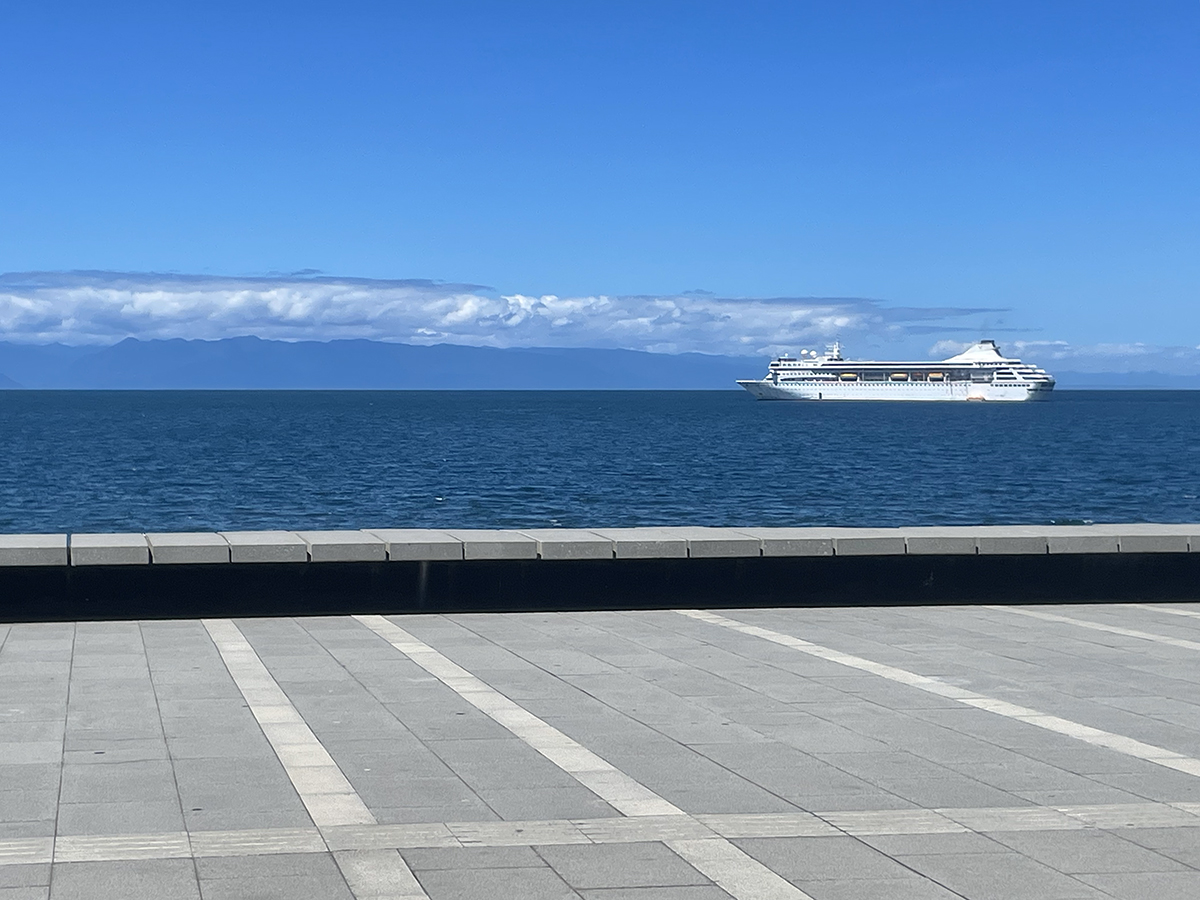
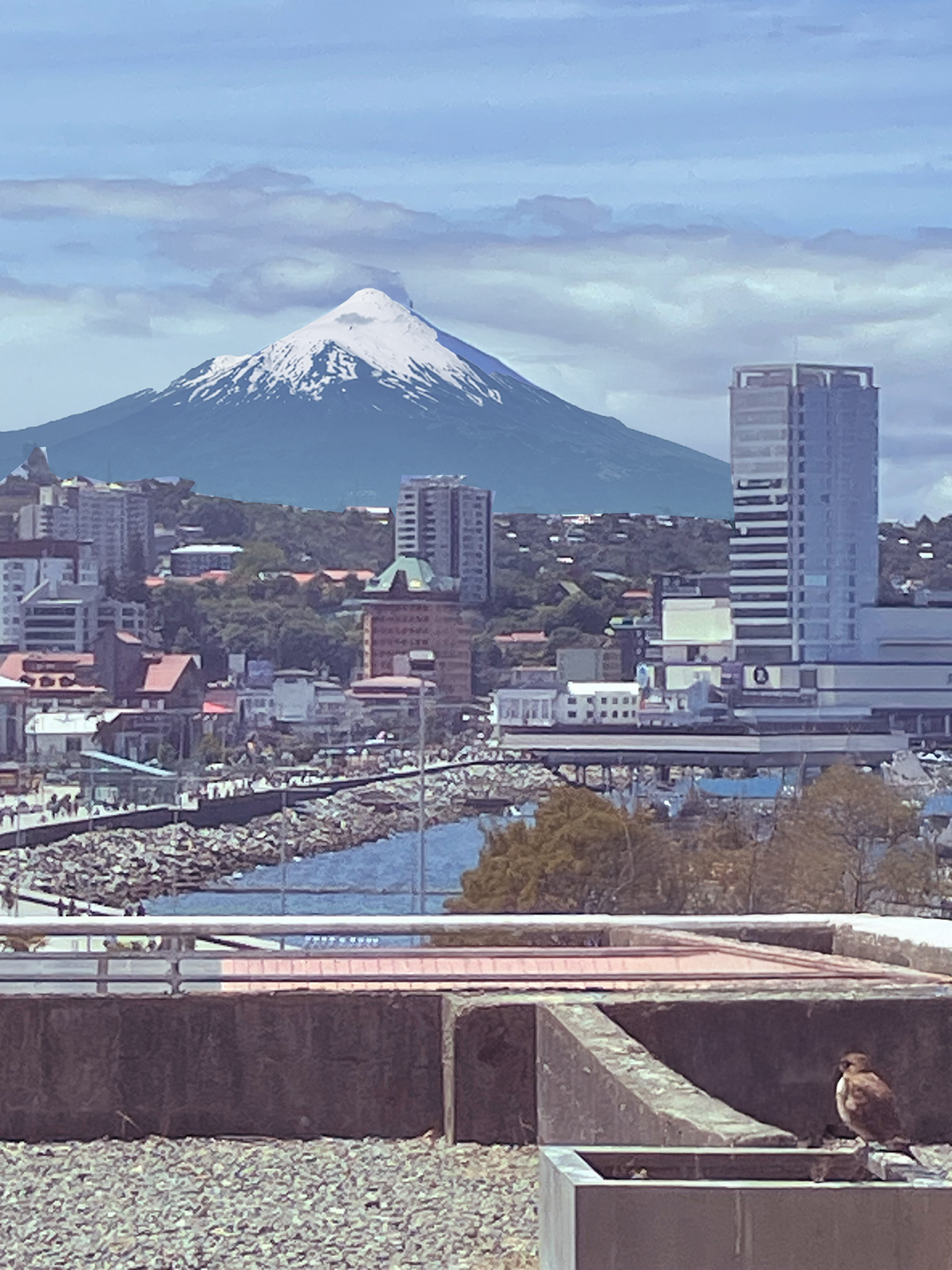
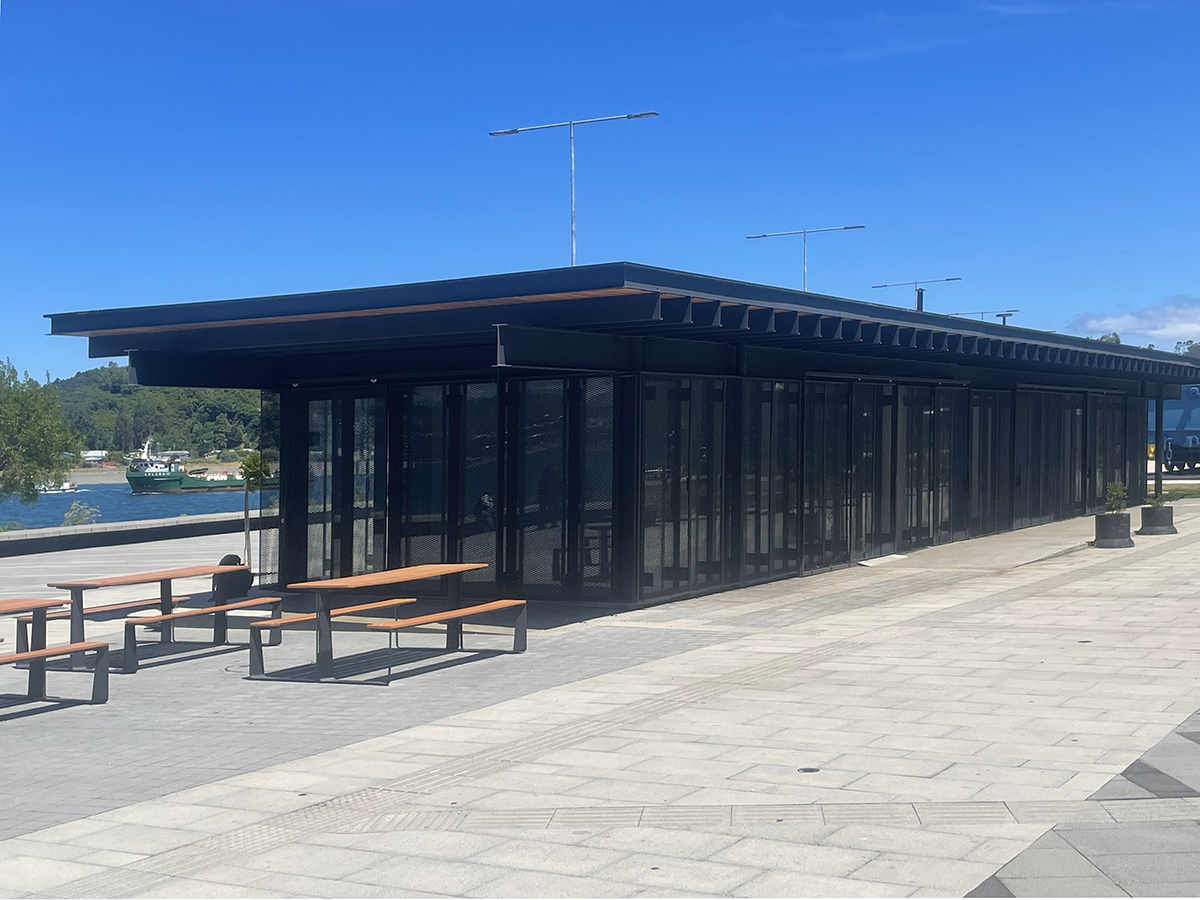
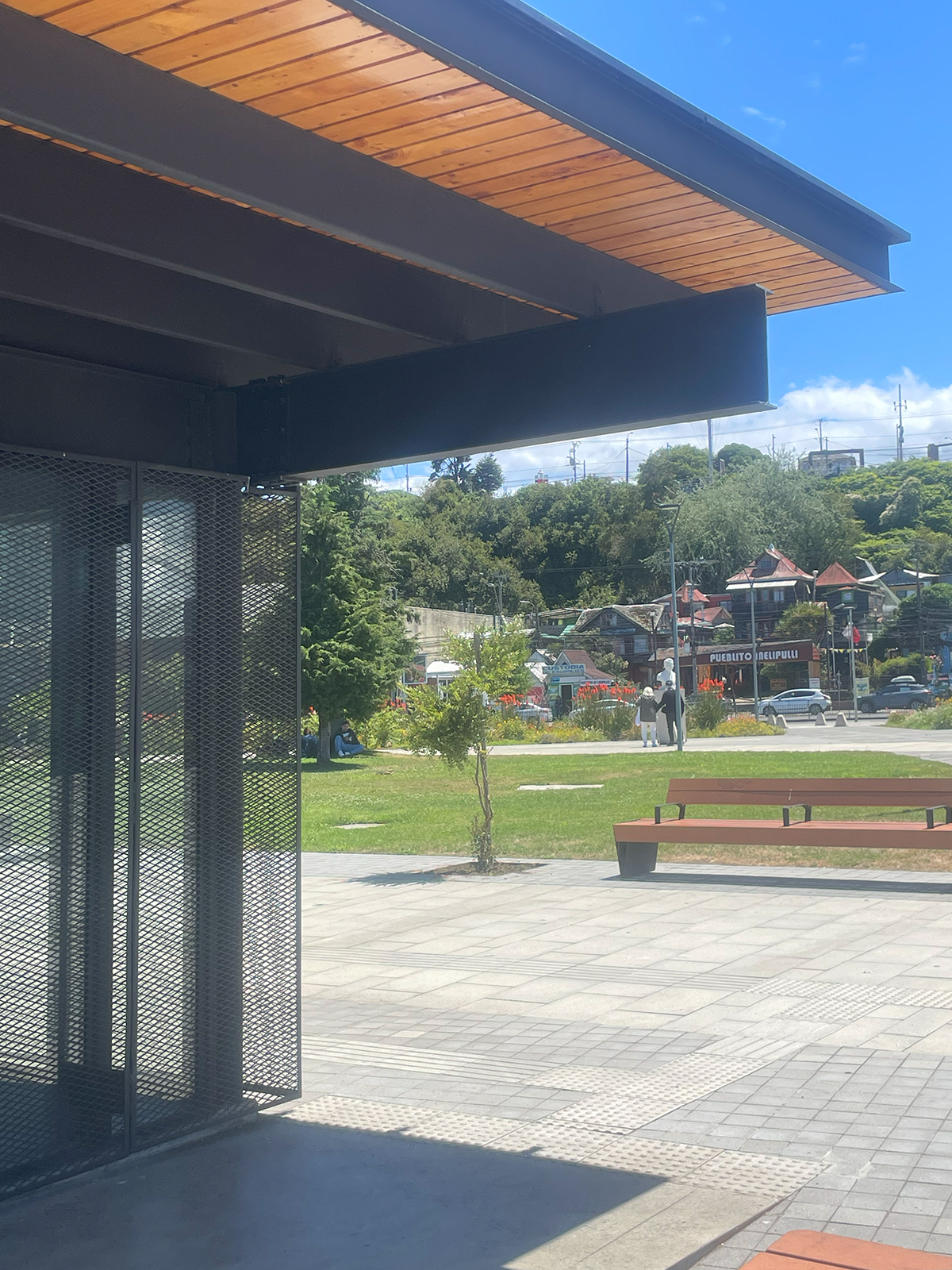
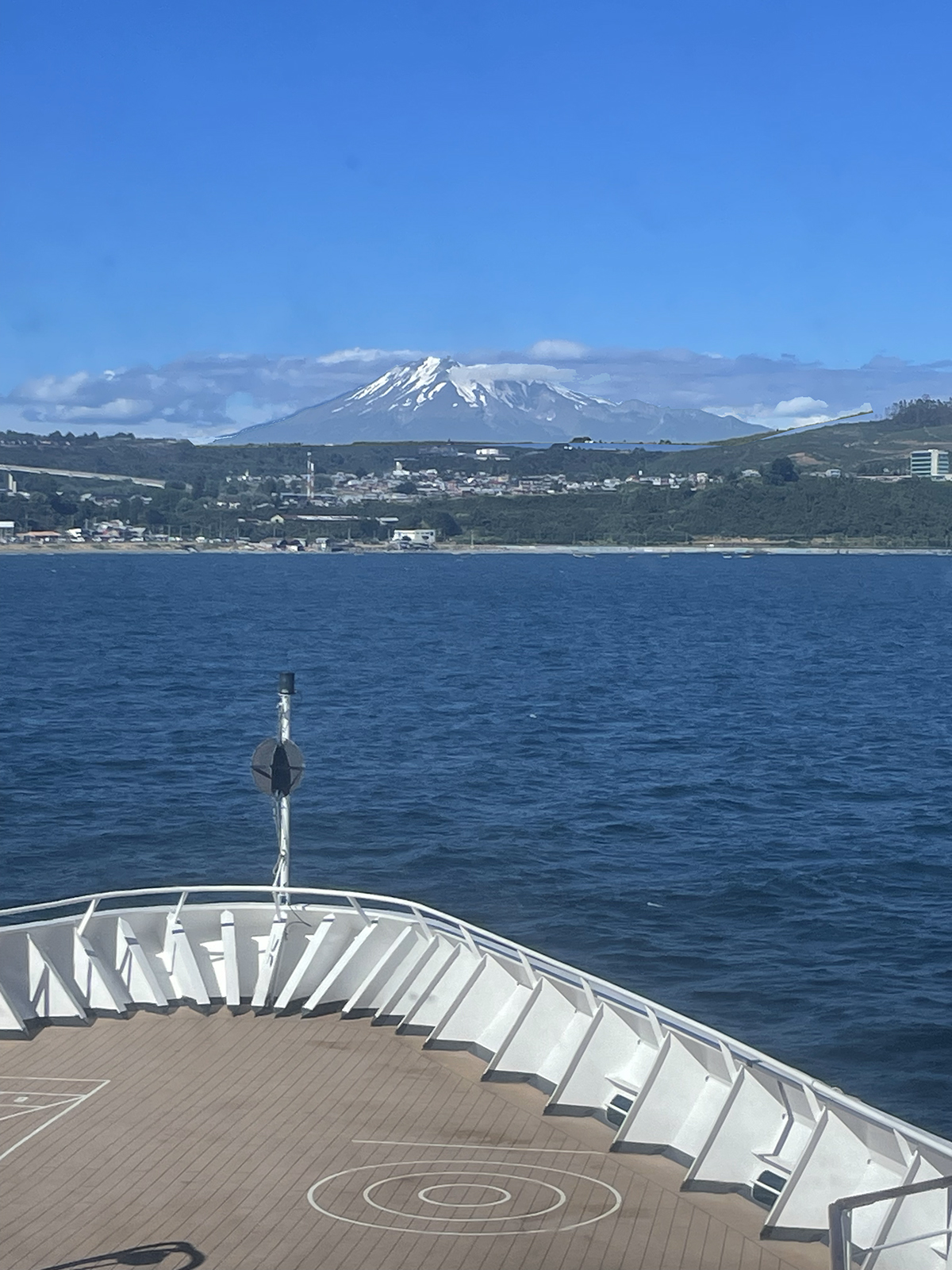
January 14–16, 2025 Marti Eicholz We spent two days sailing across open water and devoted a third day to exploring Puerto Montt, Chile. The time at sea offered a unique opportunity to reflect and observe the ever-changing scenery, while our visit ashore promised a glimpse into the local culture and daily rhythms of this southern Chilean city. I often catch myself using “ocean” and “sea” as if they mean the same thing, saying things like “at sea” or referring to the ocean as the sea. However, these terms actually describe different geographical features. The ocean is a vast, sprawling expanse of saltwater, covering nearly three-quarters of our planet’s surface. Oceans are enormous and interconnected, forming the backbone of Earth’s aquatic systems. In contrast, the sea is typically smaller and shallower than an ocean, and it’s often partially enclosed by land. Seas can be thought of as sheltered arms of the ocean, closer to shore and sometimes bordered by continents or islands. Despite these differences, seas and oceans share several key traits: both contain saltwater, both teem with diverse forms of life, and both play essential roles in the global carbon cycle. Remarkably, together they are responsible for producing between 50 and 80 percent of the oxygen that sustains life on Earth. Whether you use the word “sea” or “ocean,” there is something undeniably mesmerizing about a vast body of water stretching endlessly toward the horizon. As we continued our voyage southward, the spectacle of dolphin pods leaping and playing in the waves brought a sense of pure joy to everyone aboard. These intelligent and lively creatures seemed to radiate happiness, captivating observers with their spontaneous antics and infectious energy. On this particular day, beams of sunlight pierced through the shifting clouds, illuminating the ocean’s serene surface. The air was crisp and cool, and the tranquil water displayed a stunning palette of blue hues, creating a picturesque scene that felt almost otherworldly. Upon arrival in Puerto Montt, it became clear that The Odyssey would not be docking directly at the port. Instead, we would need to tender ashore — a process where passengers are ferried from the ship to land in smaller boats. There are several reasons why tendering might be necessary: large ships might be too big for local harbors, some historic ports are simply too small or shallow to accommodate big vessels, and sometimes the docking areas are fully booked, leaving only tender spots available. These tenders are essential for transporting guests safely to shore when the main vessel must remain anchored in deeper, safer waters away from the coast. No matter the reason, today was a tender day in Puerto Montt. Puerto Montt is sometimes referred to by the nickname “Dead Montt,” a nod to its reputation for lacking a lively personality. Yet stepping beyond the usual tourist paths offers a fascinating look into everyday life here. We followed local residents toward the bustling market and the waterfront, eager to see what the city had to offer. The streets around the supermarket were lined with vendors selling fresh produce and all manner of goods, giving the area a lively, energetic vibe. As we continued to wander, we were able to soak up the authentic atmosphere and gain a genuine sense of this busy, vibrant city. Puerto Montt exudes an unmistakable industrial character, with streets that are bustling with activity. Towering warehouses line broad avenues, interspersed with superstores and a selection of budget-friendly hotels and eateries, all contributing to the city’s gritty charm and the aptness of its well-known nickname. As you continue exploring, the city gradually reveals a softer side. The waterfront’s main park offers a break from the urban sprawl, inviting you to pause and take in its unique features. In the heart of the park, an old train sits quietly, a relic from another era now adorned with bold, thought-provoking political murals. The train and its colorful art create a striking juxtaposition against the city’s more utilitarian backdrop. Strolling through the heart of Puerto Montt, you encounter a vibrant scene that seamlessly blends urban life with the natural beauty of southern Chile. The city’s downtown area is alive with energy, yet offers peaceful moments as you gaze out over Reloncavi Sound, where the distinctive soccer ball-shaped buoys dot the water. Their playful design sparks curiosity — are they a tribute to Chile’s celebrated Copa America victory, or simply a nod to the country’s enduring passion for fútbol? The answer remains a delightful mystery. Along the waterfront, the Costanera beckons with its colorful murals, each telling a story or sharing a sentiment. One mural poignantly reads, “I still don’t know what we are, but I don’t want you to leave.” This artistic expression adds a layer of intimacy and cultural richness to your walk. The promenade itself offers a refreshing escape from the city’s hustle, inviting you to take in the expansive views of the skyline and tranquil waters. Notable features include a series of busts honoring Chilean naval heroes, which serve as reminders of the region’s maritime heritage, as well as a striking sculpture of a loving couple, hinting that relaxing by the water may well be a cherished local pastime. As you continue toward the commercial district, the city’s central plaza comes into view, dominated by the impressive cathedral constructed from Patagonian Cypress. Its towering presence not only symbolizes Puerto Montt’s architectural legacy but also anchors the community at the heart of the city. The cathedral’s majestic silhouette stands as a testament to the craftsmanship and natural resources of the region. Venturing just 1.2 miles from downtown, you arrive at Angelmó — a picturesque cove brimming with sensory delights. The lively beach area is interwoven with a bustling craft fair, busy marketplace, and inviting local restaurants. The vivid colors, tantalizing flavors, and diverse aromas create an atmosphere that welcomes visitors and immerses them in the essence of Puerto Montt’s culture. For those with a spirit of adventure, a 90-minute drive leads to the awe-inspiring Osorno Volcano, whose snow-capped peak dominates the horizon much like Japan’s Mount Fuji. Its ethereal beauty calls out to travelers, offering both a physical challenge for hikers and a stunning sight for those content to appreciate its grandeur from the base. The volcano’s presence is both humbling and inspiring, inviting contemplation of the natural forces that shaped this landscape. Thirteen miles away lies Puerto Varas, a charming lakeside town with strong Germanic influences and breathtaking vistas. The misty outline of Osorno frames the scene, while the town’s iconic white-painted wooden church, adorned with cherry-red towers, evokes the ambiance of distant Bavarian villages. The blend of architecture and scenery creates a unique sense of place that is both familiar and distinctly Patagonian. Within Puerto Montt itself, the small town of Melipulli represents a fascinating juxtaposition of old and new. Surrounded by modern buildings, Melipulli preserves the traditions of local artisans, who gather here to offer their handmade souvenirs. This convergence of contemporary life and cultural heritage makes Melipulli a meaningful stop for anyone seeking authentic, handcrafted mementos. Finally, the Monte Verde archaeological site stands as a landmark of global significance. While many accept that humans arrived in the Americas around 13,500 years ago, discoveries here have revealed evidence dating back an astonishing 18,500 years. This site not only reshapes our understanding of human history but also highlights the region’s importance in the story of early civilization. Lahuen Ñadi Park, located just north of Puerto Montt, is home to some of the oldest and most majestic trees in the world, such as the ancient Patagonian cypress and the Chilean myrtle. Spanning 494 acres, this remarkable Valdivian Forest offers a lush landscape filled with towering trees, dense bushes, winding vines, delicate ferns, and soft moss that blanket the ground. The park teems with wildlife, with a rich variety of birds creating a symphony of natural sounds. Visitors are invited to immerse themselves in this pristine environment, wandering along tranquil paths that wind through the forest and provide close encounters with indigenous species like the stately larch trees, each with their own story rooted deep in the region’s heritage. Before departing from Puerto Montt, I’m drawn to the shoreline to savor the invigorating sea breeze and reflect on the vast expanse of the Pacific Ocean. The sensation of sitting quietly in front of the ocean brings a profound sense of tranquility and connection to nature. Overlooking the deep blue water, I feel my mind settling and a gentle peace washing over me, while the cool breeze caresses my skin, soothing both body and spirit. Looking forward to tomorrow morning, The Odyssey will arrive in Castro, Chile, promising new adventures and discoveries in this enchanting part of the world. Copyright © 2025 All rights reserved back to indexx-voyage.htm l next page
|