|
|
 |
 |
 |
 |
 |
| Day 2 after the storm |
 |
 |
| Glacier |
 |
|
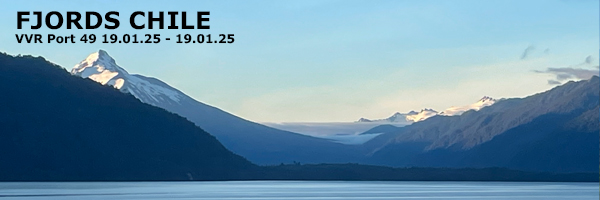
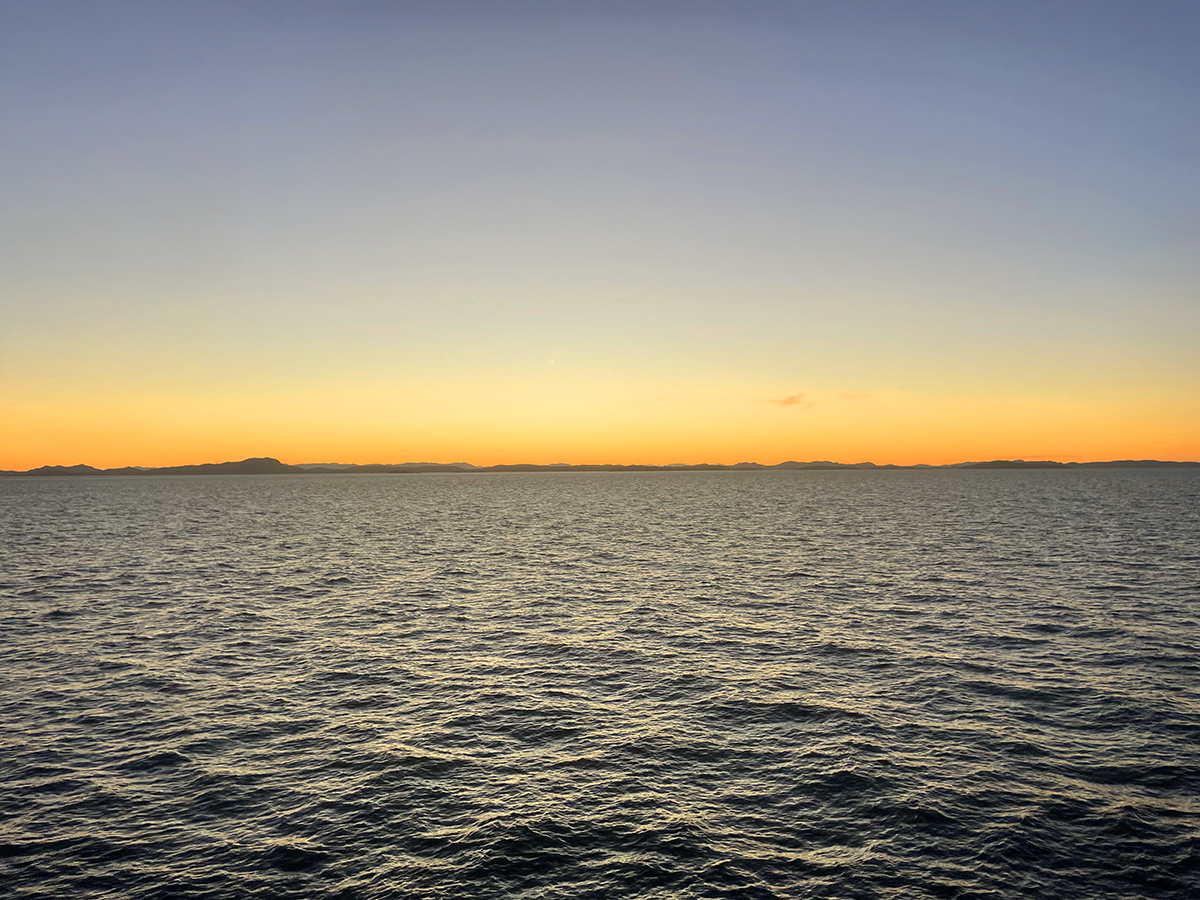
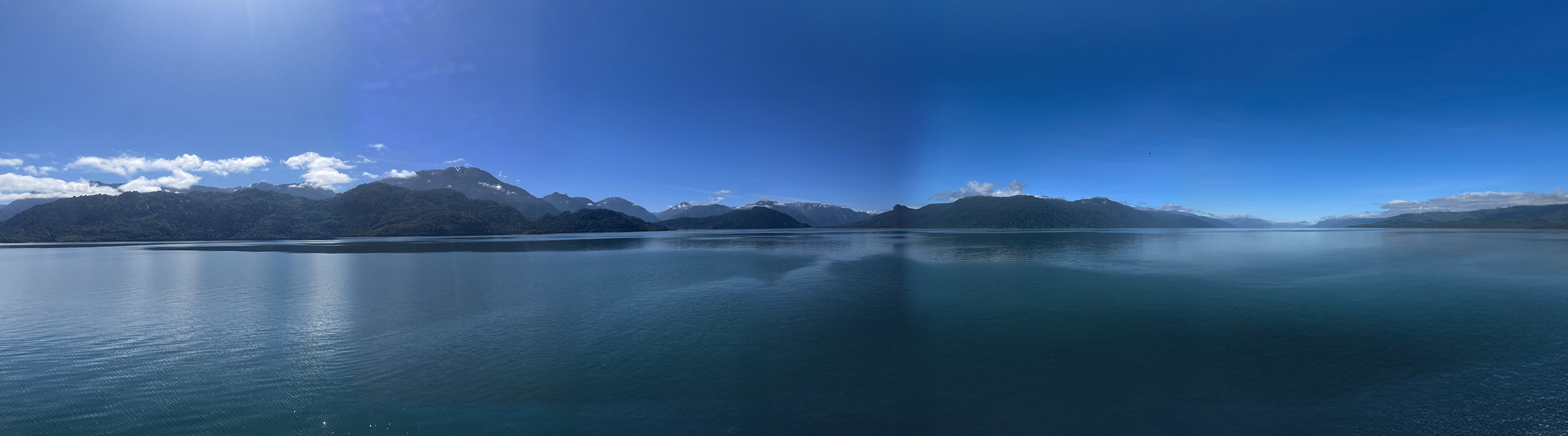
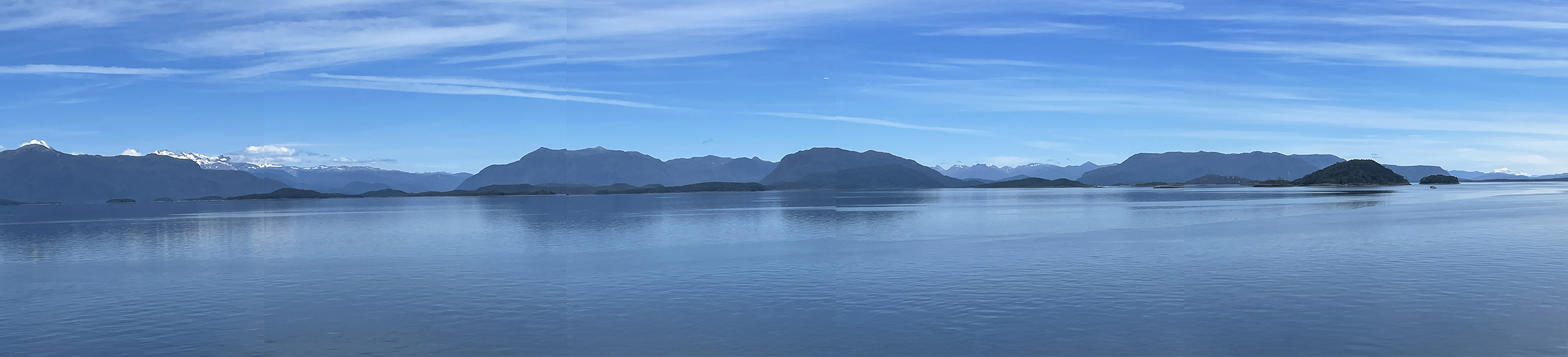
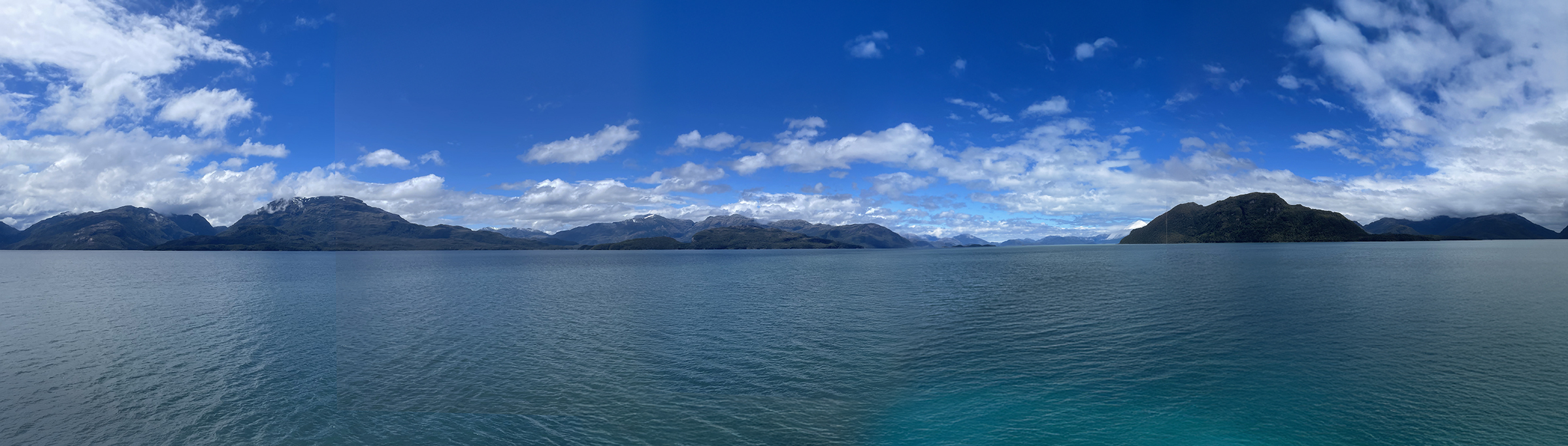
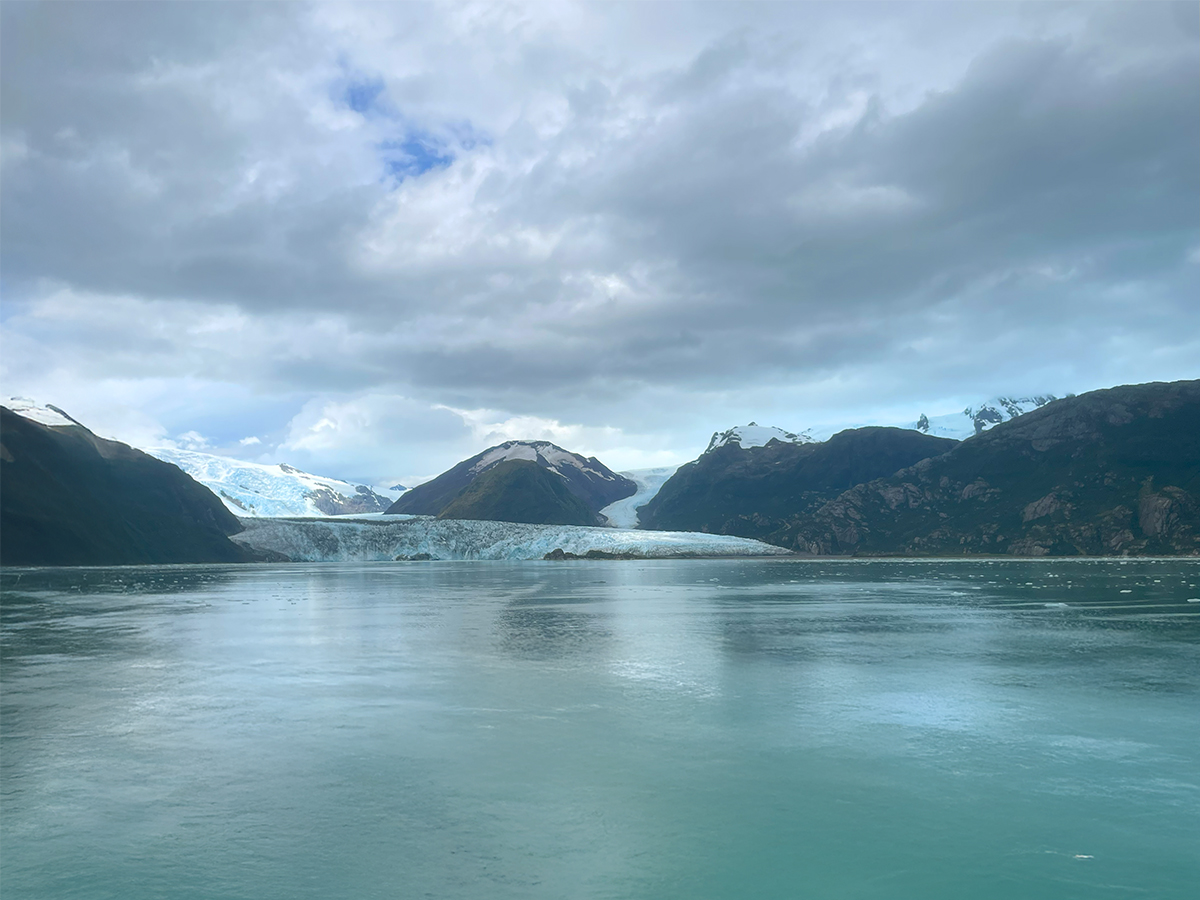
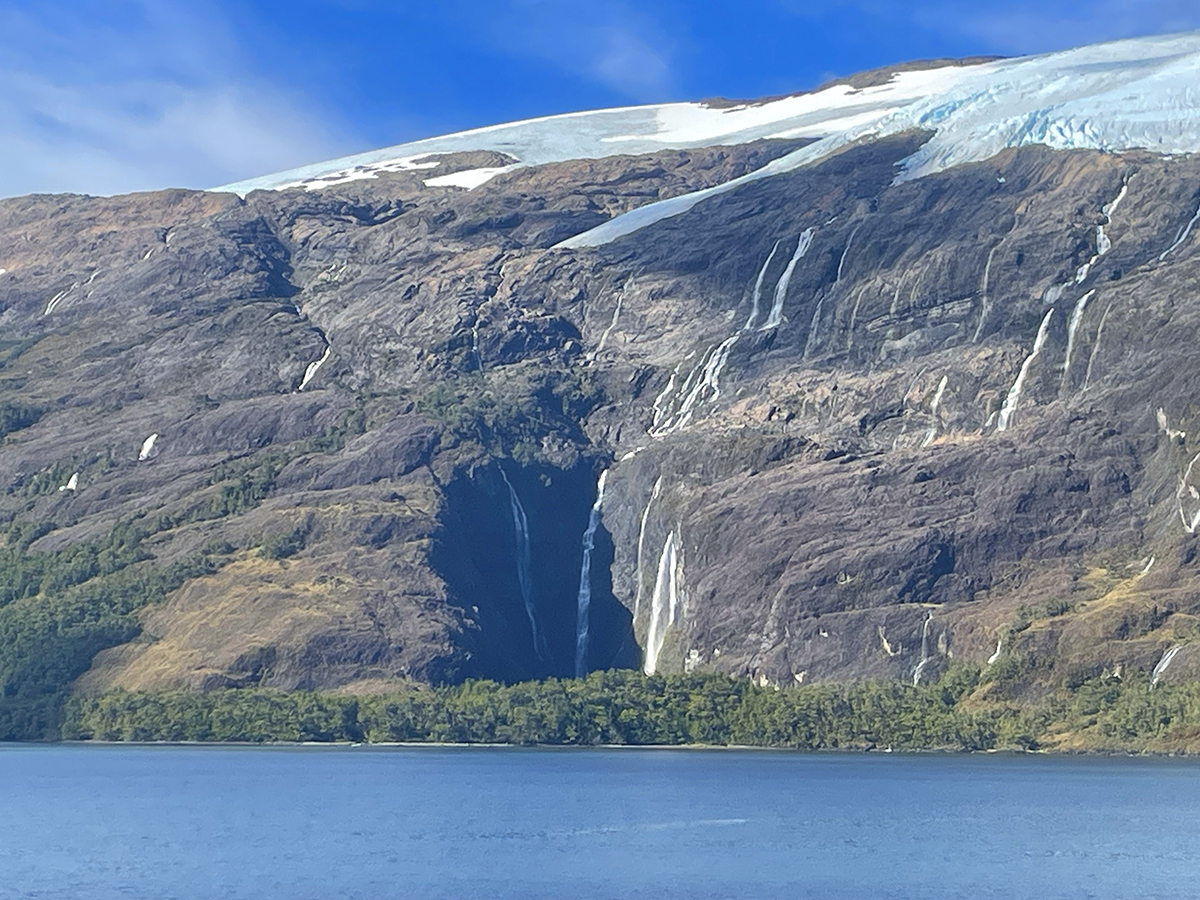
January 18–27, 2025 Marti Eicholz “The greatest beauty is organic wholeness, the wholeness of life and things, the divine beauty of the universe.” Robinson Jeffers. Embarking on a journey through the Chilean fjords from January 18 to 27, 2025, promises an unforgettable exploration of some of South America’s most breathtaking scenery. This region, stretching for over 994 miles along the southwest coast of the continent, begins at the Reloncaví Sound near Puerto Montt and winds all the way down to the legendary Cape Horn. To put its vastness into perspective, this jagged coastline rivals the distance from New York to Miami, offering a dramatic sequence of waterways, islands, and untouched wilderness. The Chilean fjords are the result of ancient glacial movements that carved deep, narrow inlets into the land millions of years ago. As you cruise through these waterways, you are surrounded by a landscape that is both raw and awe-inspiring, where towering volcanoes, thundering waterfalls, and massive glaciers dominate the horizon. The entire area remains a vibrant mosaic of natural wonders, with each bend in the fjord revealing new vistas that seem untouched by time. What makes this part of Chile particularly special is its remoteness and pristine condition. With very few inhabitants, the region has retained its wild, unspoiled character. It is an environment where human impact is minimal, allowing you to experience nature at its most authentic and serene. Patagonia, the greater region encompassing these fjords, spans two countries — about 10% lies within Chile, while the remaining 90% is part of Argentina. Together, Chile and Argentina share stewardship of this remarkable expanse, often described as one of the most remote and extraordinary landscapes on Earth. Traveling by ship through this spectacular environment is arguably one of the most relaxing and immersive ways to witness its grandeur, allowing for both reflection and discovery. Our “scenic cruising” adventure through these mystical fjords unfolds at a gentle, unhurried pace, inviting a deep sense of tranquility. The slow movement of the ship, combined with the ever-changing scenery, works as a balm for weary souls, providing a rare opportunity to rejuvenate both body and spirit. Nature’s profound presence here encourages a feeling of oneness with the world, far removed from the rush of daily life. As we glide past the coastline, there is an almost complete absence of human settlement — no villages, houses, or roads in sight. The islands and rocky outcrops remain untouched, draped in lush forests, bare stone, and low-lying scrubland. One quickly learns at sea that the weather, ever changeable in Patagonia, is a decisive factor in navigation and daily plans. Our captain carefully monitors conditions to ensure a safe and comfortable voyage, sometimes altering the route to avoid rough seas or challenging weather. For example, to avoid potential 20-foot waves, the itinerary may be adjusted to bypass small ports like Puerto Chacabuco — a village of just 1,600 people nestled at the head of the Aisén Fjord. While some dismiss Puerto Chacabuco as a tiny town with little to offer, for its residents, it is a cherished home, lovingly tended and made beautiful with simple touches, such as vines of roses around doorways. This is a poignant reminder that flexibility is essential when traveling through such unpredictable and wild environments. The spirit of adaptation and appreciation for the journey, rather than the destination, is what truly defines the experience of cruising the Chilean fjords. Embarking on our journey into the heart of the Chilean Fjords, we found ourselves mesmerized by a landscape both untouched and vibrant. Every hour brought new marvels as the remote wilderness awakened before our eyes. Seabirds glided effortlessly above the waves, while sea lions lounged contentedly on craggy outcrops and playful otters darted in and out of the water’s edge. As the day unfolded, the breathtaking scenery revealed itself in layers — towering snow-capped peaks, glittering ice fields, and islands scattered across pristine lakes. The fjords were alive with whales and dolphins breaching and gliding through glacial waters, intricate glaciers like the Seno Glacier, and an intricate network of channels and bays. The air, almost crystalline in its purity, filled our lungs and heightened the senses, while the quiet — so complete it seemed almost sacred — allowed us to absorb the remarkable clarity of the light, as if we were witnessing the world in striking high definition. Approaching the Seno Glacier, we were captivated by its stunning brilliance. What appeared as a vast field of snow-white from afar transformed as we drew closer, revealing a spectrum of blues, from gentle sky blue to deep, rich cobalt. The bergie bits — chunks of ice adrift in the sea — became miniature sculptures, each one unique and mesmerizing in its own right. The sheer beauty was overwhelming, compelling us to pause and let the wonder of it all sink in. Following a night and morning of turbulent seas, a profound calm settled over everything. As we navigated the Chilean fjords and their winding, fjord-like channels toward South America’s southern tip, we encountered Amalia (also known as Skua Glacier), a dramatic tidewater glacier. Its icy flow, originating from the lofty Andes centuries ago, stretched down valleys until it met the ocean. Passing by, we admired the glacier’s rugged façade with awe; glacier ice stood apart from any ordinary ice, bending and stretching gracefully under immense pressure rather than splintering. The glacier’s density, a result of ancient air bubbles being compressed out of it, endowed it with an intense, luminous blue that seemed to glow even under the subdued southern skies. Our captain expertly guided us through this vast expanse, offering a sensory feast unlike any other. We sailed through some of the planet’s southernmost glaciated inlets, secluded and magnificent, held in the embrace of the continent’s remote southern reaches. The pace of our voyage was unhurried, allowing us to savor the solitude — often, not another vessel was in sight. Each day brought a new glacier worthy of admiration, with moments spent lingering near their icy faces and passing countless waterfalls cascading down steep cliffs. Although it was summer, there was no hint of tropical warmth; instead, we journeyed through a passage of rugged beauty and enduring allure. The Odyssey carried us through the legendary Strait of Magellan, a waterway discovered by the explorer Ferdinand Magellan in 1520. This vital natural passage links the world’s two greatest oceans — the Atlantic and the Pacific — and has long been important for navigation and trade. The strait’s major port, Punta Arenas, sits on the Brunswick Peninsula and is renowned as a shipping hub, particularly for Chilean mutton. Gazing out from my dining room window, I watched a pair of albatross performing daring acrobatics above the wild, restless sea. Their sweeping dives and soaring arcs were thrilling, and they were far from the only impressive birds gracing the skies in this untamed part of the world. Eventually, the Odyssey docked in Punta Arenas, a city affectionately called “the end of the world.” This nickname captures more than geography; it references Chile’s status as the southernmost country and highlights Chilean Patagonia as the final frontier of the American continent. Punta Arenas itself is a sprawling metropolis that resists simple definition. It is at once rugged and grand, boasting ornate mansions from the wool boom era alongside revitalized port districts. Sunshine pierces through intermittent sidelong rain, and the city nestles within a backdrop of 100% pristine natural landscapes, completing our adventure at the very edge of civilization. Punta Arenas, located at the far southern tip of Chile, offers an array of unique experiences for travelers seeking adventure, culture, and natural beauty. The city’s vibrant main square is framed by grand, neoclassical buildings and palaces, each echoing the golden era when Punta Arenas thrived as a bustling commercial hub. Strolling through this central plaza, visitors can sense the historical significance and the lingering spirit of prosperity that once defined the region. One of the city’s highlights is the scenic promenade stretching from north to south along the Strait of Magellan. This six-mile walkway, complete with a dedicated bike lane, invites visitors to take in panoramic sea views while passing by historic piers, weathered ships, and a variety of city landmarks that tell the story of Punta Arenas’ maritime heritage. Each stop along the promenade reveals another layer of the city’s identity, blending history with breathtaking scenery. Just an hour outside of the city lies the Olga Teresa Ranch, a sanctuary dedicated to the conservation and study of the magnificent Andean Condor — the largest flying bird in the world by weight. Here, over a hundred condors soar gracefully over a dramatic 67-foot-tall cliff, which is nestled within a steep, 700-foot-high hill. Observing these majestic birds glide and circle overhead, often at close range, is an unforgettable experience. The Andean condor, Chile’s national bird, captivates visitors with its immense nine-foot wingspan and powerful presence. These remarkable birds nest in crevices on the cliff face and are renowned for their strong family bonds. Young condors can be seen waiting patiently on the rocks for their parents’ return, remaining with their family until the age of two. Condor pairs mate for life, and these birds are known for their impressive longevity — with the oldest individuals reaching up to one hundred years. For wildlife enthusiasts, a boat tour from Punta Arenas provides the chance to witness large colonies of penguins in their natural habitat. These lively animals are famous for their curious and vocal nature, making every encounter a treasured memory for visitors. At the northern entrance to Punta Arenas, you’ll discover an urban nature reserve — an extraordinary spot for birdwatching. This protected haven is home to over sixty bird species, offering nature lovers an unparalleled opportunity to observe rare and diverse wildlife as they breed and feed in their natural surroundings. This urban oasis is considered a hidden gem for those eager to spot Chile’s most sought-after birds. The city also boasts the Nao Victoria Museum, a private institution featuring meticulously crafted, full-size replicas of historic ships. Through interactive exhibits and detailed reconstructions, the museum brings to life the seafaring history of Patagonia and the legendary voyages through the Strait of Magellan, offering insight into the challenges and triumphs of early explorers. Adventurers can embark on journeys through the dramatic Chilean fjords, navigating a labyrinth of rugged coastlines, countless islands, imposing mountains, and sparkling glaciers. The journey south culminates in Ushuaia, the world’s southernmost city, located just across the border in Argentina. Along the way, playful sea lions often pop up beside the boat, their curiosity mirroring that of their human observers, making the voyage even more memorable. In 1835, while traveling through Chile, Charles Darwin experienced firsthand the devastation of an 8.2-magnitude earthquake, an event that claimed the lives of approximately five hundred people. Darwin found himself about two hundred miles from the quake’s epicenter, yet the impact was both immediate and profound. Despite the chaos and loss surrounding him, Darwin meticulously recorded the extensive destruction of the city and detailed the dramatic geological changes he observed. He noted a sudden drop in sea level, which he recognized as an indication of an impending tsunami, and he also witnessed the simultaneous eruption of three nearby volcanoes in the days preceding the earthquake. These extraordinary events deeply influenced Darwin’s thinking, prompting him to reflect on how living organisms must adapt to the Earth’s ever-changing environment. His close observations provided compelling evidence that Earth’s surface was in a state of constant, gradual change — a view that aligned with emerging geological theories of his time. In addition to his work in geology, Darwin made significant contributions by identifying new animal and plant species during his journey. Notably, he became recognized as the first archaeologist to explore Chile, leaving an enduring mark on the scientific understanding of the region. Charles Darwin, a renowned British naturalist and scientist, fundamentally changed our understanding of life’s diversity and its origins. His explorations throughout Chile, which spanned three years, played a crucial role in shaping his revolutionary theory of evolution by natural selection. By retracing Darwin’s path through Chile, we gain not only scientific insights but also a greater appreciation for the historical and cultural significance of his discoveries. His legacy invites us to continue exploring and learning from the natural world. Cruising through the breathtaking Chilean Fjords offers a life-affirming experience, revealing hidden wonders and spectacular beauty that can transform one’s perspective on the world. The journey is not only about witnessing nature’s grandeur but also about embracing the spirit of discovery that defined Darwin’s travels. Let us raise a glass in celebration of Chile and extend a warm toast to Argentina, expressing our gratitude to The Odyssey and its dedicated crew for making such remarkable experiences possible. |
|
Copyright © 2025 All rights reserved back to indexx-voyage.htm l next page
|