|
|
 |
|
It is said that speaking while passing one will bring bad
luck or cause you to grow a monkey's tail. |
 |
 |
 |
 |
 |
 |
 |
|
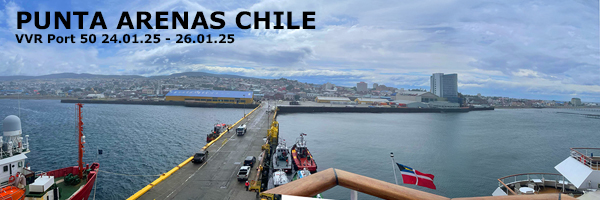
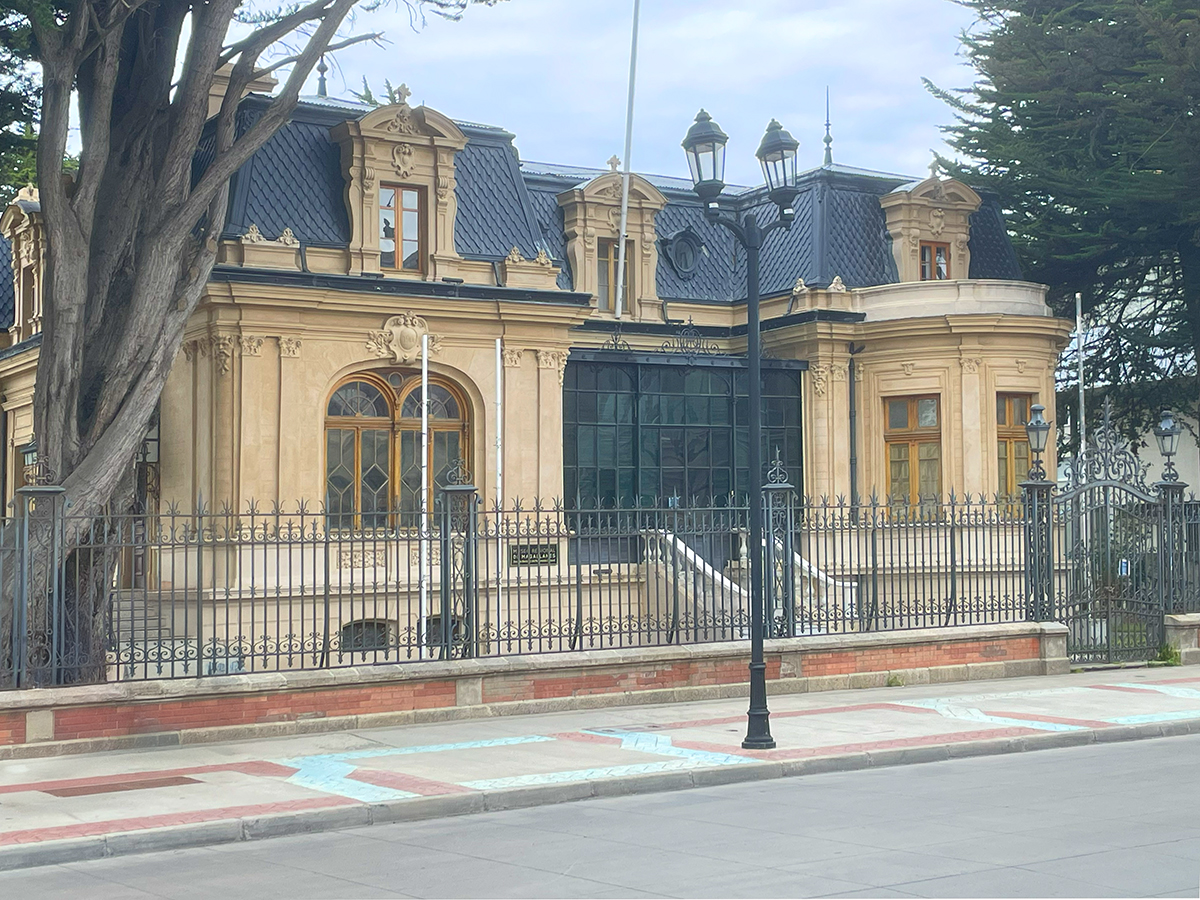
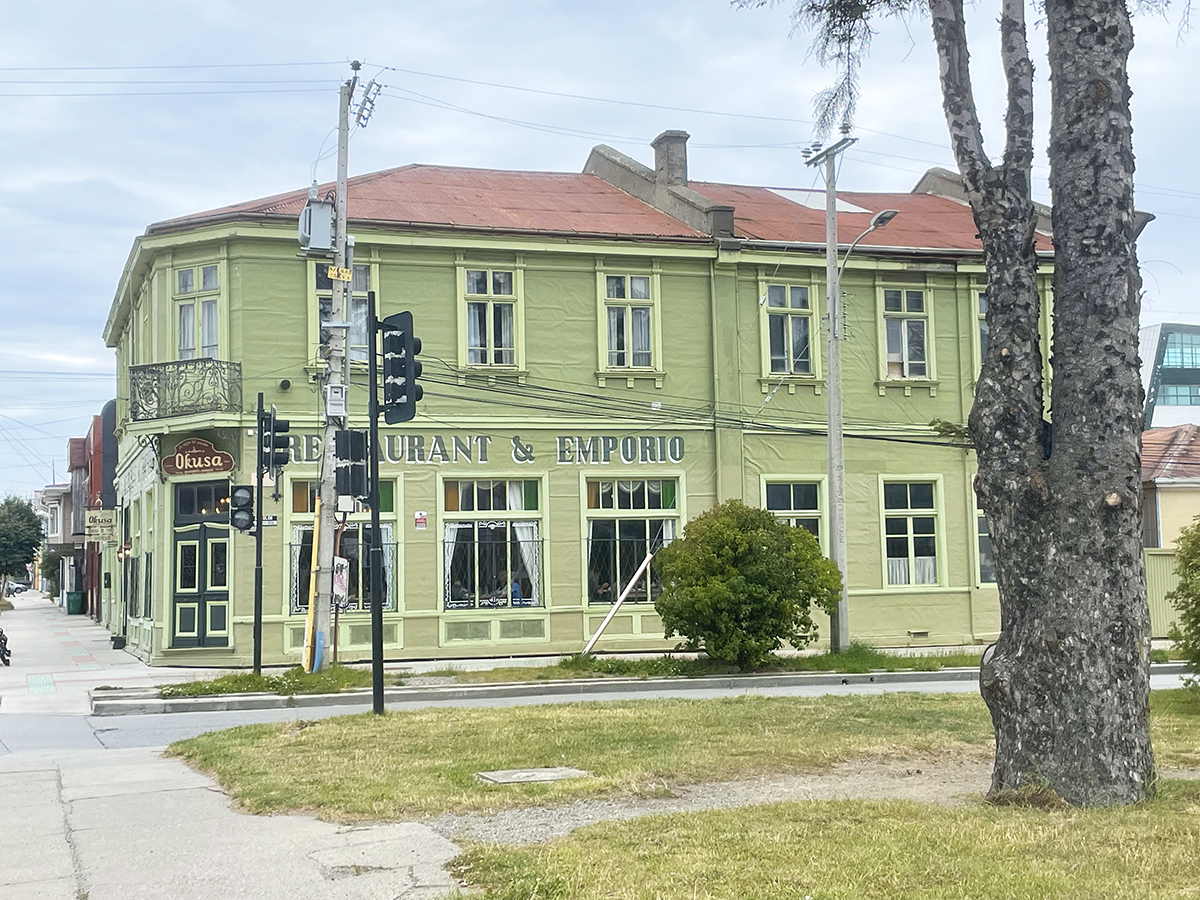
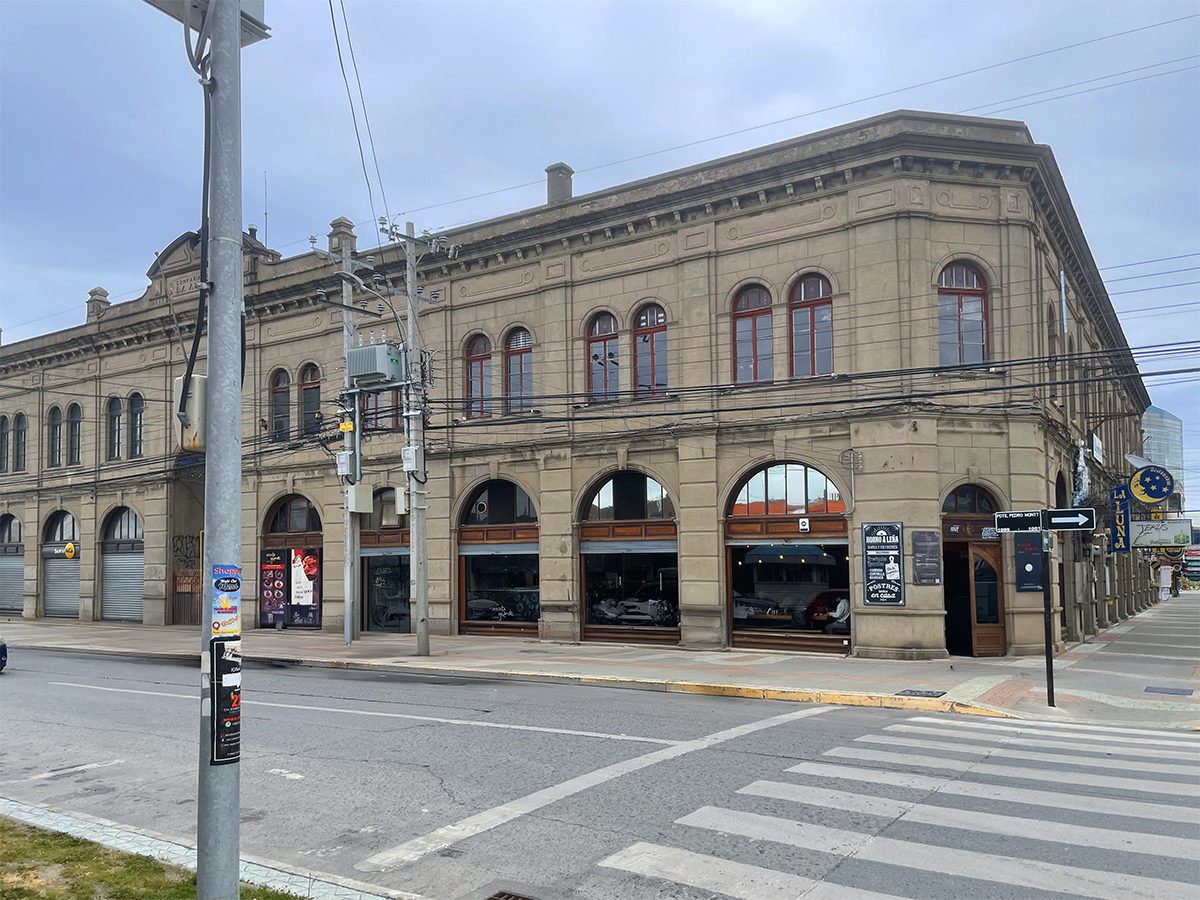
January 24-26 Marti Eicholz Eventually, the Odyssey docked in Punta Arenas, a city affectionately called “the end of the world.” This nickname captures more than geography; it references Chile’s status as the southernmost country and highlights Chilean Patagonia as the final frontier of the American continent. Punta Arenas itself is a sprawling metropolis that resists simple definition. It is at once rugged and grand, boasting ornate mansions from the wool boom era alongside revitalized port districts. Sunshine pierces through intermittent sidelong rain, and the city nestles within a backdrop of 100% pristine natural landscapes, completing our adventure at the very edge of civilization. Punta Arenas, located at the far southern tip of Chile, offers an array of unique experiences for travelers seeking adventure, culture, and natural beauty. The city’s vibrant main square is framed by grand, neoclassical buildings and palaces, each echoing the golden era when Punta Arenas thrived as a bustling commercial hub. Strolling through this central plaza, visitors can sense the historical significance and the lingering spirit of prosperity that once defined the region. One of the city’s highlights is the scenic promenade stretching from north to south along the Strait of Magellan. This six-mile walkway, complete with a dedicated bike lane, invites visitors to take in panoramic sea views while passing by historic piers, weathered ships, and a variety of city landmarks that tell the story of Punta Arenas’ maritime heritage. Each stop along the promenade reveals another layer of the city’s identity, blending history with breathtaking scenery. Just an hour outside of the city lies the Olga Teresa Ranch, a sanctuary dedicated to the conservation and study of the magnificent Andean Condor — the largest flying bird in the world by weight. Here, over a hundred condors soar gracefully over a dramatic 67-foot-tall cliff, which is nestled within a steep, 700-foot-high hill. Observing these majestic birds glide and circle overhead, often at close range, is an unforgettable experience. The Andean condor, Chile’s national bird, captivates visitors with its immense nine-foot wingspan and powerful presence. These remarkable birds nest in crevices on the cliff face and are renowned for their strong family bonds. Young condors can be seen waiting patiently on the rocks for their parents’ return, remaining with their family until the age of two. Condor pairs mate for life, and these birds are known for their impressive longevity — with the oldest individuals reaching up to one hundred years. For wildlife enthusiasts, a boat tour from Punta Arenas provides the chance to witness large colonies of penguins in their natural habitat. These lively animals are famous for their curious and vocal nature, making every encounter a treasured memory for visitors. At the northern entrance to Punta Arenas, you’ll discover an urban nature reserve — an extraordinary spot for birdwatching. This protected haven is home to over sixty bird species, offering nature lovers an unparalleled opportunity to observe rare and diverse wildlife as they breed and feed in their natural surroundings. This urban oasis is considered a hidden gem for those eager to spot Chile’s most sought-after birds. The city also boasts the Nao Victoria Museum, a private institution featuring meticulously crafted, full-size replicas of historic ships. Through interactive exhibits and detailed reconstructions, the museum brings to life the seafaring history of Patagonia and the legendary voyages through the Strait of Magellan, offering insight into the challenges and triumphs of early explorers. Adventurers can embark on journeys through the dramatic Chilean fjords, navigating a labyrinth of rugged coastlines, countless islands, imposing mountains, and sparkling glaciers. The journey south culminates in Ushuaia, the world’s southernmost city, located just across the border in Argentina. Along the way, playful sea lions often pop up beside the boat, their curiosity mirroring that of their human observers, making the voyage even more memorable. In 1835, while traveling through Chile, Charles Darwin experienced firsthand the devastation of an 8.2-magnitude earthquake, an event that claimed the lives of approximately five hundred people. Darwin found himself about two hundred miles from the quake’s epicenter, yet the impact was both immediate and profound. Despite the chaos and loss surrounding him, Darwin meticulously recorded the extensive destruction of the city and detailed the dramatic geological changes he observed. He noted a sudden drop in sea level, which he recognized as an indication of an impending tsunami, and he also witnessed the simultaneous eruption of three nearby volcanoes in the days preceding the earthquake. These extraordinary events deeply influenced Darwin’s thinking, prompting him to reflect on how living organisms must adapt to the Earth’s ever-changing environment. His close observations provided compelling evidence that Earth’s surface was in a state of constant, gradual change — a view that aligned with emerging geological theories of his time. In addition to his work in geology, Darwin made significant contributions by identifying new animal and plant species during his journey. Notably, he became recognized as the first archaeologist to explore Chile, leaving an enduring mark on the scientific understanding of the region. Charles Darwin, a renowned British naturalist and scientist, fundamentally changed our understanding of life’s diversity and its origins. His explorations throughout Chile, which spanned three years, played a crucial role in shaping his revolutionary theory of evolution by natural selection. By retracing Darwin’s path through Chile, we gain not only scientific insights but also a greater appreciation for the historical and cultural significance of his discoveries. His legacy invites us to continue exploring and learning from the natural world. Cruising through the breathtaking Chilean Fjords offers a life-affirming experience, revealing hidden wonders and spectacular beauty that can transform one’s perspective on the world. The journey is not only about witnessing nature’s grandeur but also about embracing the spirit of discovery that defined Darwin’s travels. Let us raise a glass in celebration of Chile and extend a warm toast to Argentina, expressing our gratitude to The Odyssey and its dedicated crew for making such remarkable experiences possible. |
|
Copyright © 2025 All rights reserved back to indexx-voyage.htm l next page
|