|
|
 |
|
|
 |
 |
 |
 |
 |
 |
 |
 |
 |
|
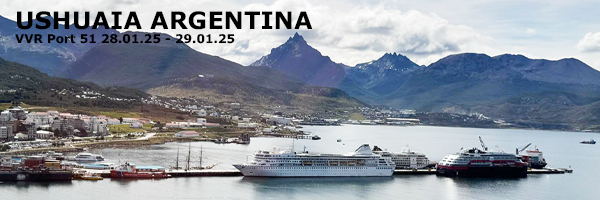
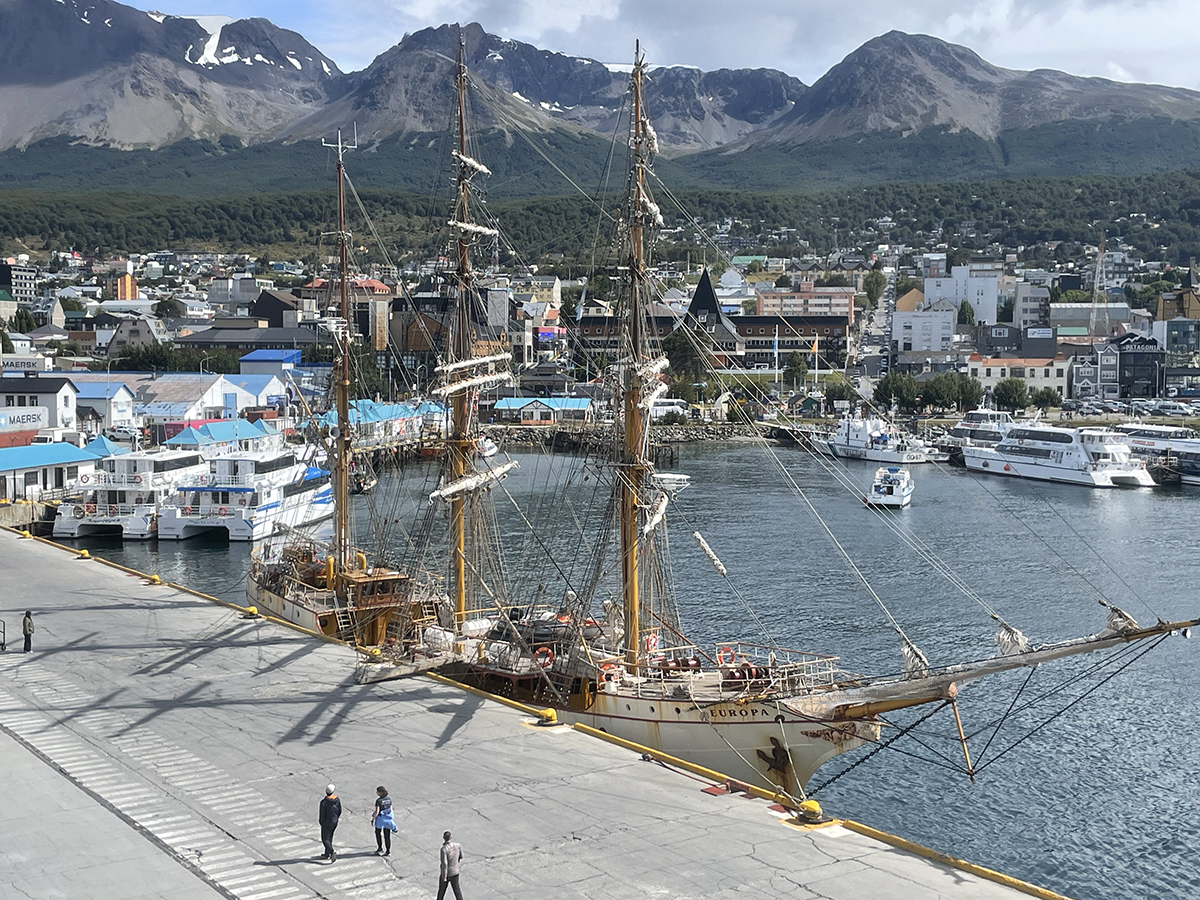
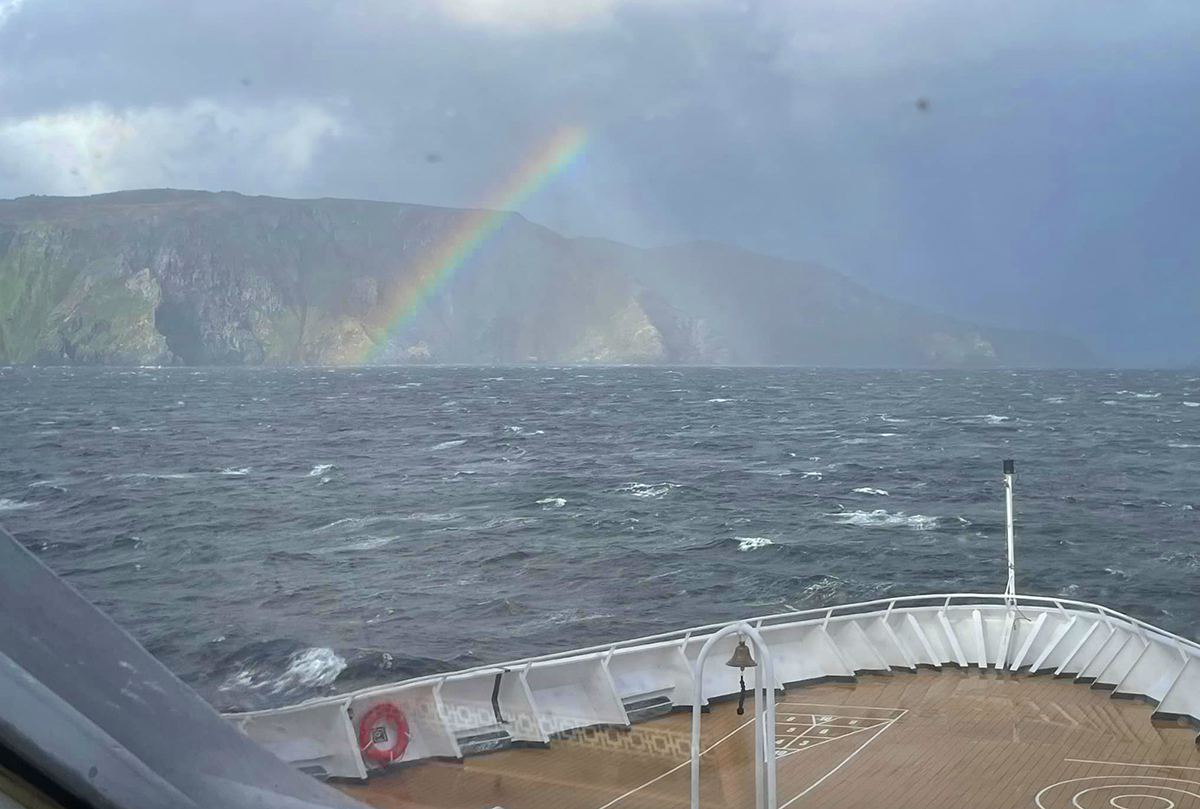
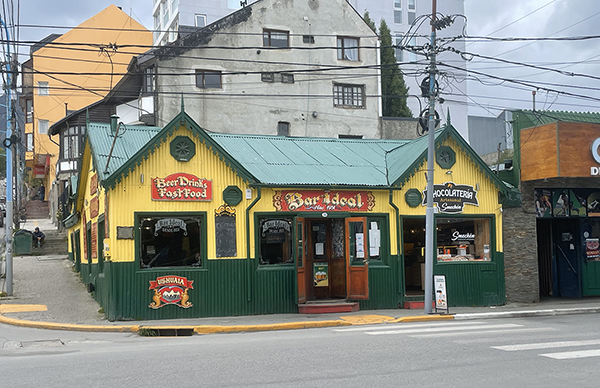
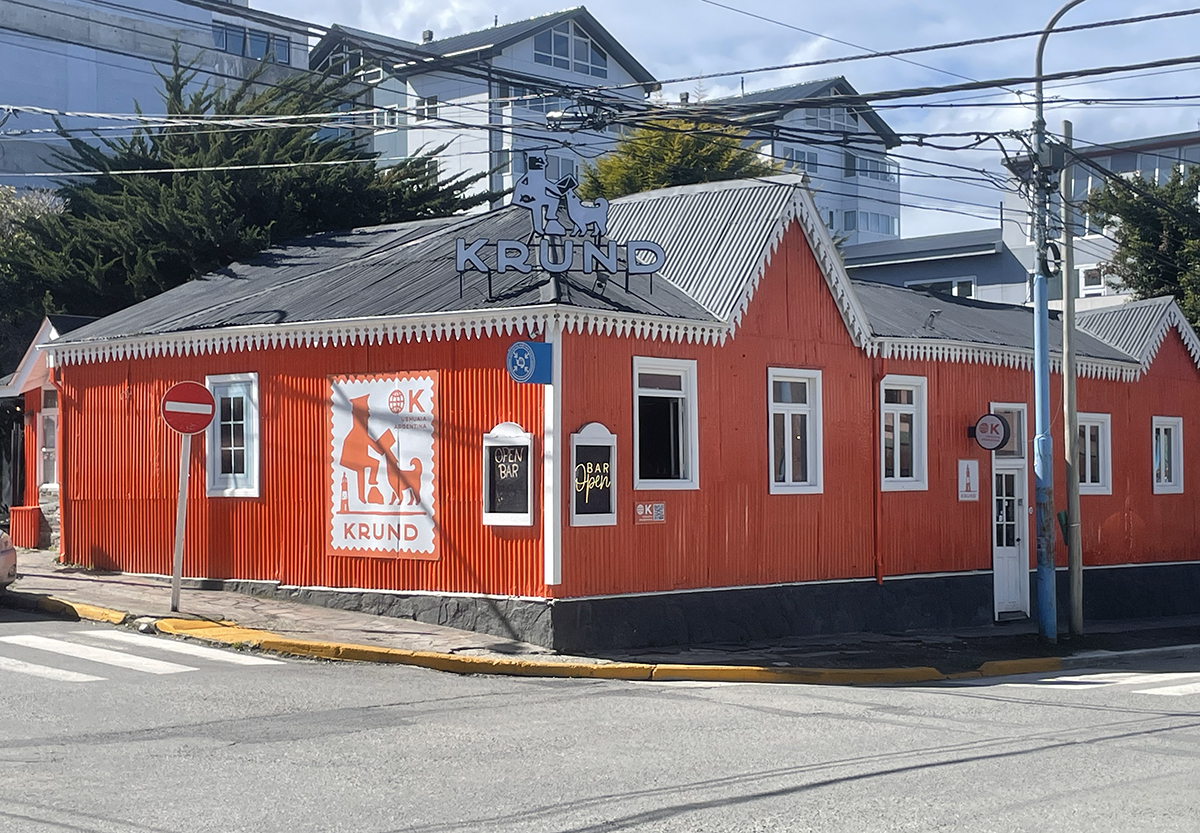
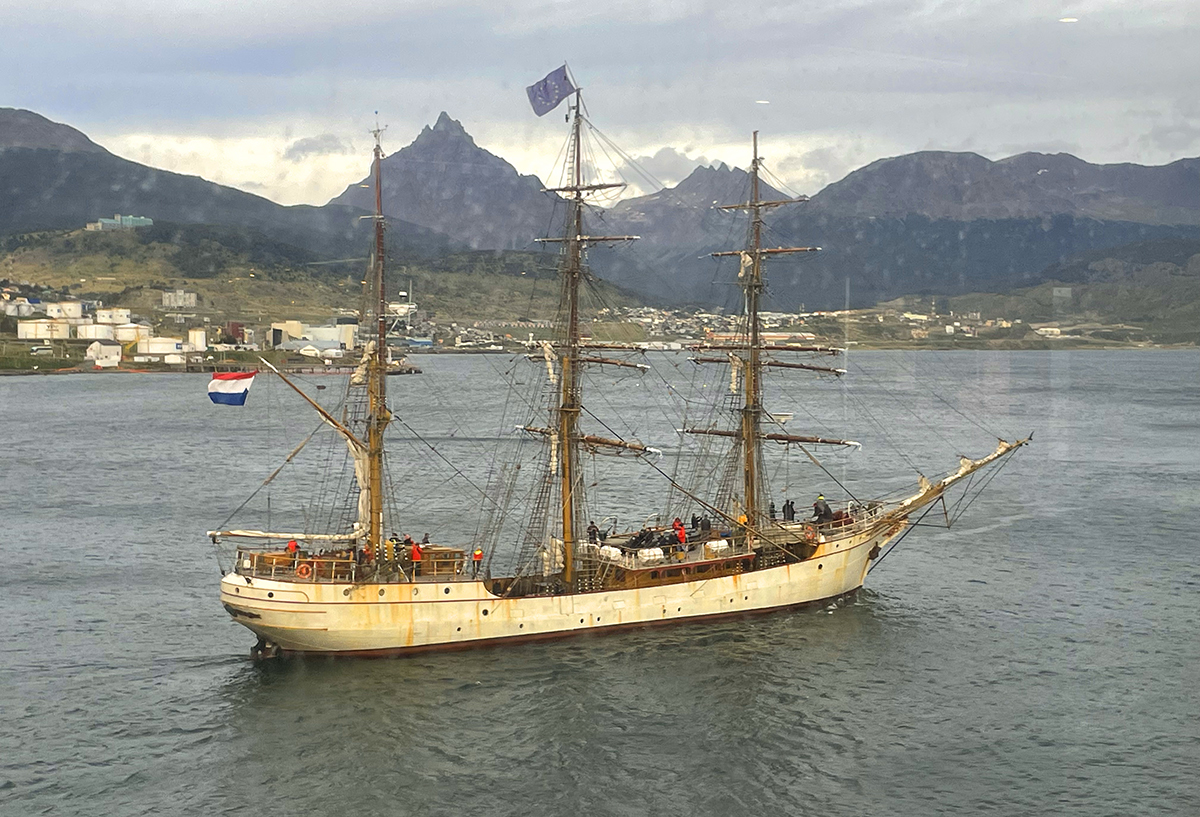
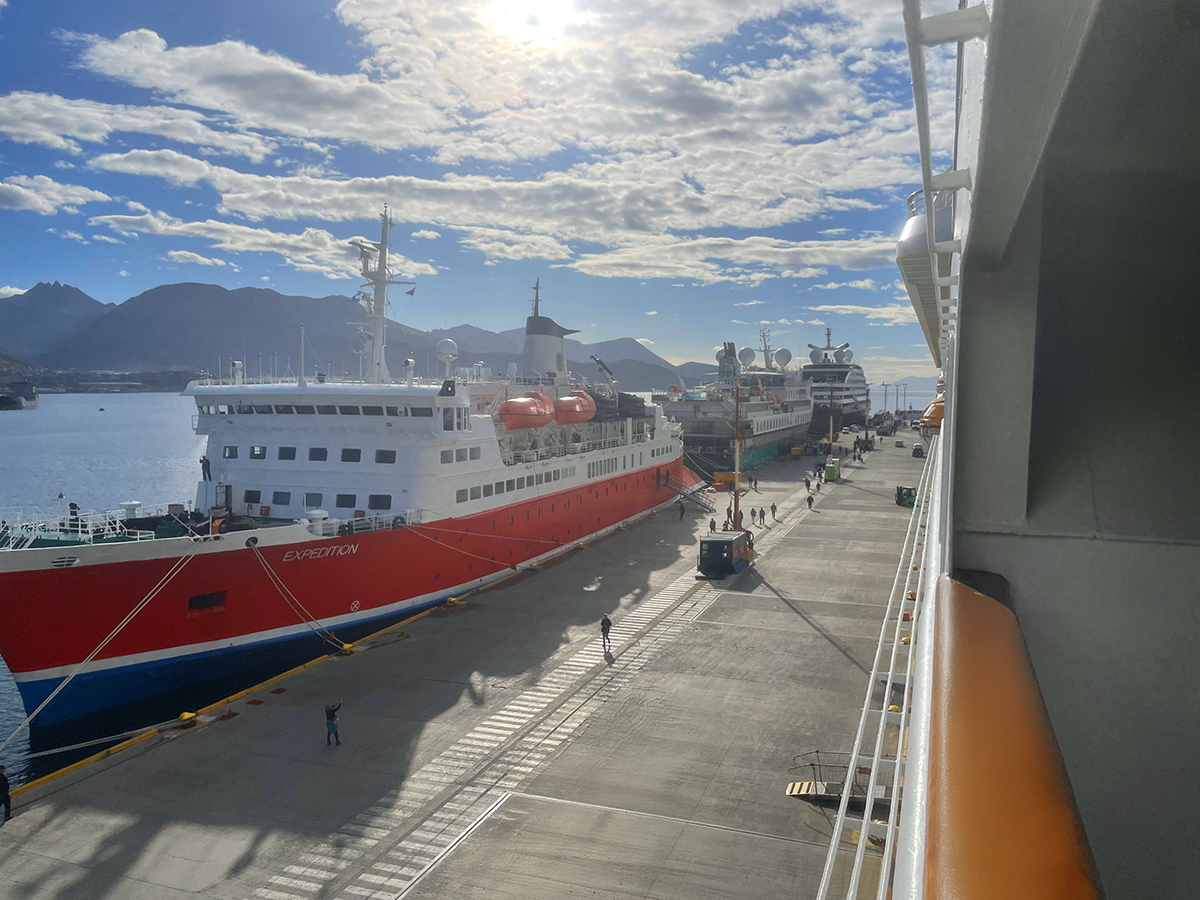
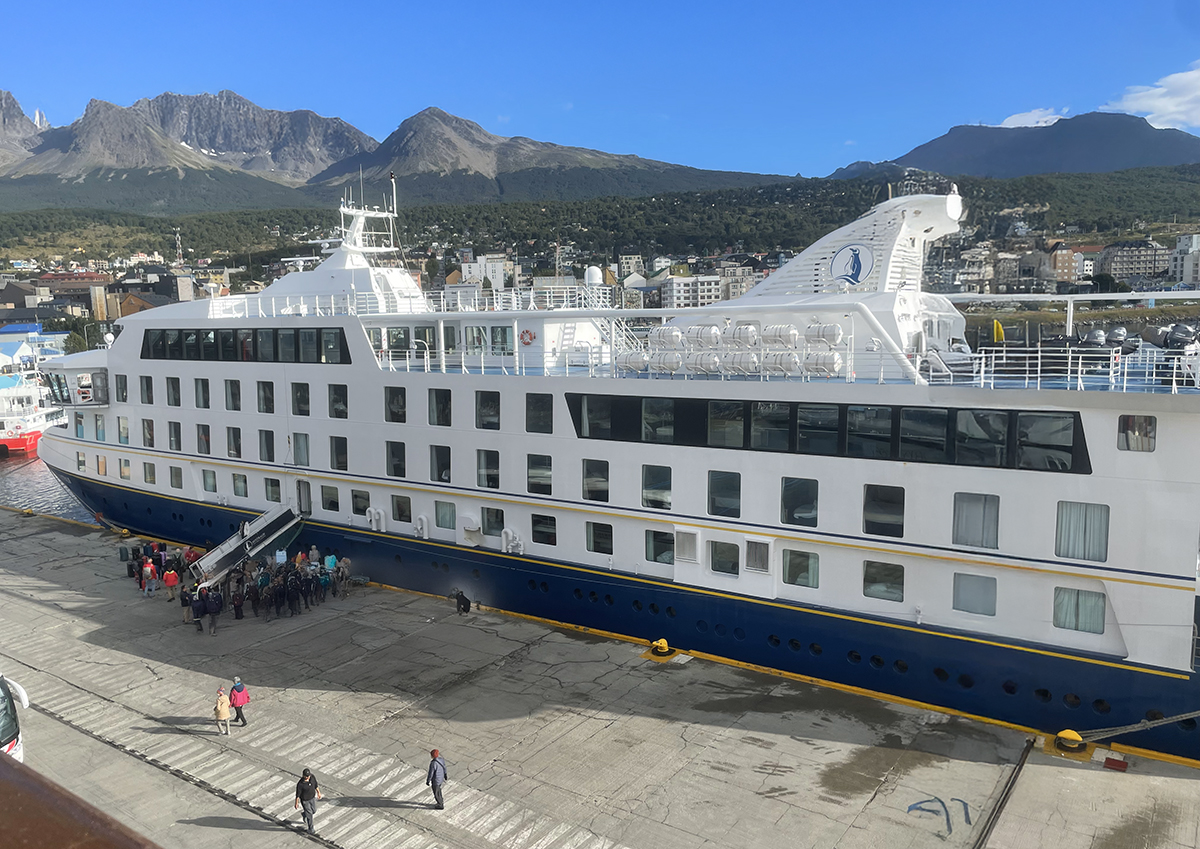
January 28–29, 2025 Marti Eicholz The weather here is infamous for its unpredictability, tossing between moments of calm and sudden squalls that seem to redefine the sky. Thick, enveloping clouds roll in with a determined pace, their gray shapes constantly shifting as if painting the heavens anew. The sky becomes a canvas of swirling mist, heavy and persistent, blanketing everything in a soft, muted light. The sun struggles to break through, its rays obscured and diffused, leaving the land awash in a somber glow. A hush settles over the landscape, broken only by the relentless wind, which whips through with fierce energy, bending trees and sending shivers across the water’s surface. Raindrops, flung by gusts, drum against windowpanes, briefly washing the glass clean before gathering again in streaks and rivulets. Beneath all this, the untamed seas remain shrouded, their restless waves cloaked in mist and rain, echoing the shifting moods above. It is a landscape shaped and defined by the elements, both beautiful and brooding, setting the stage for all that lies beyond the window. Ushuaia, often called the “end of the world,” is the southernmost city in Argentina, distinguished by its strikingly straight border that marks the edge of the country. This remote location, perched at the tip of South America, acts as a dramatic frontier between land and the icy waters that lead toward Antarctica. While Ushuaia holds the reputation as the southernmost city, it’s worth noting that Puerto Williams, a small Chilean town situated even farther south, technically claims the title of the world’s southernmost settlement. However, due to its status as a town with a modest population of around 3,000, Puerto Williams is often overshadowed by Ushuaia’s official designation as a city. With a population of about 150,000, Ushuaia faces the vast expanse of Antarctica — a presence that profoundly influences its weather and climate. The city experiences frequent and unpredictable changes in weather, with summers that are cold, windy, and predominantly overcast. Daylight can stretch up to 17 hours, bathing the city in soft, lingering light, while sudden drizzles or rain showers are a common occurrence. Despite the challenging conditions, residents embrace the climate, continuing a tradition of resilience that traces back to the region’s original inhabitants, who lived here year-round and adapted to the environment in remarkable ways. Nestled on a sharply sloped hillside between the bay, the Beagle Channel, and the striking Martial mountains, Ushuaia serves as the capital of Tierra del Fuego, or “Land of Fire.” The name originated from European explorers who, upon arrival, observed numerous bonfires along the coast built by Indigenous peoples for warmth and cooking. This vivid image left a lasting impression and inspired the region’s evocative name. The word “Ushuaia” itself, meaning “deep bay,” is drawn from the language of the Indigenous peoples who inhabited the area for thousands of years before European contact. The city’s bay, a sheltered haven along the Beagle Channel, provided protection from harsh weather and a strategic location for settlement and exploration. The establishment of the first settlement in Ushuaia dates back to 1869, when British missionaries recognized the natural harbor’s advantages. Over time, control of the area shifted to Argentina, and Ushuaia began to develop its distinct identity at this crossroads of cultures and continents. Tragically, most of the region’s Aboriginal population disappeared by the early 20th century, largely due to disease and violence following European colonization. Ushuaia’s isolated position also made it an ideal site for a notorious prison, which housed criminals and political prisoners. These inmates played a significant role in shaping the city, clearing forests, constructing buildings, and laying down a railway line that helped the town grow. The prison, a symbol of Ushuaia’s harsh past, was closed in 1947. Today, Ushuaia’s economy relies on a blend of traditional and modern industries, including sheep farming, timber production, a modest offshore oil field, and a growing electronics sector. These industries sustain the city and contribute to its unique character. The “end of the world” allure of Ushuaia draws adventurers eager to experience its unparalleled natural beauty, dramatic landscapes, and deep-rooted history. The city is not only a gateway to Antarctica and southern Patagonia but also a place where the spirit of exploration is alive and well. Ushuaia is also renowned for its exceptional seafood. Local delicacies such as king crab, black hake, and mussels are prized for their freshness and flavor, a result of the cold, nutrient-rich waters surrounding the region. For culinary enthusiasts, the city offers an unforgettable taste of the southern ocean’s bounty. Ushuaia, perched at the southernmost tip of Patagonia, is a city unlike any other — often dubbed the “end of the world,” though I see it as the “beginning of everything.” This remarkable destination is enveloped by both the vast sea and towering mountains, offering panoramic vistas of nature’s splendor. The city is a vibrant tapestry of colors and wide-open spaces, visible from every direction, making it a haven for those seeking awe-inspiring scenery and a sense of wonder. In recent decades, Ushuaia has undergone a striking transformation, evolving from a tranquil fishing village into a bustling tourist hub. Its unique character lies in its blend of modern amenities and deep-rooted history, as well as its rich contrasts: remote yet accessible, quirky yet grand. Ushuaia truly marks the southernmost edge of Argentina, serving as both a gateway to adventure and a testament to the resilience of its people. The city’s untamed wilderness draws visitors from around the globe, with Patagonian wildlife thriving in its natural habitat. Here, you might spot majestic condors soaring above, oystercatchers along the shore, and a variety of land animals including foxes, guanacos, rabbits, and beavers. Ushuaia is also home to two fascinating museums: the End of the World Museum, which delves into the region’s natural and cultural history, and the Yamana Museum, which offers a window into the lives and traditions of the indigenous Yámana people. Adding to its intriguing past, the old prison — once housing a mix of common criminals, political prisoners, and infamous offenders — now serves as the Maritime and Prison Museum of Ushuaia, providing an in-depth look at the area’s maritime heritage and the daily life within the prison walls. For those eager to explore further, the End of the World Train is a must-see attraction. This historic railway traverses the breathtaking landscapes of Tierra del Fuego National Park, winding through dense forests, rugged mountains, and rushing rivers. The scenic journey not only showcases the region’s striking natural beauty but also offers insights into the development and history of this remote corner of the world. Strolling along the Costanera, Ushuaia’s lively boardwalk, you’ll be greeted by the sight of ships preparing for expeditions to Antarctica. Take time to meander along the waterfront, settling onto a bench facing the Atlantic Ocean. Let the bracing sea breeze fill your lungs — it’s a restorative experience for body and soul alike. The boardwalk provides the perfect vantage point to watch the maritime activity and soak in the serene ambiance. One of the most popular excursions is a cruise on the Beagle Channel, famed for its abundant wildlife and dramatic scenery. As you sail these iconic waters, you’ll encounter colonies of cormorants and sea lions basking on rocky islets. It’s easy to mistake cormorants for penguins due to their black-and-white plumage, but these agile birds are a distinctive sight in their own right. The Beagle Channel is also where the Atlantic and Pacific Oceans meet, and the natural border shared between Argentina and Chile gives rise to a unique collection of islands. Navigating these waters, you can proudly say you have crossed between two great oceans on a single journey. For a truly unforgettable wildlife encounter, take a bus ride to Estancia Harberton, a historic ranch where you can board a small boat bound for Martillo Island. This is the only way to access the island, and it rewards you with the chance to observe hundreds of Magellanic penguins in their natural environment. Watch as these energetic birds waddle between their nests and the water, preen their feathers lovingly, and fill the air with their distinctive braying calls. Witnessing their transformation as they slip gracefully into the clear waters is a remarkable and transformative experience. As our time in Ushuaia draws to a close and we prepare to set sail for the Falkland Islands, one of the world’s most extraordinary wildlife destinations, unforeseen weather conditions alter our plans. The captain, prioritizing safety, decides to cancel the voyage to the Falklands. Instead, we are granted the unique opportunity to spend two additional days in Ushuaia before heading north to Puerto Deseado, Argentina. This unexpected extension allows us even more time to immerse ourselves in the magic and wonder of this incredible region. January 30 –31, 2025 — Ushuaia, Argentina (Two extra days to find words to describe Ushuaia, Argentina) At the edge of the world where the cold winds roam, The land wears a silence all its own. Peaks touch the sky, forests whisper old tales, Ushuaia awaits where every heart sails. Here, time slows to the rhythm of tides, And adventure begins where the known world hides. Ushuaia, Argentina, is more than just a distant point on the map — it’s a destination that invites discovery and reflection. On arrival, we are greeted by dramatic landscapes where snow-capped mountains tumble into dense forests, and the sea stretches endlessly toward Antarctica. Every corner of Ushuaia holds a sense of mystery and promise, weaving together history, natural beauty, and the thrill of exploring the unknown. This journey offers not only a gateway to the world’s end, but also an entryway into a realm of unforgettable experiences and personal transformation. Ushuaia is a striking city set dramatically at the foot of the Andes, where the mountains seem to rise abruptly from the edge of the sea. Unlike most mountain ranges that stretch north to south, here the Andes run west to east, a unique formation caused by a significant tectonic fault. This unusual geography gives Ushuaia a feeling of being both protected and isolated, with the mountains acting as a natural barrier and the chilled waters of the Beagle Channel lapping at its shores. As you stroll through the streets of Ushuaia, one of the most distinctive features is the local architecture. The wooden houses, their exteriors clad in brightly painted sheet metal, stand resilient against the harsh winds and biting cold. Their low-slung, gabled roofs are practical, designed to conserve heat within and allow heavy snow to slide easily to the ground. This traditional style, born from necessity, endures in new constructions, visually linking Ushuaia’s present to its rugged past. The earliest inhabitants of this remote land were the Yaghan people, renowned for their adaptability to the region’s unforgiving climate. Nomadic and expert canoeists, the Yaghan navigated the intricate Fuegian channels with remarkable skill, using canoes fashioned from bark and living off the bounty of the sea. Hunting sea lions, fish, and birds with hand-hewn harpoons, they thrived for centuries. Despite their numbers dwindling dramatically after the arrival of Europeans, their descendants still reside in Ushuaia, and their legacy remains palpable. Contrary to what one might expect, the Yaghan often wore little clothing, shielding themselves from the cold with a coating of sea lion fat, a testament to their ingenious adaptation to the environment. There’s an air of mystery in Ushuaia that is hard to ignore. The city’s variable, sometimes harsh climate — with bitter cold winds, a restless sea gnawing at the edges of town, and mountains looming in perpetual watch — creates an atmosphere straight out of a suspense novel. The stark beauty and persistent bleakness of the landscape foster a sense of isolation that is both unsettling and fascinating, as if secrets are hidden just beyond the next bend. Yet, Ushuaia offers moments of unexpected delight. Watching the local penguins, for instance, is a whimsical experience. On land, they resemble little statues, barely moving as if frozen in time, but once they slip into the water, they become swift and graceful swimmers. Observing their antics, it’s impossible not to think of that iconic scene from Mary Poppins, where Dick Van Dyke dances with animated penguins — an odd but cheerful connection that lingers in your mind. Quiet moments in Ushuaia can be deeply moving. Sitting at my dining room window seat, I often lose myself in the ever-shifting patterns of clouds, each formation a fleeting masterpiece that will never be seen again. The sky becomes a living canvas, its beauty inspiring gratitude for the small, everyday wonders that nature provides so freely. Such simple pleasures offer a sense of peace and perspective amidst the wildness outside. Now those extra two days in Ushuaia feel just right, allowing time to soak in the town’s unique charm and haunting landscapes. It is time to leave and the Odyssey eases away from the Port of Ushuaia, setting a course northward. Our next stop is Puerto Deseado, Argentina, but memories of the southernmost city in the world will linger long after we depart. Copyright © 2025 All rights reserved back to indexx-voyage.htm l next page
|