|
|
|
|
 |
|
|
 |
 |
 |
|
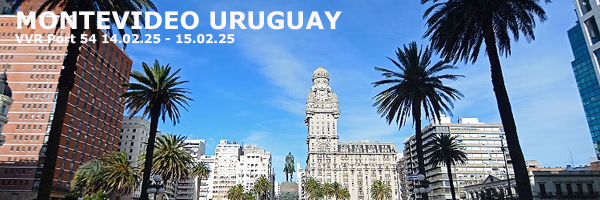
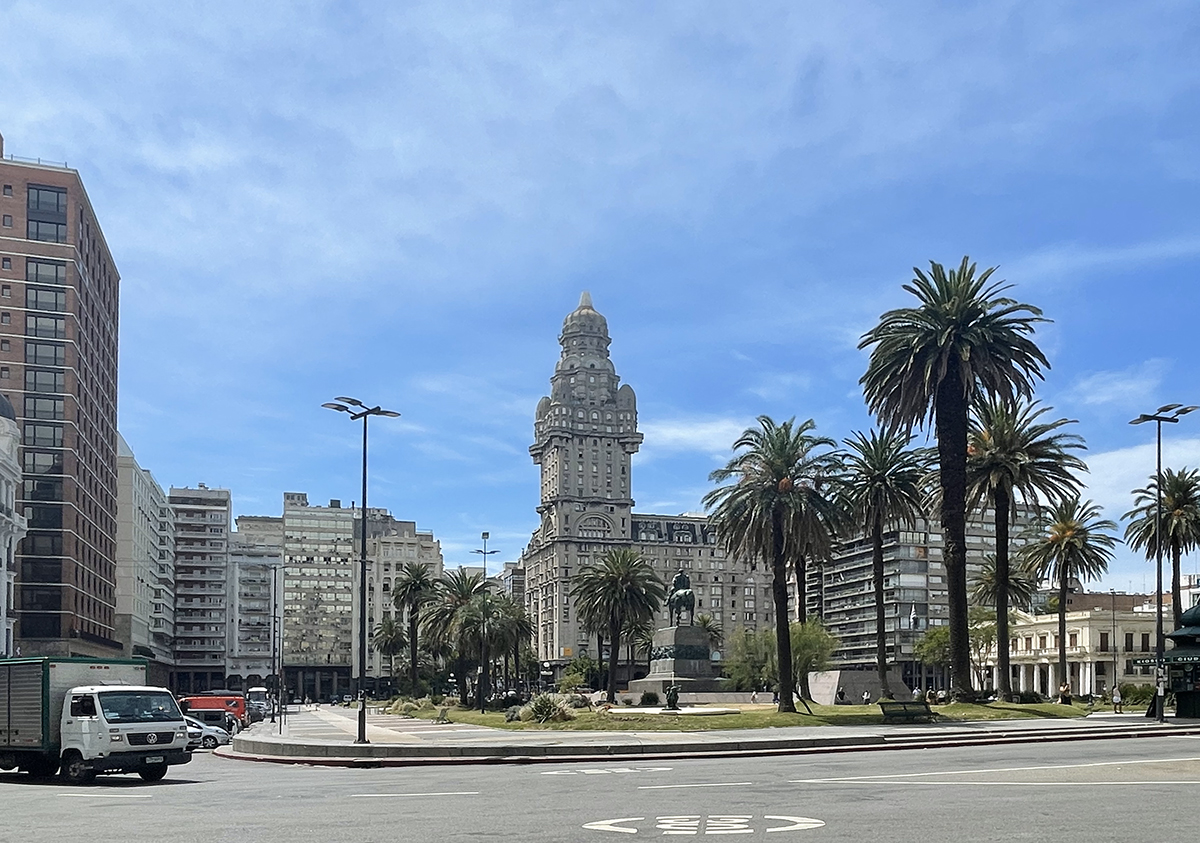
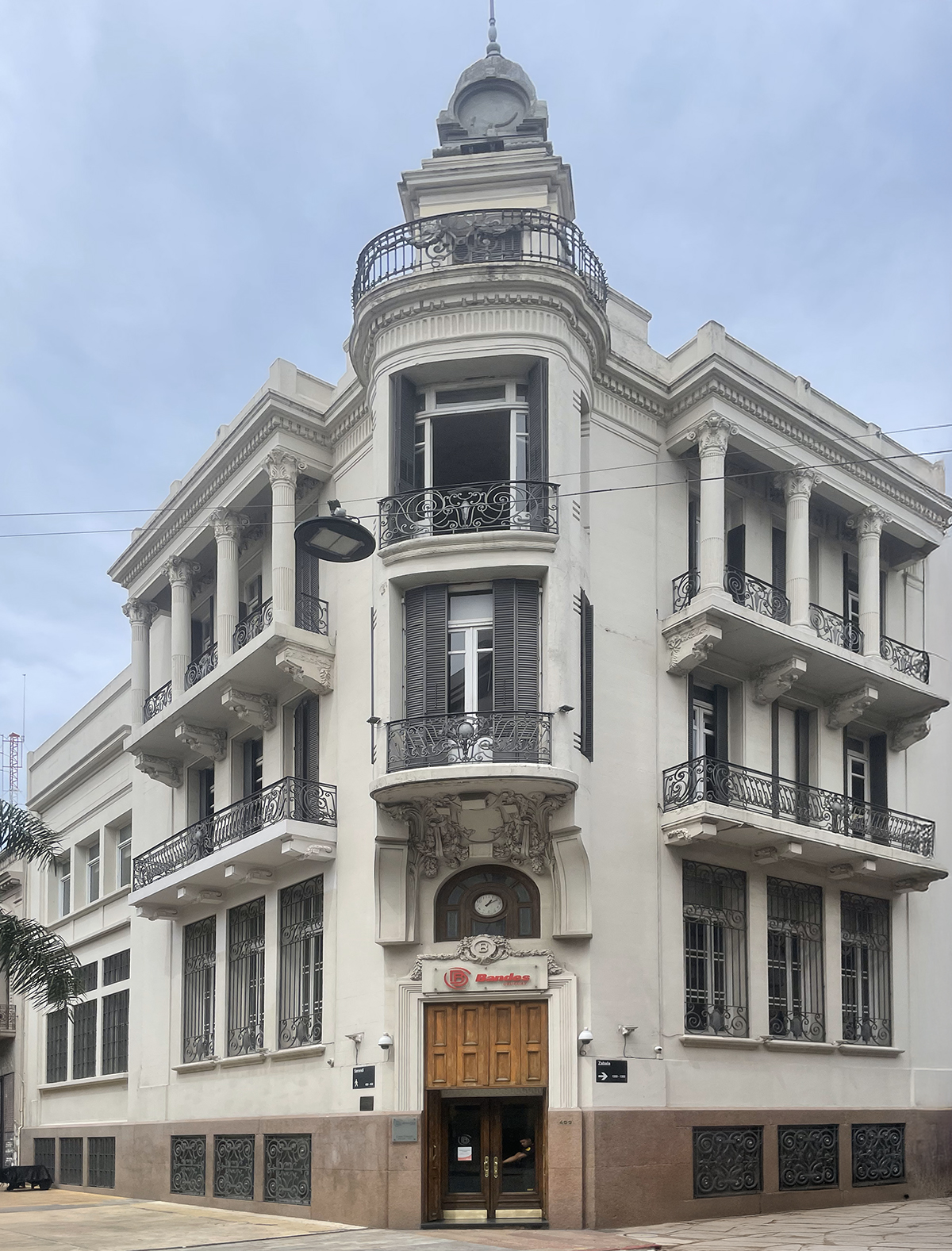
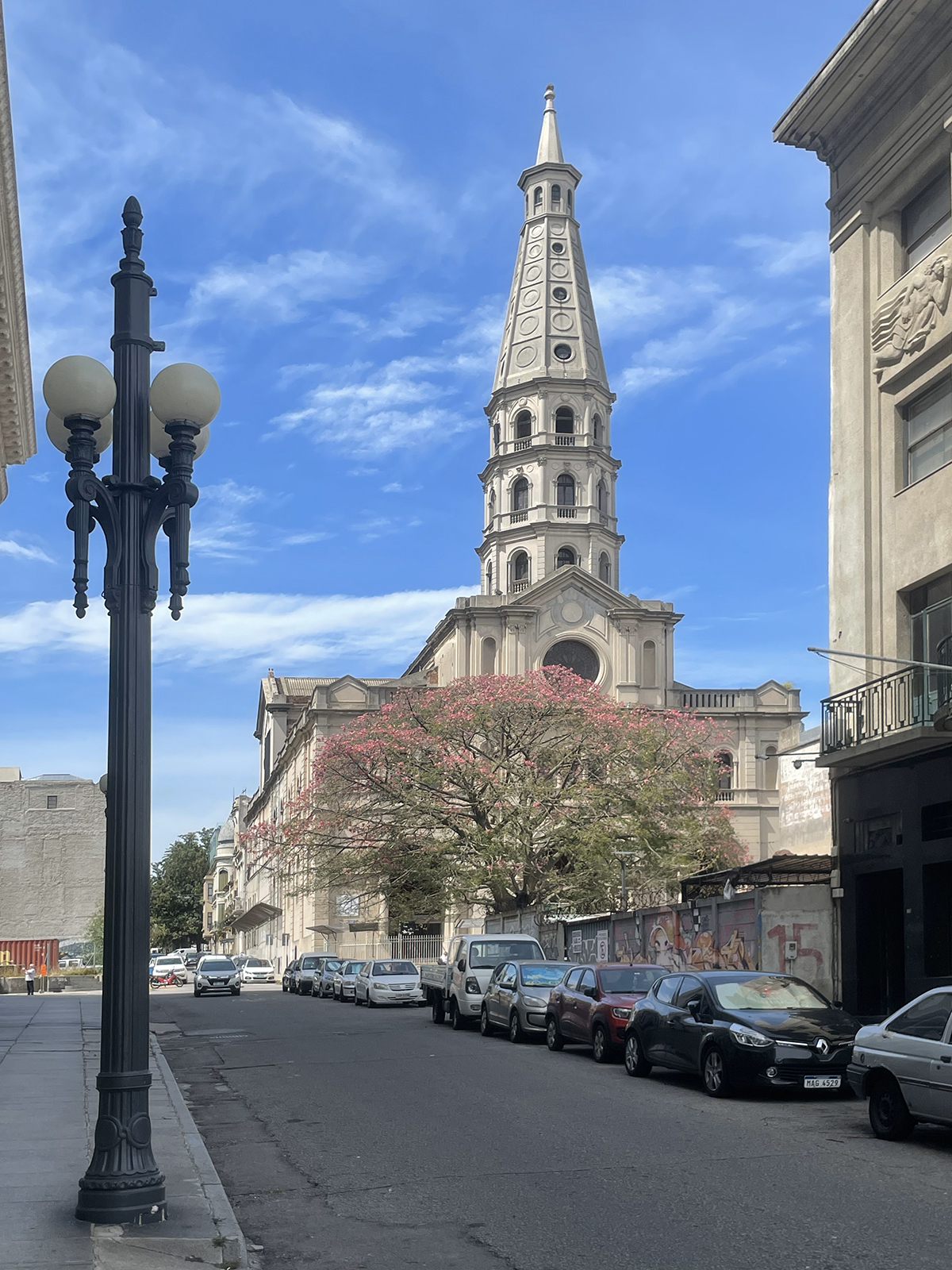
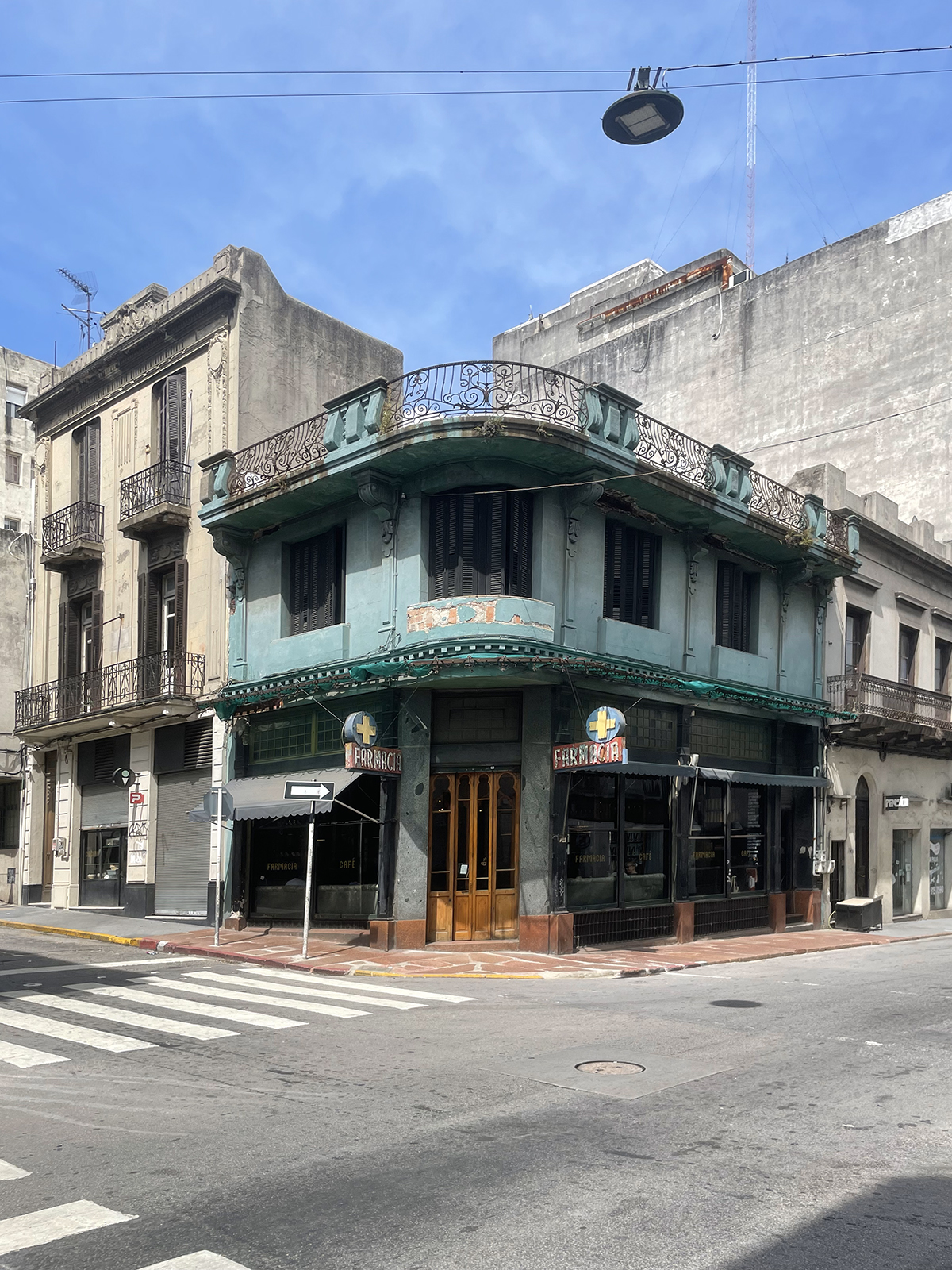
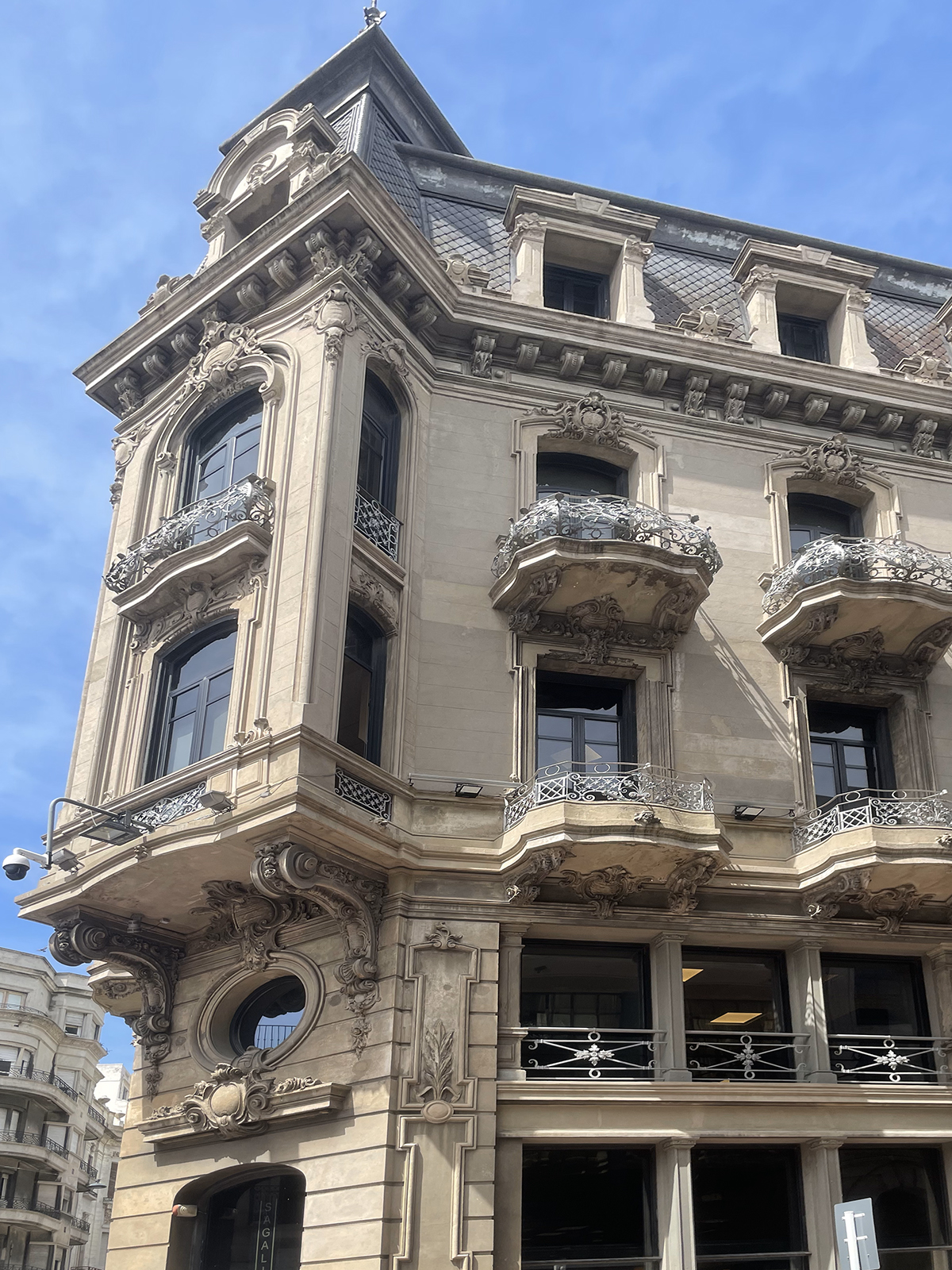
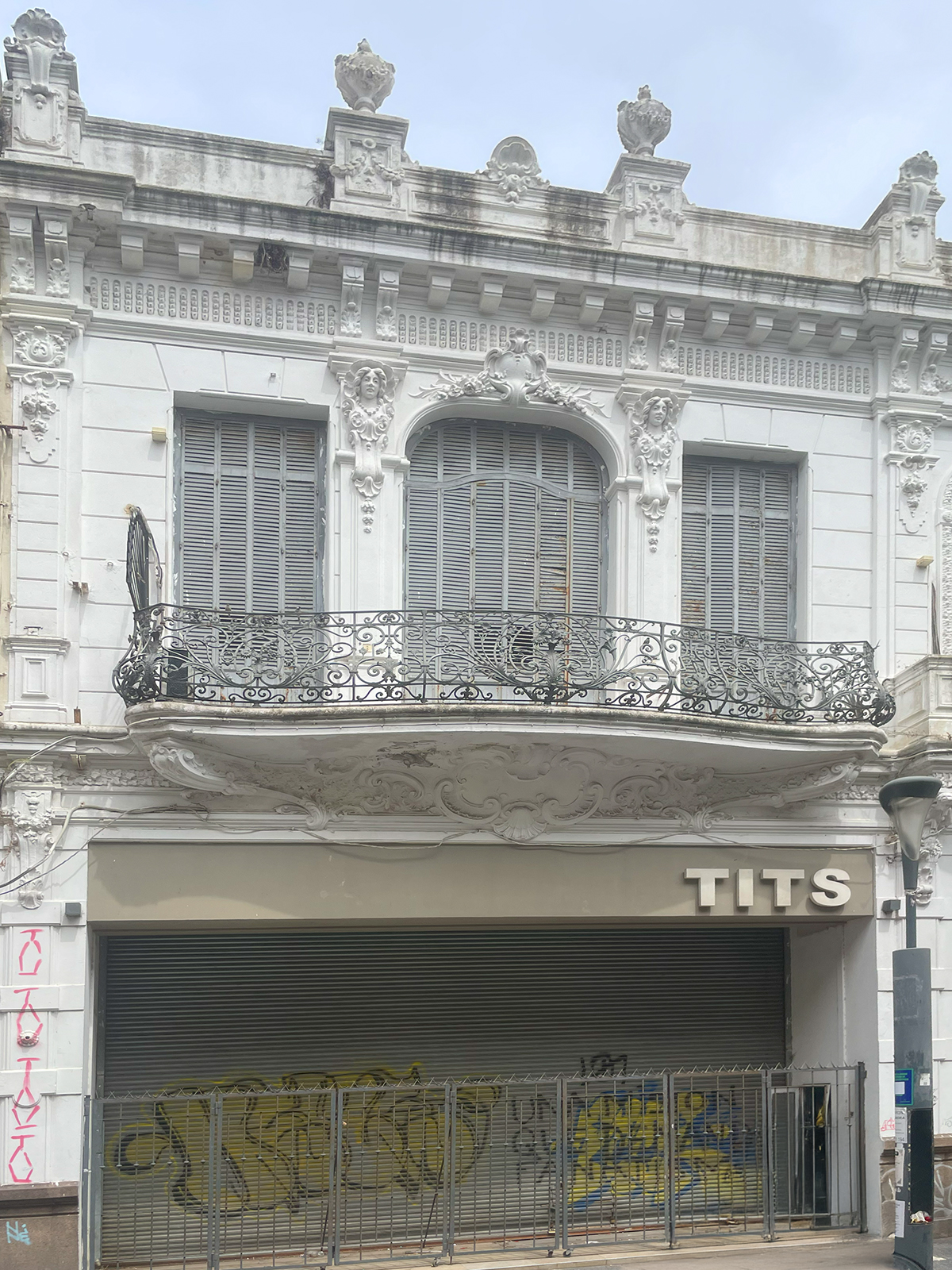
February 12–15, 2025 Marti Eicholz Two days spent traversing the boundless sea, followed by two days docked in vibrant ports. After boarding The Odyssey, I quickly realized I was embarking upon a journey across an immense, solitary expanse of water — one that stretched to the horizon in every direction and seemed to go on endlessly for days. The sheer volume of water in these oceans is both humbling and awe-inspiring, far greater and more overwhelming than anything encountered on land. On land, familiar reference points offer comfort and orientation, but here on the ocean, there is only a vast, featureless plain. The waves, shifting clouds, radiant sun, and glowing moon are my only companions and guides. I often situate myself on the highest deck, binoculars in hand, or recline on my private balcony, gazing out at the horizon, eagerly anticipating the excitement of a marine sighting. Occasionally, a lone seagull or a flock of terns will glide by, a fleeting reminder of life above the waves. With patience, I sometimes catch glimpses of dolphins, their sleek bodies weaving through the water in playful pods, moving together with an unspoken harmony — hunting, protecting, and communicating as a family. It’s genuinely uplifting to witness dolphins and whales arcing gracefully through the swells or leaping exuberantly from the sea, their presence a vivid reminder of the mysterious life hidden beneath the surface. Each day brings something new — the cloud formations shift, the strength and direction of the wind change, and the character of the waves transform, ensuring no two moments are ever quite the same. The sky overhead is an ever-expanding canvas, painted with hues that evolve from dawn to dusk. This immense dome is where the sun both sets and rises, where the moon climbs and glows, and where flocks of birds soar and clouds drift in silent procession. The sky feels limitless, a constant source of inspiration, stirring dreams and reflections with its beauty and unpredictability. Clouds display a breathtaking variety, each formation unique in shape, size, and color. Some appear as delicate, wispy streaks, barely tracing the sky, while others gather in thick, dramatic masses. Billowy cumulus clouds resemble fluffy balls of cotton, scattered against the blue, while stratus clouds form uniform, pale blankets that stretch as far as the eye can see. Together, these clouds create mesmerizing sunsets and shifting scenes, turning the sky into a living work of art. Even when storms roll in, the mood transforms — the once turbulent sea can become eerily calm, the stormy sky melting into a serene blue that extends endlessly toward the horizon, bringing a sense of peace and renewal. Eventually, thick gray clouds blanket the horizon and the world seems muted, leaving little to see but a soothing, glassy surface. In this quiet, the ocean radiates tranquility, untouched and undisturbed. The waves continue to roll beneath the ship, each crest bold and strong, a testament to the power and persistence of the sea. Rather than looking down at the water, I keep my gaze focused on the distant horizon, immersing myself in the chill of the open air, the steady rhythm of crashing waves, and the tang and scent of salt carried on the breeze. It’s an experience that engages every sense and leaves a lasting impression. February’s full moon, aptly named the “snow moon,” cast its gentle glow over The Odyssey, filling our journey with an almost mystical energy and uplifting our spirits as we sailed onward. There was an air of anticipation among us as the ship pressed forward, each wave carrying us closer to our next destination. As the night wore on, the silvery moonlight danced across the deck, painting everything in a gentle, ethereal shimmer. The crew shared stories and laughter beneath the glowing orb, each of us feeling a profound sense of camaraderie and hope that only such a magical night at sea could inspire us. The vast expanse of the ocean seemed less daunting under the snow moon’s watchful gaze, and even the most seasoned travelers found themselves quietly marveling at the scene’s tranquil beauty. With every nautical mile, our excitement grew. We found ourselves eager not only for new sights and experiences, but also for the stories that awaited us on distant shores. The scent of salt air mingled with the chill of February, and in those reflective moments, it was easy to believe that fate was guiding us onward, carrying us toward adventures that would soon become cherished memories. The sea itself seemed to hold its breath, the only sounds being the rhythmic lapping of water against the hull and the distant call of a night bird sweeping across the waves. The ship’s lanterns cast warm circles of light that mingled with the moon’s glow, creating an ambiance both serene and enchanting. Even the usual creaks and groans of The Odyssey fell away, replaced by a quiet reverence for the night’s spectacle. For a brief time, it felt as though we were suspended between worlds — adrift not only on the ocean, but also in a timeless realm shaped by moonlight and imagination. Among South American nations, Uruguay stands out as a pioneer in progressive reforms. It has long led the continent in legalizing marijuana, abortion, and marriage equality, reflecting its commitment to social freedoms and personal rights. Higher education at public universities is tuition-free, ensuring access to quality learning for all citizens, while a robust universal health care system further underscores Uruguay’s dedication to public welfare. The country’s focus on free and compulsory education has resulted in an impressive literacy rate of approximately 98.5%, making Uruguay one of the most educated societies in the region. Citizens enjoy the legal right to grow, purchase, and sell marijuana, a policy that exemplifies Uruguay’s trailblazing approach to drug reform. The nation was also among the first in the world to legalize same-sex marriage, furthering its reputation as a champion of equality and inclusion. Economically, Uruguay is recognized as the second wealthiest country in South America, benefiting from stable institutions and a high standard of living. Culturally, the country is distinctly secular; many churches appear empty and unused, as Uruguayans tend to be free-spirited and largely non-religious, often opting for personal beliefs over organized religion. Valentine’s Day morning brought The Odyssey cruise ship into Montevideo’s tranquil harbor. Although the city is celebrated for its welcoming ambiance and charm, the initial impression was marked by a pervasive odor — evidence of the thriving cattle industry, as a neighboring ship was preparing to export thousands of cows. This scene serves as a vivid reminder of Uruguay’s unique statistic: there are more than four cows for every person in the country. Montevideo, Uruguay’s compact yet vibrant capital, is ideal for exploration on foot. The city offers a distinctive blend of urban energy, picturesque beaches, rolling countryside, and historical landmarks. Unlike most capitals, Montevideo has the relaxed atmosphere of a beach town, boasting wide stretches of soft sand, lively volleyball courts, and the world’s longest continuous sidewalk. You can unwind on the waterfront, immerse themselves in the city’s many museums, dance to the rhythms of carnival season, or indulge in the region’s famed grilled meats. Wandering through Ciudad Vieja, the city’s Old Town, feels like stepping into a living storybook. The area is a captivating tapestry of culture and history, with orderly cobblestone streets flanked by grand modernist and neo-colonial buildings. Towering Jacaranda trees provide shade to cracked sidewalks, while vibrant Bougainvillea vines spill over wrought iron balconies overhead. The district is filled with museums, cozy cafés, eclectic shops, and striking art-deco architecture, all contributing to a rugged yet enchanting character. Among Ciudad Vieja’s culinary highlights is Jacinto, a beloved all-day bistro featured on Anthony Bourdain’s “Parts Unknown.” The restaurant offers an inviting menu that draws on Spanish, Italian, and African influences, presenting dishes that are flavorful and nourishing. Notable choices include the grilled polenta with spinach and the shrimp empanadas accented with cilantro and ginger, perfect examples of the city’s diverse gastronomic scene. The quintessential activity that defines Montevideo is spending time along the rambla, the city’s iconic boardwalk. Here, locals and visitors alike gather to soak in stunning panoramic views of the cityscape, while enjoying the vibrant atmosphere created by small parks, outdoor gyms, and lively communal spaces. The rambla isn’t just a walkway; it’s the heart of daily life in Montevideo, where people come together to relax, socialize, and connect with the community. Montevideo’s riverfront Rambla holds the distinction of being the longest continuous sidewalk in the world, stretching from the bustling downtown all the way to the far eastern suburbs. Over its impressive fourteen-mile length, the promenade hugs the spectacular seafront, offering endless opportunities for recreation. Locals can be seen cycling, rollerblading, running, working out at the open-air fitness areas, or casting fishing lines into the river. A defining image is that of people sipping yerba maté, the cherished national drink, as they take in the fresh air and lively scenery. In Uruguay, carrying a yerba mate kit is a common sight, as the ritual of drinking this herbal tea is an essential part of the country’s culture. Yerba mate, often simply called mate, is deeply rooted in Latin and South American traditions, and serves as both a daily comfort and a symbol of identity for many Uruguayans. Beyond its cultural significance, yerba mate is revered for its stimulating properties. It acts on the brain, heart, and blood vessels, providing a gentle boost of energy and mental clarity. Many people rely on yerba mate not just for its taste, but also for its reputed benefits in enhancing athletic performance, sharpening memory and thinking skills, relieving headaches, combating fatigue, and supporting overall wellness. This beloved beverage is more than a simple drink. In Uruguay, sharing yerba maté is a cherished social ritual, reflecting the values of unity, hospitality, and friendship. It’s entirely customary to offer your mate to complete strangers, breaking down barriers and fostering a sense of community among all participants. However, as inviting as this tradition is, it’s important to remember that sharing a mate cup with others isn’t particularly sanitary. For hygiene reasons, it’s recommended to purchase your own mate kit, so you can partake in this cultural experience safely and comfortably. To fully embrace the Montevideo lifestyle, bring along your mate or prepare a refreshing pitcher of Clerico — a local white-wine sangria — and take a leisurely stroll on the Rambla during sunset. Along the way, you’ll encounter a dynamic skate park, the poignant Holocaust Memorial, and talented street musicians adding melody to the evening air. As the sun dips below the horizon and the sky transforms with vibrant colors, the Rambla provides the perfect vantage point to witness this daily natural spectacle. The Museo de la Memoria is a deeply moving site that offers profound insights into Uruguay’s turbulent history under a twelve-year civic-military dictatorship from 1973 to 1985. The museum serves as a solemn tribute to the two hundred Uruguayans who “disappeared” during this period, known as the Desaparecidos, whose fates remain unknown. A particularly striking exhibition features simple kitchen pots and pans, which became unlikely instruments of protest — used by residents during the famous cacerolazos to create a cacophony of noise. By banging these objects, citizens made their dissent heard, protesting state-sanctioned violence and injustice in a powerful and unforgettable way. From the end of January through early March, Uruguay bursts into color and celebration with its annual Carnival (carnaval), a festive extravaganza that spans forty nights — making it the longest carnival in the world. This vibrant season fills the streets with music, dance, and elaborate performances, as locals and visitors alike join together in anticipation of Easter Week, creating unforgettable memories under the Uruguayan sky. The tradition of carnaval in Uruguay has deep roots, brought to the country by enslaved Africans centuries ago. At its heart are the candombe drums — large, body-worn percussion instruments that players decorate with colorful paint to match the dazzling costumes and feathers worn by dancers. These groups, known as comparsas, parade through the streets producing thunderous, uplifting rhythms that captivate audiences and energize the festivities. Even outside of carnival season, candombe groups practice year-round, ensuring that the sounds and spirit of celebration are never far from reach in Montevideo. Uruguay is renowned for its exceptional grass-fed beef, a true point of national pride. In fact, the country boasts the highest ratio of cows to people in the world! The beloved weekly asado, a traditional barbecue, is much more than a meal; it’s a cherished ritual where friends and family gather, sharing laughter, stories, and, of course, delicious food. The smoky aroma of grilling meat drifts through neighborhoods, signaling a time for celebration and togetherness. Soccer is another passion that unites Uruguayans, capturing the nation’s spirit and energy. Catching a match in Montevideo is an unforgettable experience, with fans filling stadiums and streets with their infectious enthusiasm. While the soccer season typically runs from May to December — meaning there won’t be games during our visit, we can still immerse ourselves in the rich history of Uruguayan soccer by exploring the Museo del Futbol. There, we’ll learn how this sport has shaped the country’s identity and continues to inspire generations. Museo Andes 1972. This remarkable museum recounts the gripping and emotional saga of Uruguayan Air Force Flight 571, which tragically crashed in the Andes Mountains. The aircraft was carrying a team of young rugby players and their companions. Out of forty-five people on board, only sixteen survived, overcoming unimaginable odds by resorting to cannibalism in order to stay alive. Their story — made famous by the book Alive! and the Netflix film Society of the Snow — left an indelible mark on Uruguay’s national consciousness. The museum’s exhibits are honest and poignant, curated with the guidance of the survivors themselves, and offer a profound reflection on human resilience and hope. Despite its laid-back reputation, Montevideo knows how to throw a party. The city’s nightlife pulses with energy: evenings begin leisurely with dinner around 10 p.m., followed by drinks at cozy bars around midnight, and then dancing at vibrant clubs into the early hours — sometimes as late as 3 a.m. For a taste of local culture, you might attend a historic cabaret, where the atmosphere is electric and the tango performances are unforgettable. Our own evening began with two talented Montevidean guitarists serenading us as we enjoyed drinks and appetizers, setting the stage for the main event. As the tango music swelled, a skilled dancer spun, twisted, and twirled his stunning partner with breathtaking precision. Each routine was met with gasps, oohs, ahhs, and thunderous applause from the crowd. Their chemistry was undeniable — their movements so perfectly synchronized, it seemed as though they were born to dance together. Watching them execute acrobatic feats on such a small stage was nothing short of mesmerizing; the performance left us utterly captivated. On Valentine’s Day, the romantic spirit was heightened by a celestial display. Venus, known as the planet of love, shone at its brightest as the sun dipped below the horizon. Gazing up at the night sky, Venus dazzled us with its brilliance, a fitting tribute to the celebration of love. “Where there is love there is life.” — Mahatma Gandhi As our time in Montevideo draws to a close, I find myself reflecting on its unique charm. This city, often overlooked in favor of its more famous neighbors, reveals itself as a hidden gem, peaceful, eclectic, and quietly alluring. Its understated magic lingers long after you’ve left. Tomorrow, I’ll wake up in Buenos Aires, Argentina, carrying with me the memories of Montevideo’s warmth and wonder. |
|
Copyright © 2025 All rights reserved back to indexx-voyage.htm l next page
|